Aztec Art
Thriving between the 14th and 16th centuries in central Mexico, Aztec art transcends mere aesthetics. It functions as a symbolic language, a portal into the cultural and religious life of this powerful Mesoamerican civilization. Deities and rituals dominated Aztec artistic expression. Gods like Quetzalcoatl, the feathered serpent, and Huitzilopochtli, the sun god, found themselves depicted in sculptures, murals, and codices, the hand-painted manuscripts that served as historical records, ritual guides, and maps.

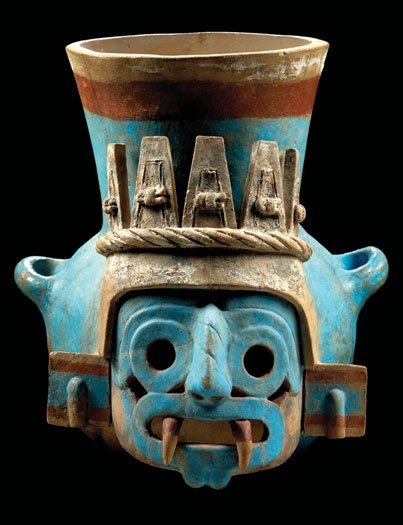
A rich vocabulary of symbols imbued Aztec art with deeper meaning. Jaguars represented strength, eagles symbolized warriors, and flowing water depicted life. Intricate geometric forms, squares, triangles, and frets alike, were more than just design elements; they often carried cosmological significance. Aztec artists were masters of color as well, utilizing vibrant hues like turquoise, ochre, and red to create visually striking works.
This emphasis on religion, symbolic imagery, geometric patterns, and vivid colors became the hallmarks of Aztec art, a unique artistic language that continues to resonate today.
Sculpture
Aztec sculptors weren’t just skilled artisans; they were history keepers. Their medium of choice was often stone, which they meticulously carved into imposing statues of deities and warriors. These sculptures served multiple purposes. They functioned as offerings to the gods, commemorated victories in battle, and embodied the power and prestige of Aztec rulers.
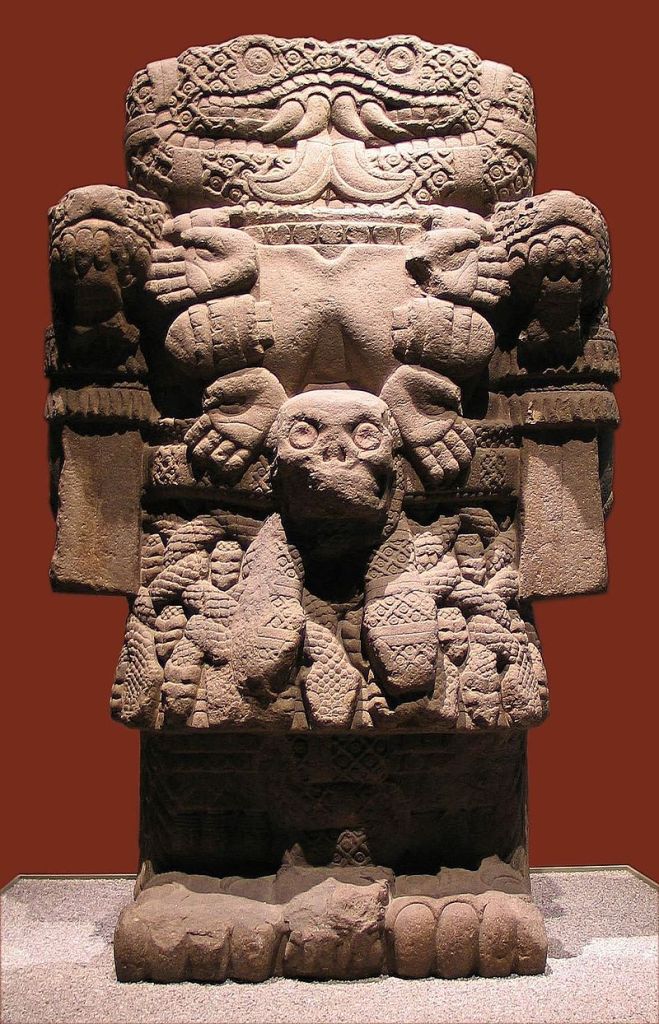

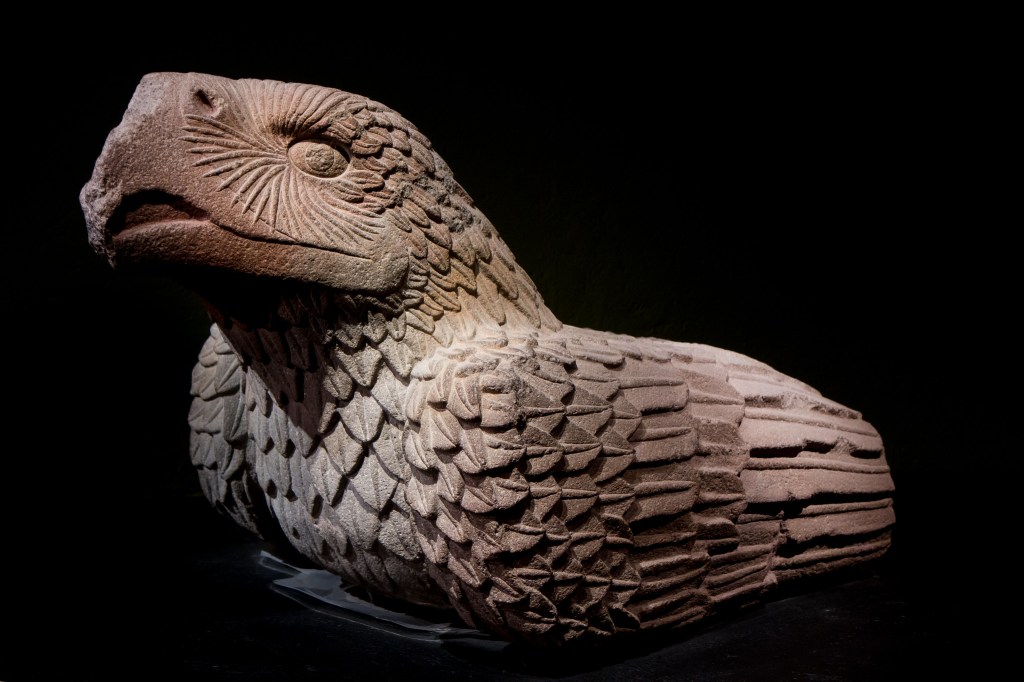
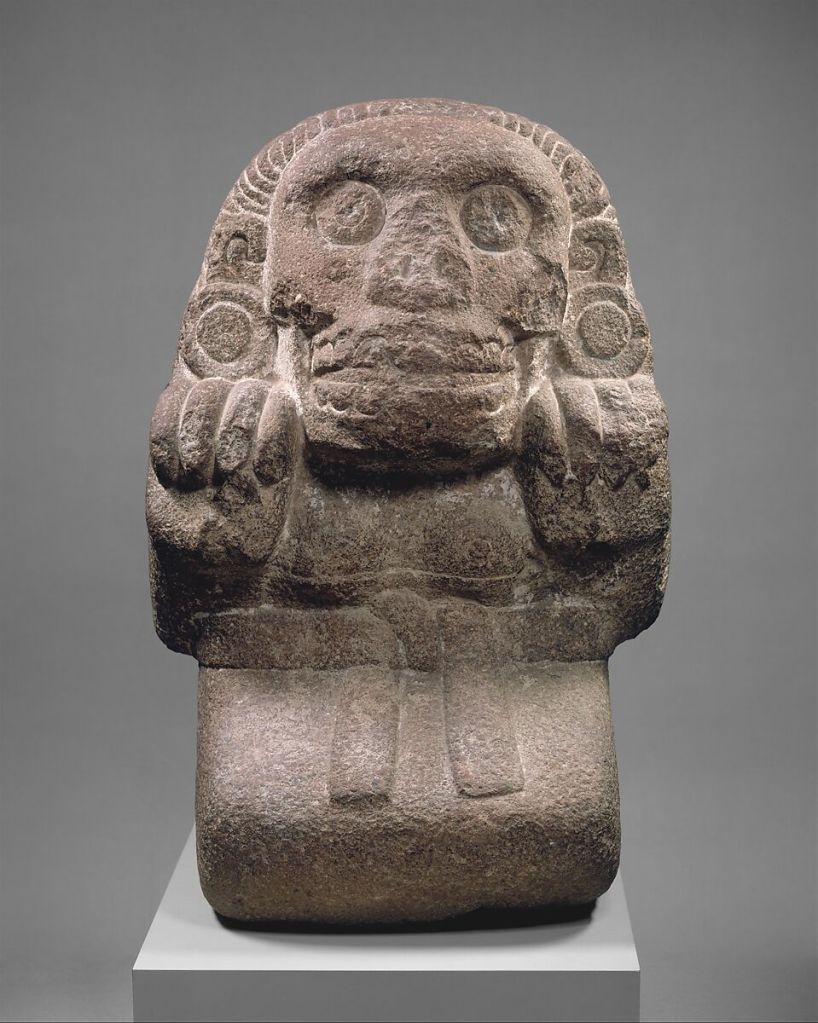

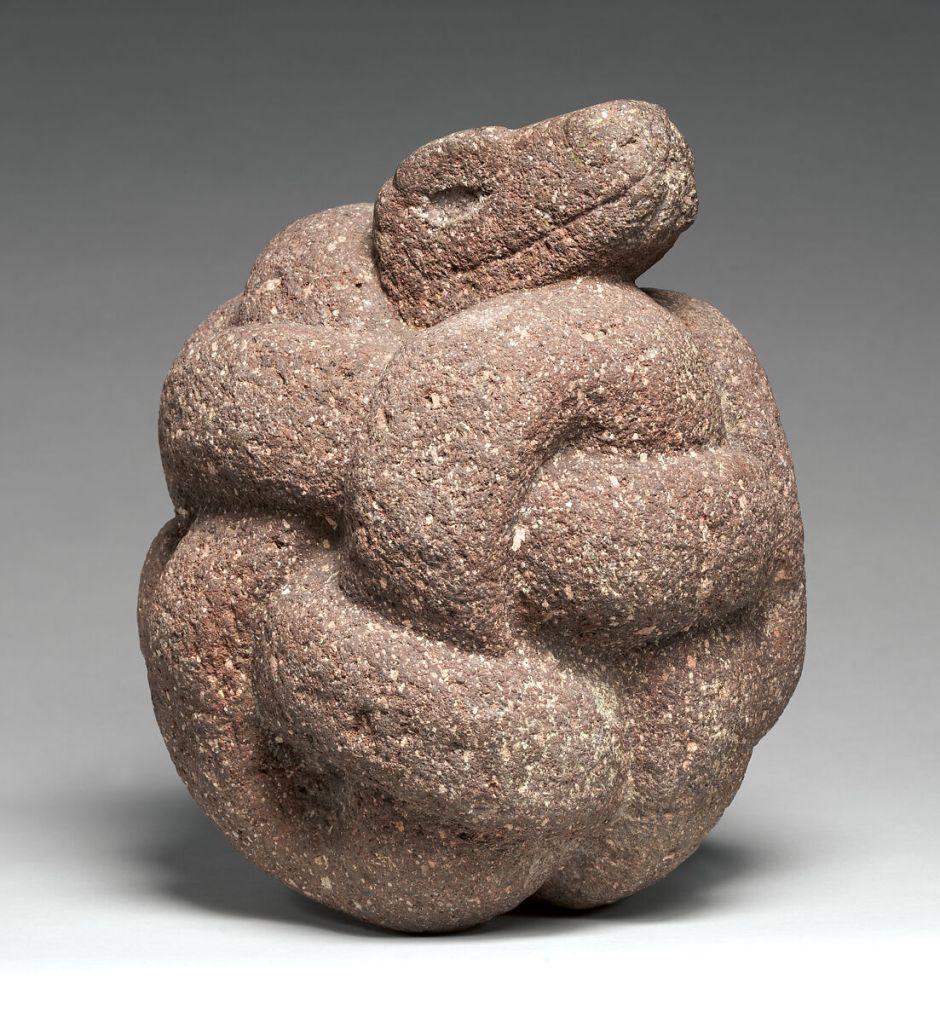
Perhaps the most famous Aztec stone sculpture is the colossal Aztec calendar stone. This intricately carved disc, also known as the Sun Stone, depicts the Aztec understanding of the cosmos, with the central figure representing the sun god Huitzilopochtli.

Feathered Art
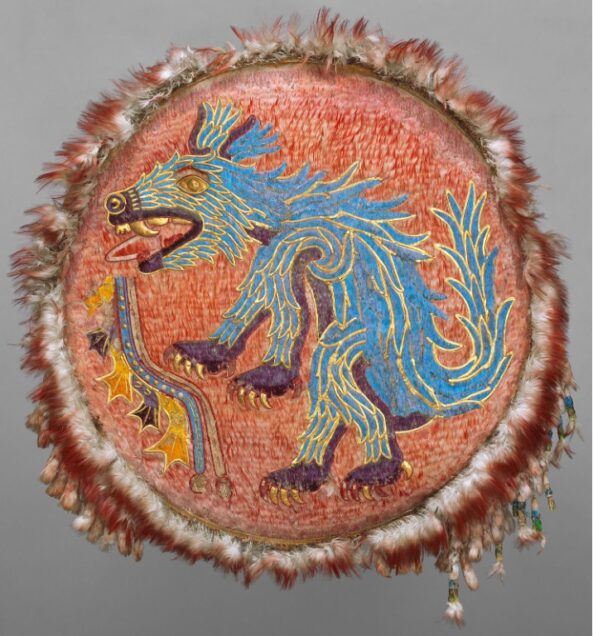
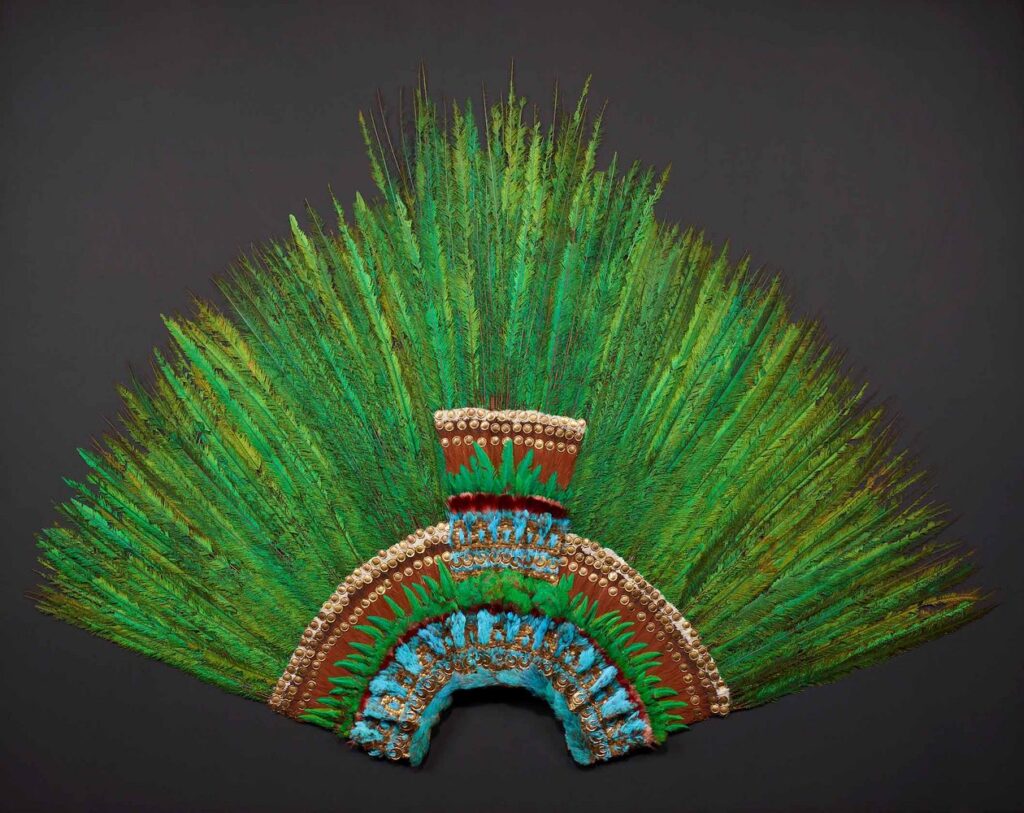
In the Aztec world, feathers were not just plumage; they were considered precious materials, imbued with symbolism and beauty. The most prized feathers came from rare birds like quetzal and macaws, and their vibrant colors – emerald greens, fiery reds, and deep blues – were used to create stunning feather art.
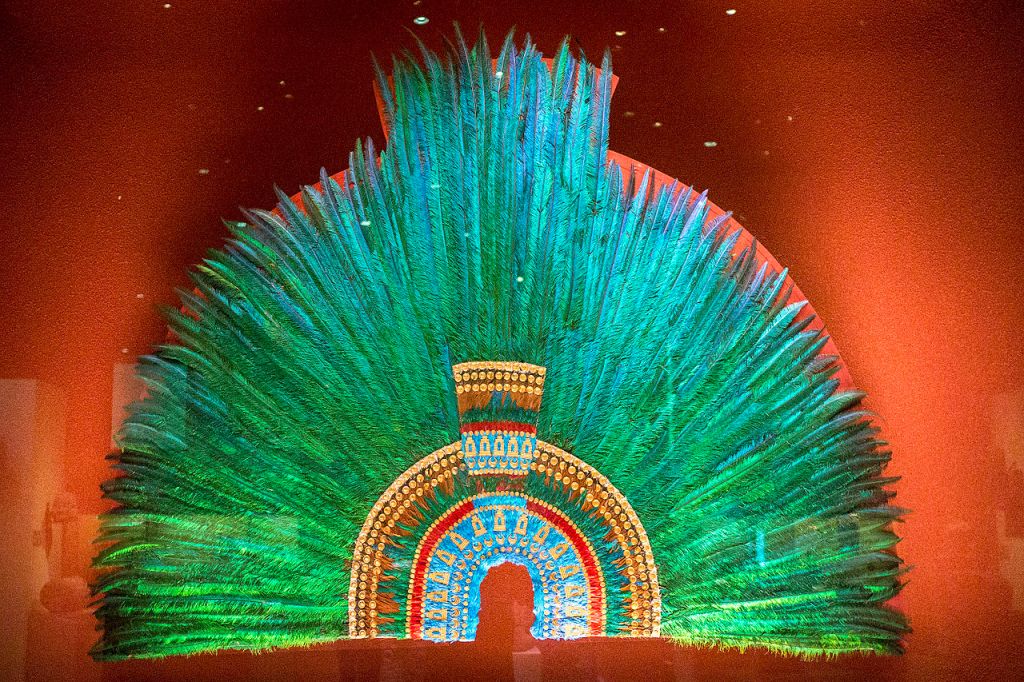
This art form was a highly specialized skill reserved for elite artisans. With remarkable patience and dexterity, they meticulously arranged the feathers to create intricate mosaics that adorned the shields of warriors, the headdresses of rulers, and the garments of the nobility. These feathered creations were not only visually dazzling but also served as powerful status symbols.
Codices
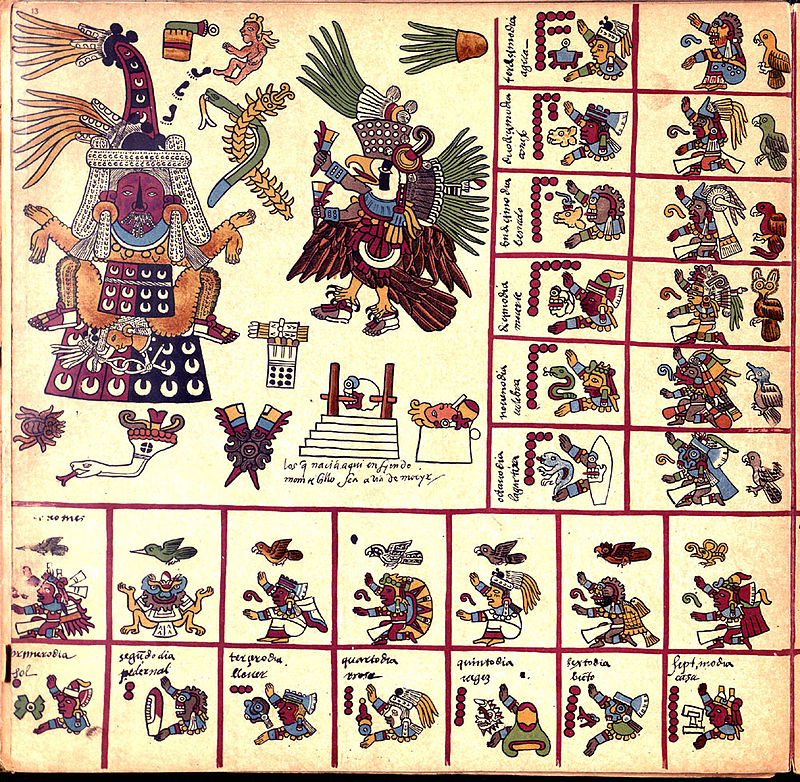
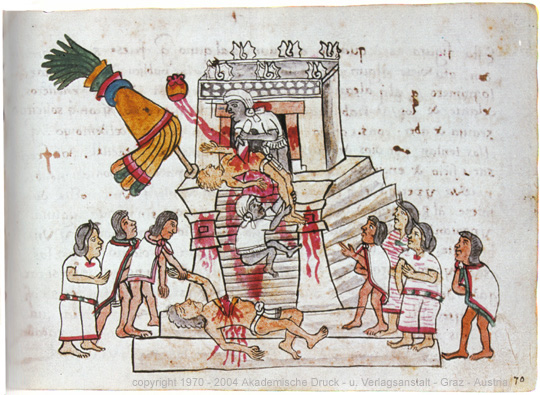
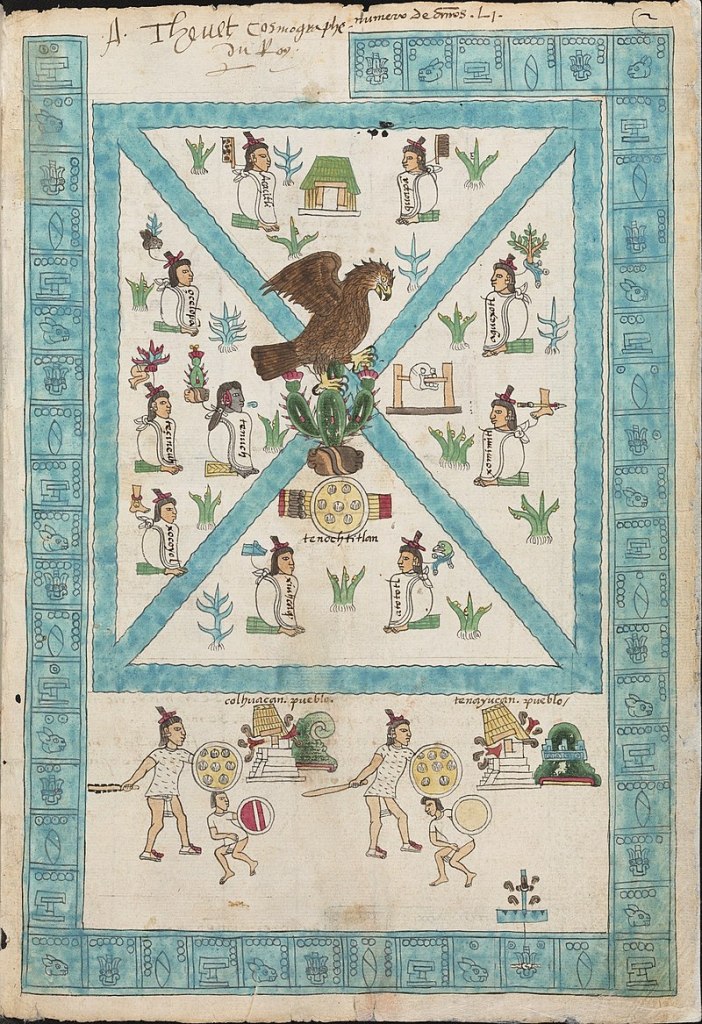
Unlike their European counterparts who relied on alphabets, the Aztecs lacked a phonetic writing system. Instead, they used codices, hand-painted manuscripts, to record their history, rituals, and knowledge. Imagine unfolding a long sheet of bark paper or deerskin, and witnessing Aztec life unfold before your eyes.
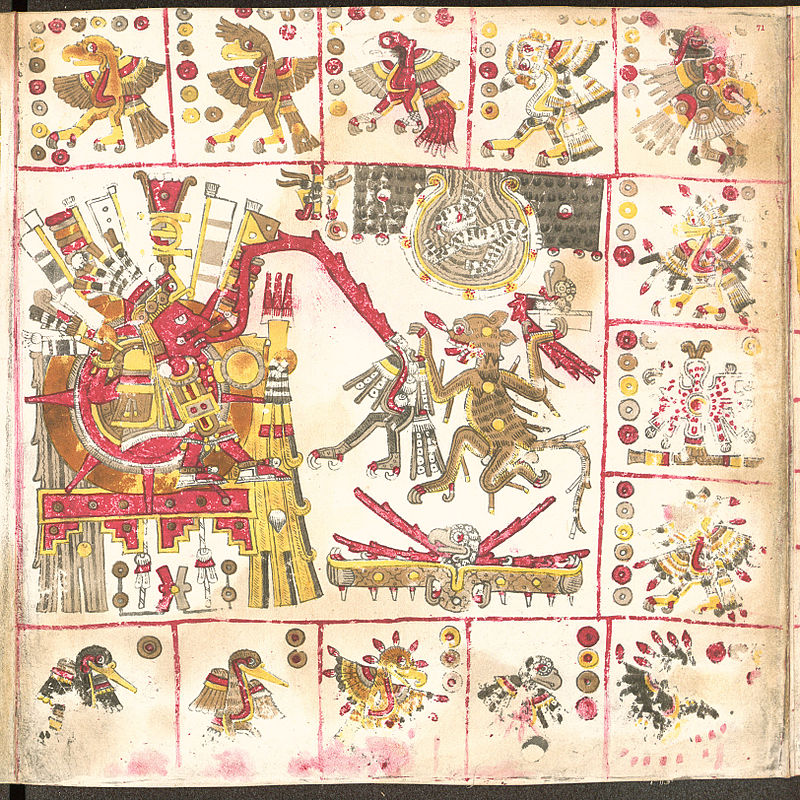
These codices incorporated pictographs – symbolic images that could represent deities, objects, or even actions. For more complex ideas, glyphs, which functioned like written words, were also employed. These codices served as invaluable tools for Aztec society, ensuring the transmission of knowledge from generation to generation.
Pottery
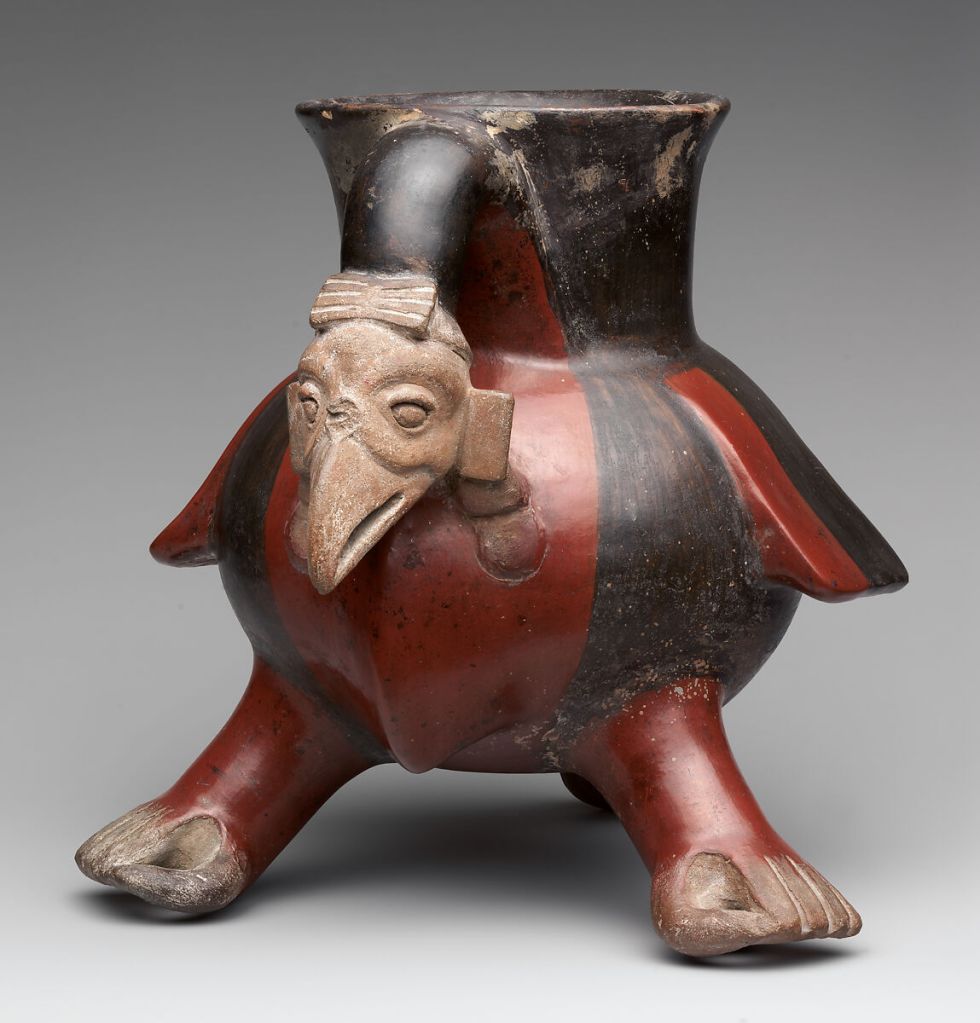
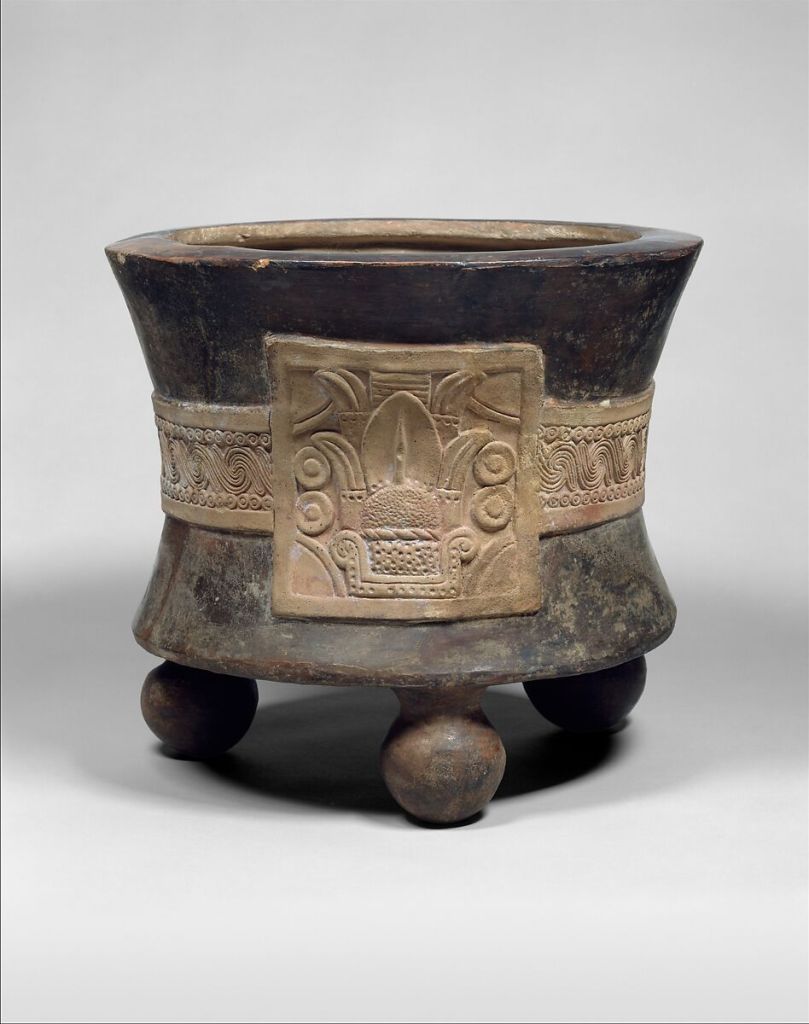
Aztec pottery was not merely utilitarian; it was an art form. While these vessels served everyday purposes like storing food and water, they were often decorated with beautiful and symbolic designs. Geometric patterns, like squares and triangles, were believed to hold cosmological significance. Images of jaguars, eagles, and serpents, creatures revered in Aztec mythology, also adorned these pots. By studying Aztec pottery, we gain insights not just into their artistic sensibilities but also into their belief systems and way of life.
The legacy of Aztec art extends far beyond its time. It continues to influence Mexican folk art, textiles, and even contemporary artistic movements, weaving Aztec traditions into the vibrant cultural fabric of Mexico. For many Mexicans, Aztec art serves as a powerful wellspring of national pride, a tangible connection to their ancestors and heritage. Beyond its national significance, Aztec art’s captivating beauty and symbolic language continue to resonate with audiences worldwide, offering a window into a lost civilization’s rich cultural tapestry, and ensuring its continued appreciation for generations to come.

 Digital Maps of the Ancient World