Greek Frescoes
The tradition of frescoes in Greece traces back to antiquity, finding early expression in the vibrant murals adorning sites like Knossos, Tiryns, and Mycenae during the Minoan and Mycenaean Bronze Age.
Despite the challenges of time and preservation, references to frescoes abound in ancient texts, notably those of the travel writer Pausanias, shedding light on the prevalence of this art form during the Classical and Hellenistic periods. However, the scarcity of intact architectural structures has limited the survival of frescoes, with the majority unearthed from within tombs, offering glimpses into the artistic achievements and cultural milieu of ancient Greece.



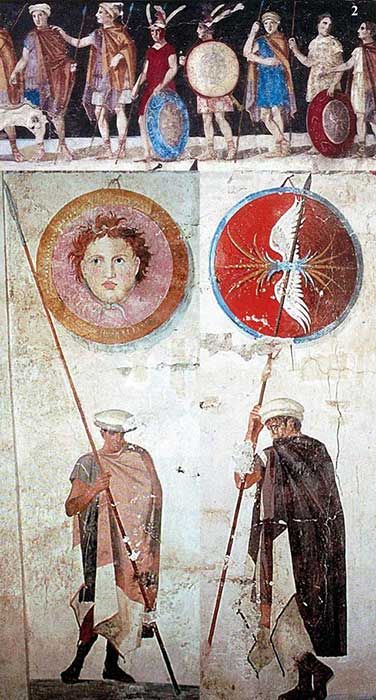
2. Macedonian solider, 3rd c. BC.
3. Macedonian arms and armour from the Tomb of Lyson and Kallikles, Mieza, 2nd c. BC.
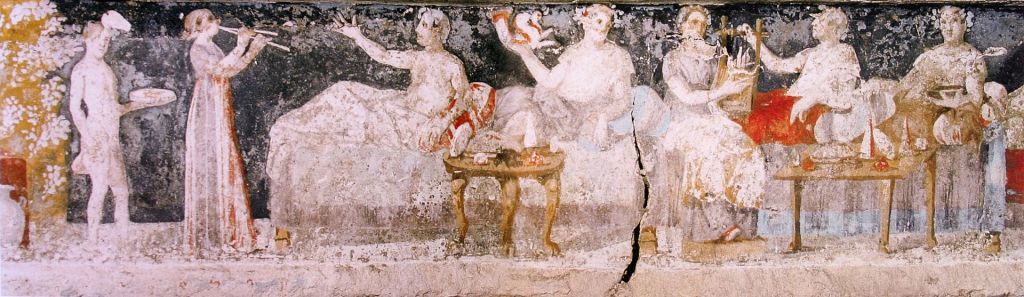
4. A banquet scene from a Macedonian tomb of Agios Athanasios, Thessaloniki, 4th c. BC.
5. Hades and Persephone from the Tomb of Queen Eurydice I of Macedon, Vergina, 4th c. BC.
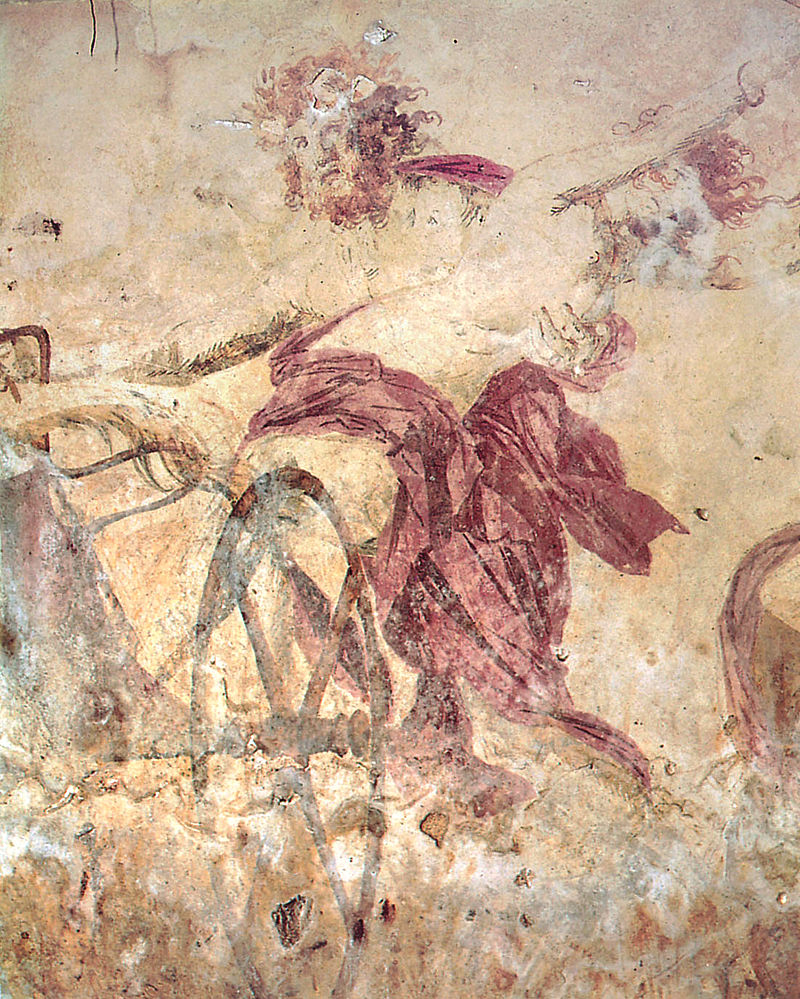
6. Hades abducting Persephone from the small Macedonian royal tomb, Vergina, 4th c. BC.

 Digital Maps of the Ancient World