Greek Mosaics
Ancient Greek mosaics represent a remarkable artistic achievement, showcasing intricate designs and vibrant colors that captivated viewers for centuries. Initially crafted with rounded pebbles, these mosaics evolved with the introduction of tesserae, small pieces of colored glass or stone, which provided greater color variation and a smoother surface.

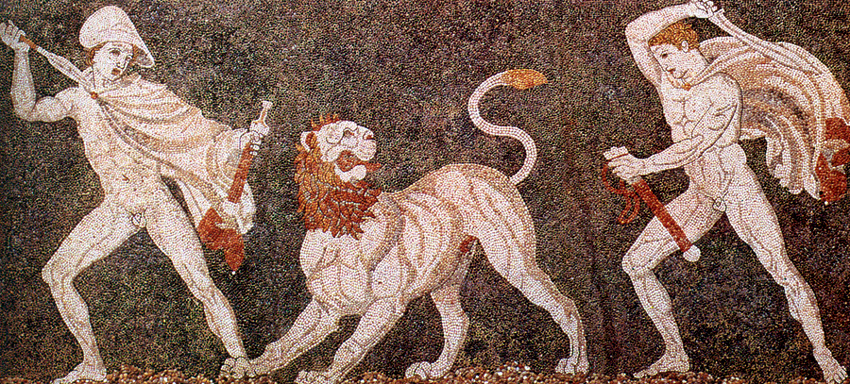
The figure on the right is Alexander the Great and the figure on the left wielding a double-edged axe is Hephaestion, one of Alexander’s loyal companions.
During the Hellenistic period, Greek mosaics adorned the floors of palaces, temples, and public buildings, reflecting the grandeur and sophistication of Greek culture. Over time, they became popular in private homes as well, adorning courtyards, dining rooms, and other living spaces with elaborate geometric patterns, mythological scenes, and depictions of daily life. Greek mosaics not only served as decorative elements but also conveyed symbolic meanings, religious beliefs, and cultural values, offering insights into the aesthetic sensibilities and artistic talents of the ancient Greeks. Today, these exquisite mosaics stand as enduring testaments to the creativity and ingenuity of ancient Greek artisans, inspiring admiration and awe among modern-day audiences.
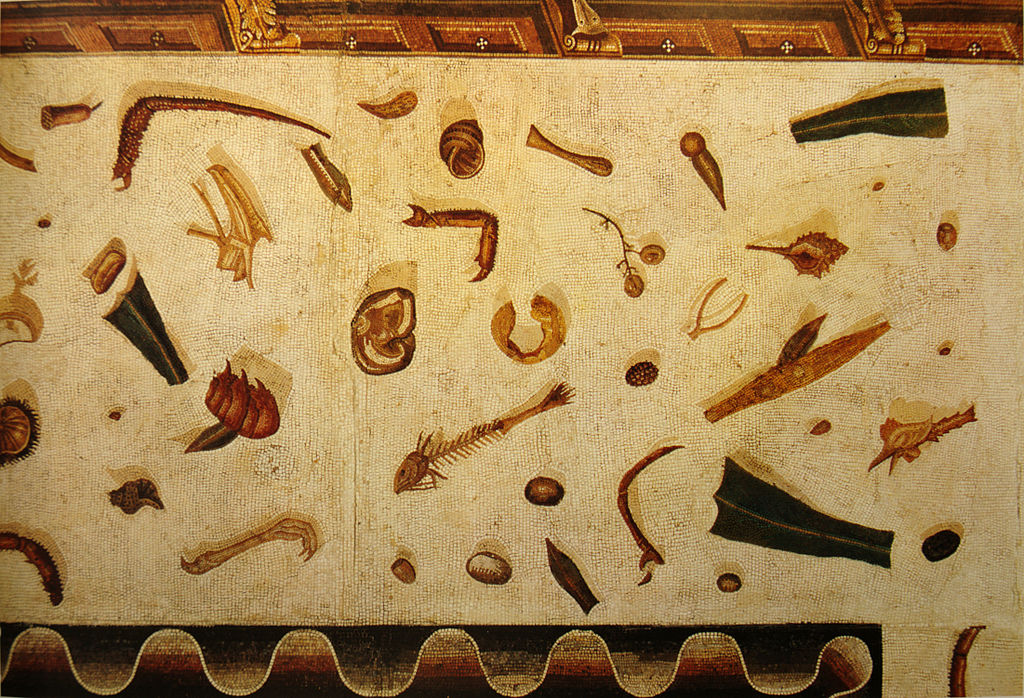
2. Unswept Floor, Roman copy of the mosaic by Sosus of Pergamon.
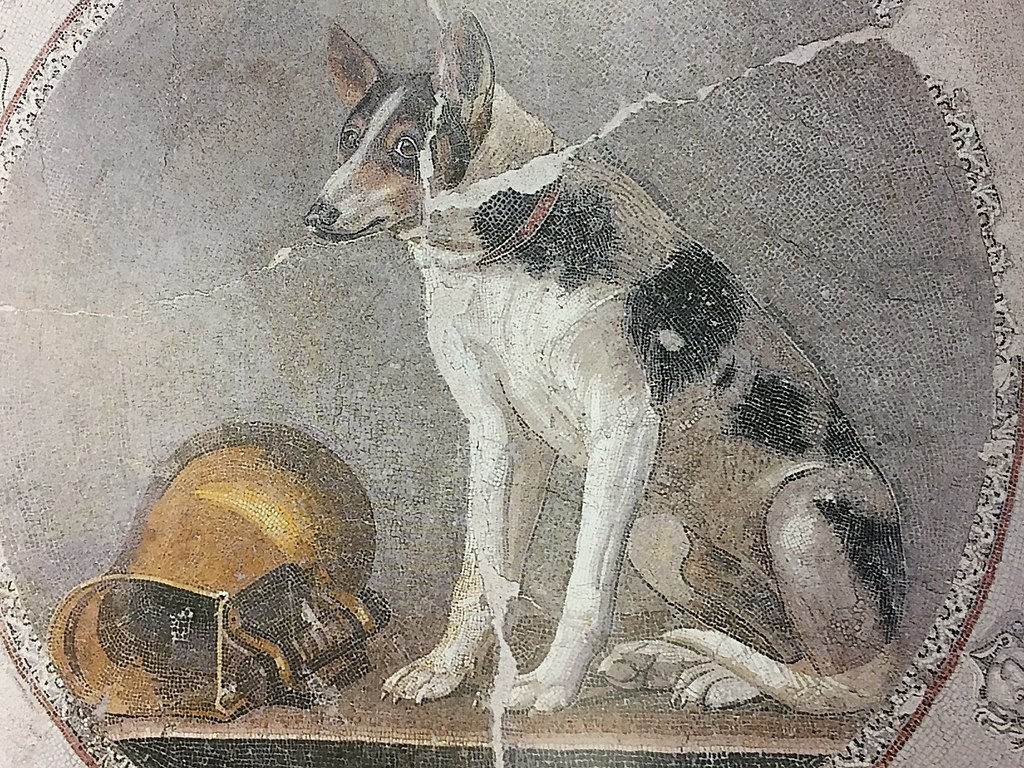
3. Ptolemaic mosaic of a dog and askos wine vessel from Alexandria, c. 200-150 BC.
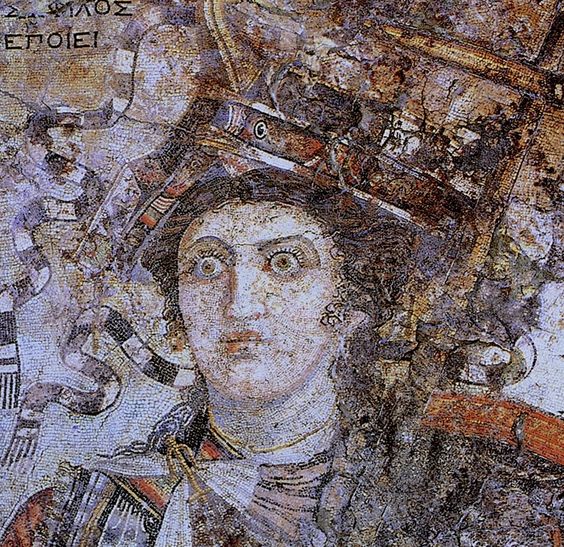
4. Ptolemaic Queen Berenice II as the personification of Alexandria, signed by Sophilos, c. 200 BC. Hellenistic mosaic from Thmuis.
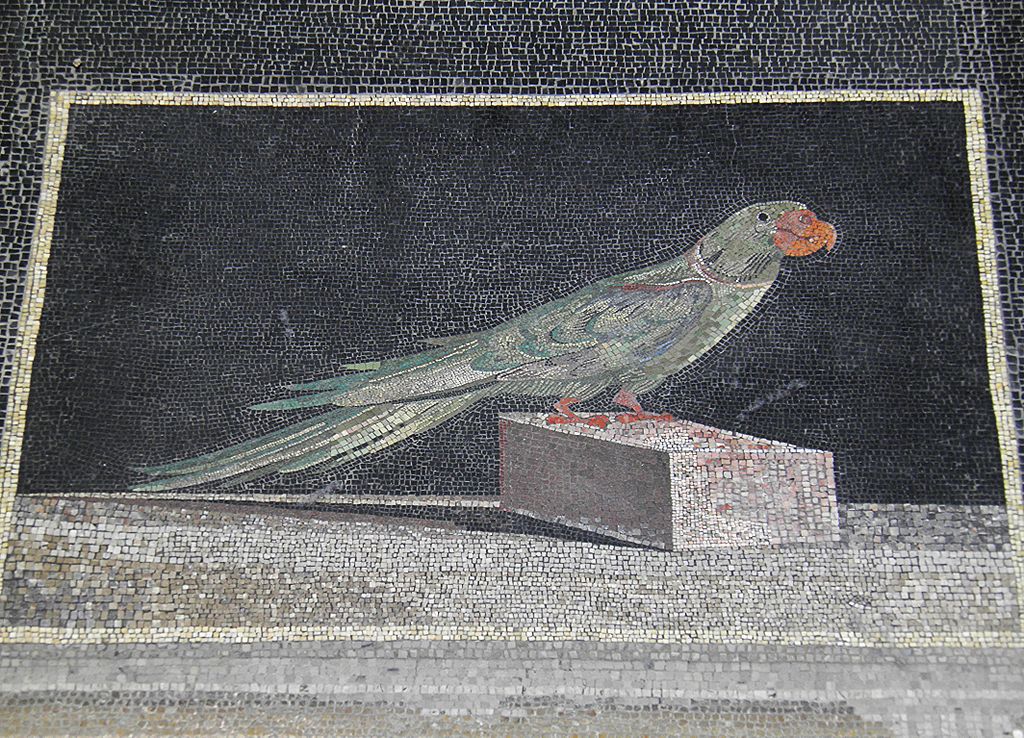
5. Detail of mosaic with Alexandrine parakeet, mid-2nd c. BC, from Pergamon. (c) Carole Raddato
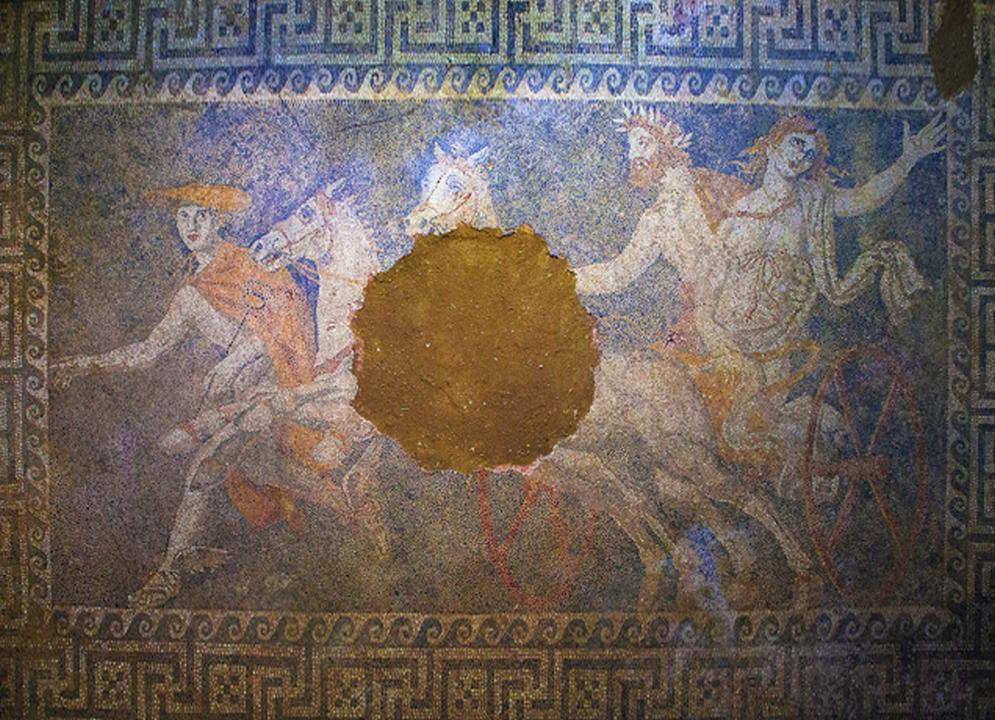
6. The Abduction of Persephone by Hades, 4th c. BC. A mosaic of the Kasta Tomb, Amphipolis.

 Digital Maps of the Ancient World