Greek Sculpture
Ancient Greek sculpture, spanning the Archaic, Classical, and Hellenistic periods, stands as a pinnacle of artistic achievement in antiquity.
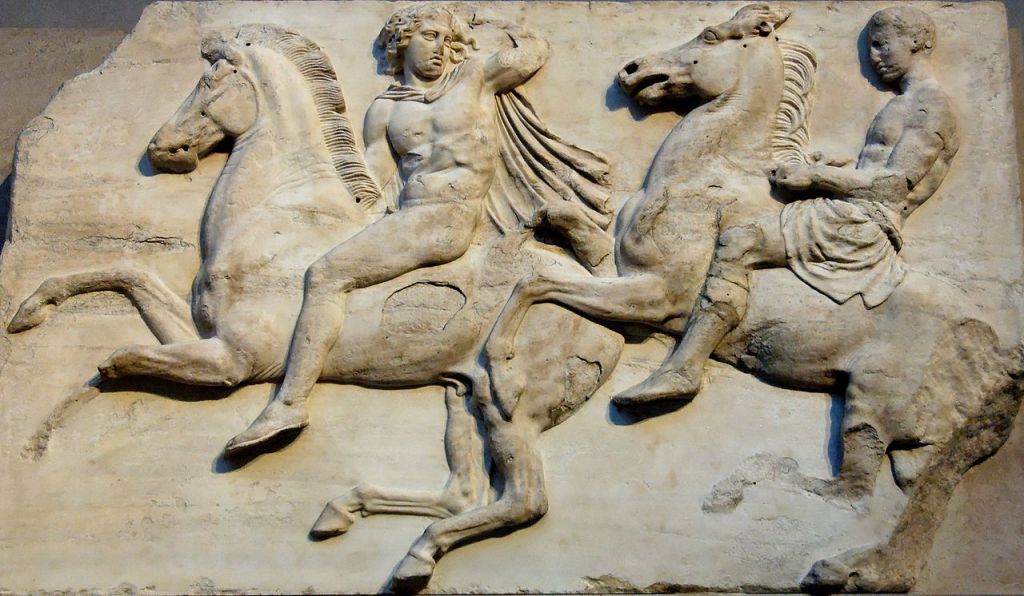
From c. 650-480 BC, the Archaic period witnessed the emergence of distinctive styles in both bronze and stone sculpture, characterized by rigid postures and stylized anatomical features. During the Classical era (480-323 BC), sculptors such as Phidias and Praxiteles revolutionized the art form with lifelike depictions of the human form, embodying ideals of beauty, harmony, and proportion. This era saw a profound shift towards naturalism, as sculptors sought to capture the dynamic energy and emotional depth of their subjects.
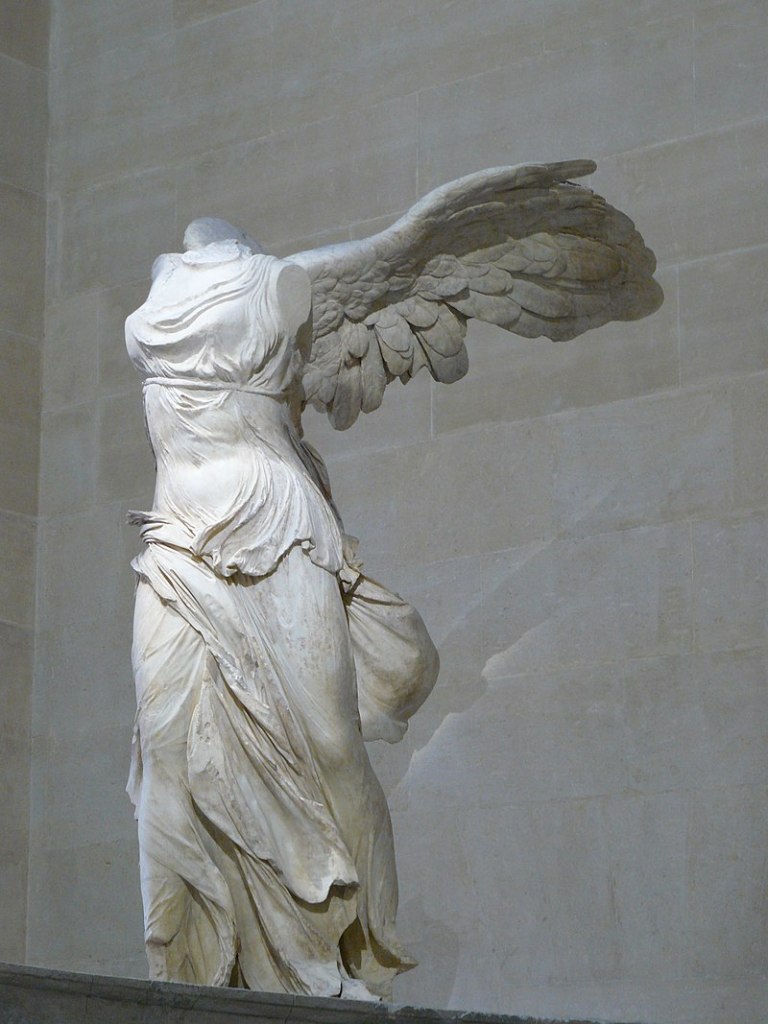
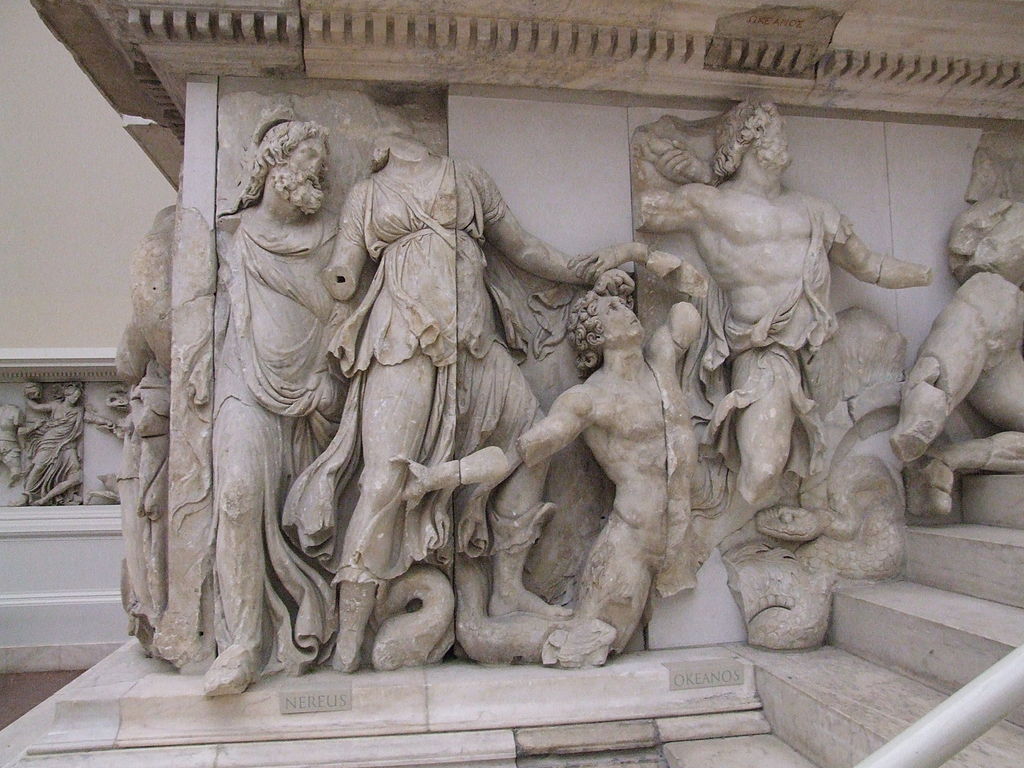
By the Hellenistic period, which extended until the rise of Rome, Greek sculpture reached new heights of expression and complexity, with monumental works showcasing dramatic movement, intricate detail, and heightened realism. Whether depicting gods, heroes, athletes, or ordinary citizens, Greek sculptors celebrated the human body as both a secular and sacred subject, reflecting the profound interplay between art, religion, and society in ancient Greece.
Archaic
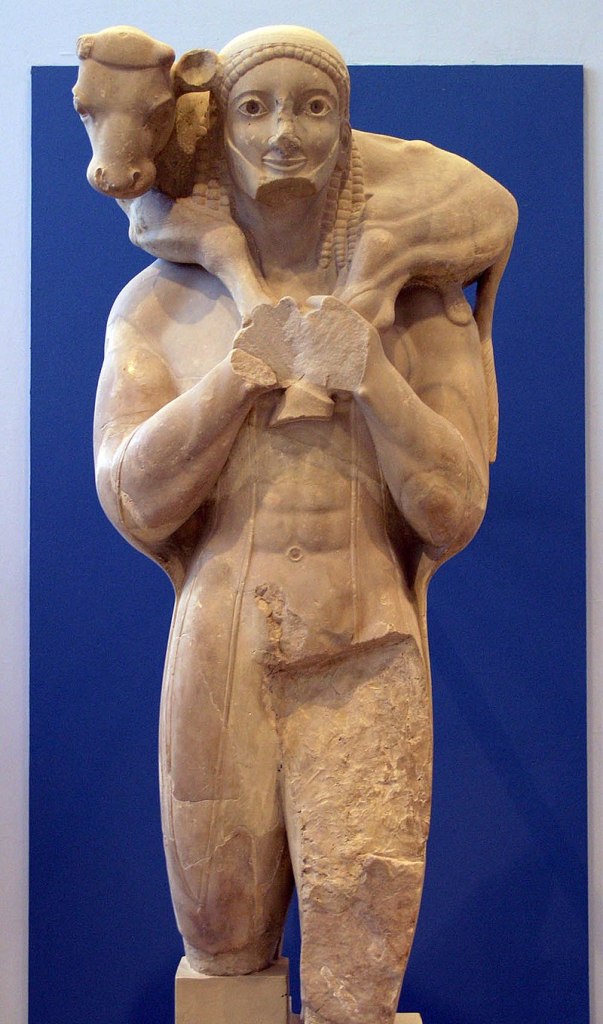
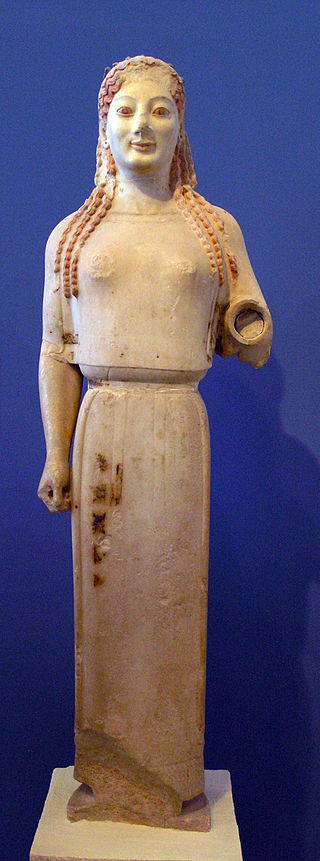
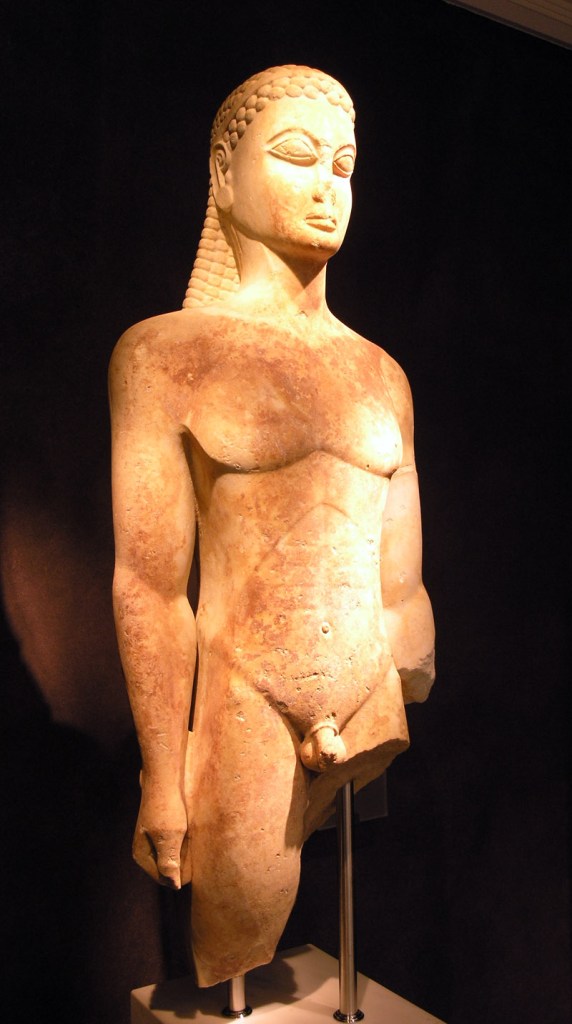
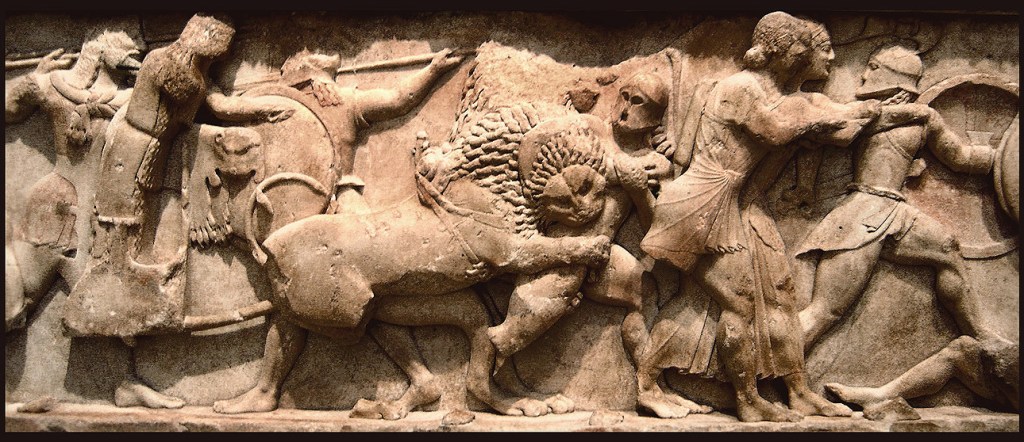
In the realm of Ancient Greek sculpture, the transition from the rigid forms of the Archaic period to the dynamic expressions of the Classical era is palpable. Free-standing figures, influenced by Eastern models but marked by a distinct Greek flair, exude a newfound vitality and dynamism.

From around 575 BC onwards, figures like the kouroi and korai began to sport the enigmatic “archaic smile,” a feature that bestowed upon them a sense of individuality and humanity. These sculptures, whether depicting nude male youths, draped girls, or seated women, exhibit a remarkable evolution in the understanding of human anatomy, as artists increasingly sought to capture the essence of the human form with greater accuracy and nuance.
Classical
During the Classical period of Ancient Greece, sculpture underwent significant transformations in both style and function, marking a pinnacle of technical prowess in rendering realistic human forms.
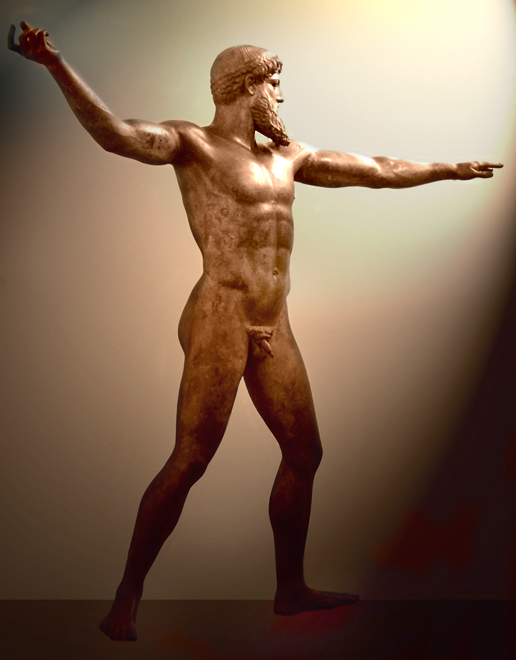
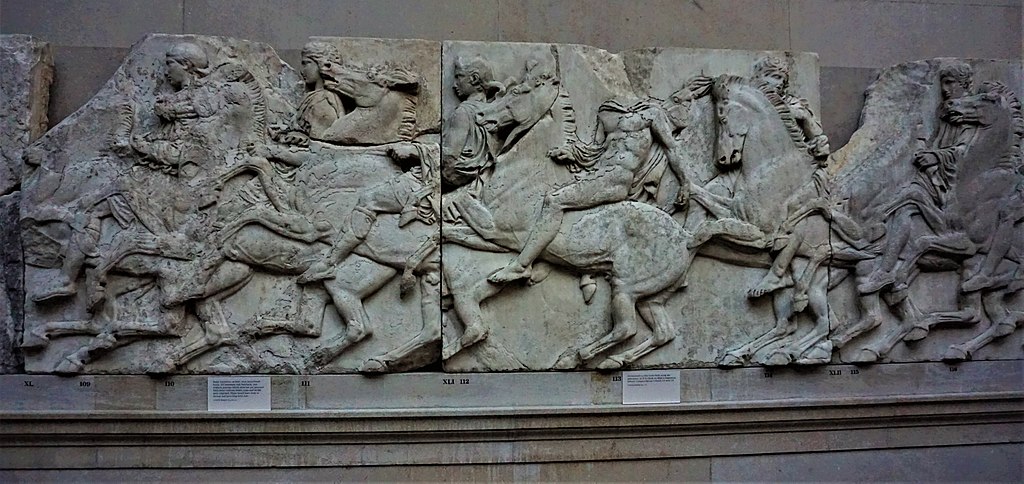
Artists increasingly depicted real individuals rather than abstract or mythological figures, although the concept of portraiture had not yet fully evolved into its realistic form. The period also witnessed a surge in the use of sculptures as architectural embellishments, particularly in the adornment of temples. Iconic structures like the Parthenon in Athens and the Temple of Zeus at Olympia featured relief sculptures gracing their friezes and statues in the round adorning their pediments, showcasing the fusion of artistic expression with architectural grandeur.
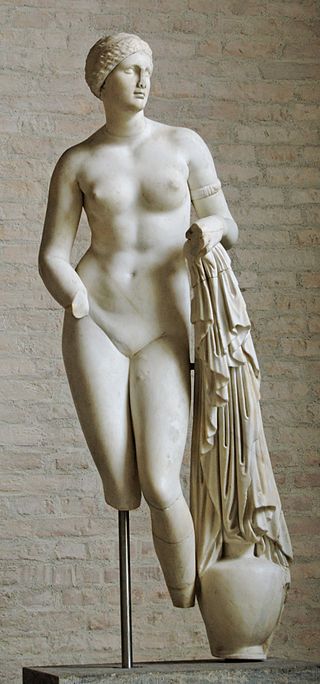
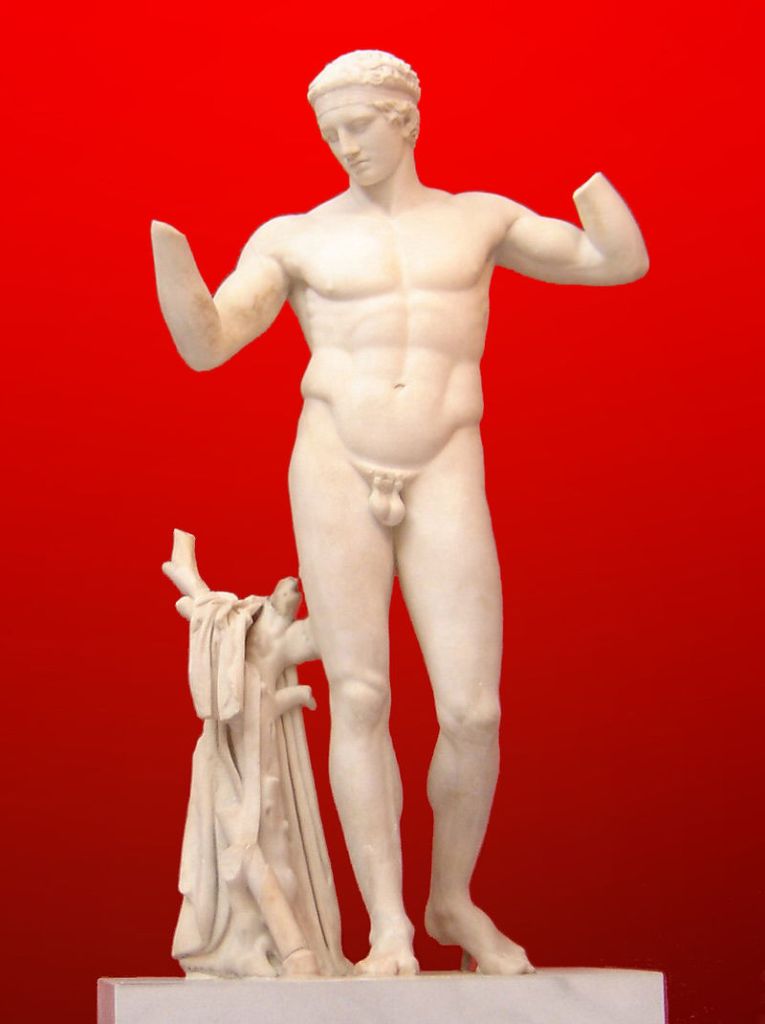
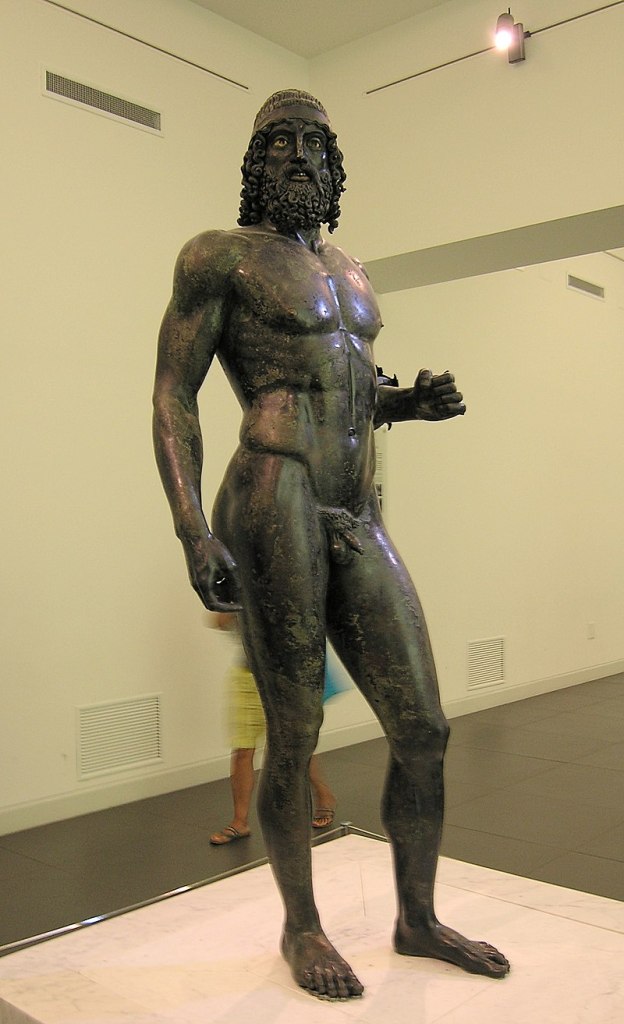
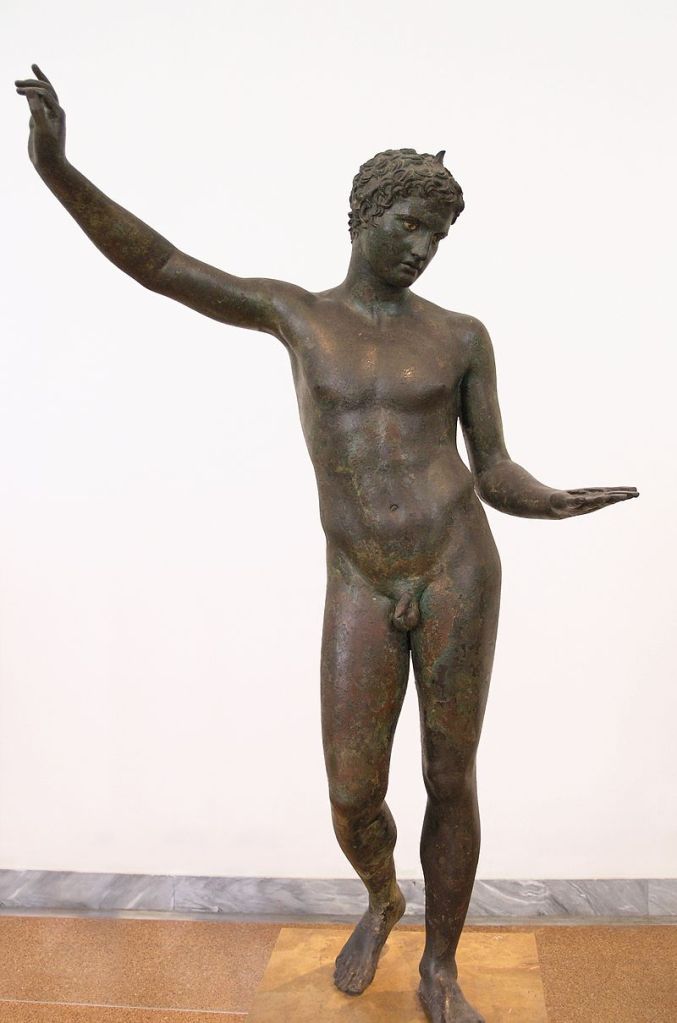
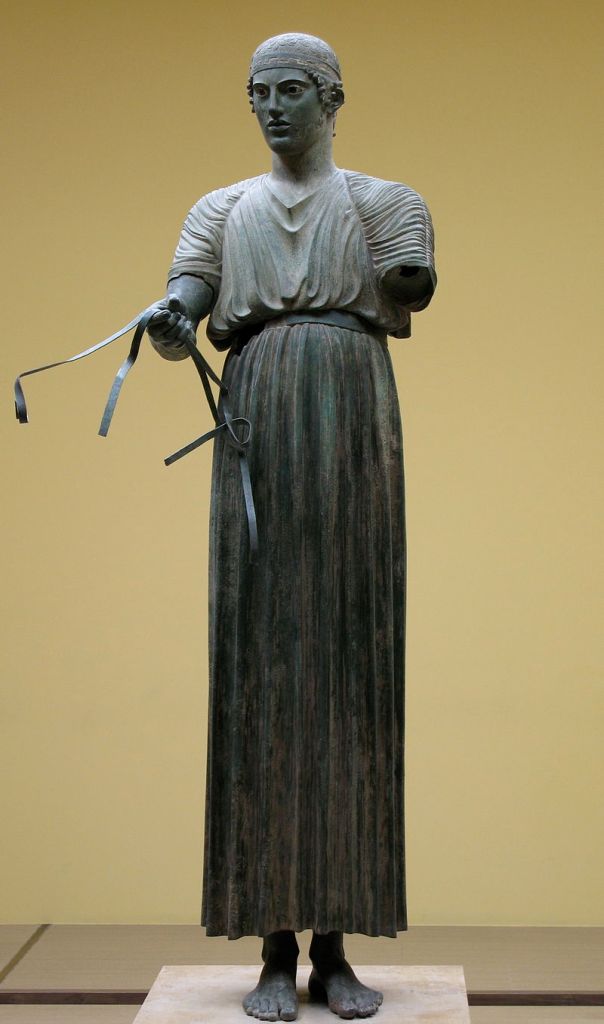
2. Venus Braschi by Praxiteles, Munich Glyptothek.
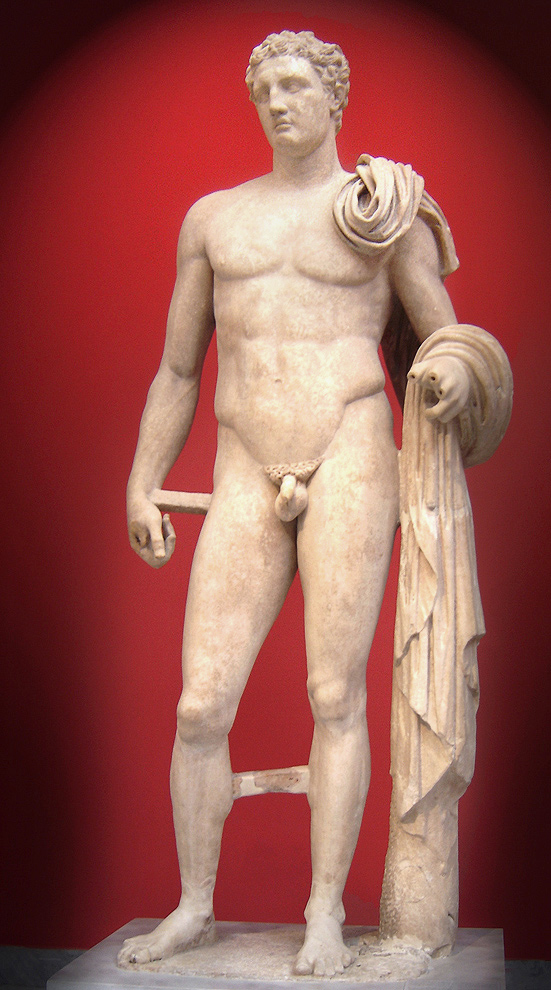
3. Copy of Polyclitus’ Diadumenos, Athens National Archaeological Museum. (c) Tetraktys
4. Riace Bronzes, Statue A. National Museum of Magna Graecia, Calabria. (c) Luca Galli
5. The Marathon Youth, 4th c. BC, possibly by Praxiteles, Athens National Archaeological Museum. (c) Jastrow
6. The Charioteer of Delphi, c. 478-74 BC. Delphi Museum. (c) RaminusFalcon
7. Parthenon frieze. British Museum. (c) joyofmuseums.com
Hellenistic
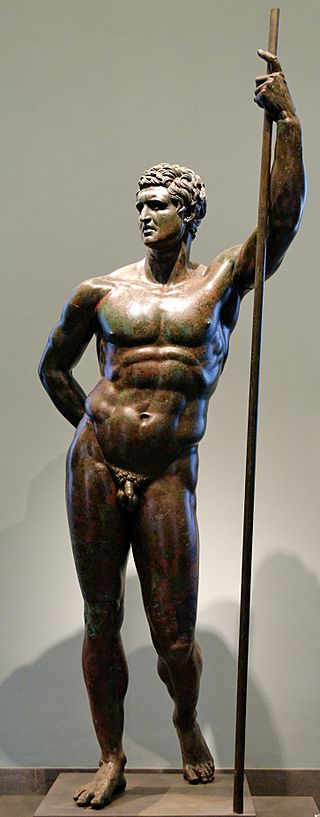
Ancient Greek art evolved into a rich tapestry of influences, fueled by interactions with diverse cultures brought into the Greek sphere, thanks to the conquests of Alexander the Great.

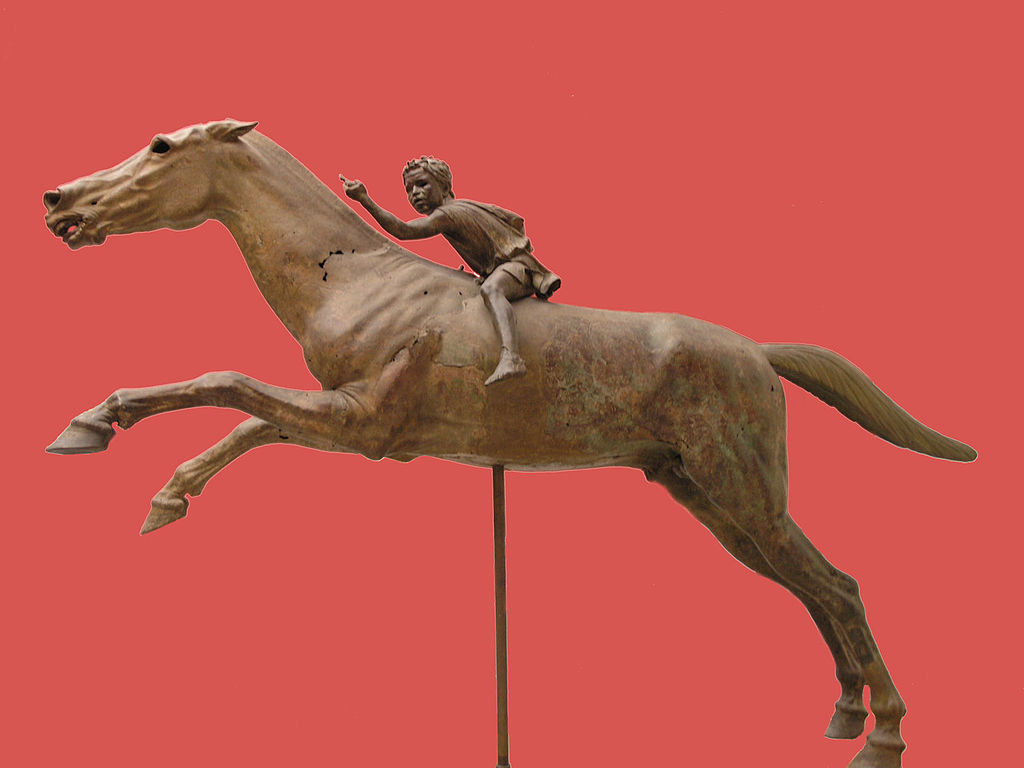
This era witnessed a notable resurgence in naturalistic sculpture, marked by a broader range of acceptable subjects including common people, women, children, animals, and everyday domestic scenes. Wealthy patrons commissioned sculptures to embellish their homes and gardens, resulting in lifelike depictions of individuals spanning various ages and walks of life. Sculptors broke free from the convention of portraying idealized forms of beauty or physical perfection, embracing a more nuanced and realistic approach to their craft.

 Digital Maps of the Ancient World