Maya Art
The Maya civilization, flourishing in Mesoamerica for over 1500 years, left behind a rich artistic legacy. Their art forms were deeply intertwined with their religion, rulership, and cultural identity.
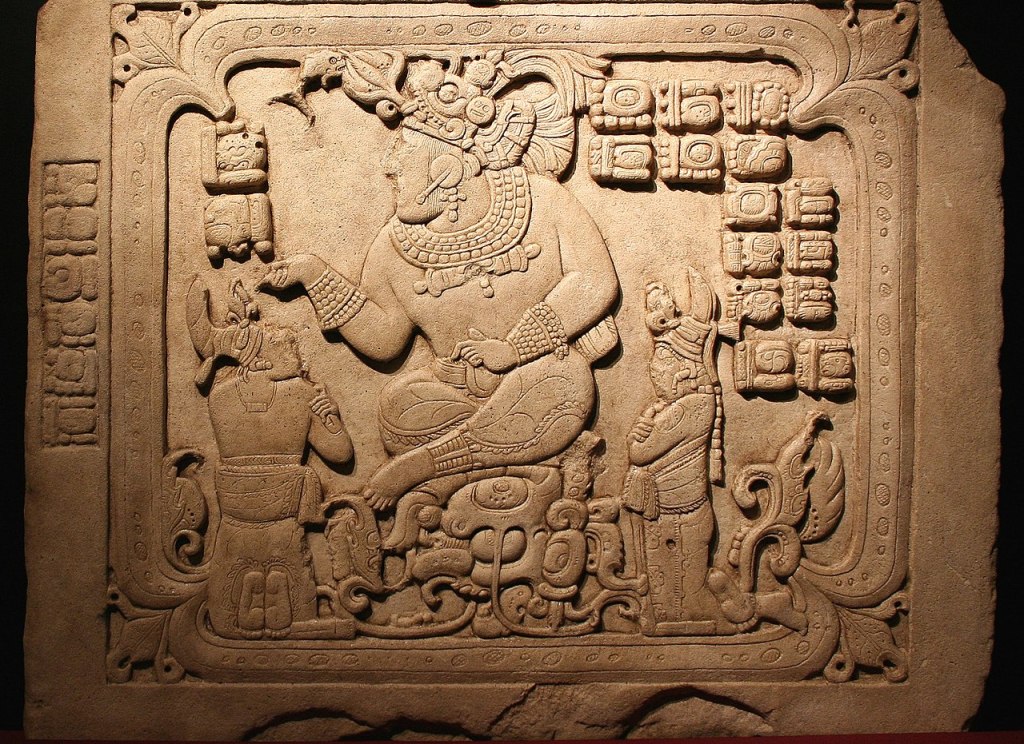
Maya art evolved through various periods. The Preclassic period (c. 750-100 BC) saw the rise of monumental architecture and the beginnings of their complex writing system. The Classic period (c. 250-950 AD) witnessed the peak of Maya artistic expression, with highly refined sculptures, detailed paintings, and elaborate ceramics. The Postclassic period (c. 950-1521) saw new influences from central Mexico, reflected in art from cities like Chichen Itza. While sharing common themes, Maya art also displayed regional variations. Cities like Copan and Palenque developed distinctive styles in sculpture and architecture.
Sculpture
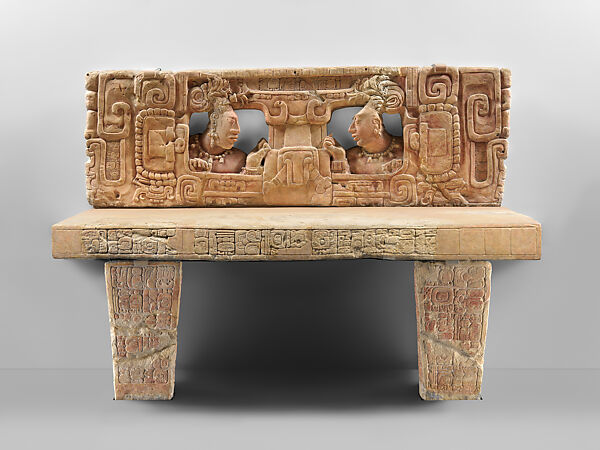
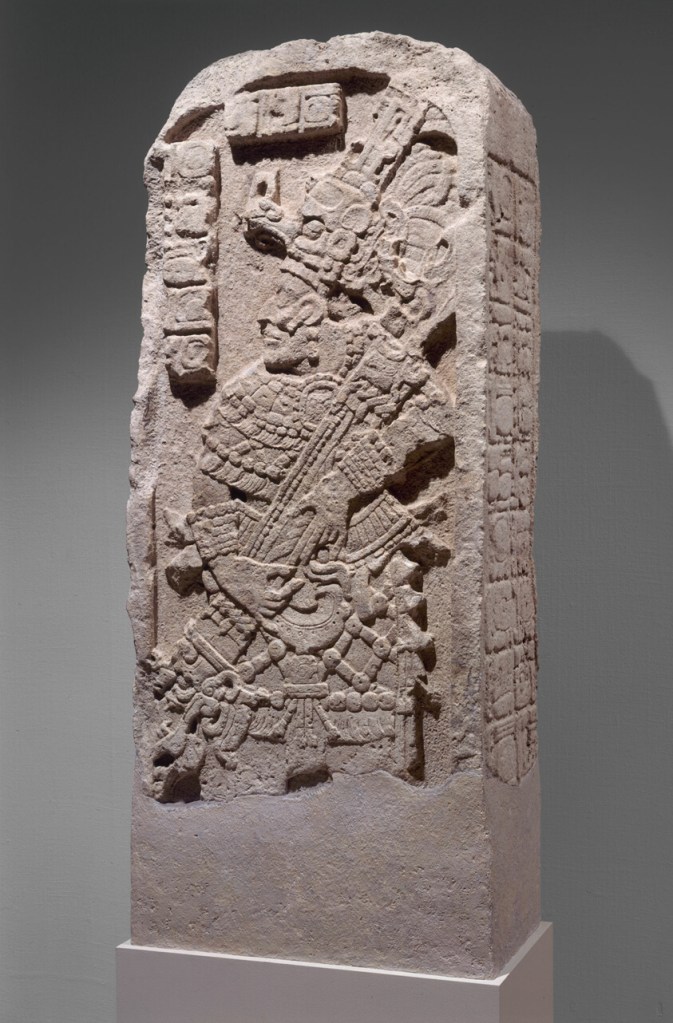
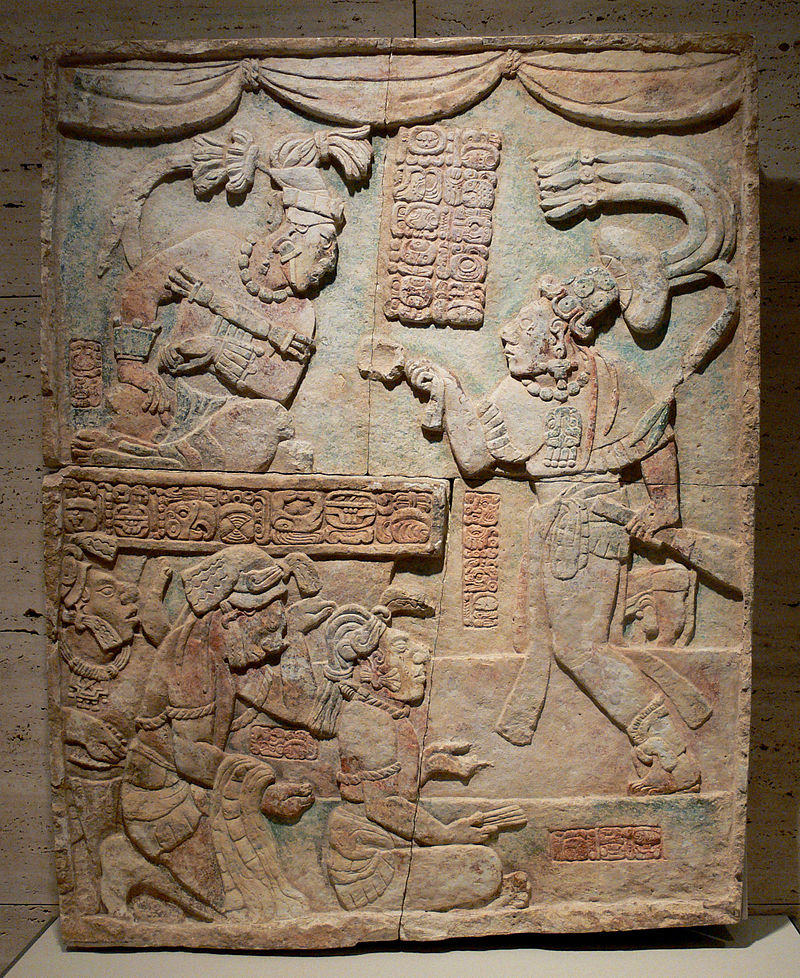
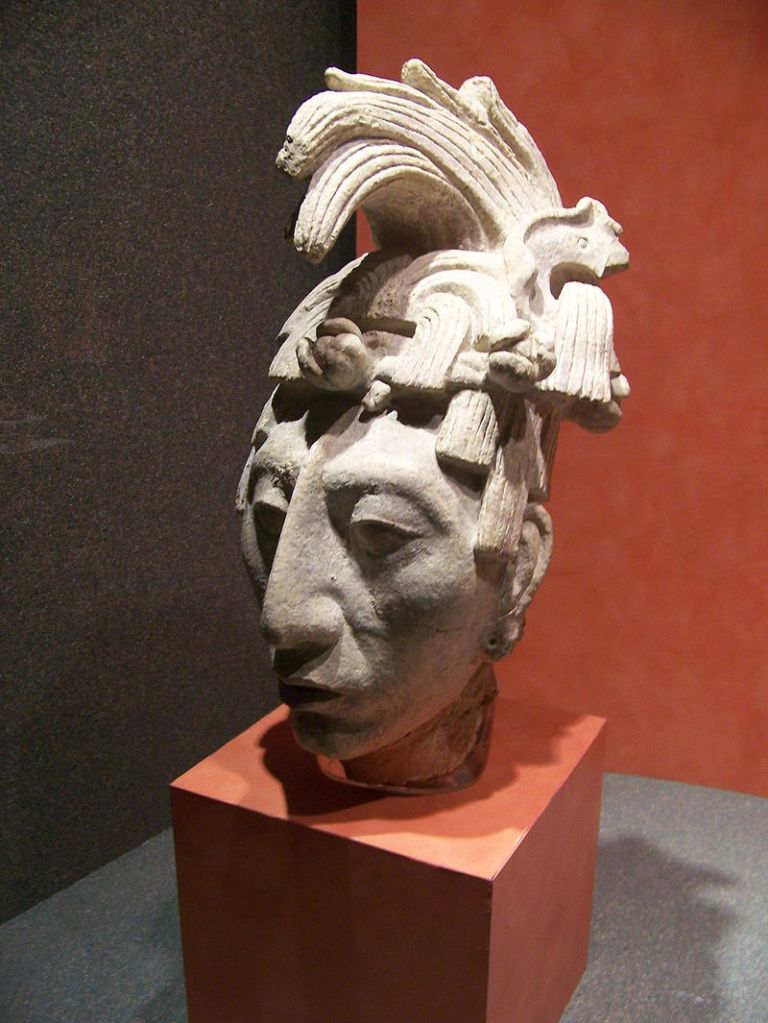
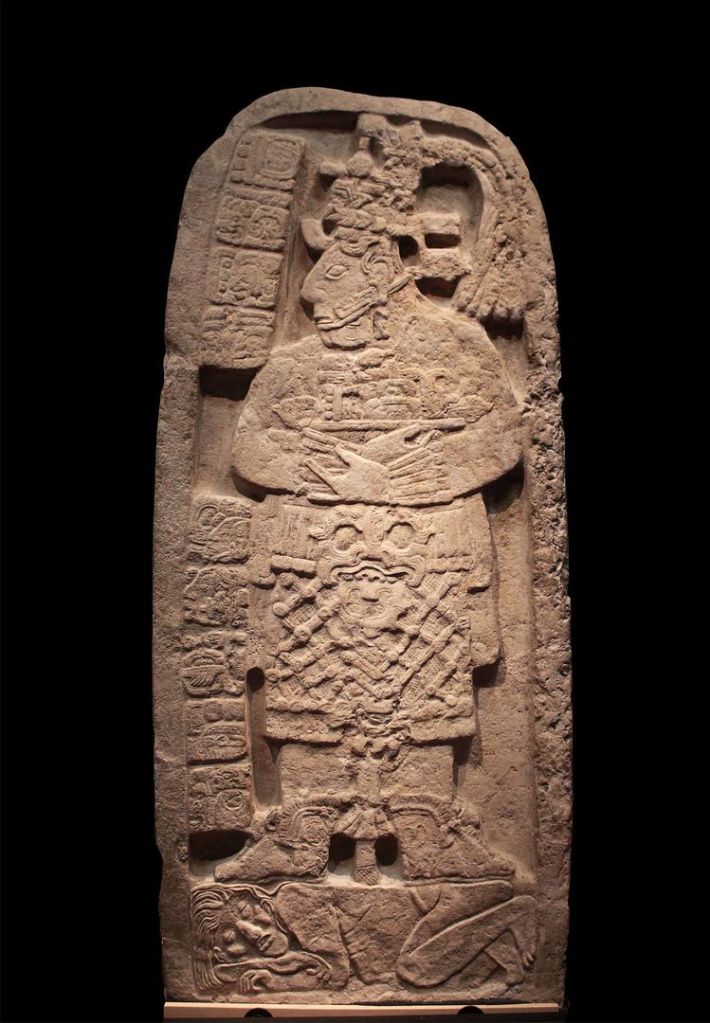
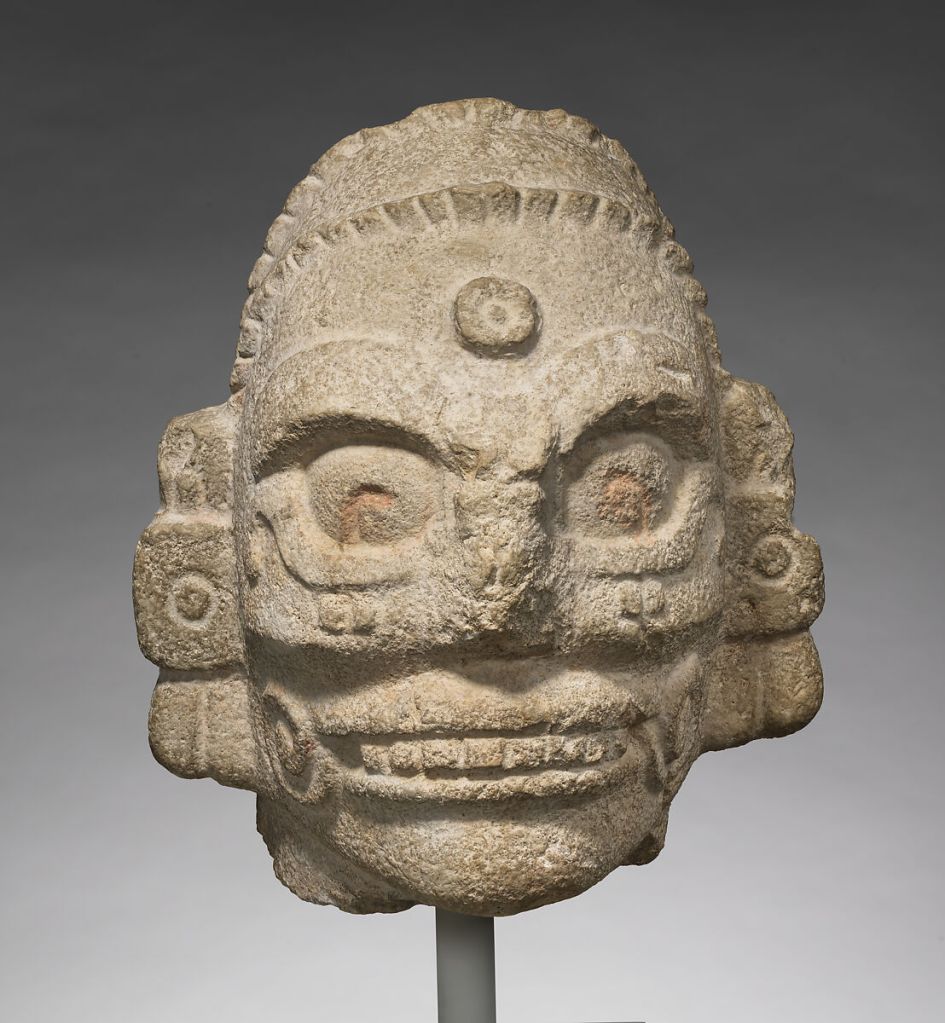
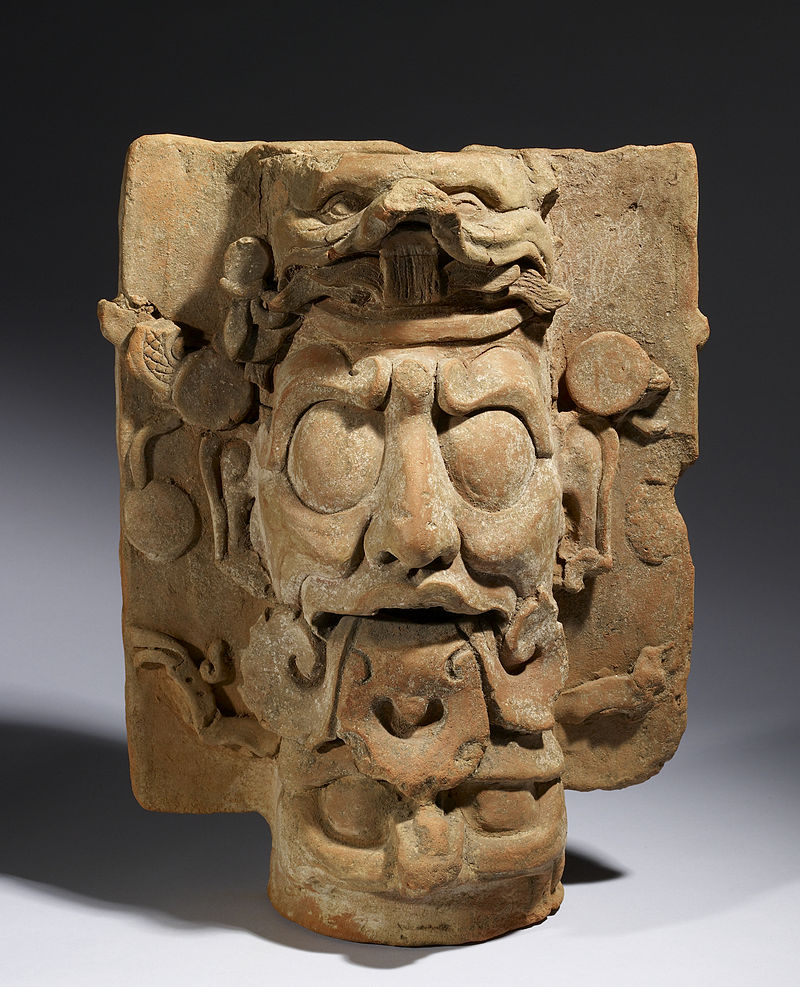
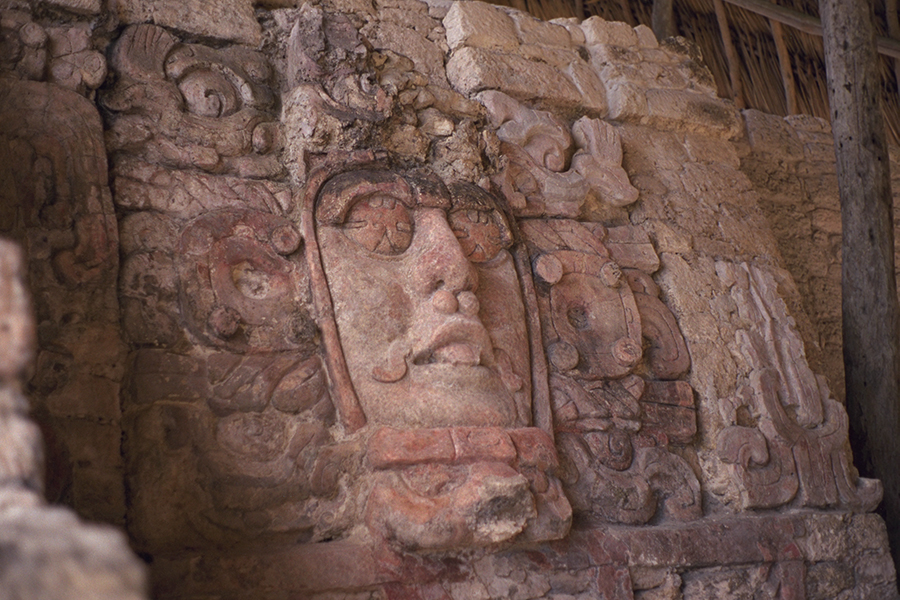
Stone carving reigned supreme in Maya art. From towering stelae, sometimes reaching over 30 feet tall, depicting elaborately dressed rulers performing rituals or conquests, to intricate bas-reliefs adorning the walls of temples and palaces showcasing religious ceremonies, courtly life, and fantastical mythological creatures, Maya sculptures were a masterful blend of naturalism and symbolism.
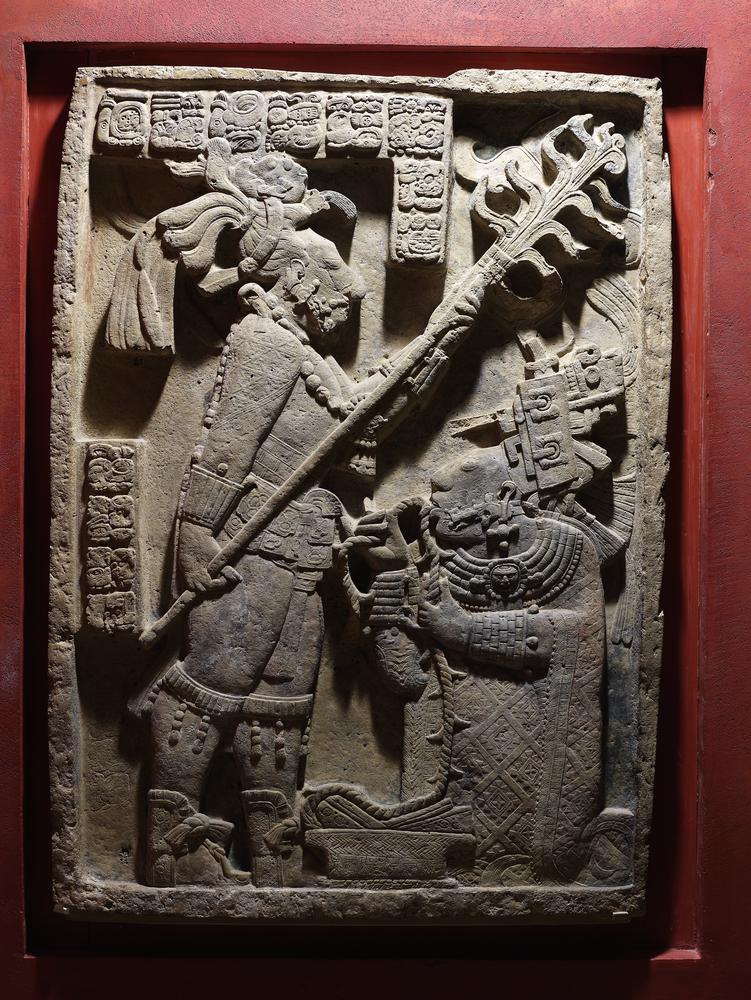
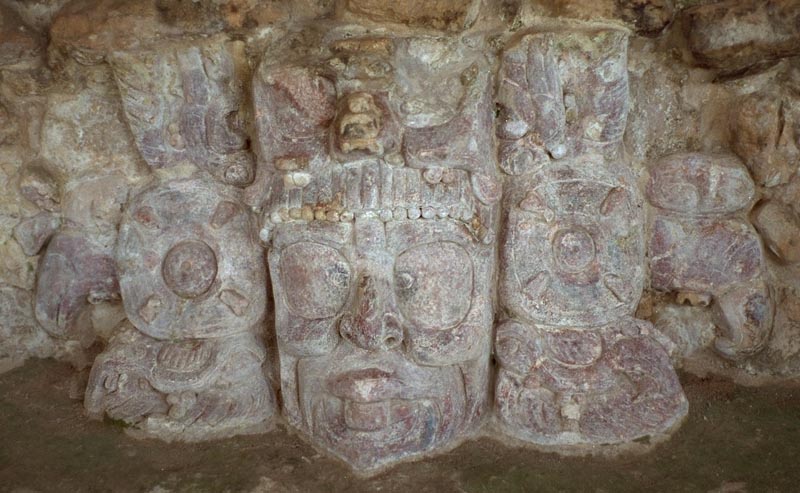
Skilled artists meticulously rendered details in clothing, jewelry, and facial expressions, while imbuing figures with symbolic elements that conveyed their status, power, or connection to the divine. Stucco, a versatile plaster, added another dimension to Maya sculpture. This material allowed for more delicate details and intricate features, and was often painted in vibrant colors.
Ceramics
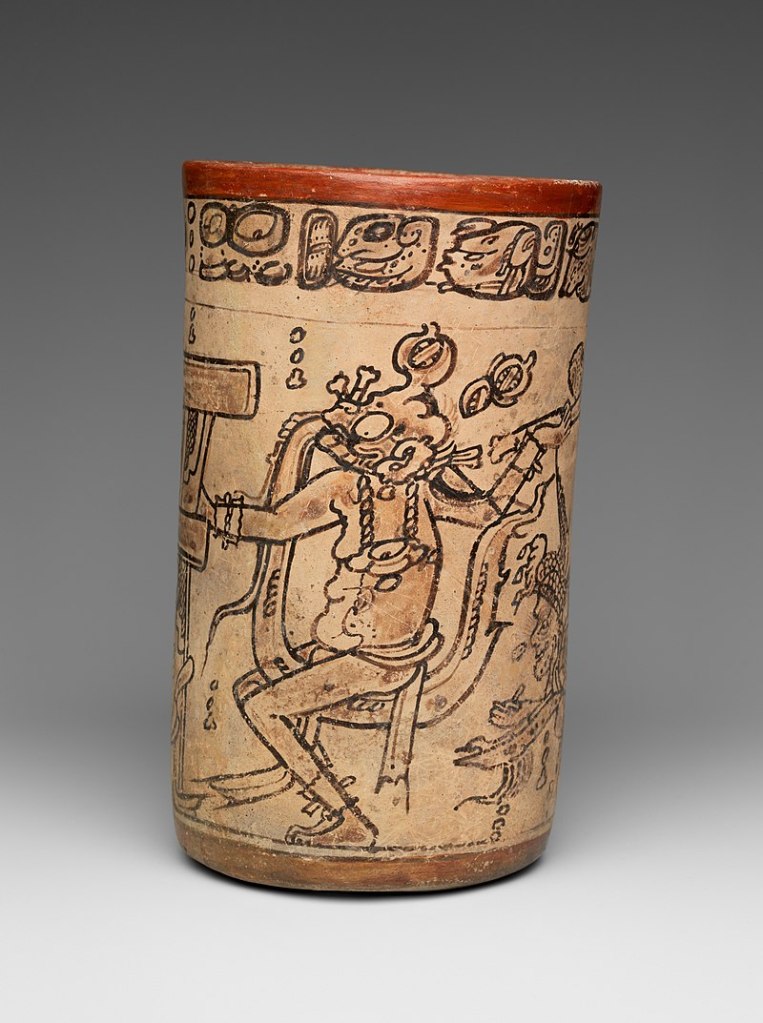
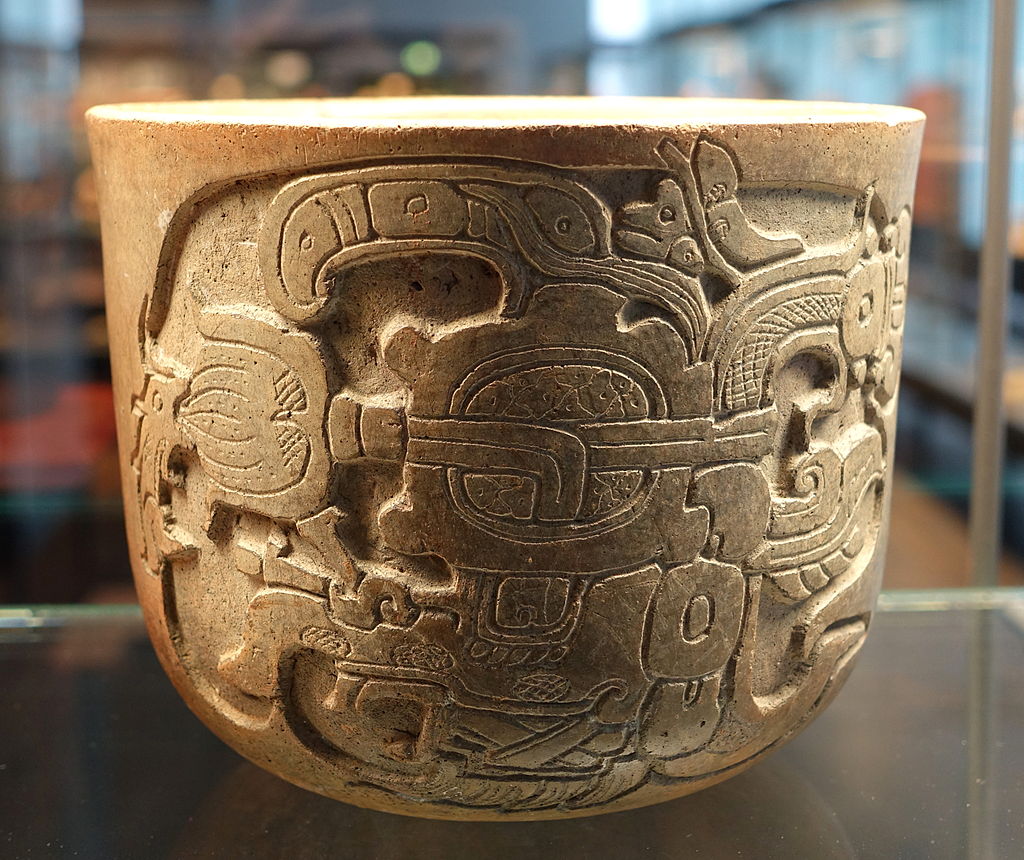
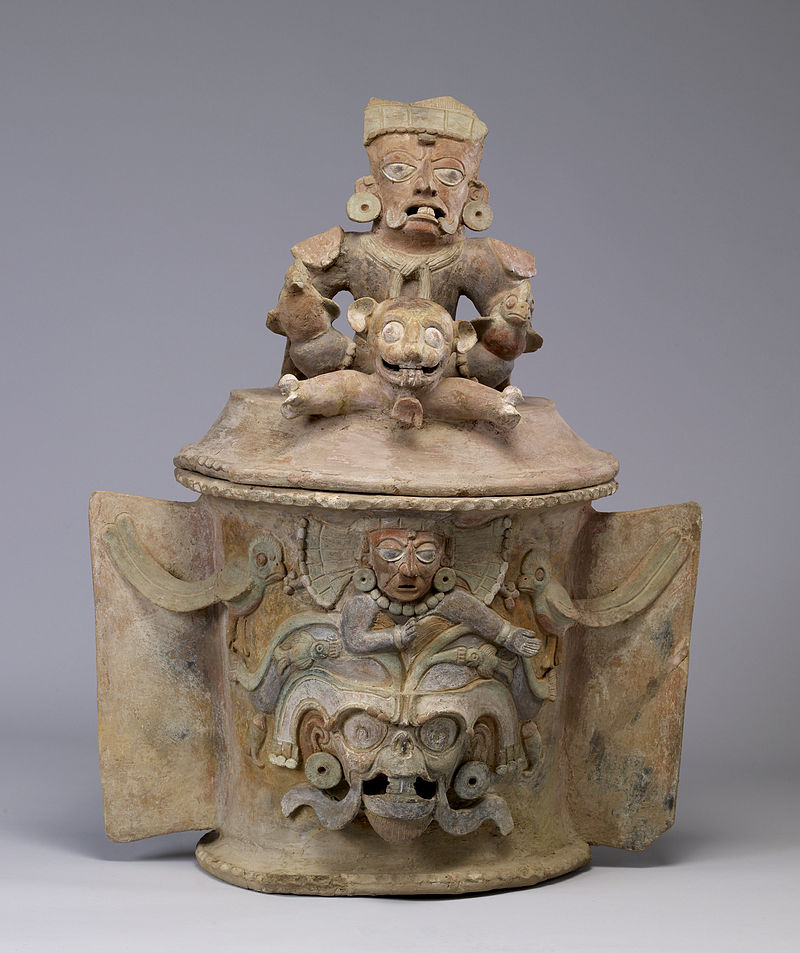
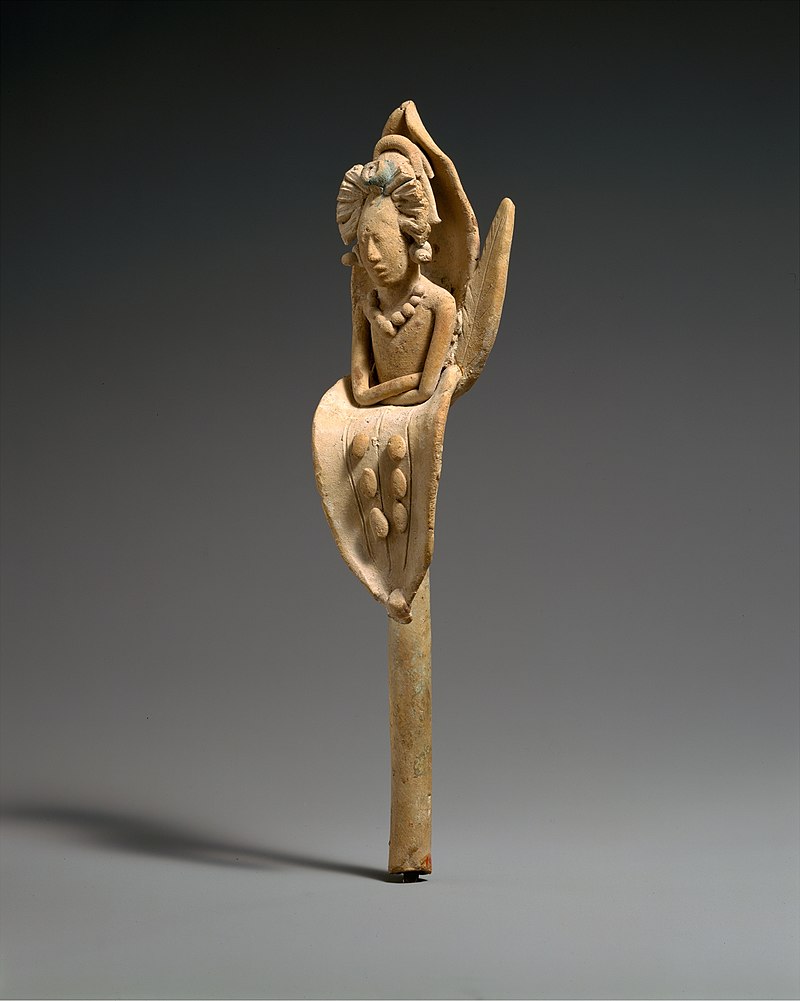
Maya pottery transcended mere utility and blossomed into a sophisticated art form. Unlike most Mesoamerican cultures, the Maya did not use a potter’s wheel. Instead, their vessels were meticulously hand-built, then transformed into canvases for a vibrant array of painted scenes.
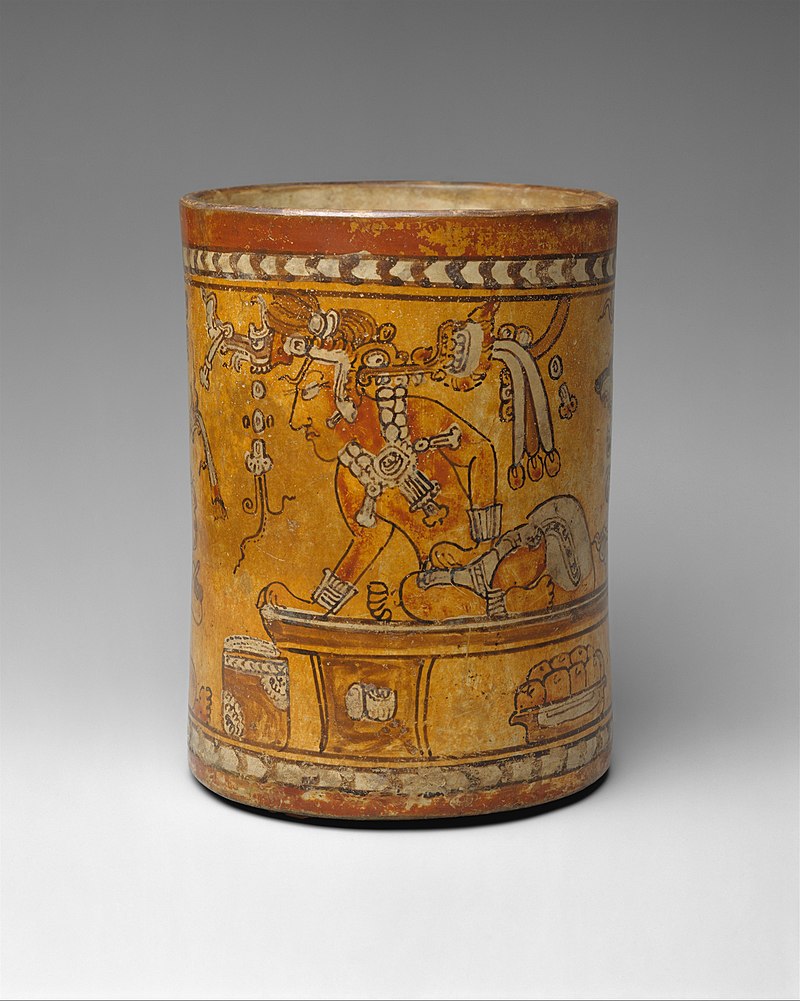
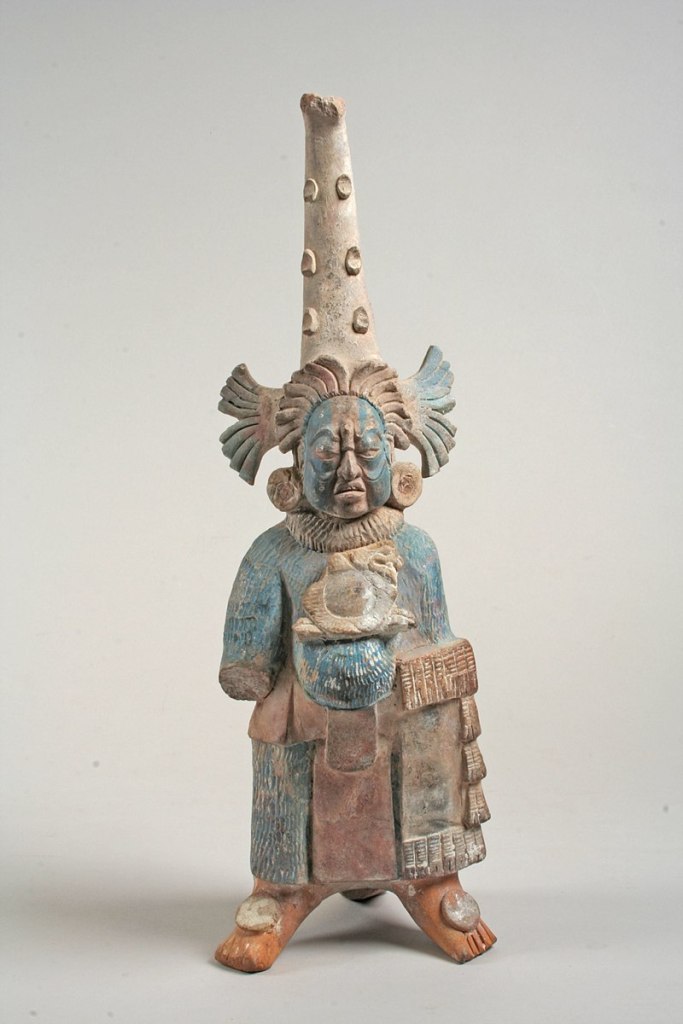
These scenes depicted elaborate rituals with costumed figures and offerings, creation myths featuring deities and fantastical creatures, and even glimpses into daily life, showcasing scenes of farming, hunting, and social gatherings. These detailed illustrations offer invaluable insights into Maya society, religious beliefs, and daily life. Maya artisans also created figurines of people and deities from clay. These figurines could be simple or highly detailed, often serving as offerings placed in burials or temples. Studying these figurines helps us understand Maya clothing styles, hairstyles, and even body ornamentation, providing a fascinating glimpse into their material culture.
Painting
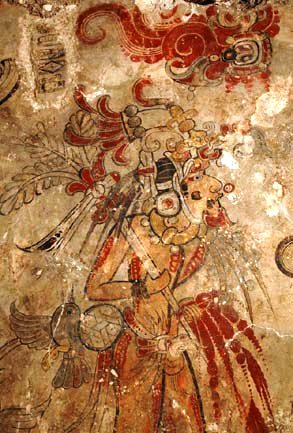
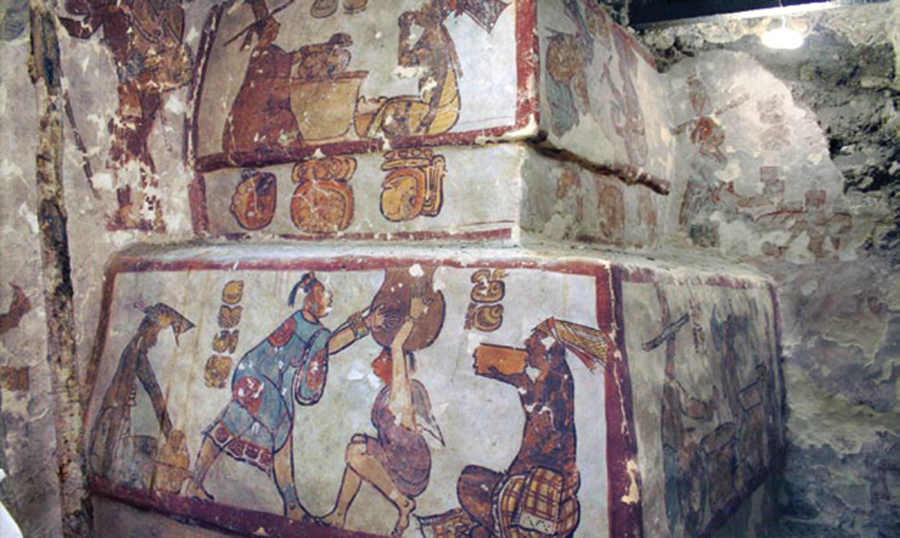
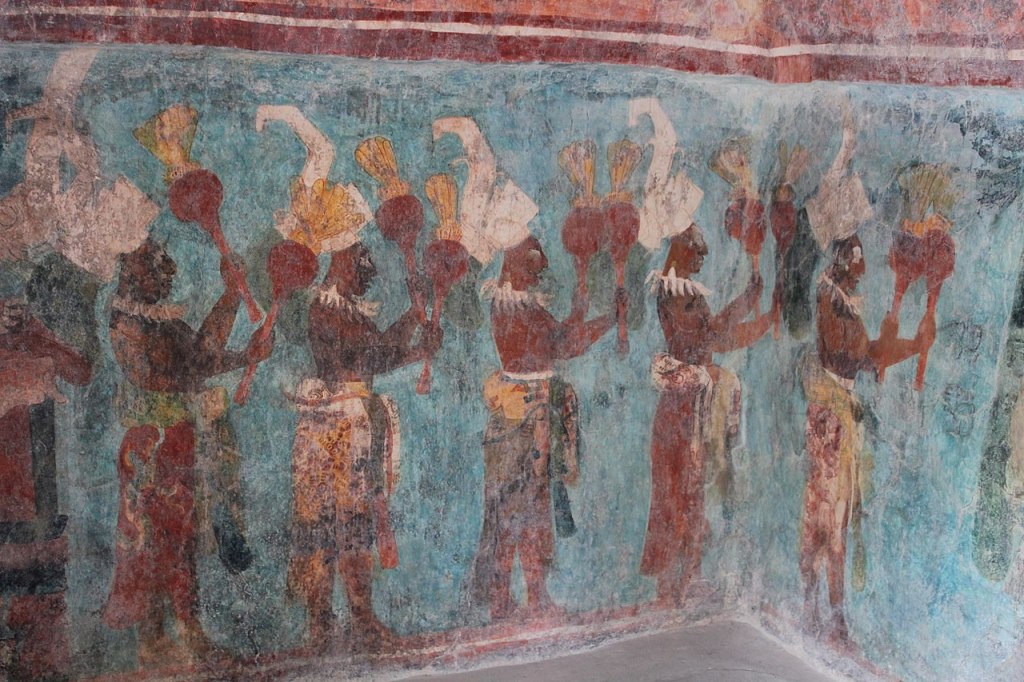
Vibrant murals were once a hallmark of Maya architecture, adorning the walls of palaces, temples, and royal tombs. These paintings depicted a variety of subjects, including elaborate rituals with costumed priests and offerings, battles fought by rulers in elaborate regalia, and scenes from the Popol Vuh, the Maya creation story, featuring deities and fantastical creatures emerging from the primordial seas.
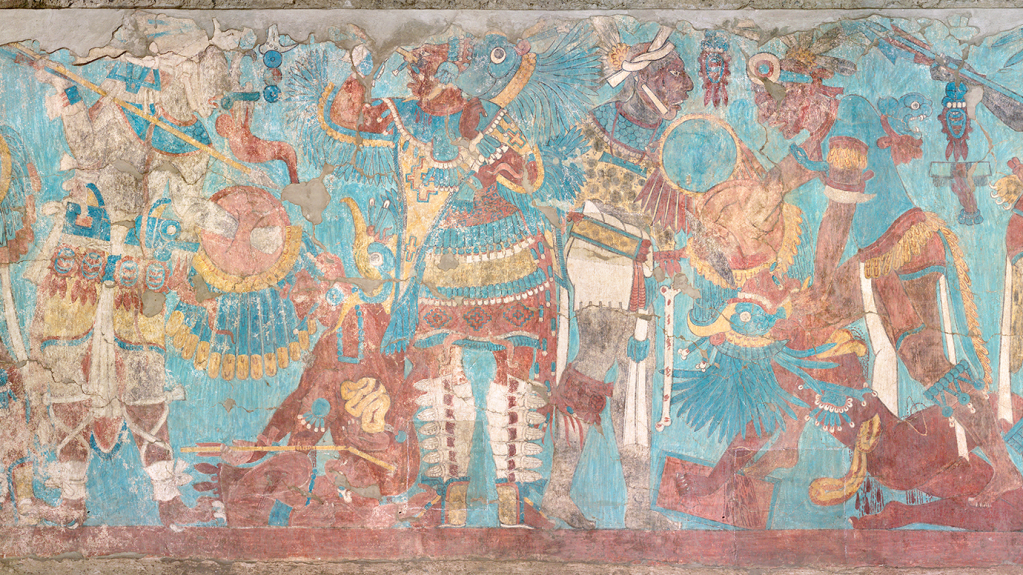
The vibrant colors and detailed figures would have created a visually stunning experience for the Maya, immersing them in the stories and myths depicted on the walls. Unfortunately, due to the tropical climate and the passage of time, most Maya murals have faded significantly or been damaged by the elements. However, ongoing archaeological efforts are uncovering and meticulously restoring these artworks, offering us glimpses into the once-vibrant world of Maya painting and piecing together this lost chapter of Maya artistic expression.
Architecture
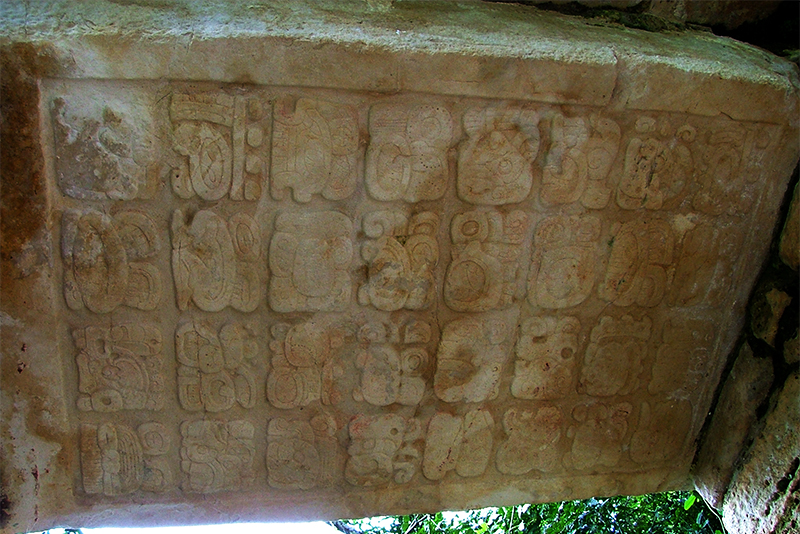
The Maya are renowned for their awe-inspiring pyramids, temples, and palaces, which were not just functional structures but also canvases for artistic expression. Towering stepped pyramids, such as the Temple of Kukulkan at Chichen Itza, served as temples and burial sites for rulers. These pyramids were often decorated with intricate carvings and hieroglyphic texts depicting deities, rulers, and mythological scenes.
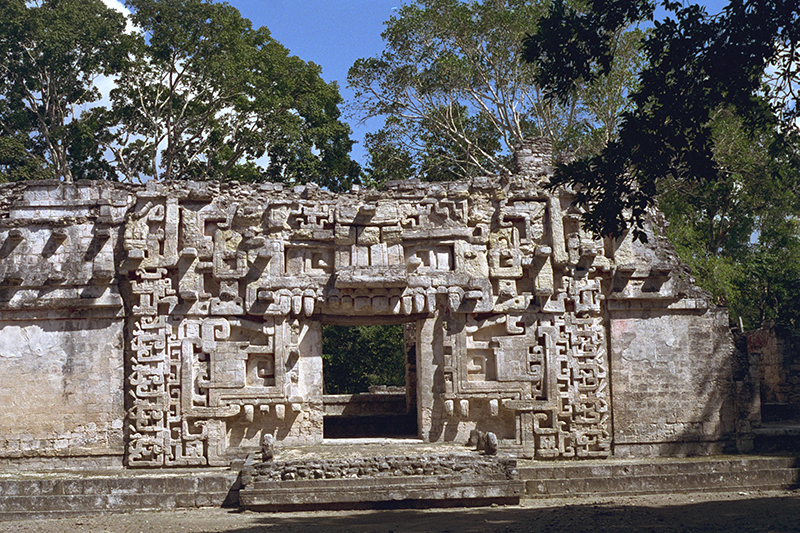
Elaborately designed temples were complexes with multiple rooms and staircases, their rooftops often featuring elaborate roof combs adorned with sculptures and stucco decorations. Rulers resided in grand palaces with courtyards, living quarters, and administrative areas. These palaces were often decorated with murals, sculptures, and hieroglyphs, showcasing the wealth, power, and achievements of the ruling elite. The Maya did not view art and architecture as separate entities. Their sculptures, masks, and hieroglyphic writing were seamlessly integrated into their buildings, creating a unified and visually stunning artistic expression that continues to inspire and amaze us today.

 Digital Maps of the Ancient World