Mycenaean Art
Mycenaean art, while sharing some similarities with Minoan art, possesses distinct characteristics reflective of the Mycenaean civilization’s cultural identity and socio-political context. Much of Mycenaean art has been unearthed in the richly furnished royal graves at Mycenae, offering valuable insights into the artistic expressions of this ancient Aegean civilization.
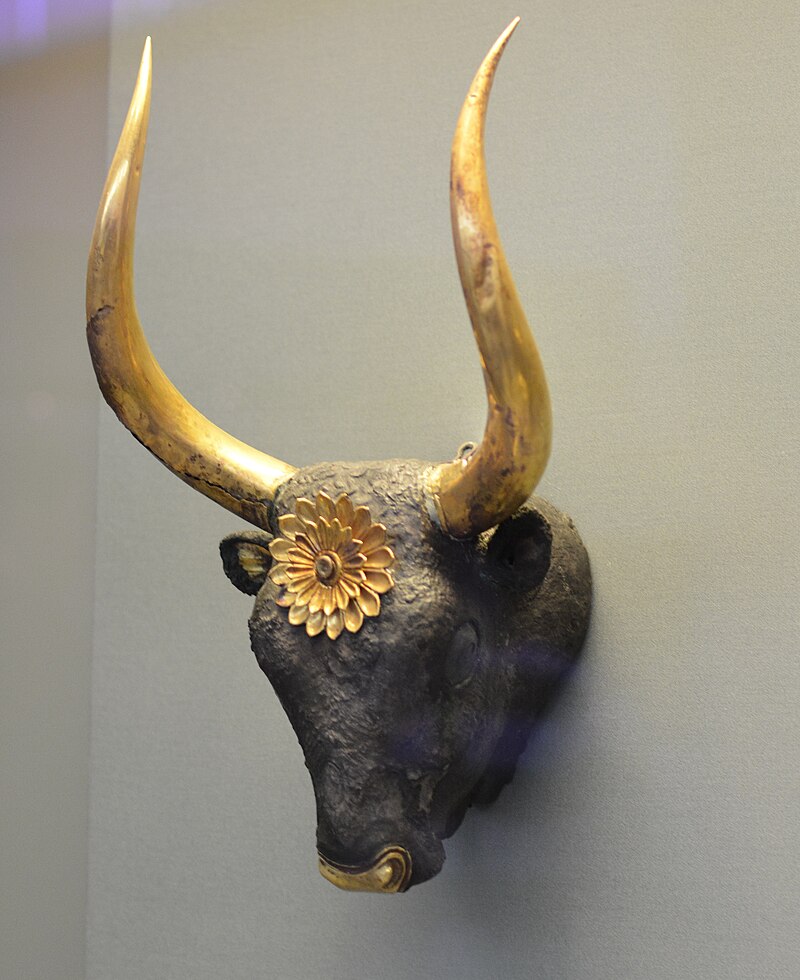
Mycenaean art often features themes of warfare, ceremonial rituals, and religious symbolism, reflecting the militaristic and hierarchical nature of Mycenaean society. Intricately crafted gold jewelry, elaborate pottery, and finely engraved seal stones are among the notable artifacts discovered, showcasing the Mycenaeans’ craftsmanship and artistic sophistication. These artifacts also serve as tangible evidence of the Mycenaeans’ engagement in trade and cultural exchange with neighboring civilizations, such as the Minoans and Egyptians, further enriching our understanding of their interconnectedness within the ancient Mediterranean world.
The Mask of Agamemnon
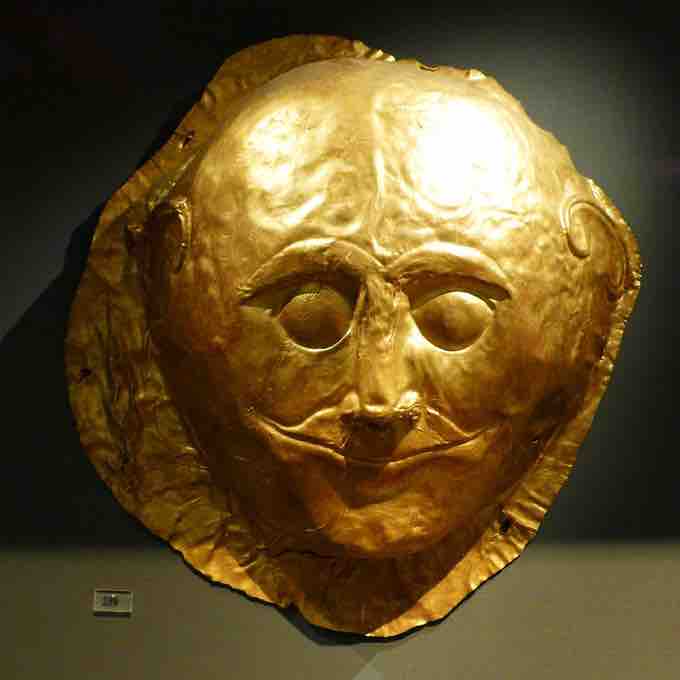
The Mask of Agamemnon, an iconic symbol of ancient Mycenaean artistry, is a gold funeral mask unearthed at the archaeological site of Mycenae. Heinrich Schliemann, the German archaeologist credited with its discovery in 1876, initially believed the mask to belong to Agamemnon, the legendary king and hero of Homer’s epic tale, the Iliad.

However, subsequent archaeological analysis has revealed that the mask dates back to c. 1600 BC, predating the traditional period associated with the Trojan War by approximately four centuries. Despite this chronological disparity, the Mask of Agamemnon remains a remarkable testament to the artistic achievements and cultural richness of the Mycenaean civilization, offering a glimpse into their sophisticated funerary practices and symbolic representations of power and prestige.
Pottery
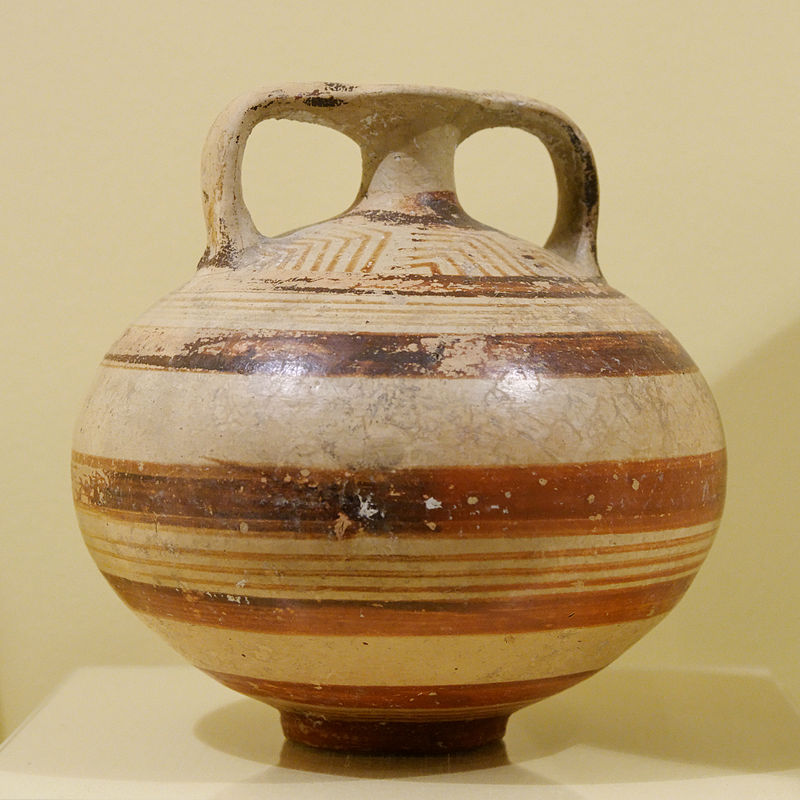
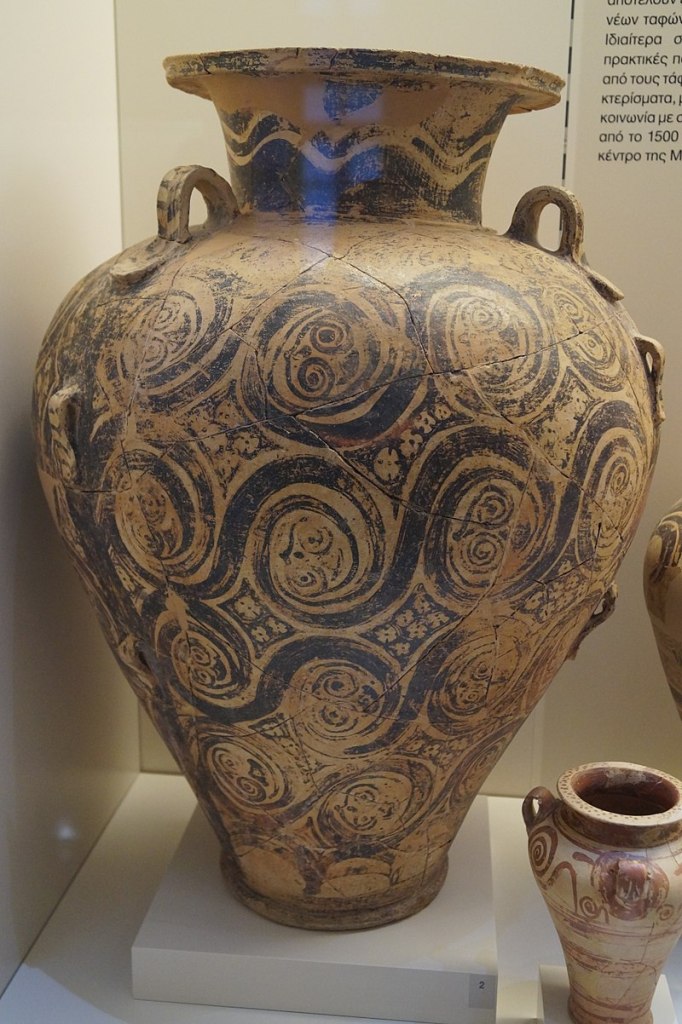
Mycenaean pottery, while sharing some stylistic similarities with Minoan pottery, displayed distinct characteristics reflective of the Mycenaean cultural identity. Unlike the intricately detailed motifs and vibrant colors often found in Minoan ceramics, Mycenaean pottery tended to feature simpler decoration and a more subdued color palette.

However, what Mycenaean pottery may have lacked in finesse, it made up for in robustness and functionality. Mycenaean potters favored sturdy forms designed for practical use, such as large storage jars known as “pithoi,” which were essential for storing grains, oils, and other commodities vital to Mycenaean society. Despite the differences in artistic style, Mycenaean pottery played a crucial role in both domestic and ceremonial contexts, serving as vessels for daily activities and as offerings in religious rituals and funerary practices.

Frescoes
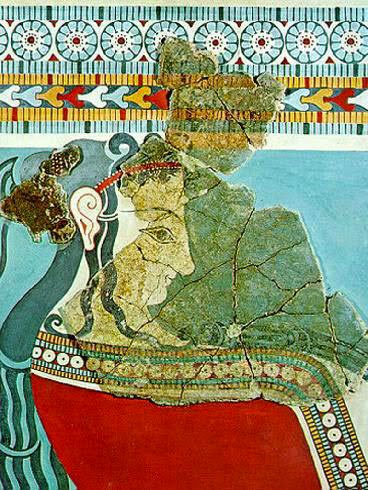
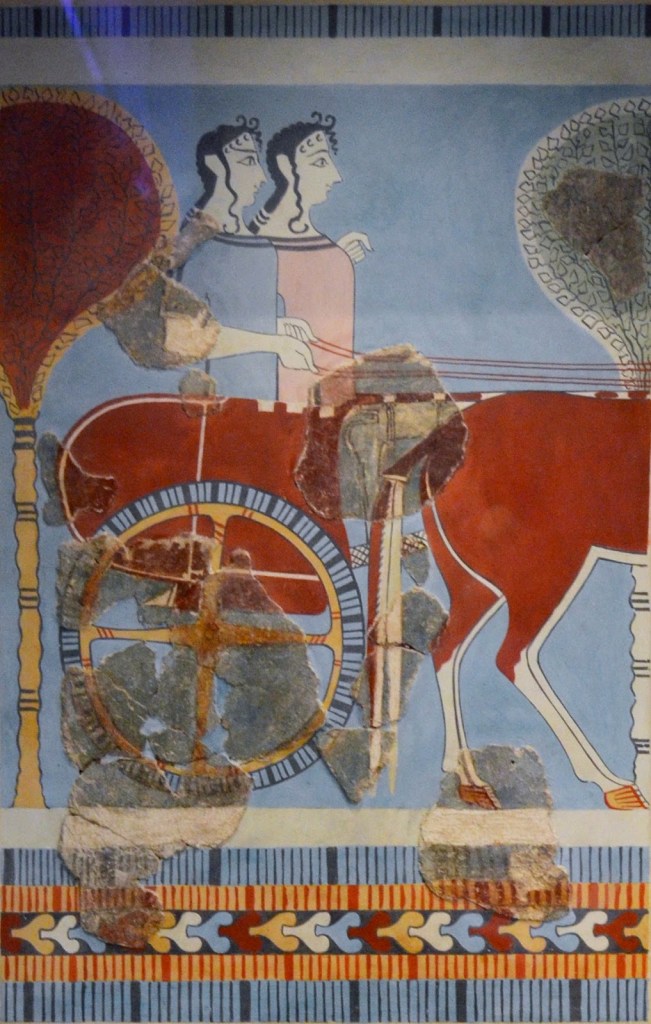
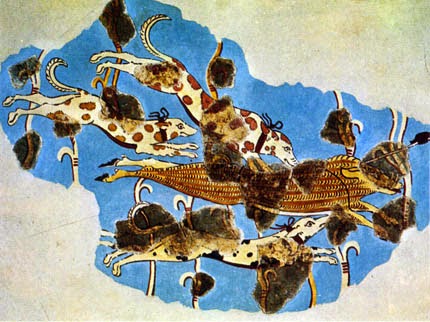
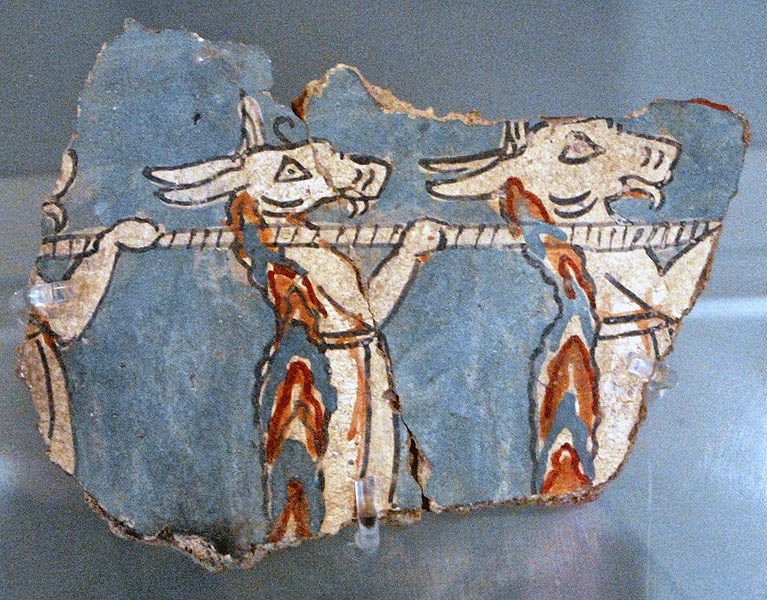
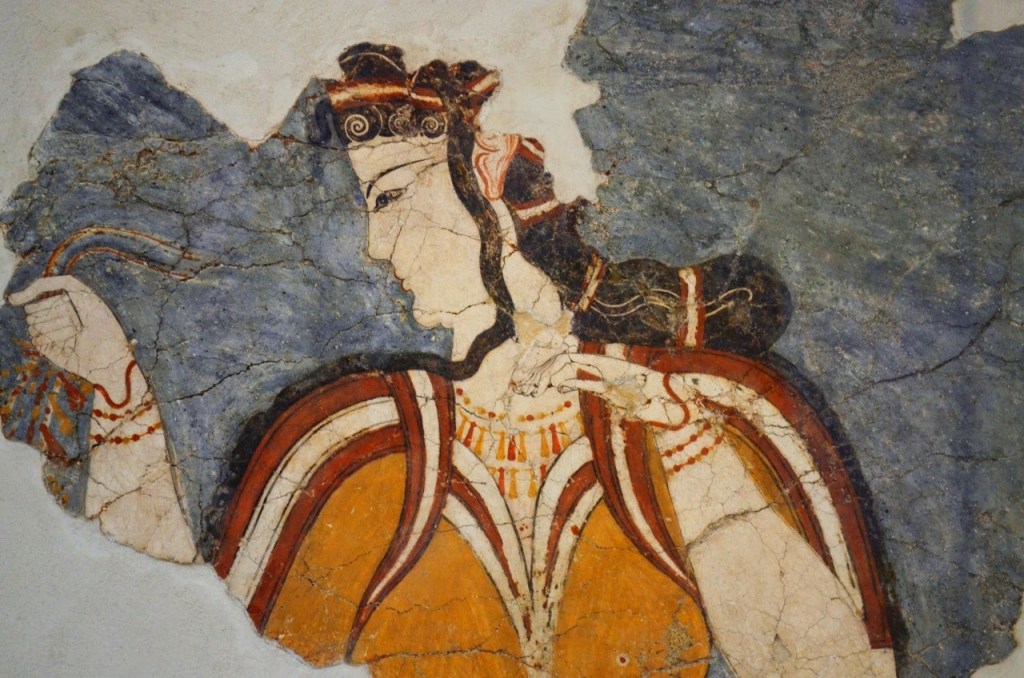
Mycenaean frescoes, influenced by the artistic achievements of the Minoans, adorned the walls of palaces and other important structures in Mycenaean centers like Mycenae, Pylos, and Tiryns. Although these frescoes were executed in a manner reminiscent of Minoan wall paintings, showcasing vibrant colors and elaborate compositions, only fragmented remnants have survived the ravages of time.
Despite the loss of many complete examples, these fragments provide valuable glimpses into the artistic prowess and cultural milieu of the Mycenaean civilization. Themes depicted in Mycenaean frescoes often included scenes of religious rituals, mythical narratives, and daily life, offering insights into the beliefs, customs, and social practices of Mycenaean society. While the exact meanings and contexts of these frescoes remain subjects of scholarly debate, their discovery and study contribute significantly to our understanding of the visual culture and aesthetic preferences of the Mycenaean world. Moreover, the similarities between Mycenaean and Minoan frescoes underscore the interconnectedness of these two civilizations and the exchange of artistic ideas and techniques across the Aegean during the Late Bronze Age.

2. The Lyre Player fresco from the Palace of Nestor, Pylos, 1400-1200 BC.
3. A fresco of female figures in a chariot accompanying the boar hunt, Tiryns, 1400-1300 BC.
4. Fresco of dogs chasing a boar during a hunt, Tiryns, 1400-1300 BC.
5. Daemons in procession, Mycenae.
6. A fresco of a Mycenaean woman, 1400-1200 BC.
All (c) Antiquated Antiquarian
Sculpture
The artistic expression of the Mycenaeans, while not characterized by large-scale sculptures, is evidenced through the creation of clay figurines discovered at various archaeological sites across the Mycenaean world. Dating back to the period of c. 1400-1200 BC, these figurines exhibit a remarkable uniformity in design and execution. Characterized by highly stylized features, these figures often veer towards abstraction, rendering them almost unrecognizable as human forms.

Predominantly depicting female figures in a standing posture, these figurines are believed to symbolize a nature goddess or fertility deity, reflecting the Mycenaean reverence for natural forces and their role in sustaining life. Despite their diminutive size and stylized appearance, these clay figurines offer valuable insights into Mycenaean religious beliefs, social practices, and artistic conventions, shedding light on the spiritual and cultural landscape of this ancient civilization.
Metalwork
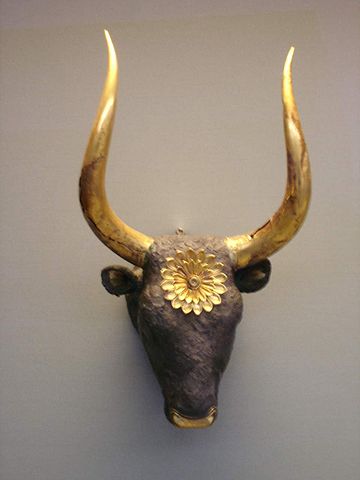
The Mycenaeans demonstrated remarkable skill and creativity in the realm of metalwork, employing a diverse range of materials including gold, glass, faience, precious and semi-precious stones, and even amber. This expertise was evident in the creation of an array of exquisite artifacts, ranging from intricately crafted necklaces and pendants to ornate death masks, daggers, and ceremonial drinking cups.
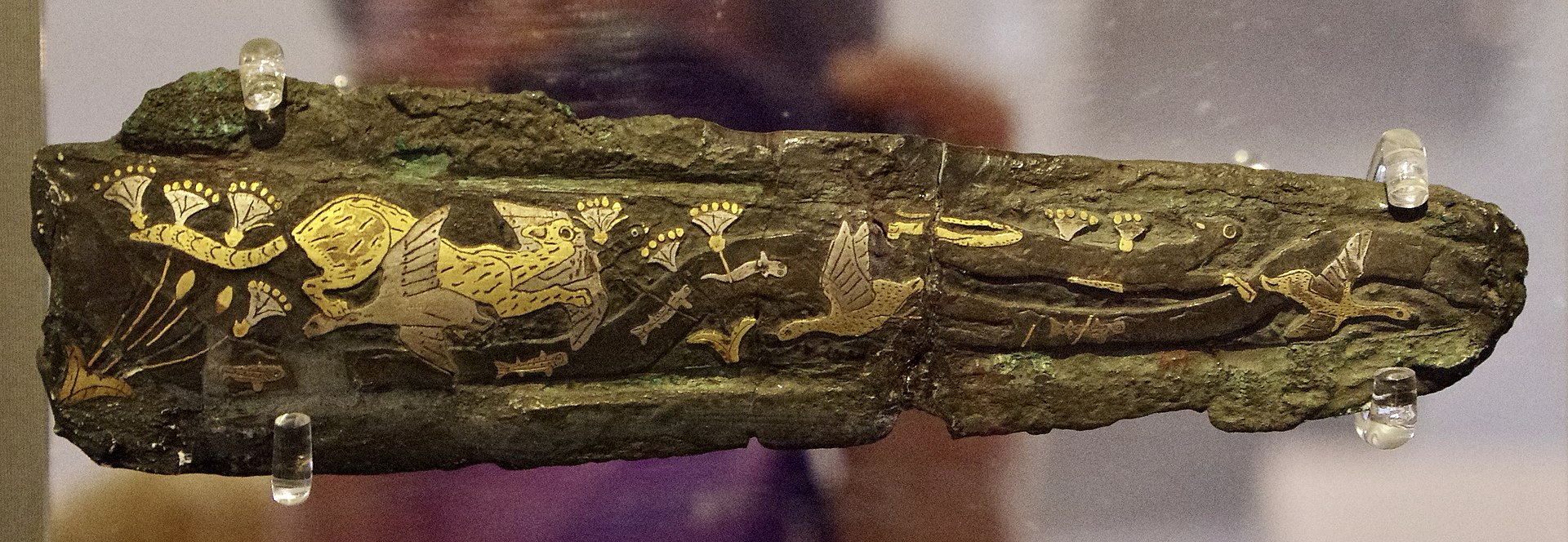
The craftsmanship displayed in Mycenaean metalwork reflects not only technical proficiency but also artistic sophistication, with artisans often incorporating intricate designs and symbolic motifs into their creations. These masterpieces of metalwork not only served practical purposes but also held significant cultural and symbolic value, symbolizing wealth, status, and religious devotion within Mycenaean society. Through their extraordinary metalworking skills, the Mycenaeans left behind a legacy of stunning artifacts that continue to captivate and inspire admiration to this day, offering invaluable insights into the artistic and cultural achievements of this ancient civilization.
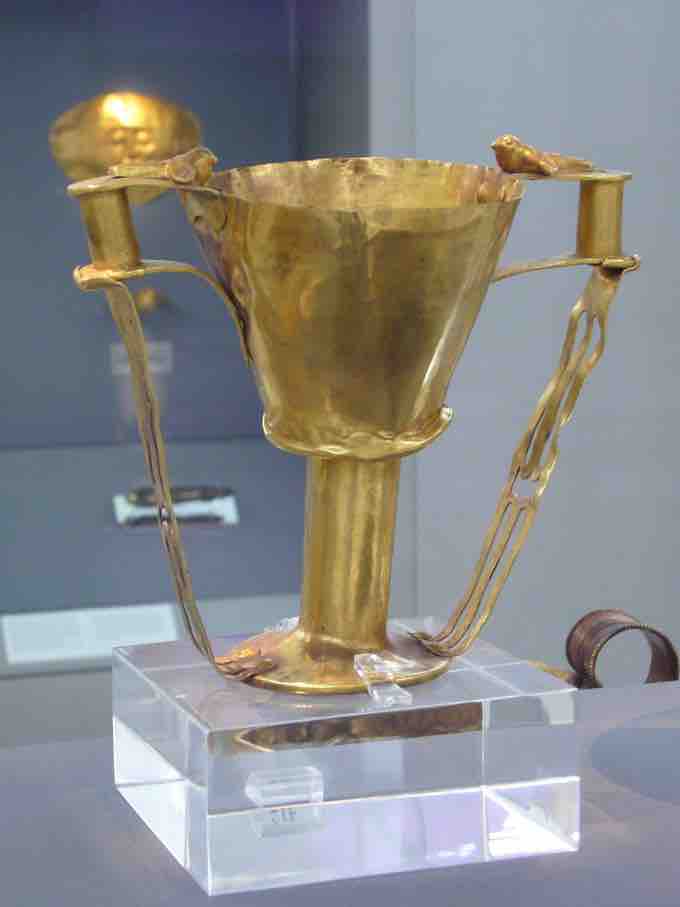

2. The Cup of Nestor, c. 1600-1500 BC, Mycenae.
3. Rhyton in the form of a bull’s head, c. 1600-1500 BC, Mycenae.
4. Gold diadem, c. 1600-1500, Mycenae.
All (c) Boundless.com

