Roman Jewelry
Roman jewelry represents a fascinating fusion of artistic expression and social symbolism, reflecting the tastes and values of ancient Roman society. In contrast to the Greek emphasis on metalwork, Roman jewelry showcased a penchant for vibrant colored gemstones and glass, demonstrating a keen appreciation for ornate and intricate designs.
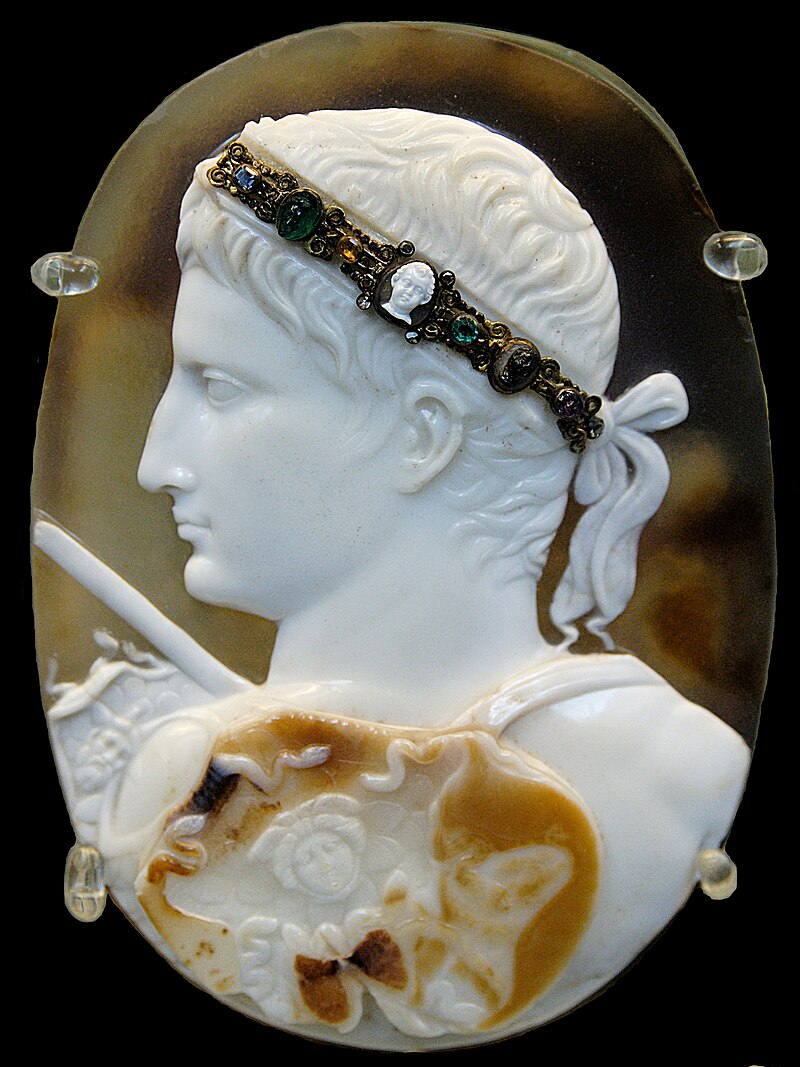
Across different genders and social strata, Romans adorned themselves with various types of jewelry, each carrying its own significance and connotations. From elaborate necklaces and earrings to intricately carved rings and bracelets, jewelry served not only as embellishments but also as potent symbols of status, wealth, and identity.
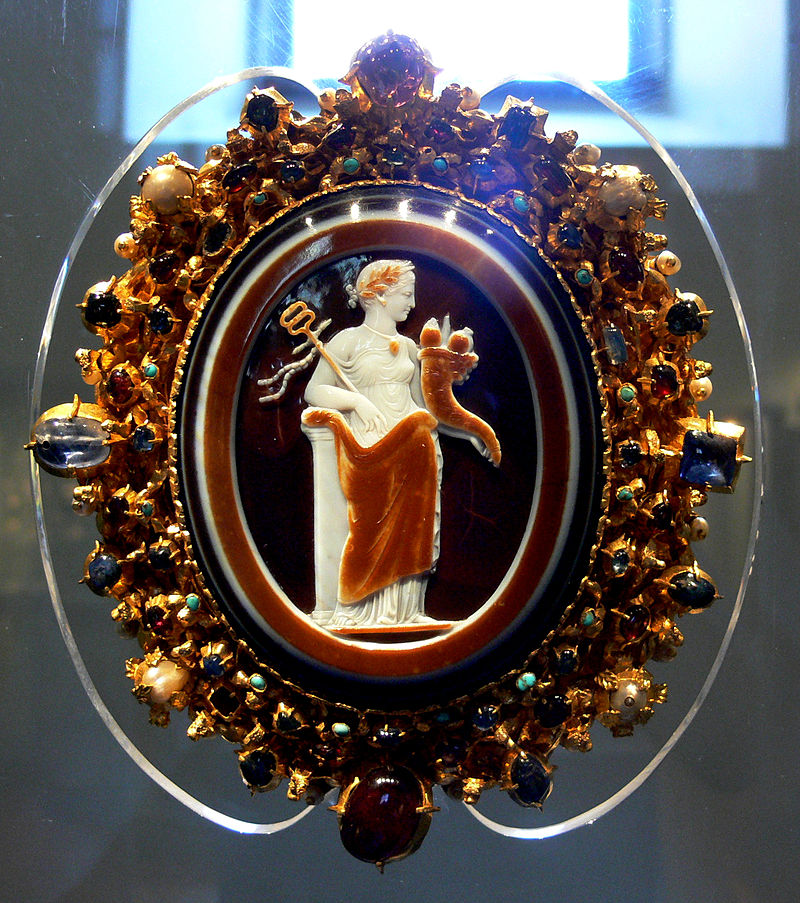
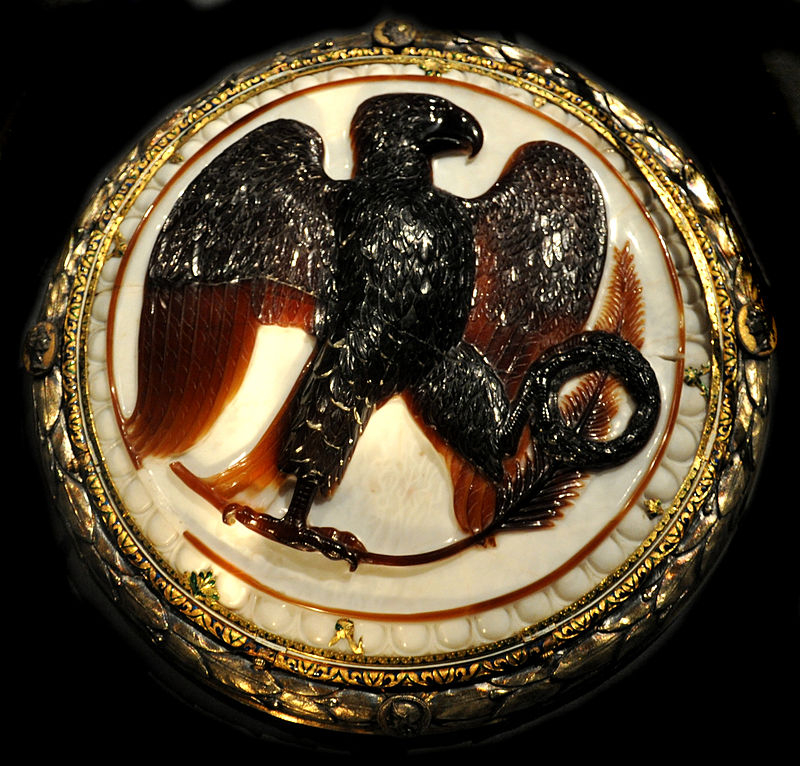
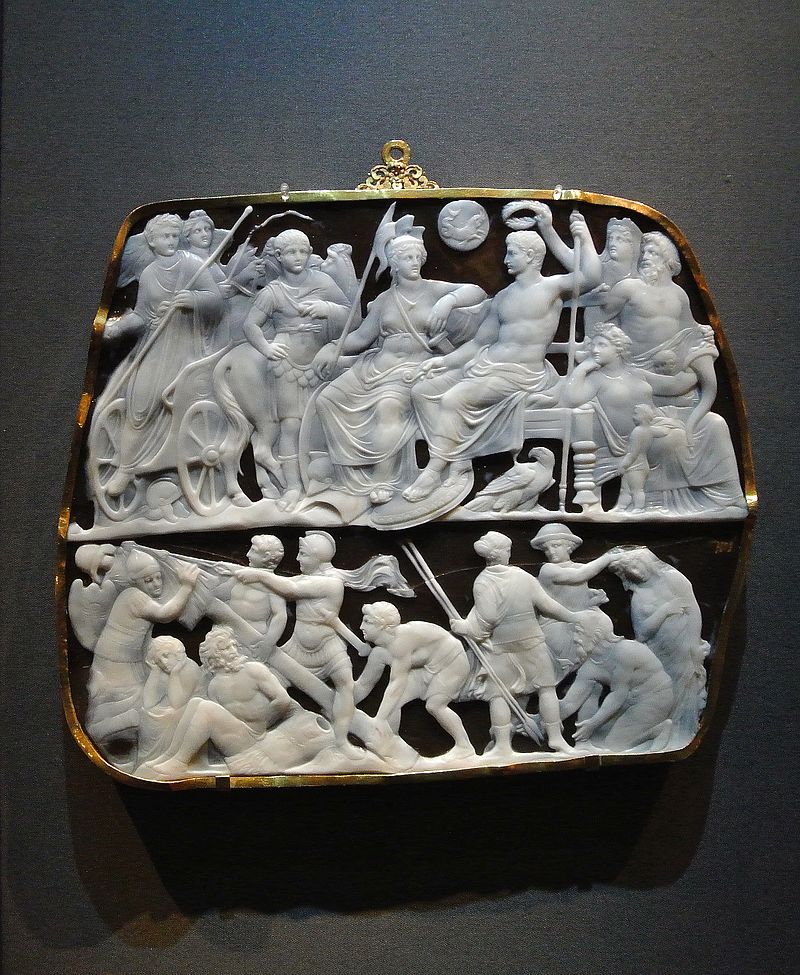
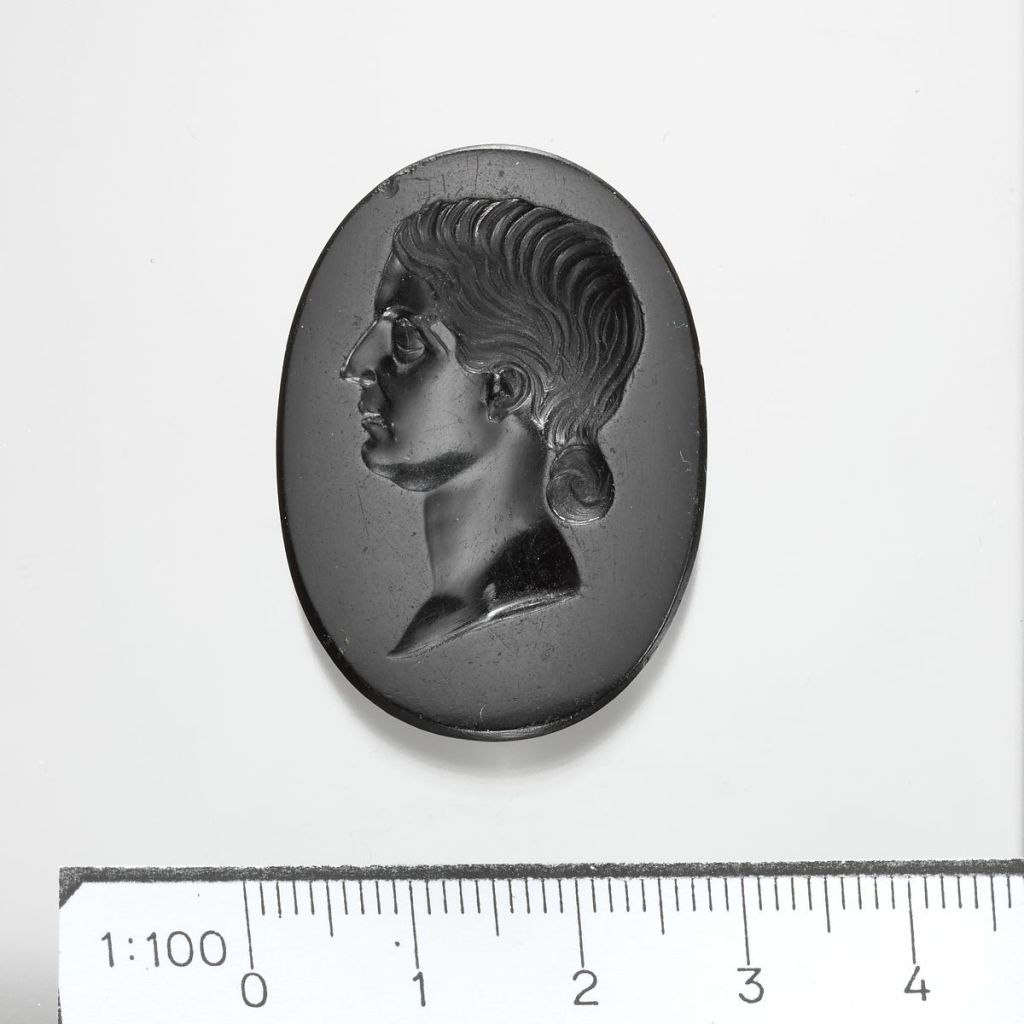
Among the most esteemed forms of Roman jewelry were cameos and intaglios, crafted by skilled artisans who meticulously carved semi-precious gemstones to create intricate designs and motifs. Cameos featured raised relief images carved onto the surface of gemstones, while intaglios showcased intricate engravings incised into the stone, often depicting mythological scenes, portraits, or symbolic motifs.
These exquisite pieces of jewelry not only adorned the bodies of the elite but also served as powerful statements of social standing and cultural refinement. They were prized possessions, cherished for their beauty, craftsmanship, and the stories they conveyed.
Cameos
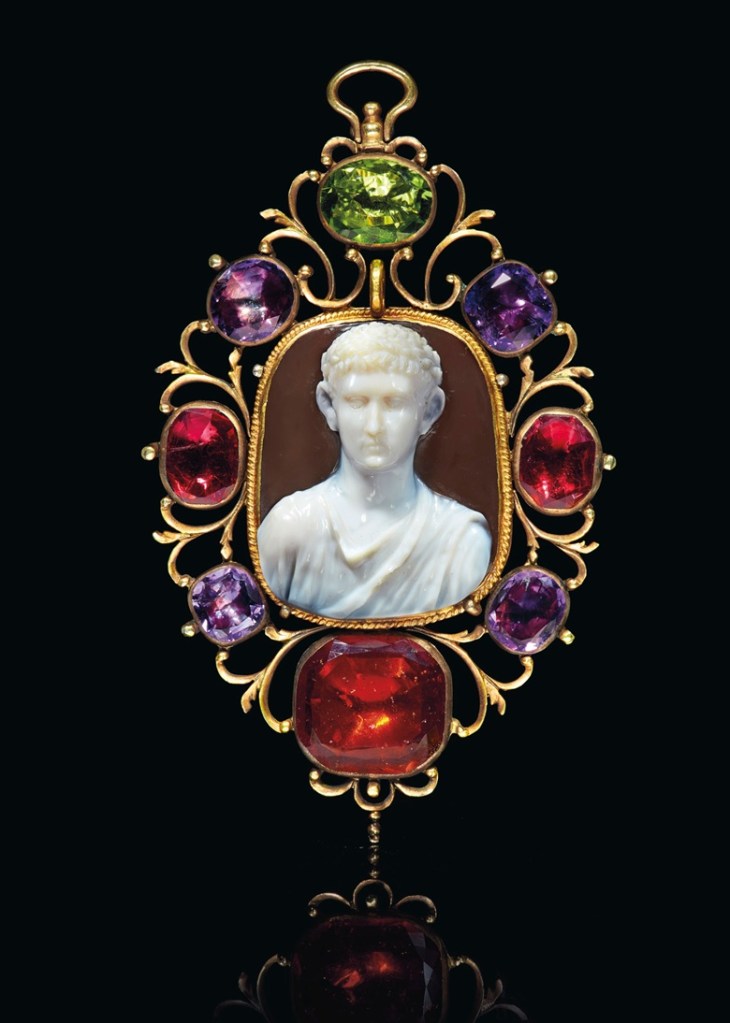
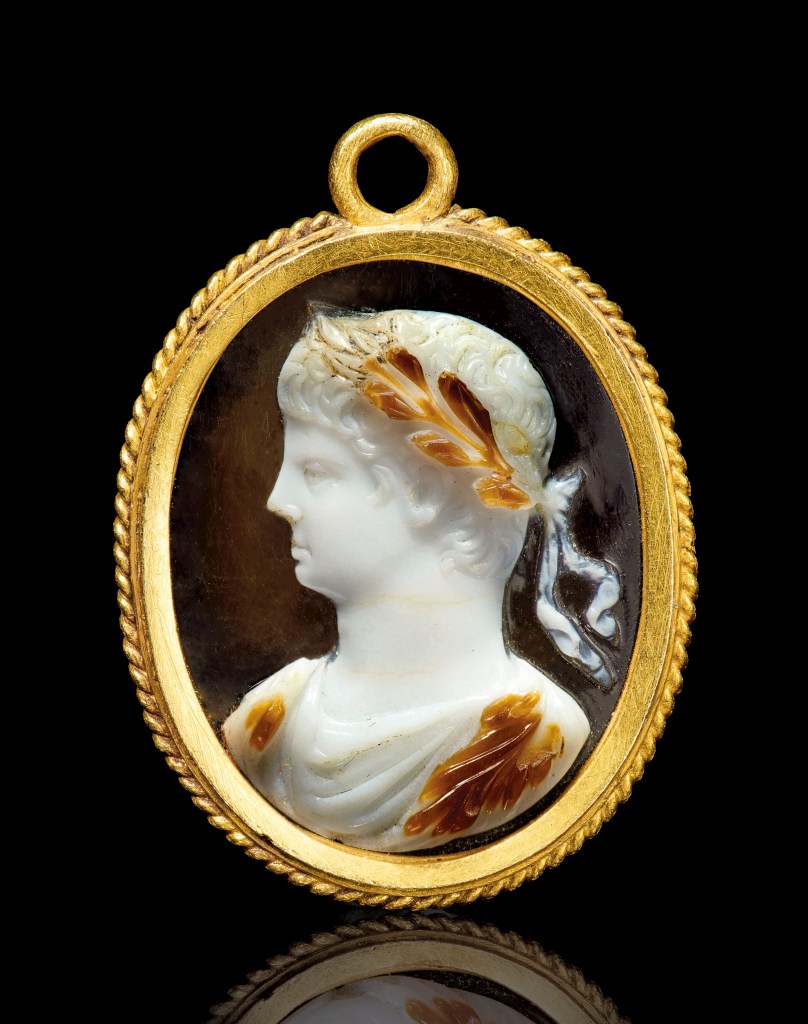
Cameos, prized for their exquisite craftsmanship and intricate designs, were a hallmark of Roman luxury and elegance, particularly favored by the Julio-Claudian imperial family. These miniature masterpieces typically featured raised relief images meticulously carved onto the surface of semi-precious gemstones, such as onyx, sardonyx, or agate.

Among the elite circles of Roman society, cameos were highly sought after for their aesthetic appeal and symbolic significance. They served as prestigious accessories, worn to adorn garments, jewelry, and even personal items like rings and brooches. The intricate scenes depicted on cameos often included portraits of revered individuals, mythological figures, or allegorical motifs, reflecting the wearer’s status, beliefs, and cultural affiliations.

Intaglios
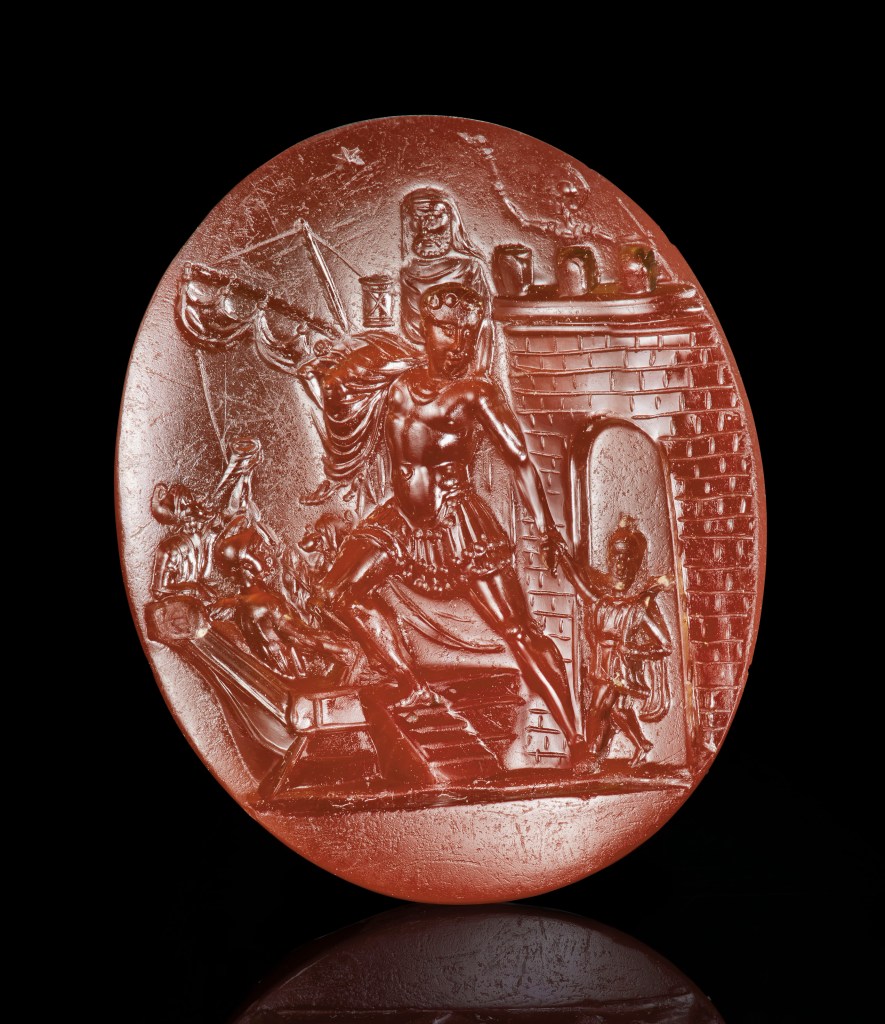
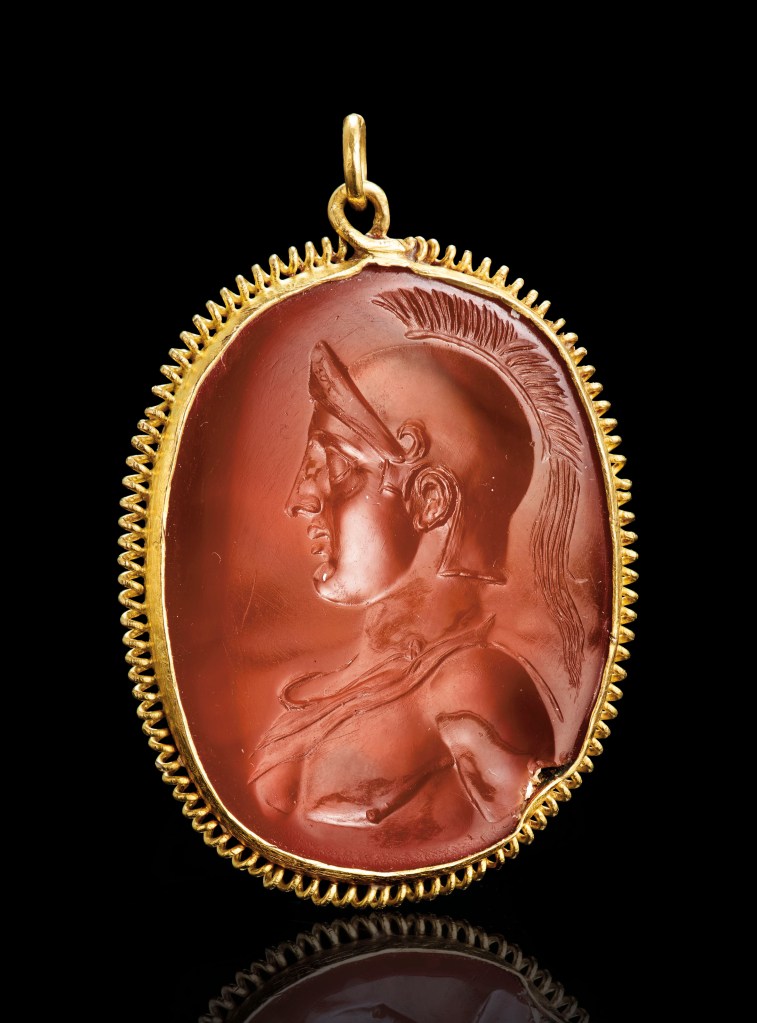
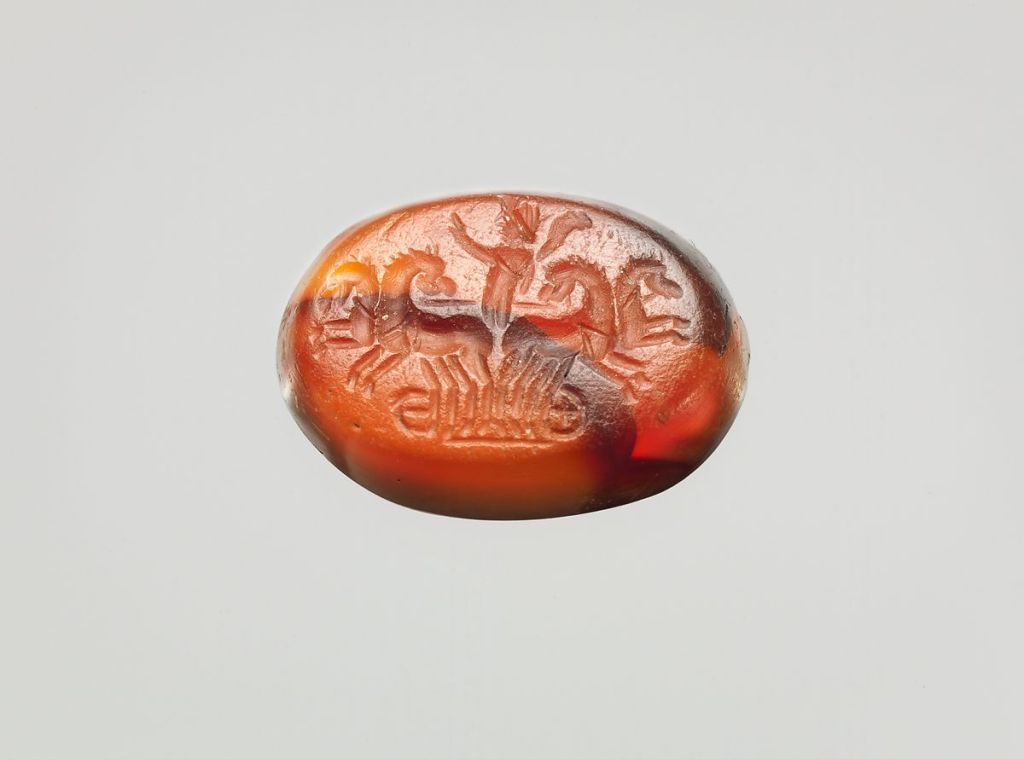
Intaglios, esteemed for their intricate craftsmanship and delicate artistry, epitomized the pinnacle of luxury within the Roman Empire. These gemstones, meticulously carved to produce a negative relief image, served as coveted symbols of wealth, status, and cultural refinement.

Renowned for their exquisite detail and precision, intaglios adorned a variety of prestigious jewelry pieces, including necklaces and rings, where they were often mounted as focal points of elegance and sophistication. The process of gemstone engraving, practiced by skilled artisans, required immense expertise and precision, resulting in miniature masterpieces that captivated the eye and captured the imagination.
The subjects depicted on intaglios ranged from mythological scenes and divine figures to intricate designs and symbolic motifs, each intricately etched into the surface of gemstones such as carnelian, amethyst, or sardonyx. These miniature works of art not only showcased the technical prowess of their creators but also conveyed profound messages of identity, belief, and cultural significance to their wearers and admirers.


Rings
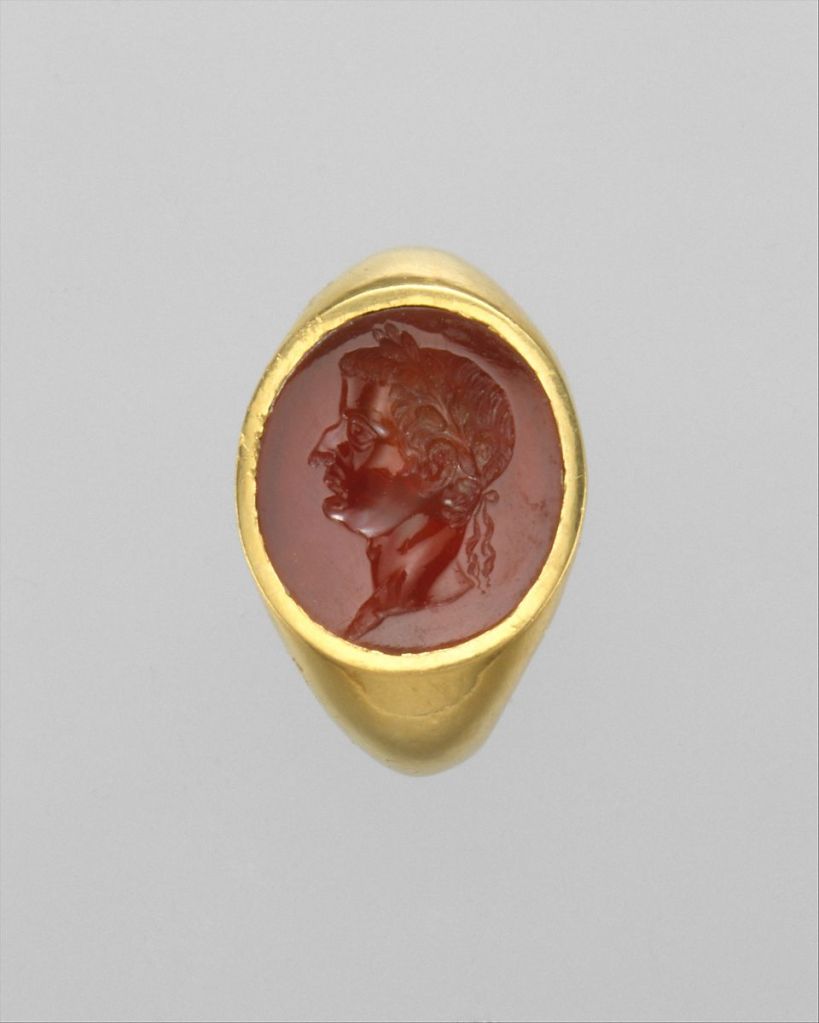
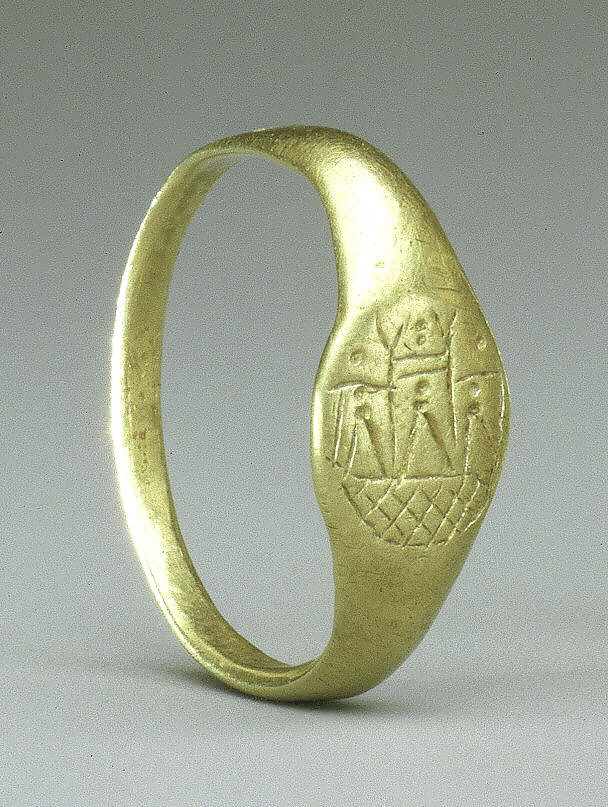
As highlighted previously, Roman jewelry reflected a diverse array of materials and motifs, each conveying distinct messages and cultural meanings. While intaglios carved from precious gemstones adorned many gold rings, glass emerged as another popular material prized for its versatility and vibrant hues.

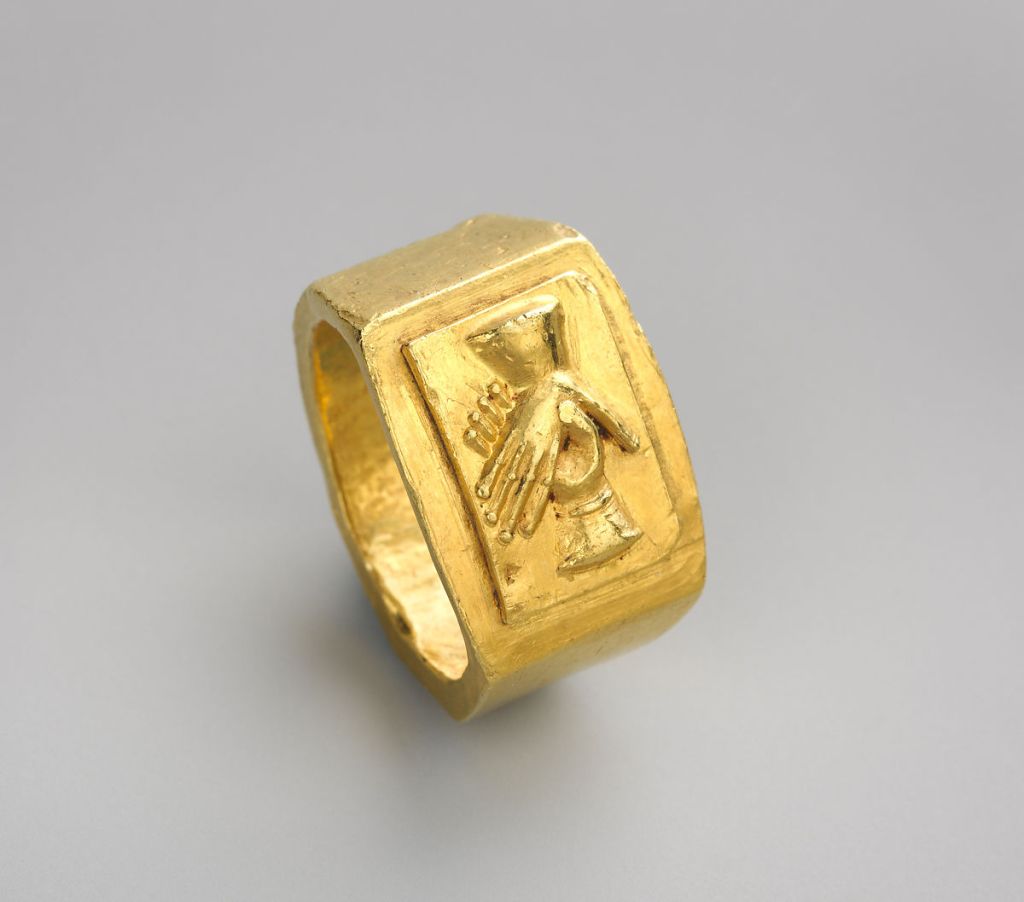
Among the prevalent motifs adorning Roman rings, clasped hands held particular significance, symbolizing the bonds of betrothal and marriage. These intricately crafted depictions of entwined hands served as poignant reminders of enduring love and commitment, capturing the essence of intimate relationships and sacred unions.



Earrings
Roman earrings came in various styles, ranging from simple hoop or stud designs to more elaborate drop earrings featuring intricate patterns and gemstone embellishments. Common materials used in Roman earrings included gold, silver, bronze, and glass, with some pieces showcasing exquisite craftsmanship through filigree work, granulation, or intricate engraving.
Roman earrings often reflected the wearer’s social status, with wealthy individuals opting for more elaborate and ornate designs adorned with precious gemstones like pearls, emeralds, or sapphires. Earrings were not only fashionable accessories but also held symbolic significance, sometimes featuring religious or mythological motifs that conveyed personal beliefs or affiliations.


Necklaces
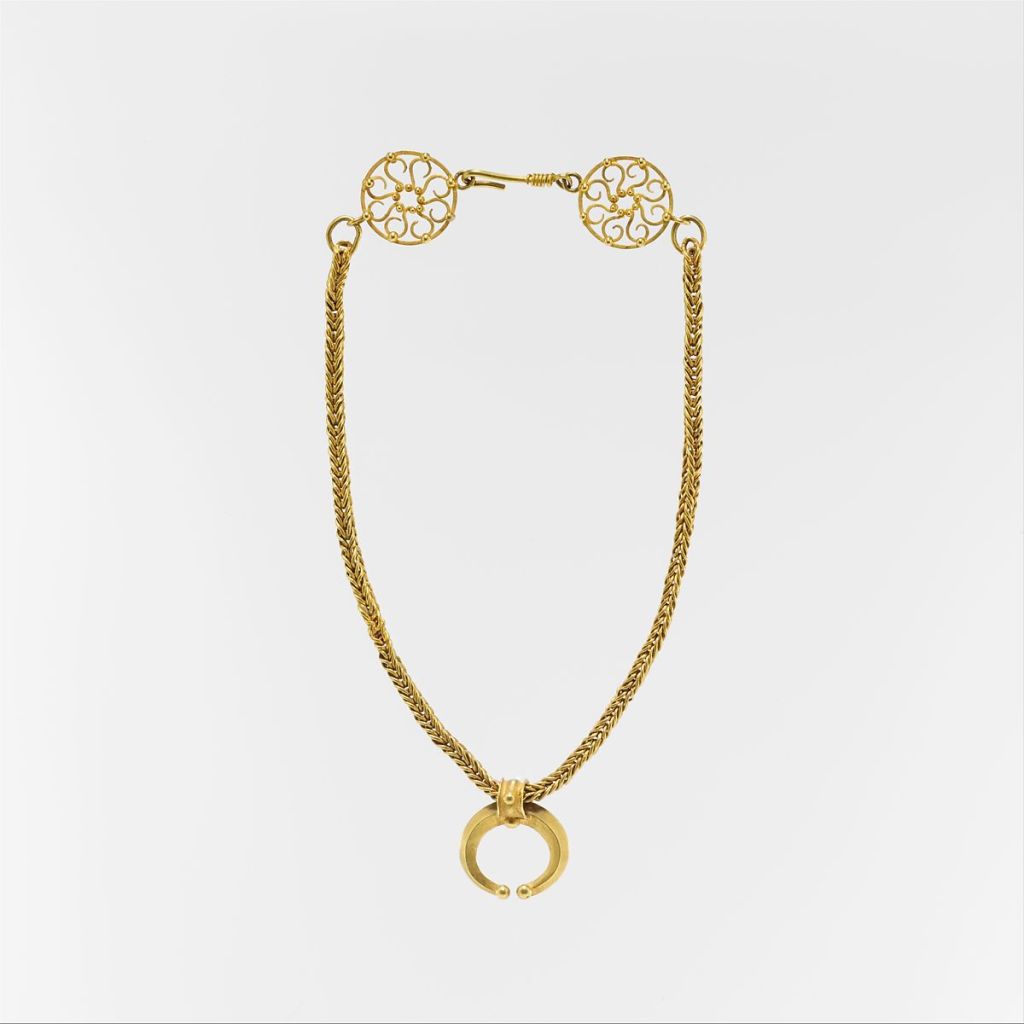
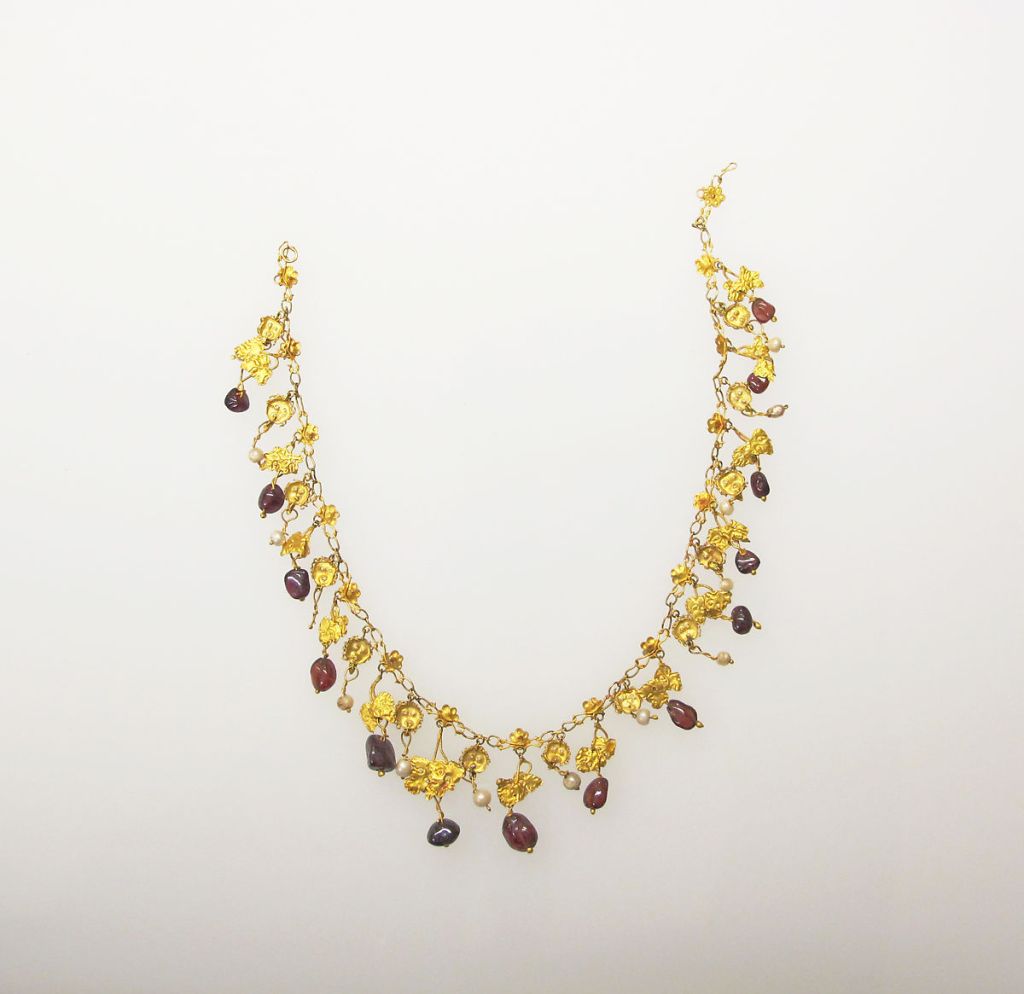
Roman necklaces were exquisite adornments showcasing a rich variety of designs and materials. These necklaces ranged from simple chains crafted from precious metals like gold and silver to elaborate pieces adorned with colorful gemstones, pearls, and glass beads.

Some necklaces featured intricate pendants, including cameos and intaglios carved from semi-precious stones, depicting mythological figures, deities, or portraits of esteemed individuals. Others showcased symbols of wealth and status, such as medallions or amulets engraved with inscriptions or intricate patterns.

Bracelets
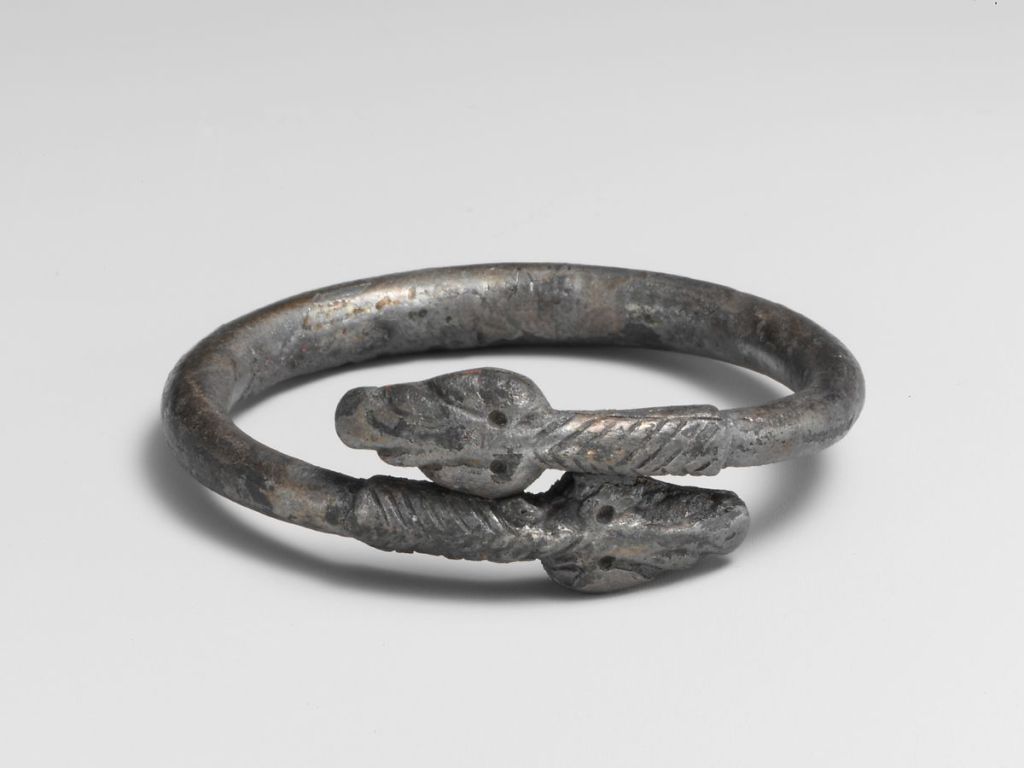
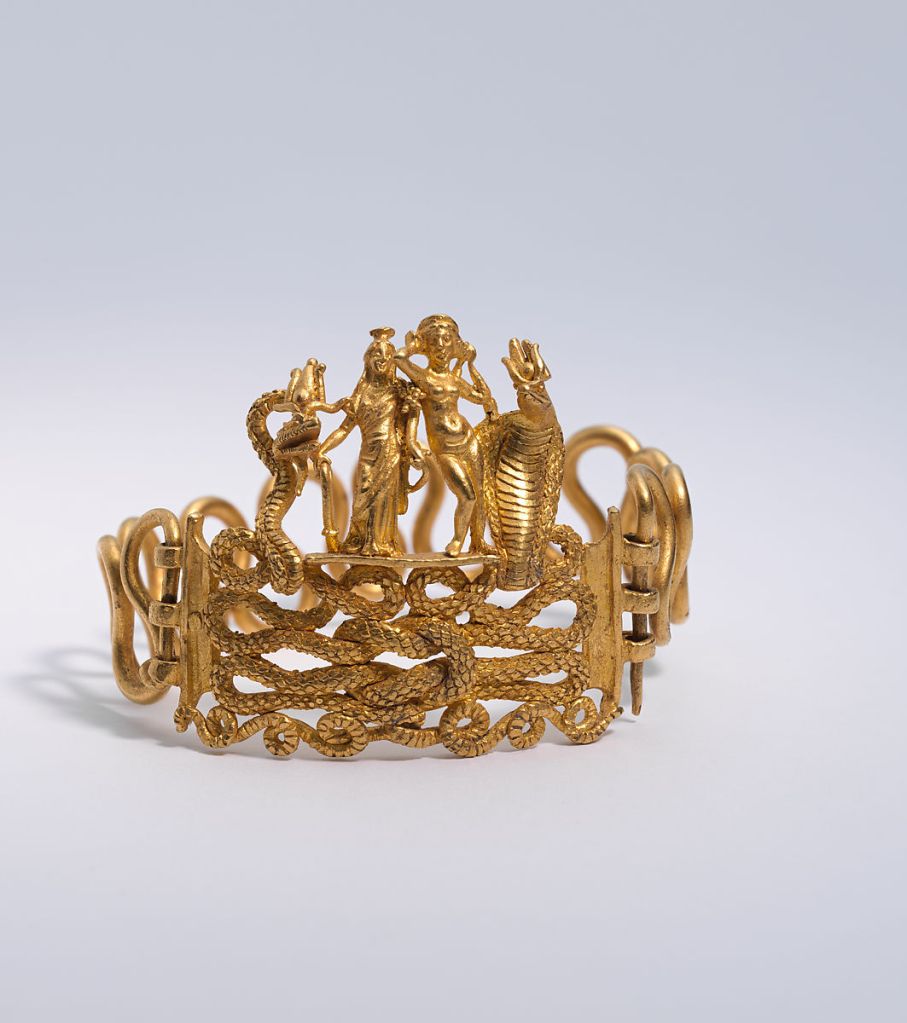
Solid gold snake bracelets emerged as one of the most beloved and enduring styles of Roman jewelry, captivating wearers with their symbolic significance and exquisite craftsmanship. These serpent-inspired adornments, crafted from gleaming gold, symbolized various concepts, including protection, eternity, and regeneration, echoing ancient beliefs and cultural motifs.

Worn both singularly and in pairs, snake bracelets adorned not only the wrists but also found their place on the upper arms, accentuating the wearer’s allure and sophistication. The sinuous forms of these bracelets, meticulously fashioned to mimic the graceful curves of serpents, lent an air of mystique and elegance to the wearer, evoking admiration and awe from onlookers.
Beyond their aesthetic appeal, snake bracelets held profound symbolic importance in Roman society. Serpents were revered for their ability to shed their skins, symbolizing renewal and rebirth, making them potent symbols of transformation and regeneration. As such, wearing snake bracelets was believed to confer protection and good fortune upon the wearer, serving as talismans of resilience and vitality in an uncertain world.


 Digital Maps of the Ancient World