Roman Portraiture
Portraiture was a significant facet of Roman art, likely influenced by various factors including the tradition of Republican funerary masks crafted for the elite deceased and displayed in their homes.
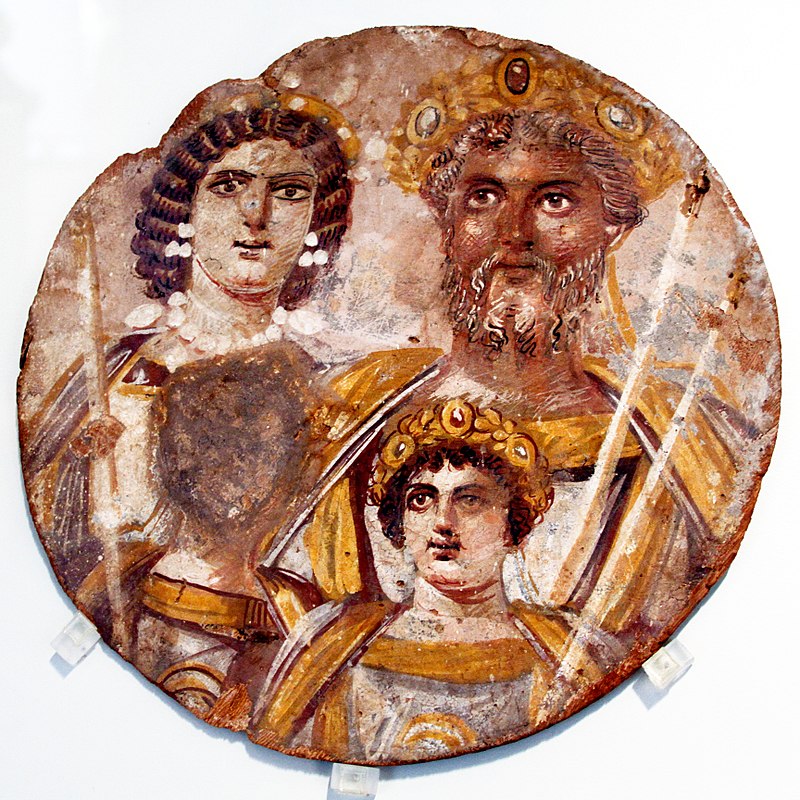
Additionally, the Romans held a strong cultural value in the desire for remembrance and legacy. This emphasis on portraiture reflected not only a celebration of individual identity but also a societal aspiration for eternal recognition and commemoration. Through sculpted busts, painted portraits, and other artistic mediums, Romans sought to immortalize themselves and their loved ones, preserving their likenesses for posterity. These portraits served not only as visual representations of individuals but also as symbols of status, power, and familial lineage in Roman society. Thus, Roman portraiture became not only a reflection of artistic skill but also a testament to the enduring human desire for immortality through art.
Republican Period
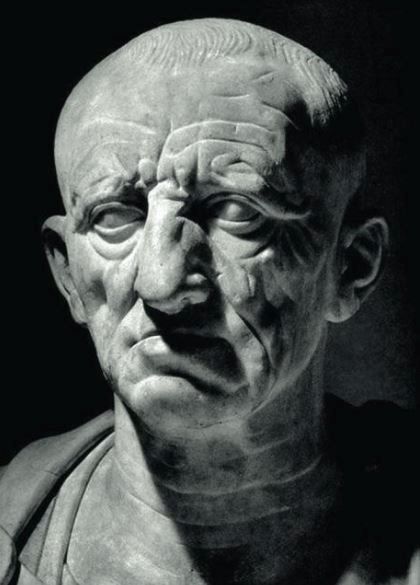
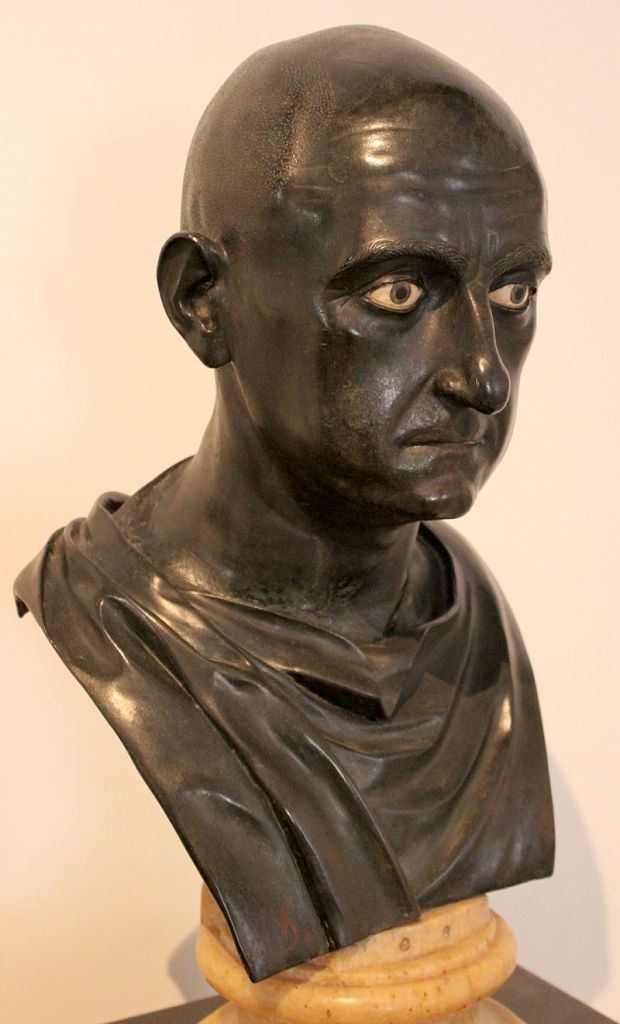
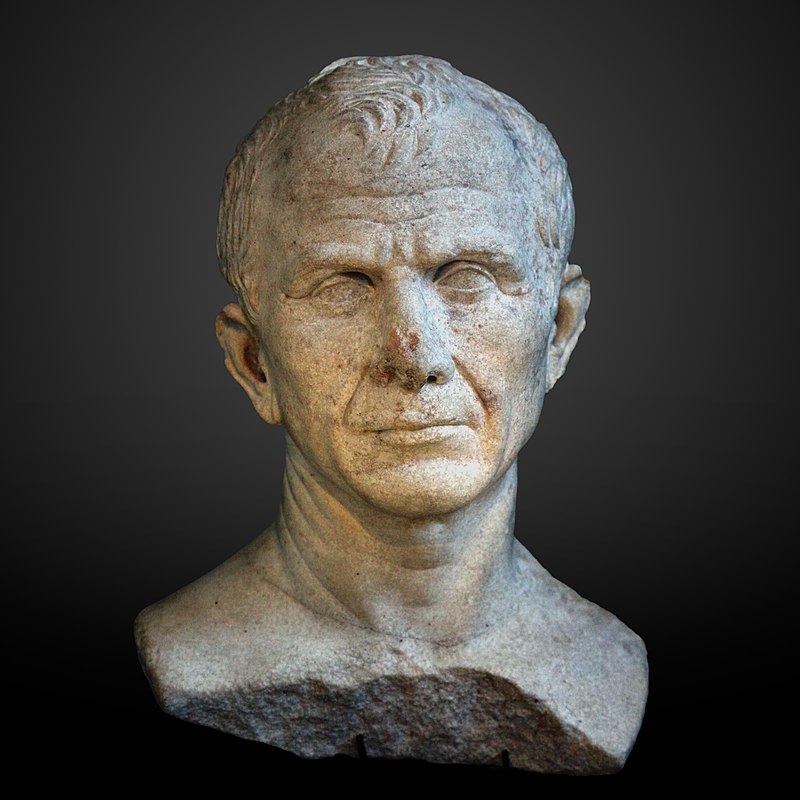
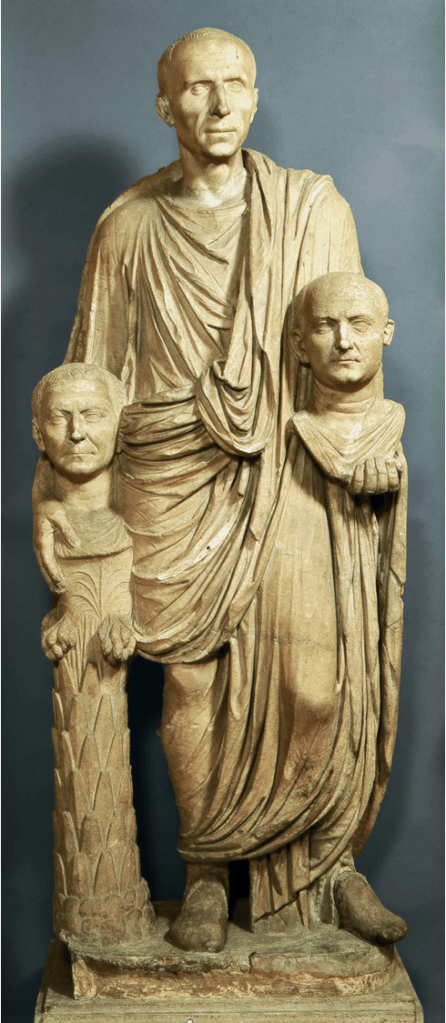
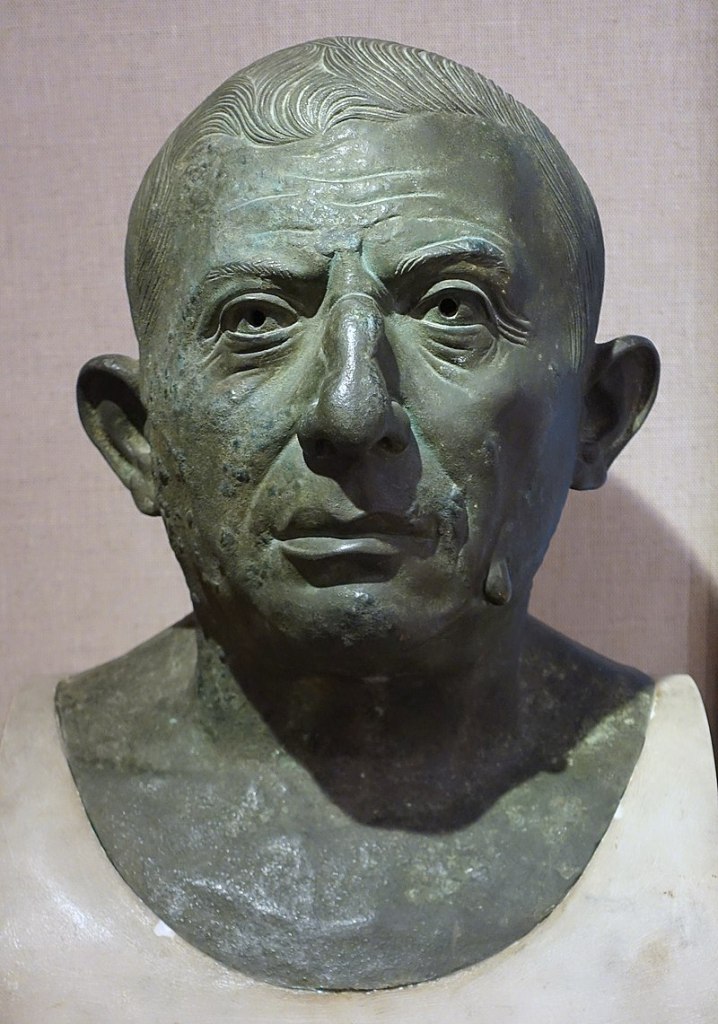
Roman Republican portraiture indeed embodies the concept of verism, characterized by its realistic depiction of facial features and expressions, often influenced by Hellenistic artistic conventions. This style is predominantly evident in surviving marble and bronze sculptures from the Republican period.

Portraits served as powerful symbols of social status and legitimacy in Roman society, with elite families prominently displaying ancestral images, such as wax masks or funerary commemorations, in their homes’ atriums. The tradition of creating death masks allowed for hyper-realistic representations of individuals, serving as tangible connections to esteemed ancestors. These familial portraits not only honored the achievements of forebears but also conferred societal recognition and opportunities upon their descendants. Thus, Republican portraiture functioned as a means of preserving familial legacies and securing social standing through ancestral lineage and prestige.

Imperial Period
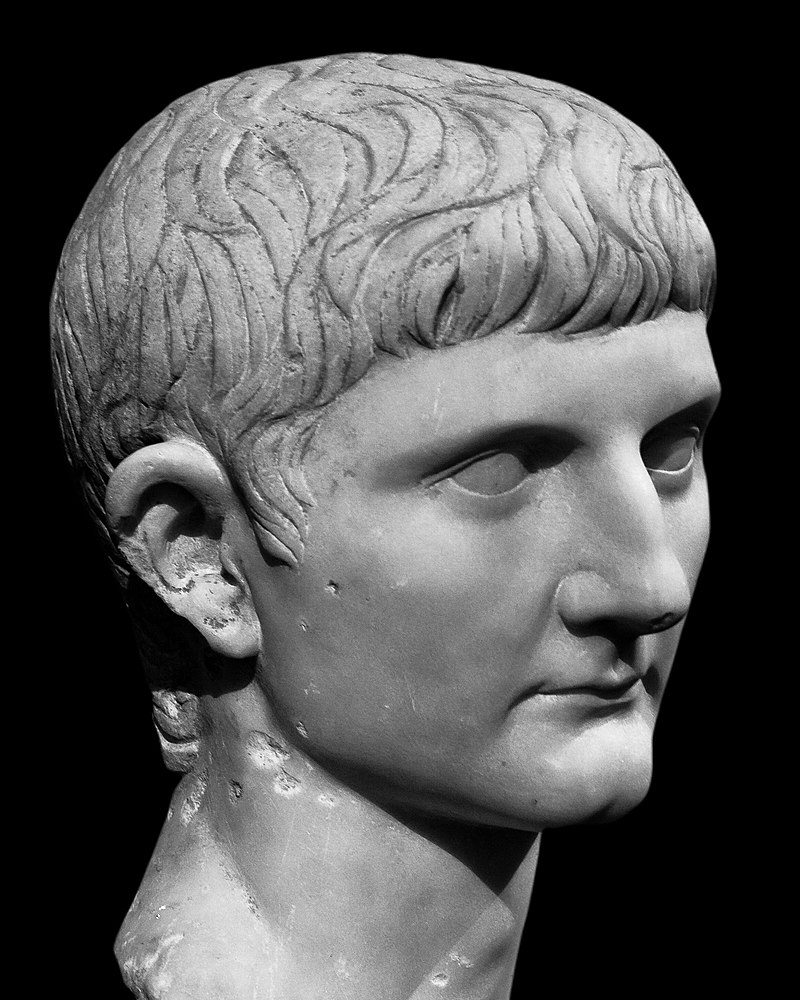
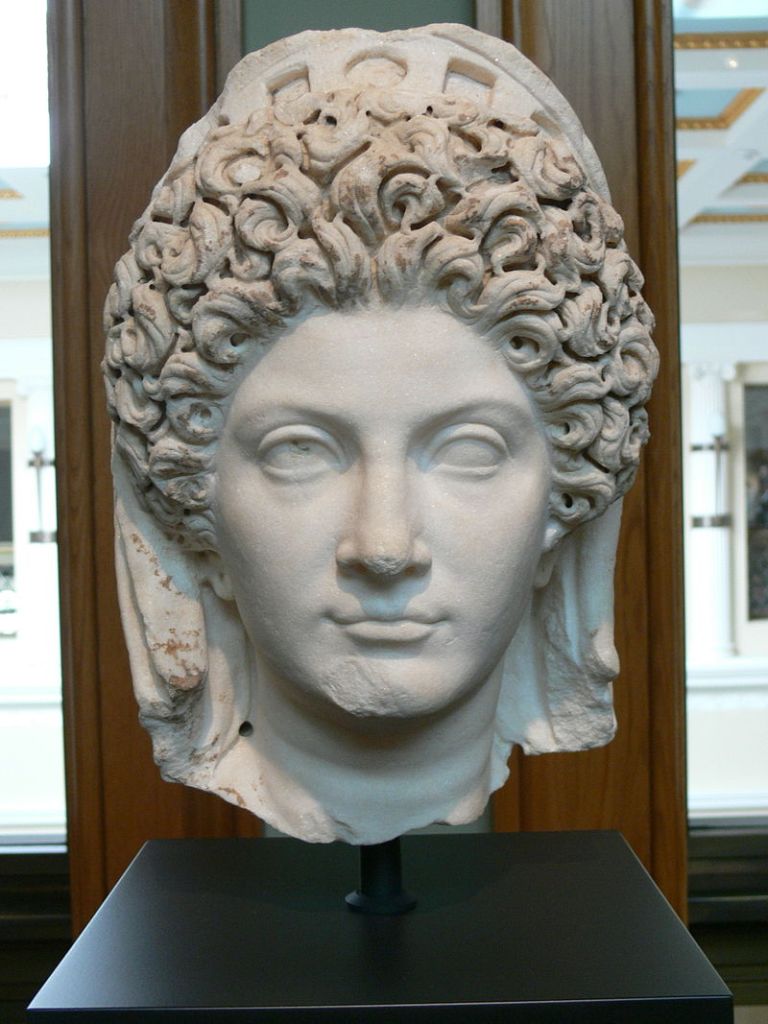
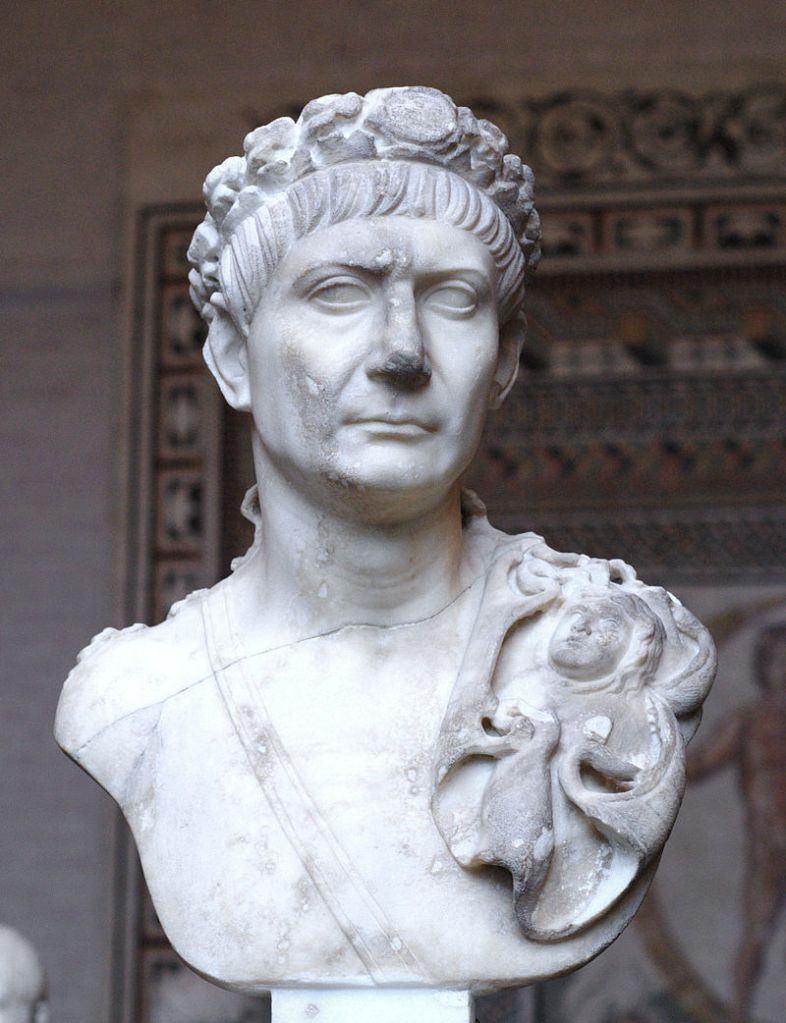
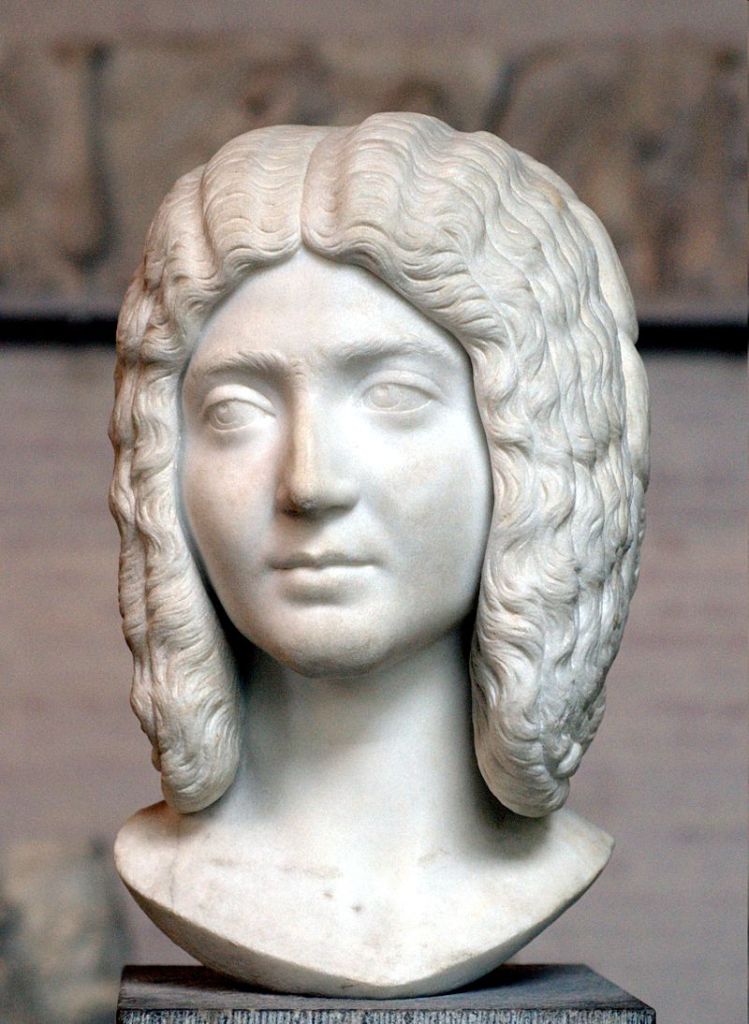
Following the transition to the principate system under Augustus, a notable shift occurred in Roman imperial portraiture, particularly concerning the depiction of the emperor and his family. Official portraits commissioned by the imperial court became instrumental in conveying specific messages about the emperor’s authority, his lineage, and the stability of the regime.
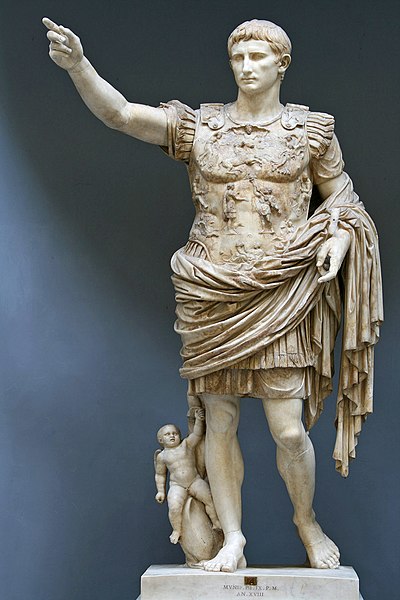
Unlike the veristic approach of Republican portraiture, which emphasized realism and individualized features, imperial portraits adopted an idealized style aimed at glorifying the ruler and his dynasty. These idealized representations served as potent propaganda tools, reinforcing the legitimacy of the emperor’s rule and promoting loyalty among the populace. By portraying the imperial family in a manner that emphasized their virtues, strength, and divine connections, these sculptures projected an image of imperial power and stability, ensuring public acceptance of the ruling regime. Thus, the evolution of imperial portraiture reflects the changing political landscape of the Roman Empire, with statuary serving as a crucial instrument of propaganda and ideological control.


Frescoes
The excavations of Pompeii have revealed a treasure trove of Roman fresco portraiture, offering a unique glimpse into the lives of the city’s inhabitants prior to its catastrophic destruction.

These frescoes, adorning the walls of Pompeian homes and public buildings, depict individuals from various social strata engaged in everyday activities, capturing their likeness and personality with remarkable detail and artistry. From noble patricians to humble artisans, these portraits provide invaluable insights into the diverse population of Pompeii and their cultural practices, fashion, and social dynamics.
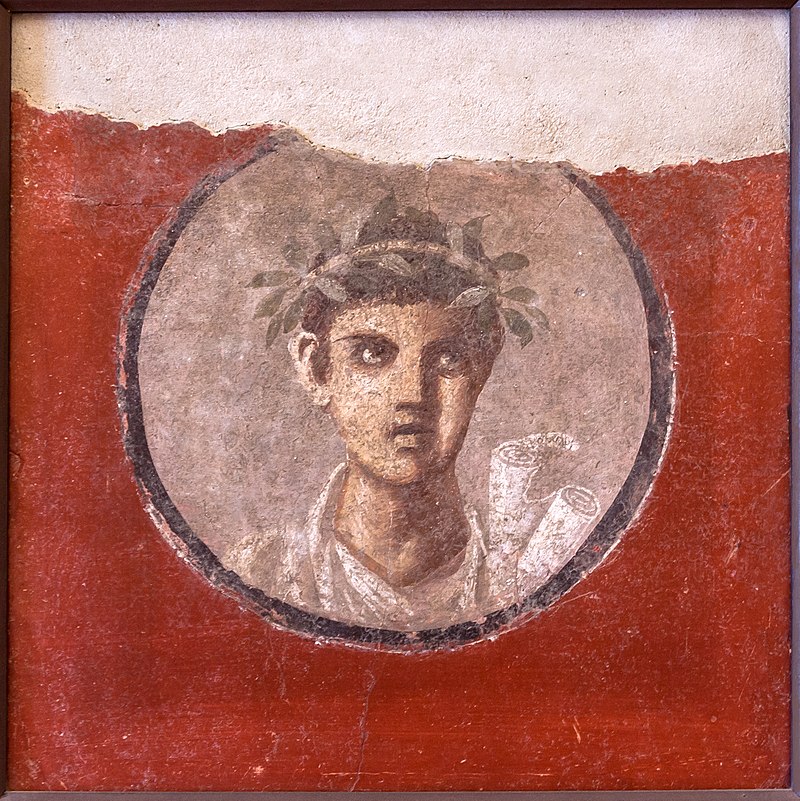
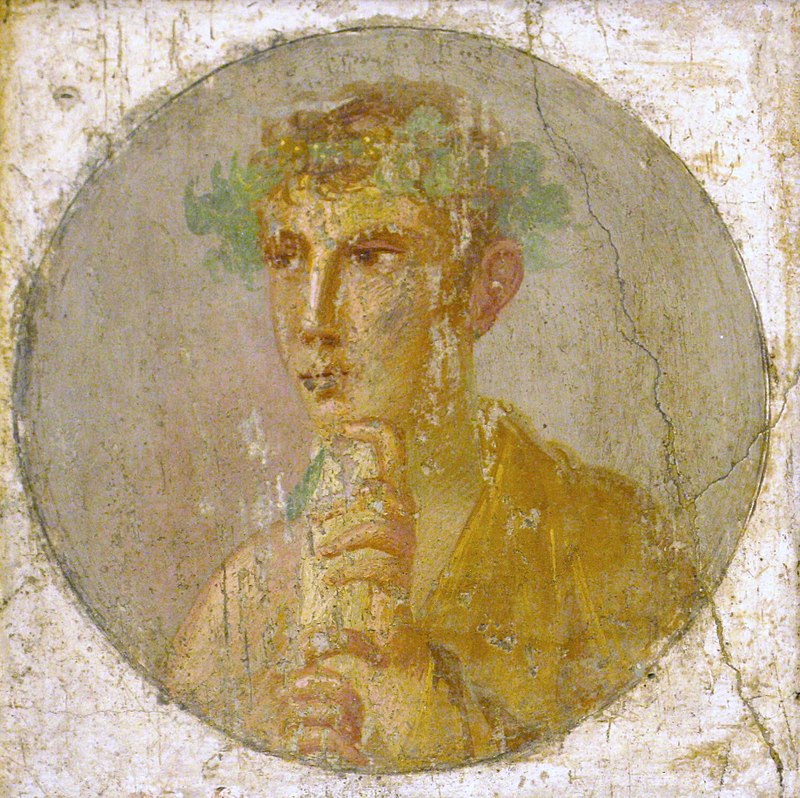
2. Man wearing a laurel wreath and holding a papyrus rotulus, Pompeii.
Fayum Mummy Portraits
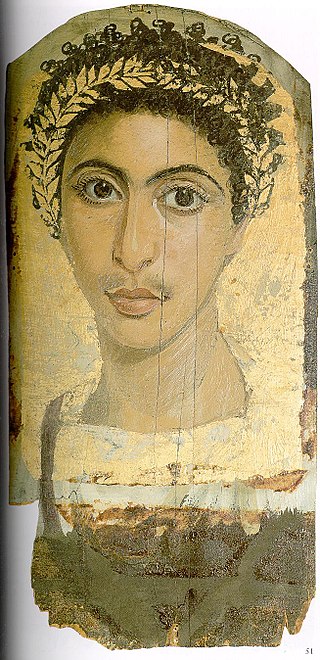
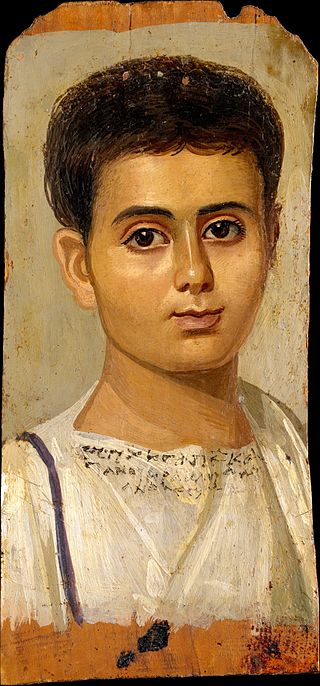
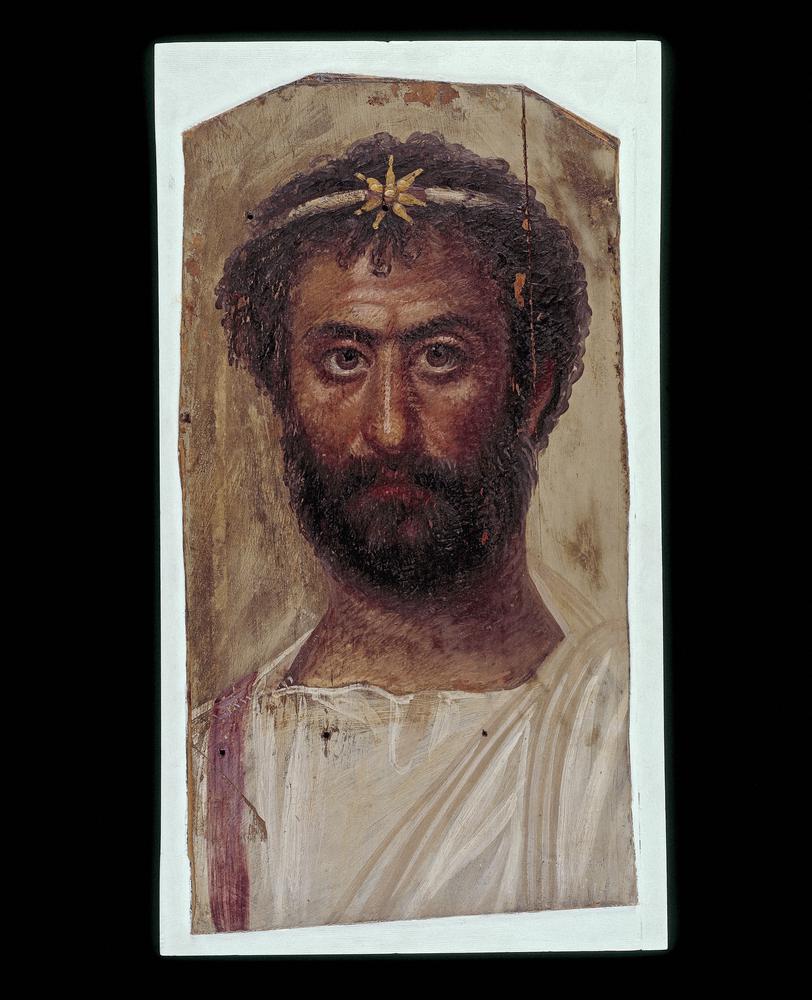
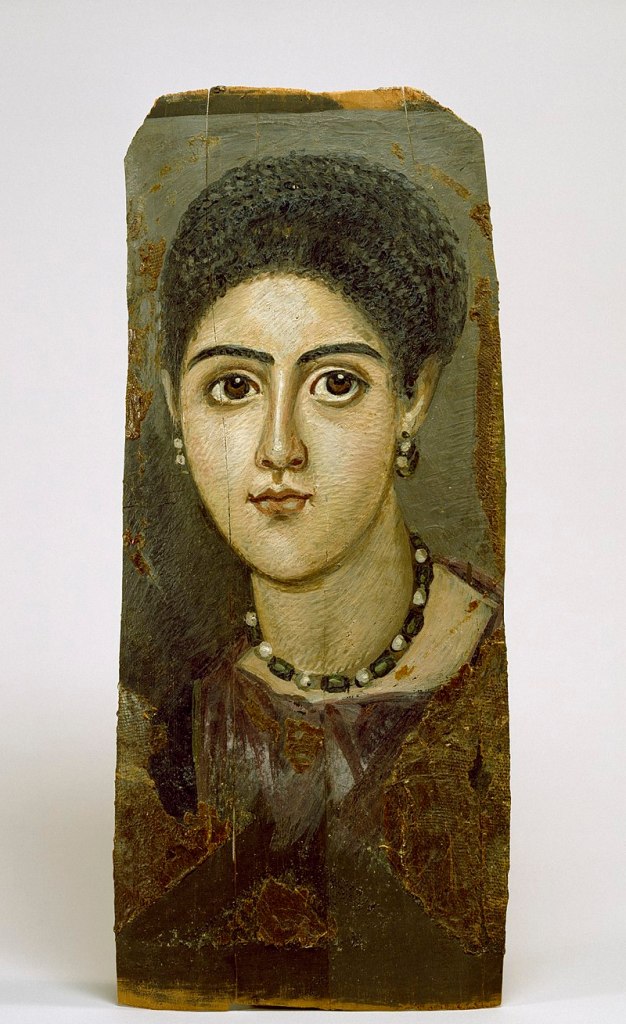
These naturalistic painted portraits, known as Fayum mummy portraits, adorned the faces of upper-class individuals mummified for burial in Roman Egypt.

Discovered primarily in the necropolis of Fayum, around 900 of these portraits have been identified to date. Remarkably preserved by the hot and dry climate of Egypt, many of these portraits retain their vibrant colors and intricate details, appearing almost unfaded by the passage of time. Depicting individuals of diverse backgrounds and ages, these portraits provide a captivating glimpse into the faces of ancient Romans, offering insights into their appearance, fashion, and social status.


Funerary Portraits
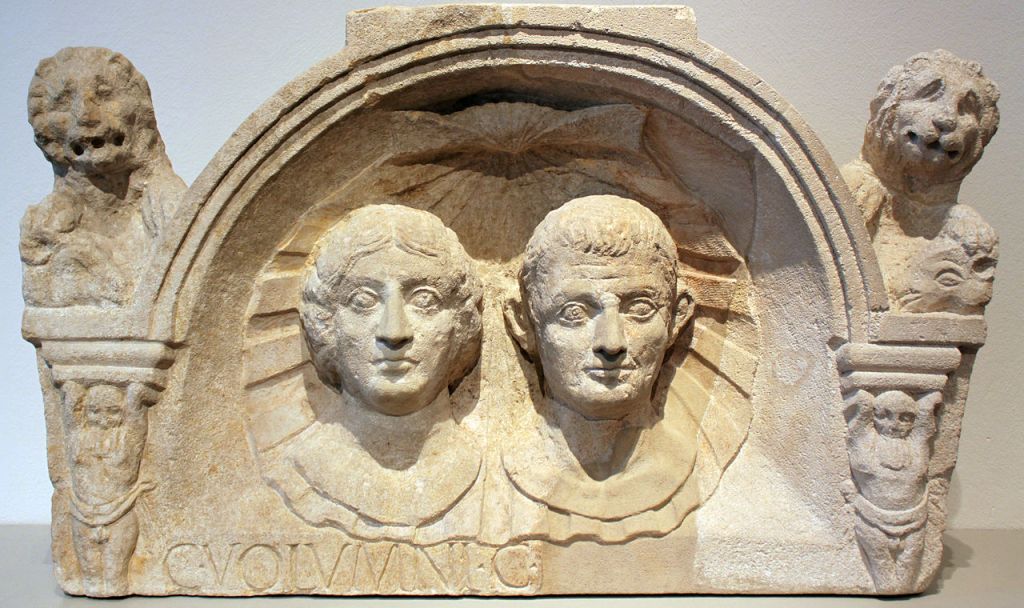
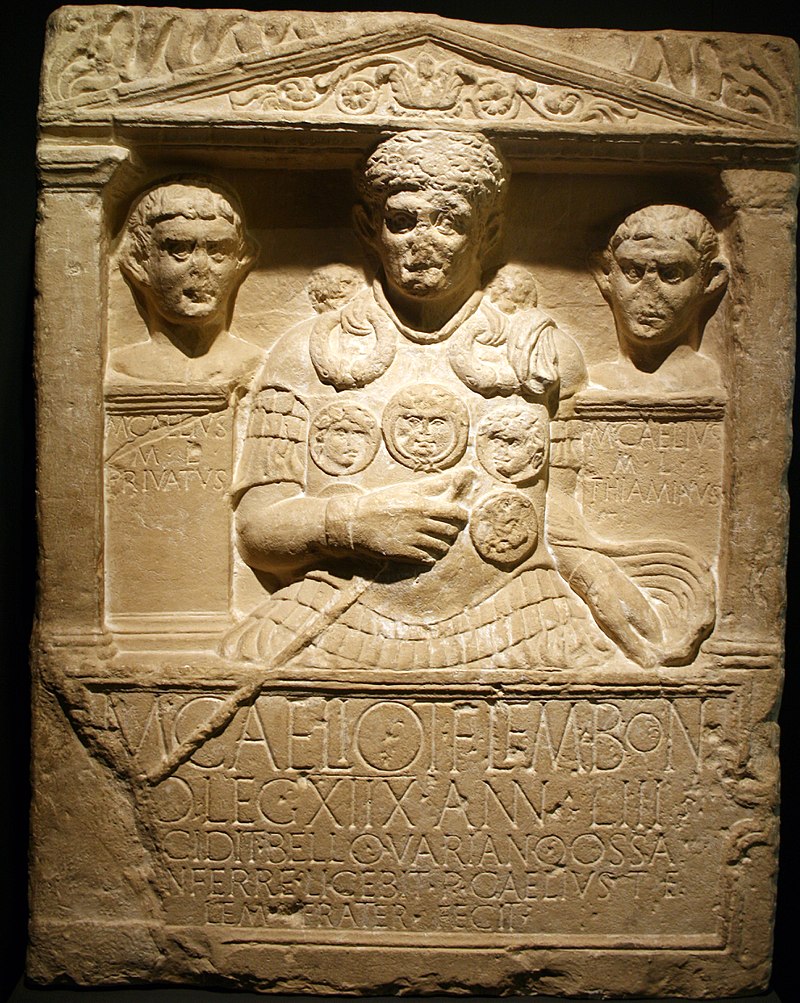
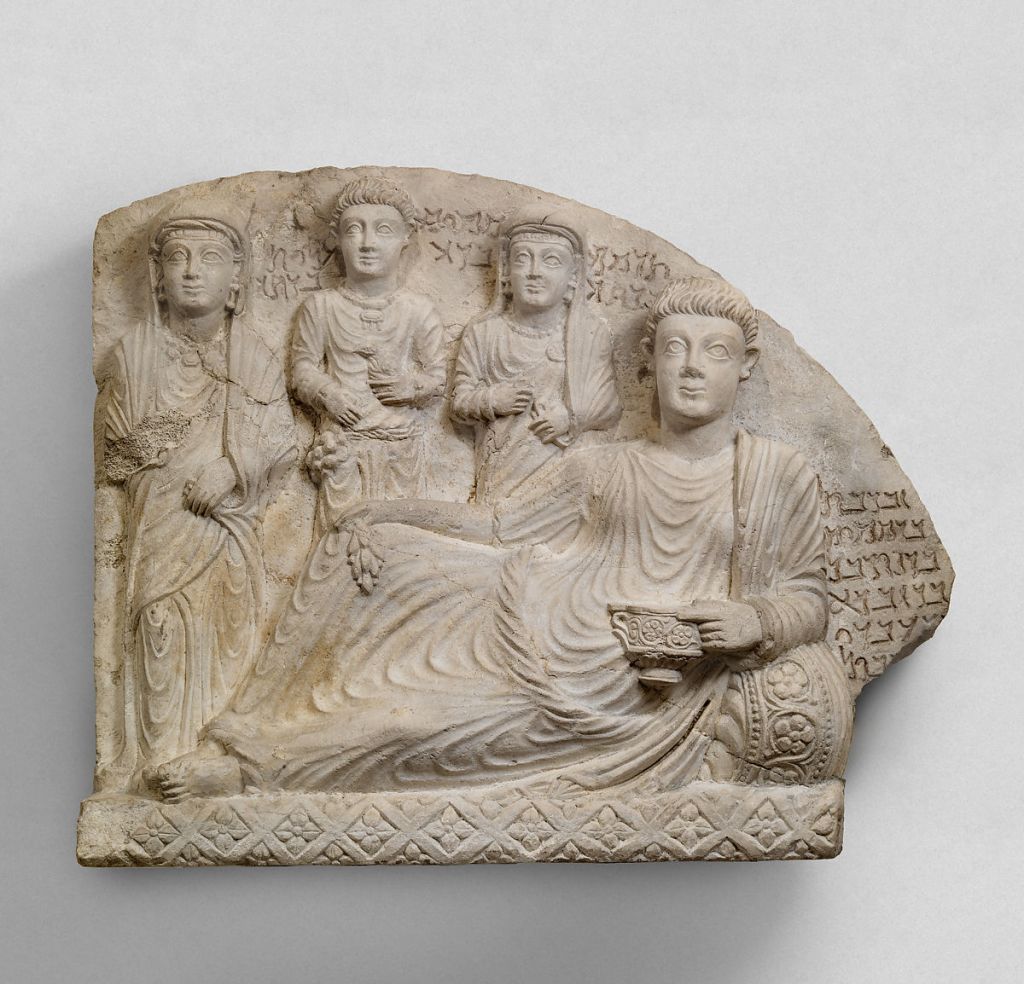
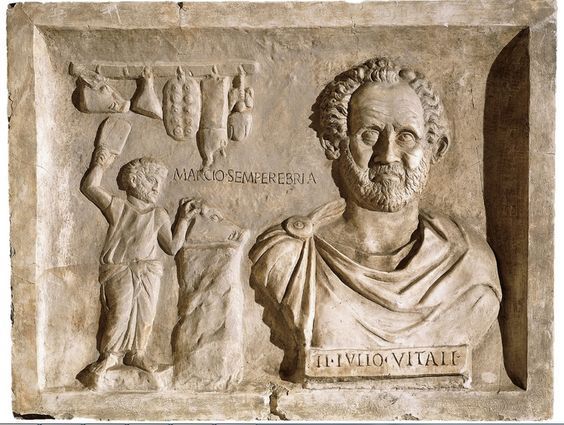
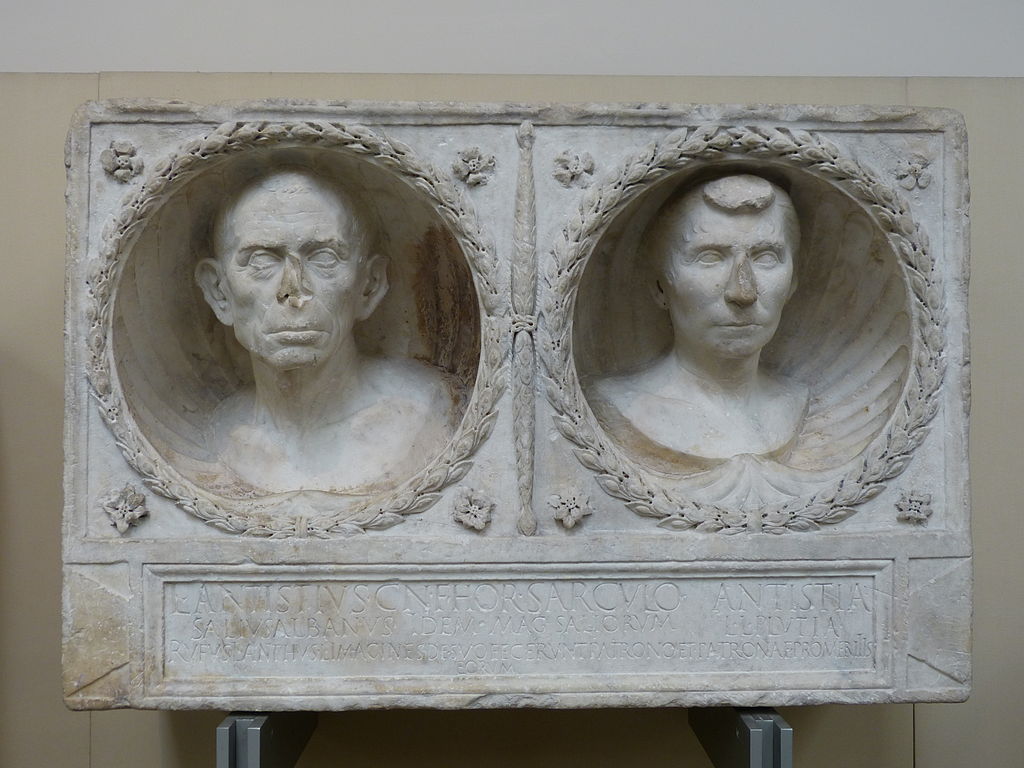
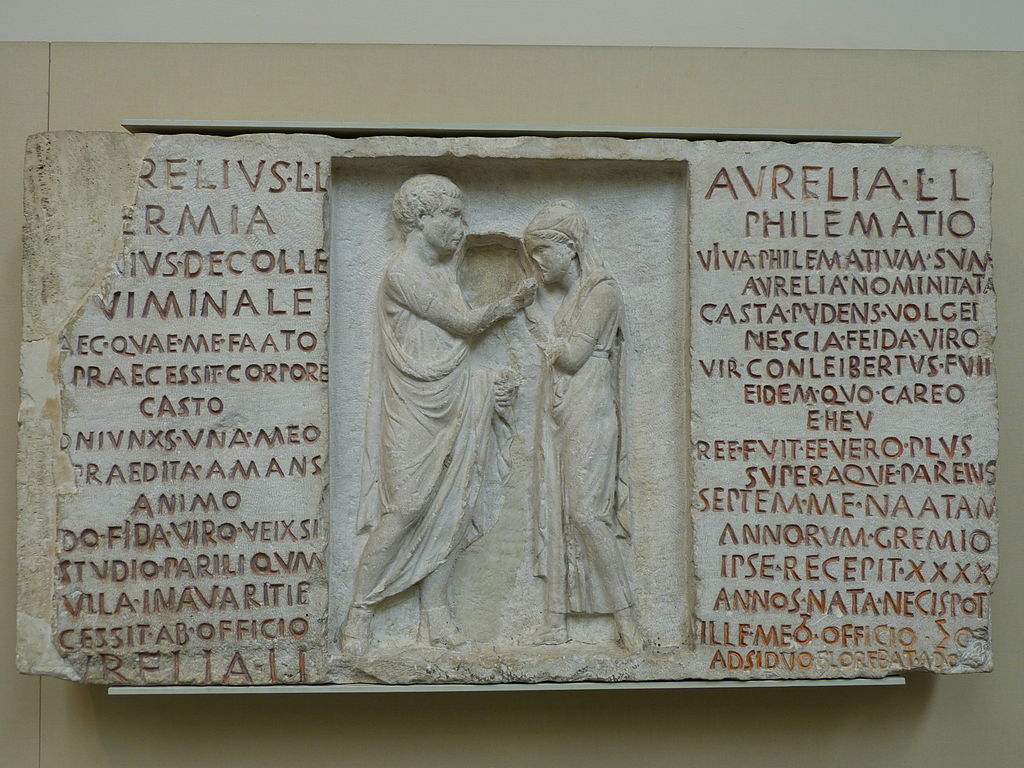
While the Roman elite immortalized themselves through busts and statues, the lower classes, including freedmen and soldiers, left their own mark on funerary monuments.
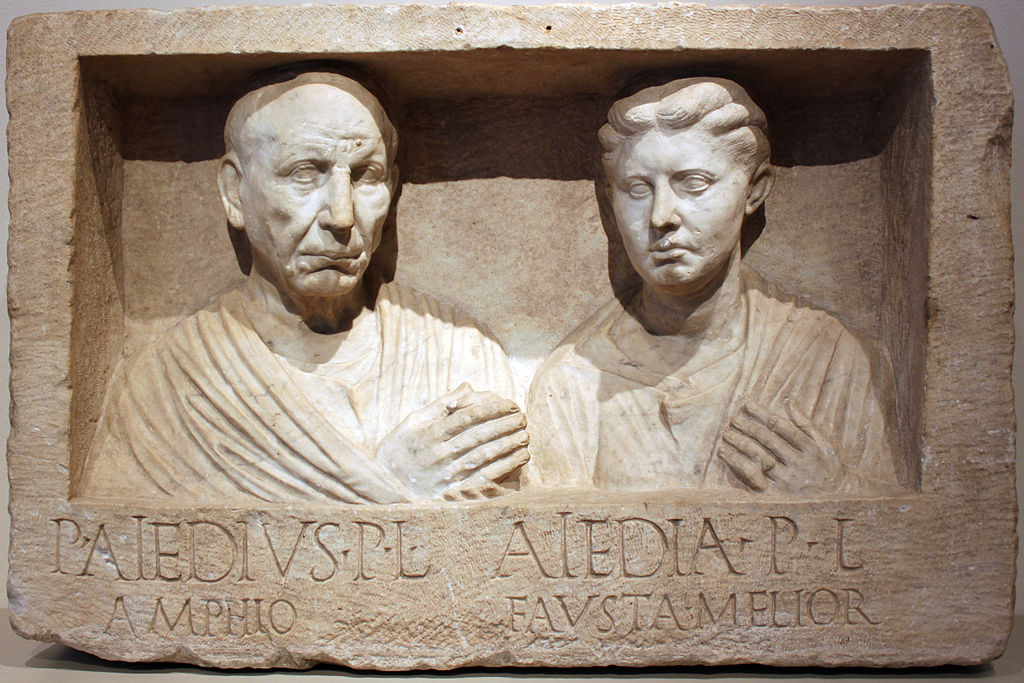
These monuments often featured reliefs or inscriptions depicting the deceased in everyday activities or military attire, providing a glimpse into the lives of ordinary Romans. Unlike the grandiose portraits of the elite, these memorials reflected the practicality and modesty of the working class, serving as personal tributes to their loved ones and reminders of their contributions to Roman society. Through these humble monuments, the lower classes ensured their place in history, preserving their identities and legacies for generations to come.
For Portraits on glass, see Roman Glass.

 Digital Maps of the Ancient World