Roman Pottery
Pottery played a vital role in daily life throughout the Roman Empire, serving both utilitarian and decorative purposes. While Roman pottery lacks the intricate vase-painting found in Ancient Greece, it boasts a wide array of finely crafted tableware and decorative objects.
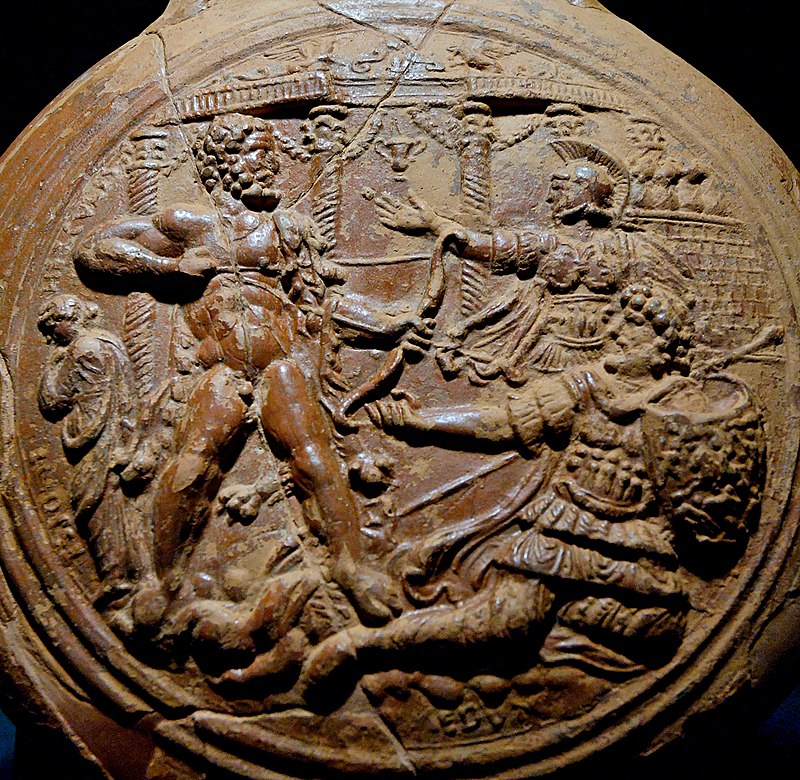
Coarse wares, including jars, dishes, and bowls, were used for cooking, storage, and transportation of goods, often made and purchased locally. On the other hand, fine wares adorned dining tables during formal occasions, exhibiting more elaborate designs and refined craftsmanship.
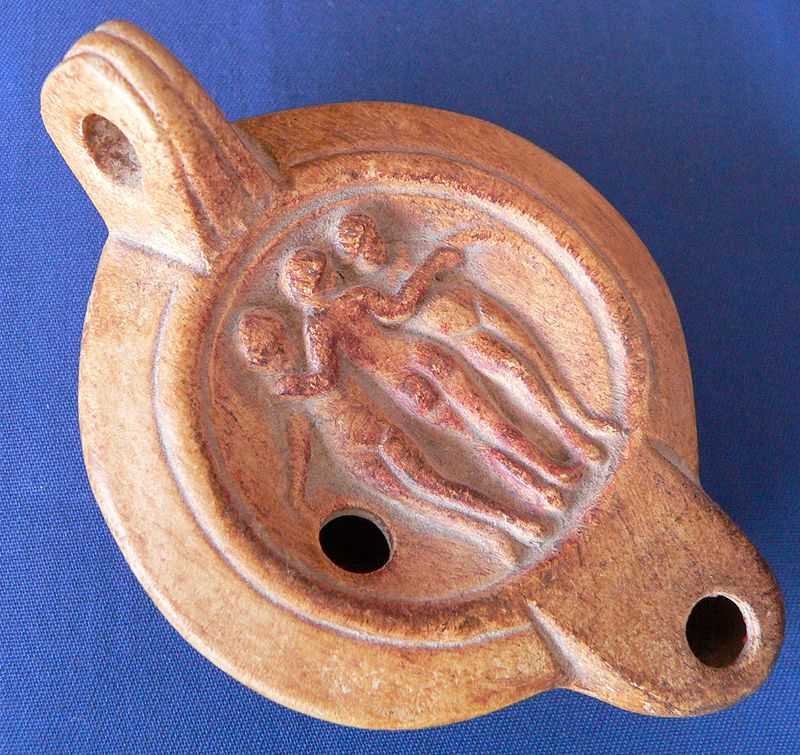
Additionally, small figures, frequently featuring religious or erotic motifs, adorned oil lamps and similar items, adding artistic flair to everyday objects. Though few exceptional pieces have survived, Roman pottery reflects the diverse tastes and practical needs of ancient society, offering insights into both domestic life and artistic expression during the period.
Fine Wares
The Roman red-gloss pottery produced in Italy and Gaul during the 1st c. BC to the late 2nd c. AD is commonly referred to as terra sigillata. This type of pottery includes Aretine ware from Italy and Samian ware from Gaul.

Terra sigillata pieces were characterized by their distinctive red gloss finish, achieved through careful polishing and firing techniques. These ceramics were highly prized during the Roman period for their quality craftsmanship and aesthetic appeal. Aretine and Samian wares were widely distributed throughout the empire, serving as luxury tableware used in both everyday dining and special occasions.


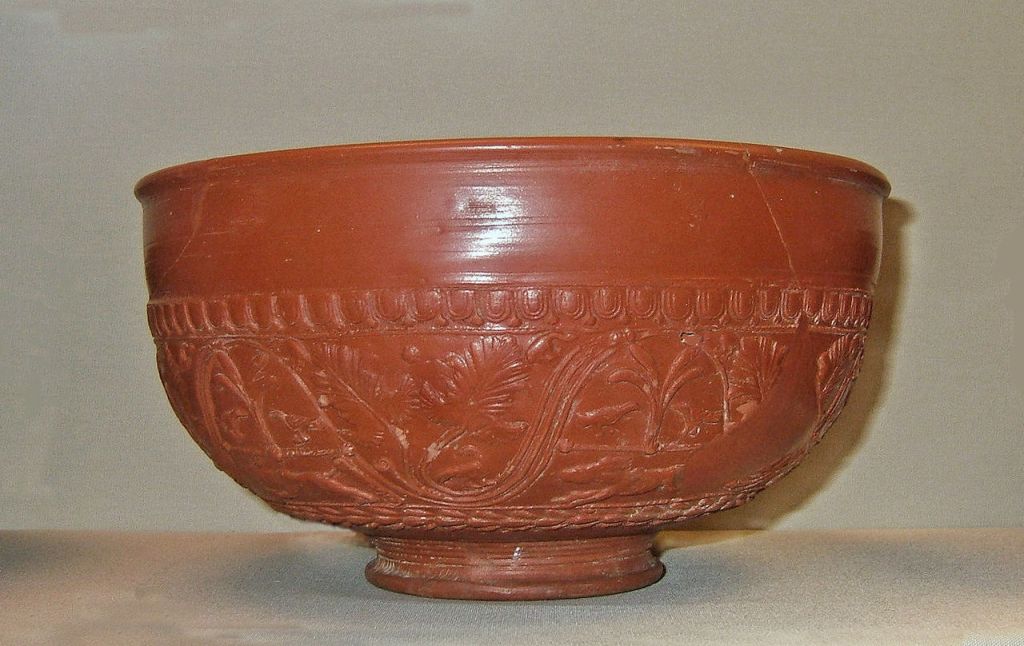
The production of terra sigillata played a significant role in the Roman economy and cultural exchange, showcasing the sophistication and innovation of ancient pottery manufacturing techniques.

Terracotta Lamps
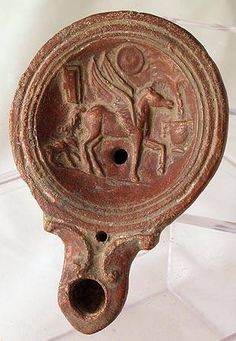
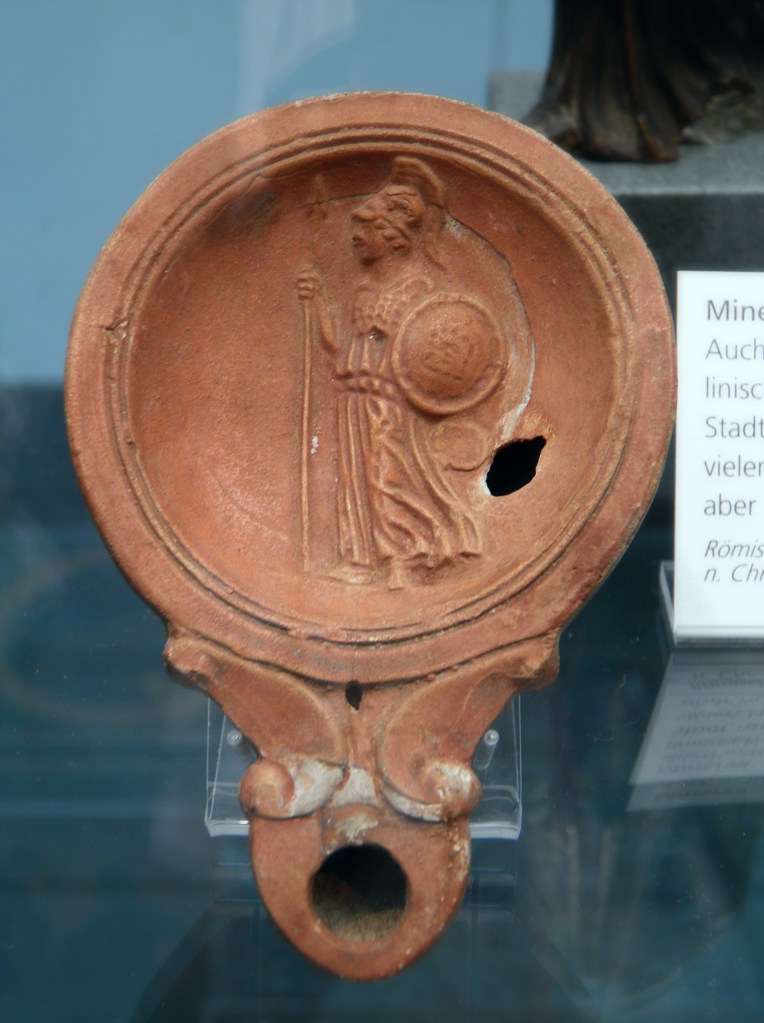
Artificial lighting was an ubiquitous feature of daily life in the Roman Empire, and as a result, hundreds of clay lamps have endured through the ages, providing valuable insights into ancient culture and society. Crafted using molds in specialized workshops, these lamps were produced in large quantities and often followed standardized designs.

Despite their utilitarian function, Roman lamps displayed a remarkable range of decorative motifs. Scenes depicting deities, myths, and legends were popular, as were depictions of everyday life, including activities such as hunting, public entertainments like gladiatorial combat and chariot-racing, and even erotic imagery.
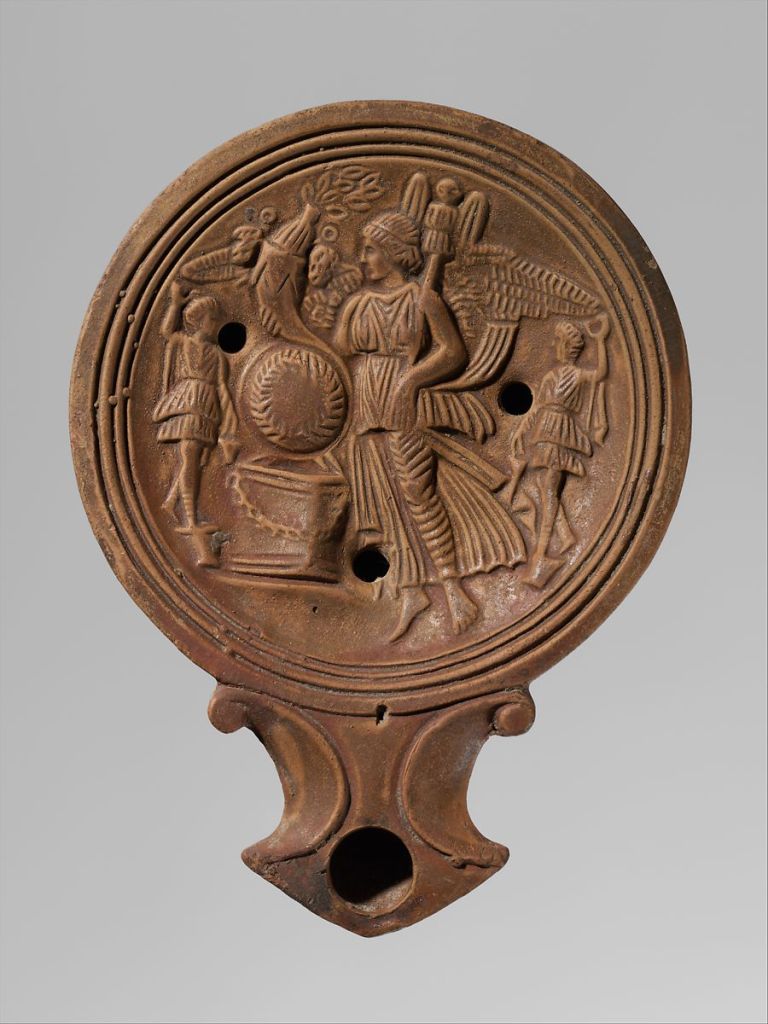
These lamps not only illuminated Roman homes but also served as vessels for artistic expression, reflecting the diverse interests and values of ancient Roman society.




 Digital Maps of the Ancient World