Timeline of the Inca
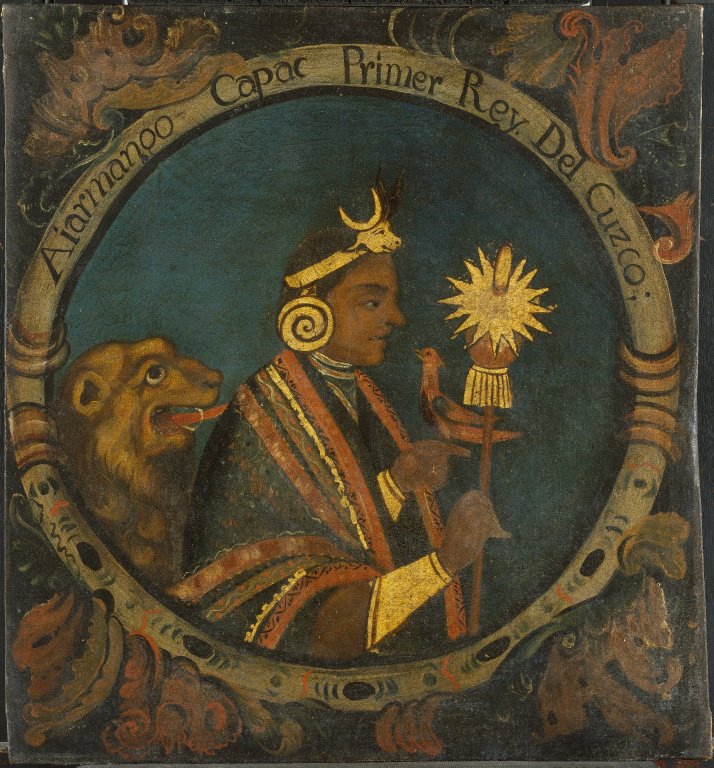
1200 AD: The Inca civilization begins to emerge in the highlands of Peru. The legendary first Inca ruler, Manco Capac, is said to have founded the city of Cusco.
1438 AD: Pachacuti Inca Yupanqui becomes the ninth Sapa Inca (emperor) of the Incas. He launches a series of military campaigns, expanding the Inca Empire through conquest.
1440 AD: Pachacuti leads the Inca forces in the Battle of Cuzco against the Chancas, a rival indigenous group. The Incas emerge victorious and solidify their control over the Cusco region.
1450 AD: Pachacuti orders the construction of Sacsayhuaman, a monumental fortress near Cusco, as a symbol of Inca power and a defense against potential enemies.
1463 AD: Pachacuti’s son, Topa Inca Yupanqui, becomes the ruler of the Inca Empire. He continues the expansion of the empire, reaching its zenith in terms of territorial control.

1471 AD: Topa Inca Yupanqui leads a military campaign into Ecuador, bringing large parts of the northern Andes under Inca control. He captures Quito, the capital of the Quitu civilization.
1480 AD: Topa Inca Yupanqui conducts a successful military campaign into the central Andes, capturing the Chimu capital of Chan Chan and assimilating the Chimu culture into the Inca Empire.
1483 AD: The Inca Empire expands into the southern highlands of present-day Peru, incorporating the territory of the Colla people and establishing the province of Collasuyu.
1493 AD: The Inca Empire expands further into present-day Bolivia, capturing the territory of the Aymara people and establishing the province of Collao.
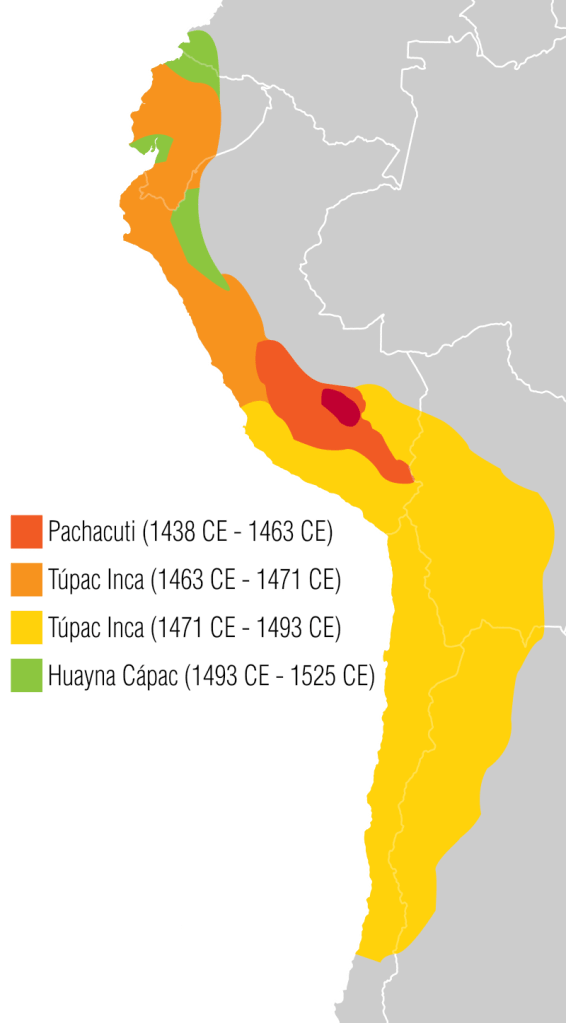
1498 AD: The Inca Empire expands into the northwestern region of present-day Argentina, incorporating parts of the Calchaquí Valley and establishing the province of Antisuyu.
1502 AD: Topa Inca Yupanqui passes away, and his son Huayna Capac becomes the Sapa Inca. Under Huayna Capac’s reign, the Inca Empire continues to consolidate and expand.

1528 AD: The empire faces a major challenge as a smallpox epidemic, brought by the Spanish conquistadors, spreads rapidly. The epidemic causes significant mortality among the Inca population, including Huayna Capac and his designated heir.
1532 AD: Atahualpa and his half-brother Huascar engage in a civil war for control of the empire. The ongoing conflict weakens the Inca Empire, making it vulnerable to external threats.
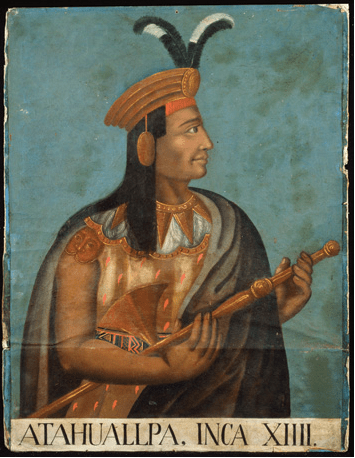
November 16, 1532 AD: Francisco Pizarro, leading a small group of Spanish conquistadors, captures Atahualpa in the Battle of Cajamarca. This event marks a turning point in Inca history and the beginning of Spanish colonization in the region.
1533 AD: Atahualpa is executed by the Spanish, further destabilizing the Inca Empire.
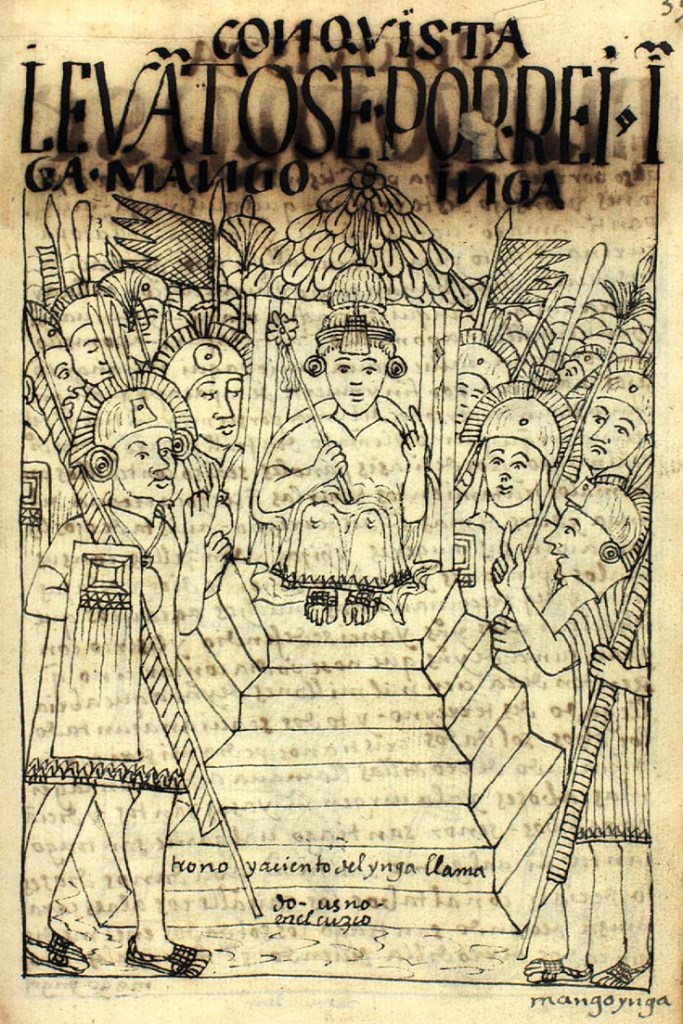
1536-1537 AD: Manco Inca, a puppet emperor appointed by the Spanish, leads a rebellion against the Spanish conquistadors. The Inca resistance puts up a formidable fight but is ultimately suppressed.
1537 AD: The Spanish establish the colonial city of Lima, marking the beginning of their permanent presence in Peru.
1542 AD: The Spanish crown establishes the Viceroyalty of Peru, further solidifying Spanish control over the Inca Empire and its territories.
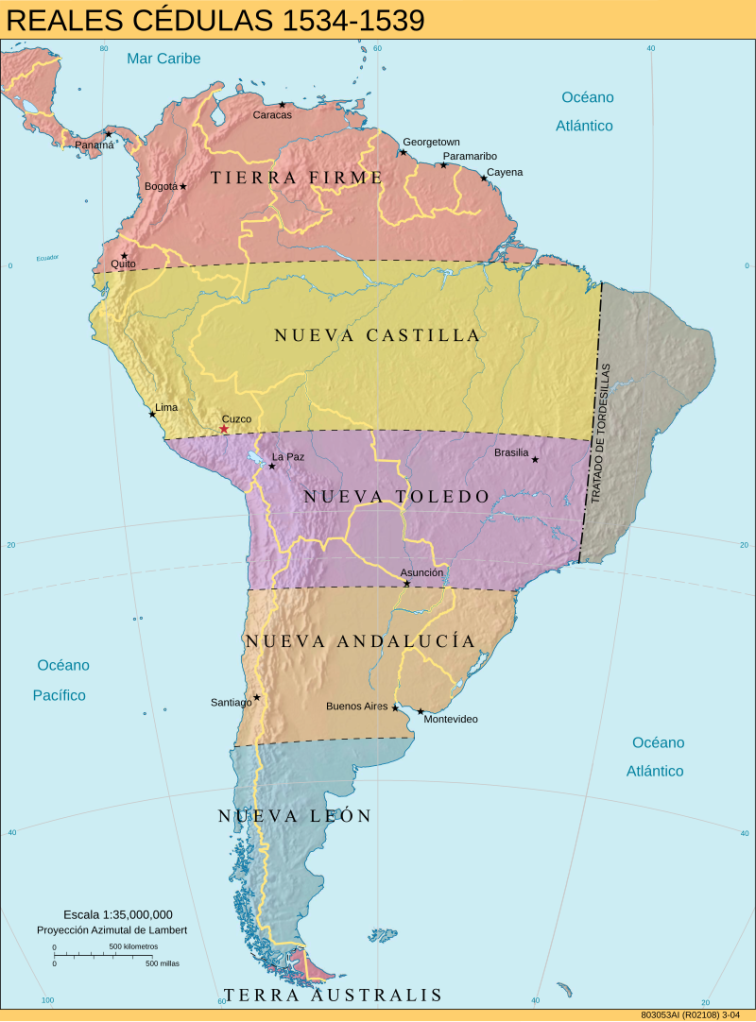
(c) Milenioscuro 1572 AD: The last independent Inca stronghold, Vilcabamba, falls to Spanish forces. This marks the end of the Inca resistance against Spanish colonization.
1572 AD onwards: The Inca civilization undergoes a process of assimilation into the Spanish colonial order. Many aspects of Inca culture, such as religion, language, and social organization, are suppressed or transformed by the influence of Spanish colonization.

 Digital Maps of the Ancient World