Timeline of the Neo-Assyrians
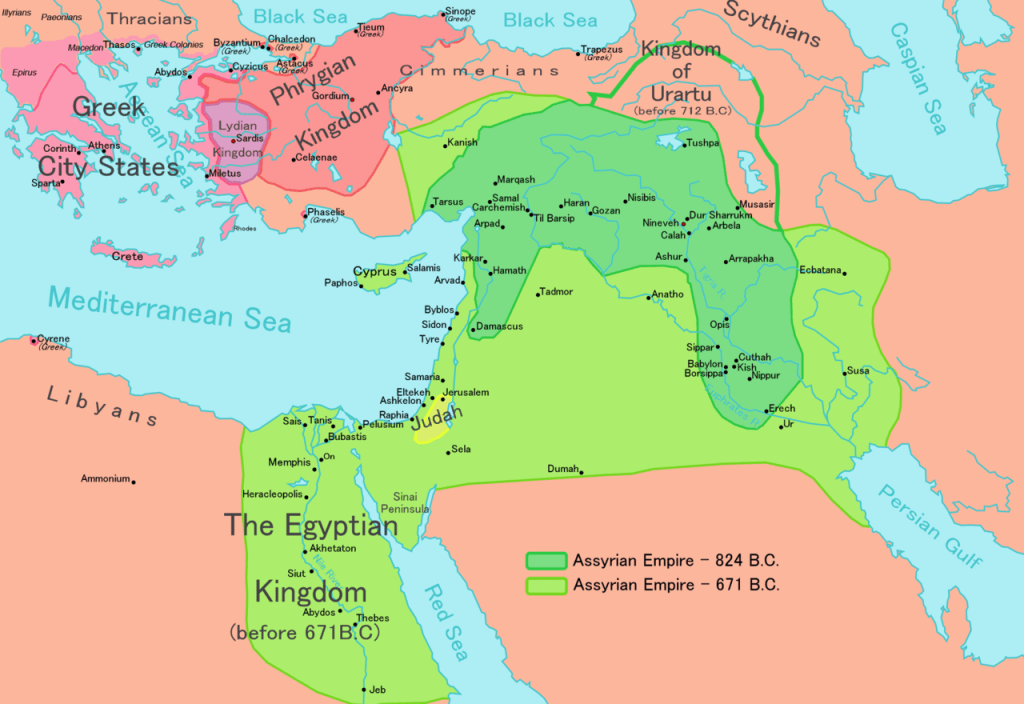
912-612 BC: Neo-Assyrian Empire in the Near East.
912-891 BC: Reign of Adad-nirari II, who revitalizes the empire and secures its borders.
883-859 BC: Reign of Ashurnasirpal II, who moves the capital from Ashur to Kalhu.
853 BC: The Babylonian kings depend on the support of the Neo-Assyrian military.
824-811 BC: Reign of King Shamshi Adad V, which sees civil war erupt.
745-727 BC: Reign of Tiglath-pileser III, who restructures the government and military, while expanding the empire.
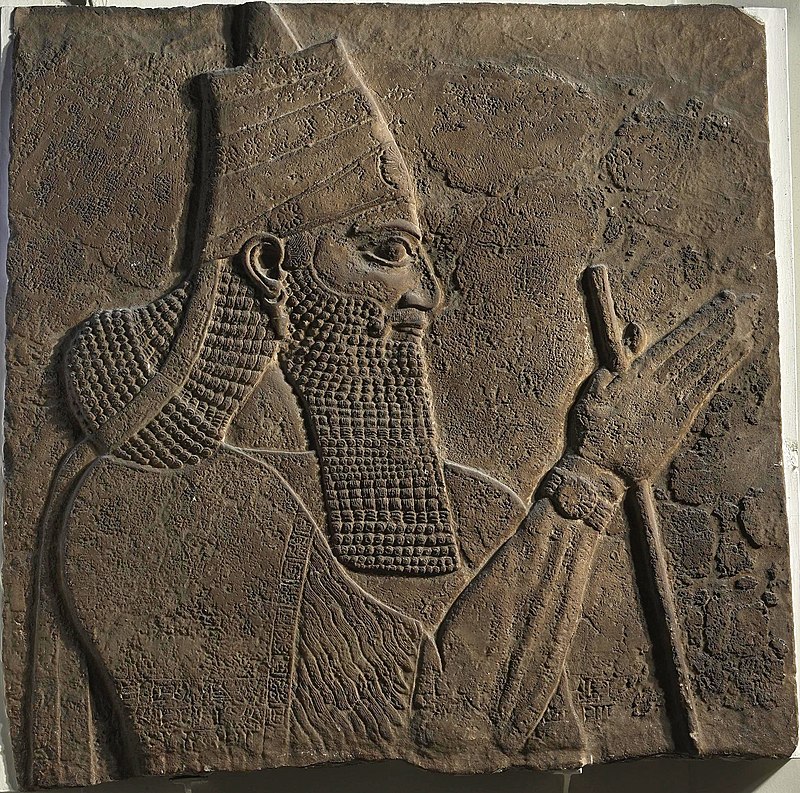
729 BC: Babylon is occupied by the Neo-Assyrians.
727-722 BC: Reign of Shalmaneser V.
722-705 BC: Reign of Sargon II, which sees the peak of the Neo-Assyrian empire.
722 BC: Israel is conquered by the Neo-Assyrians.
705-681 BC: Reign of Sennacherib, who moves the capital from Dur-Sharrukin to Nineveh.
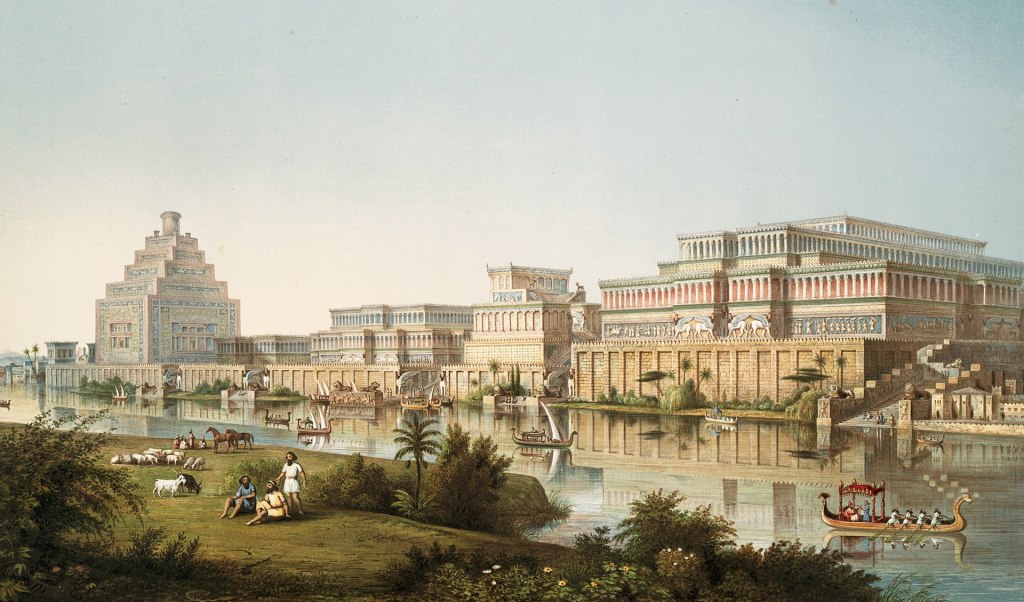
701 BC: The city of Lachish in Judah is sacked by the Neo-Assyrians but they fail to take the capital Jerusalem.
681-669 BC: Reign of Esarhaddon, who expands the empire.
c. 676 BC: The Scythians and Mannaens attack the Neo-Assyria empire.
671 BC: The Neo-Assyrian army successfully captures Memphis and conquers Egypt.
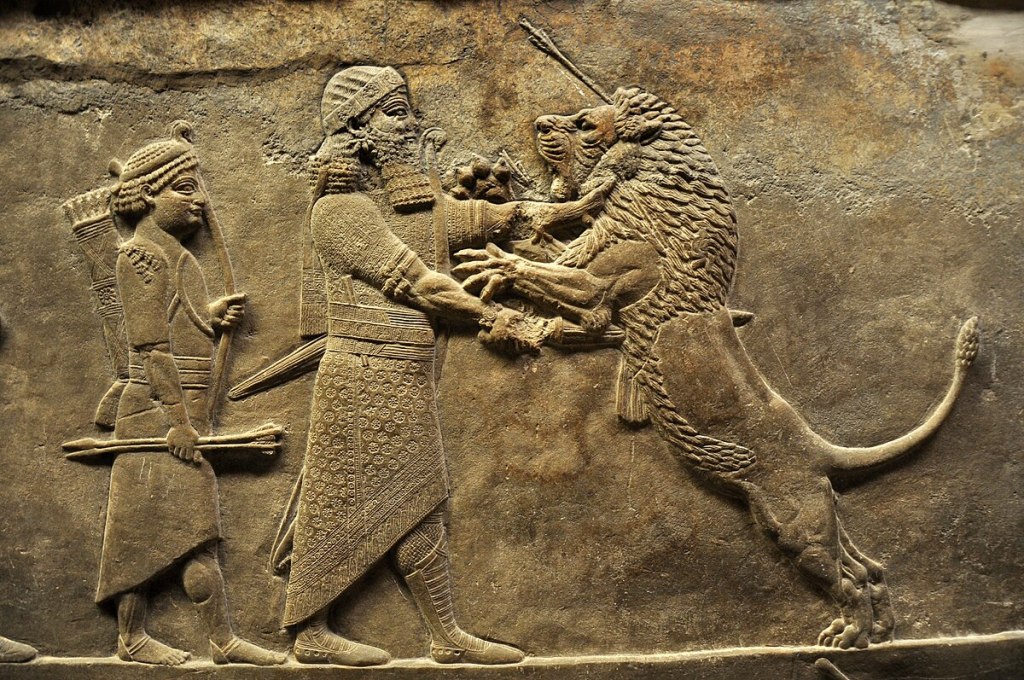
668-627 BC: Reign of Ashurbanipal, the last great king of the Neo-Assyrian empire.
(c) Aiwok 653 BC: Egypt expels the Neo-Assyrians.
648 BC: War between the Neo-Assyrians and the Elamites break out.
627 BC: Revolts break out following the death of Ashurbanipal and the empire begins to fail.
612 BC: The great Neo-Assyrian cities of Ashur, Kalhu, and Nineveh are sacked and burned by the Medes, Babylonians, and Persian forces.

 Digital Maps of the Ancient World