Roman Religion
Step into the ancient world of Rome and discover the intricate tapestry of its religious beliefs and practices. From the grand public rituals to the intimate devotions within the home, Roman religion permeated every aspect of daily life.
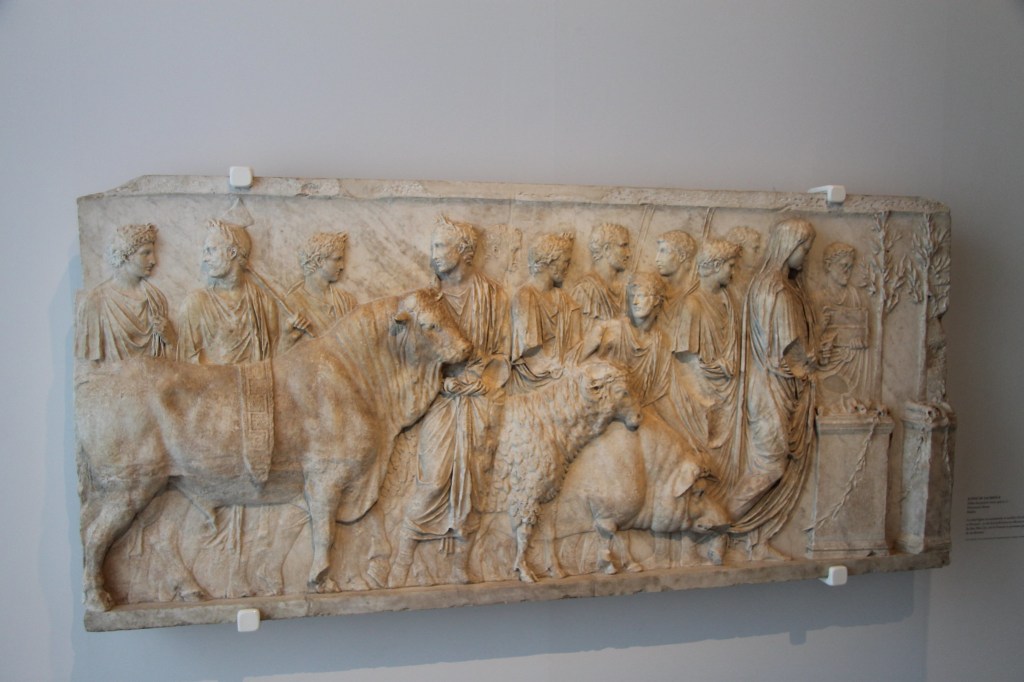
At the heart of Roman religion were the priests and priestesses, who served as intermediaries between the human and divine realms. Their roles varied widely, from performing sacrifices and conducting rituals to overseeing the state’s religious affairs. Some of the most prominent priesthoods included the Pontifex Maximus, the Vestals, and the Augurs.
Roman festivals were vibrant occasions that honored specific deities or marked important events in the year. These celebrations often included sacrifices, processions, games, and feasts. Some of the most well-known festivals were the Saturnalia, the Lupercalia, and the Bacchanalia.
While public rituals were important, Roman religion also extended into the private realm. Households often had altars dedicated to various deities, where family members would offer prayers, sacrifices, and libations. The Lares and Penates were particularly important household deities, believed to protect the home and family.
Religion played a crucial role in Roman public life, shaping the state’s laws, customs, and military practices. The Roman Senate, for example, was often guided by the advice of augurs, who interpreted the will of the gods through bird omens. Religion also played a central role in Roman military rituals, such as the lustrum, a purification ceremony performed every five years.
As you explore this page, you will discover the rich and diverse world of Roman religion. From the grand public ceremonies to the intimate devotions within the home, Roman religion was a fundamental aspect of ancient Roman society, shaping its culture, politics, and social life.



 Digital Maps of the Ancient World