Decennalia
The Decennalia were festivals celebrated every ten years to commemorate the anniversary of an emperor’s reign. These festivals were a way to express loyalty and gratitude to the emperor and to ensure the continued prosperity of the empire.
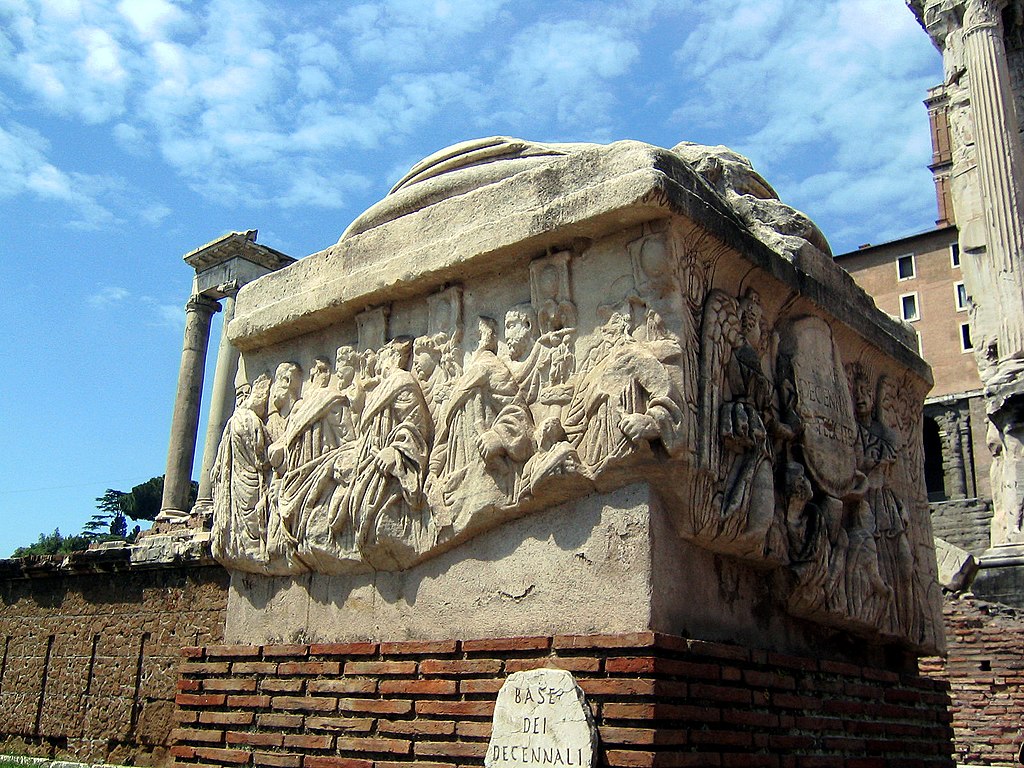
Observances: Vows to the emperor
The origin of the Decennalia can be traced back to 27 BC when Augustus refused the offer of supreme power for life and accepted it only for a ten-year term. During the first Decennalia, Augustus symbolically surrendered his authority to the people, who then immediately returned it to him. This gesture demonstrated Augustus’ commitment to republican ideals and his respect for the will of the people.
The Decennalia were marked by various celebrations and rituals. One of the key elements of the festival was the offering of vows to the emperor, known as vota decennalia. These vows expressed the people’s desire for the emperor’s continued success and the prosperity of the empire.
To commemorate the Decennalia, special coins were minted. These coins often featured images of the emperor and inscriptions related to the festival. The minting of these coins was a way to mark the occasion and spread the message of the emperor’s achievements.

 Digital Maps of the Ancient World