Equus October
The Equus October, also known as the October Horse, was an annual sacrifice to Mars, the Roman god of war, performed on 15th October. This ritual was unique in Roman religion, as horses were not typically sacrificed for food.
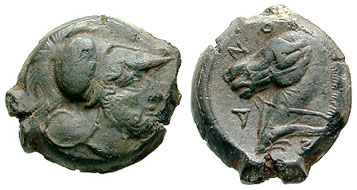
Date: 15th October
Deity: Mars
Observances: Horse sacrifice, chariot racing
The Equus October was associated with the Equirria, other horse-racing festivals held in honor of Mars, and the ritual involved several distinct stages:
Chariot Races: Two-horse chariot races (bigae) were held in the Campus Martius, the area of Rome named for Mars. The right-hand horse of the winning team was selected for the sacrifice.
Sacrifice and Dismemberment: The selected horse was transfixed by a spear and sacrificed. Its head and tail were then cut off for use in subsequent rituals.
Head Display: Two neighborhoods (vici) would compete for the right to display the horse’s head. This competition symbolized the rivalry and competitive spirit that characterized Roman society.
Tail Ritual: The freshly bloodied tail of the horse was carried to the Regia, the sacred heart of Rome. This ritual was believed to have purifying or protective properties and was an important part of the October Horse ceremony.

 Digital Maps of the Ancient World