Fornacalia
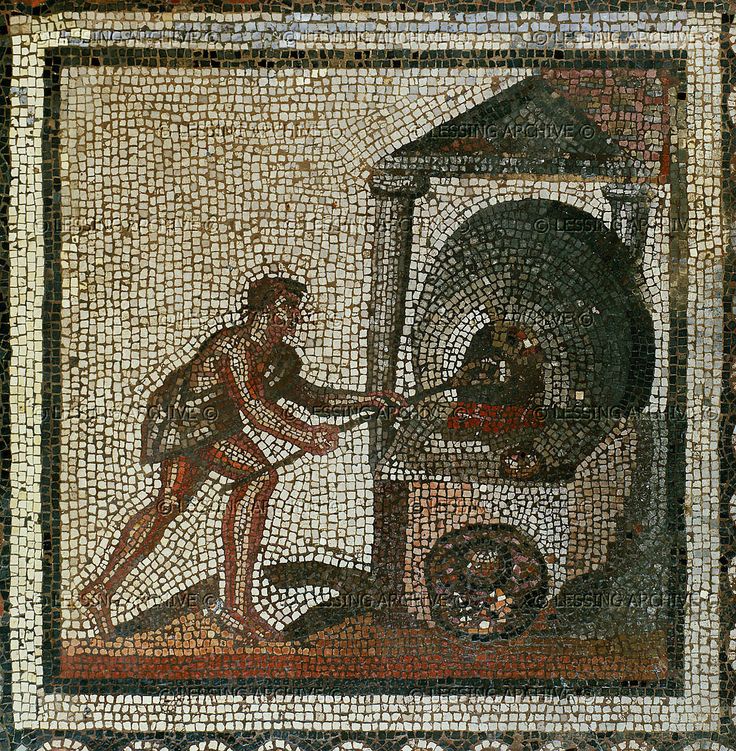
The Fornacalia was a religious festival celebrated in honor of Fornax, the divine personification of the oven. This festival was closely tied to the art of bread-making and ensuring a successful harvest.
Date: early February
Deity: Fornax
Observances: Sacrifce of spelt, feasting
According to legend, the Fornacalia was established by Numa Pompilius, one of the early kings of Rome. Ovid described the goddess Fornax as a symbol of the oven’s importance in baking bread.
It was held in early February, but the exact date varied depending on the curia, or ward, of the city. The curio maximus, the priest who led the curia, would announce the specific date for each ward.
During the Fornacalia, families from each curia would bring spelt, a type of grain, to be toasted in the meeting hall and sacrificed to Fornax. This sacrifice was believed to ensure that the bread baked in household ovens would not be burnt in the following year.
The final day of the Fornacalia was known as the quirinalia, which was also jokingly referred to as the “feast of fools.” On this day, all the curiae would gather together for a collective feast.

 Digital Maps of the Ancient World