Hilaria
The Hilaria was a festival celebrated on the March equinox in honor of Cybele, the goddess of nature, fertility, and the mountains. The festival marked the end of winter and the beginning of a new season.
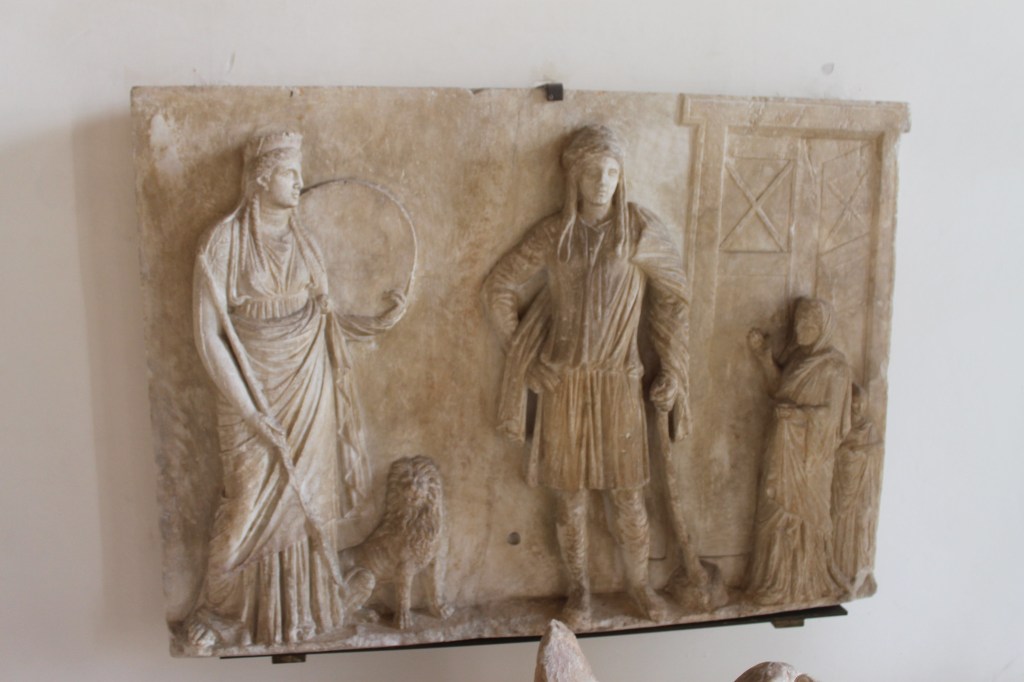
Date: 15th-28th March
Deity: Cybele
Observances: Ritual mourning, symbolic decoration, processions, games, masquerades
The Hilaria was preceded by a nine-day period of abstinence, known as the “Reed Entered.” During this time, participants were forbidden from consuming certain foods and drinks, including bread, pomegranates, quinces, pork, fish, and wine. Only milk was permitted.
The nine-day period was a time of purification and preparation for the main celebration. The reed, a symbol of rebirth and renewal, was associated with Attis, Cybele’s lover, who was believed to have been exposed as a baby on the banks of a river.
The “Day of Blood” was a particularly intense day of the festival. Participants engaged in frenzied rites, including self-flagellation and castration rituals. These practices were believed to symbolize the suffering and sacrifice of Attis, who was said to have castrated himself.
The “Day of Joy,” or Hilaria proper, marked the resurrection of Attis. This was a time of celebration, featuring processions, games, and masquerades. The statue of Cybele was carried through the streets, accompanied by music and dancing.

 Digital Maps of the Ancient World