Liberalia
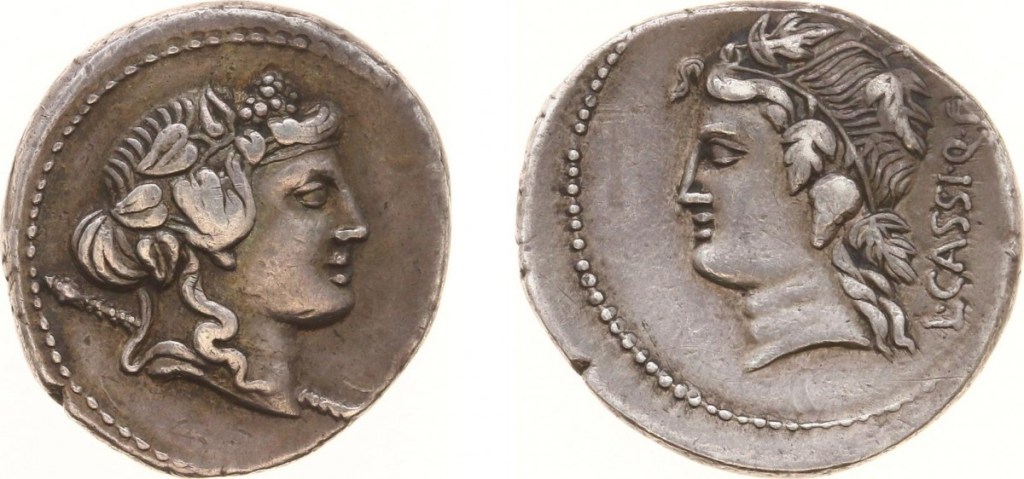
The Liberalia was a festival celebrated on 17th March in honor of Liber Pater, the god of fertility and wine, and his consort Libera. The festival marked the transition of young boys into manhood.
Date: 17th March
Deity: Liber and Libera
Observances: Sacrifices and processions
Roman boys, typically around the age of 15 or 16, would remove the bulla praetexta, a protective charm worn around the neck since childhood. The bulla was often dedicated to the Lares, the household gods, and placed on an altar with a lock of hair or the stubble from a first shave. Mothers often kept the discarded bulla as a superstitious protection for their sons.
The Liberalia was a festive occasion featuring sacrifices, processions, and ribald songs. Masks were hung on trees, symbolizing the transformation from boyhood to adulthood.
Liber Pater was an ancient god associated with fertility, wine, and the protection of seeds. Like the Greek god Dionysus, he had female priestesses known as Sacerdos Liberi. These priestesses would wear wreaths of ivy and prepare special cakes called libia, which passing devotees could sacrifice on their behalf.
Over time, the Liberalia evolved to include the goddess Libera, who was associated with female fertility. Liber and Libera were seen as complementary deities, governing male and female fertility respectively. Ovid identified Libera with Ariadne, the wife of Dionysus.

 Digital Maps of the Ancient World