Ludi Apollinares
The Ludi Apollinares were solemn games held annually in Rome to honor Apollo, the god of music, poetry, and healing. The tradition of these games originated in 212 BC, when C. Sulla, the praetor, made a vow to hold them in honor of Apollo.
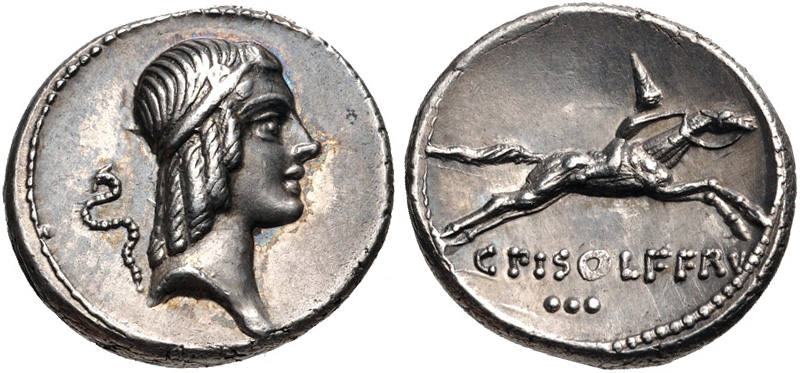
Date: 6th-13th July
Deity: Apollo
The games were held in the Circus Maximus and featured equestrian events and theatrical performances. One notable performance was Ennius’ play “Thyestes,” which was staged in 169 BC as part of the Ludi Apollinares.
The Ludi Apollinares were initially a one-day event, but they were later extended to last eight or nine days. This expansion is believed to have been prompted by a severe plague that struck Rome in 208 BC. The Romans attributed the plague to Apollo’s anger and believed that the games were necessary to appease him and end the epidemic.

 Digital Maps of the Ancient World