Ludi Capitolini
The Ludi Capitolini, also known as the Capitoline Games, were annual games established in 387 BC by Camillus to commemorate the Capitol’s escape from capture during the Gallic siege. Initially religious in nature, they evolved into a celebration of various forms of human achievement.
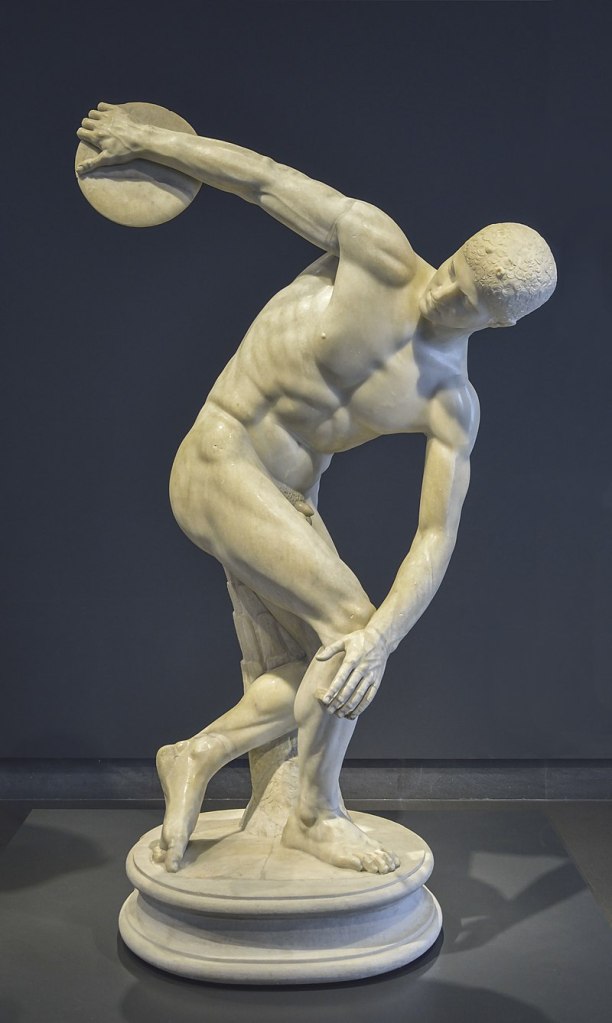
Observances: Greek-style games
The games originally involved a unique ritual involving Etruscan slaves who were auctioned off and adorned with children’s amulets. However, these practices were later discontinued.
Under Domitian, the Capitoline Games were revitalized and modeled after the Olympic Games. Held every four years, the games attracted contestants from all over the Empire, who competed in a range of events. Winners were awarded prizes and crowns by the Emperor himself.
The Capitoline Games became so prestigious that the Romans began to measure time in lustrums, five-year periods based on the games. This shift from the traditional Roman calendar highlights the importance and influence of the Capitoline Games in Roman society.

 Digital Maps of the Ancient World