Lupercalia
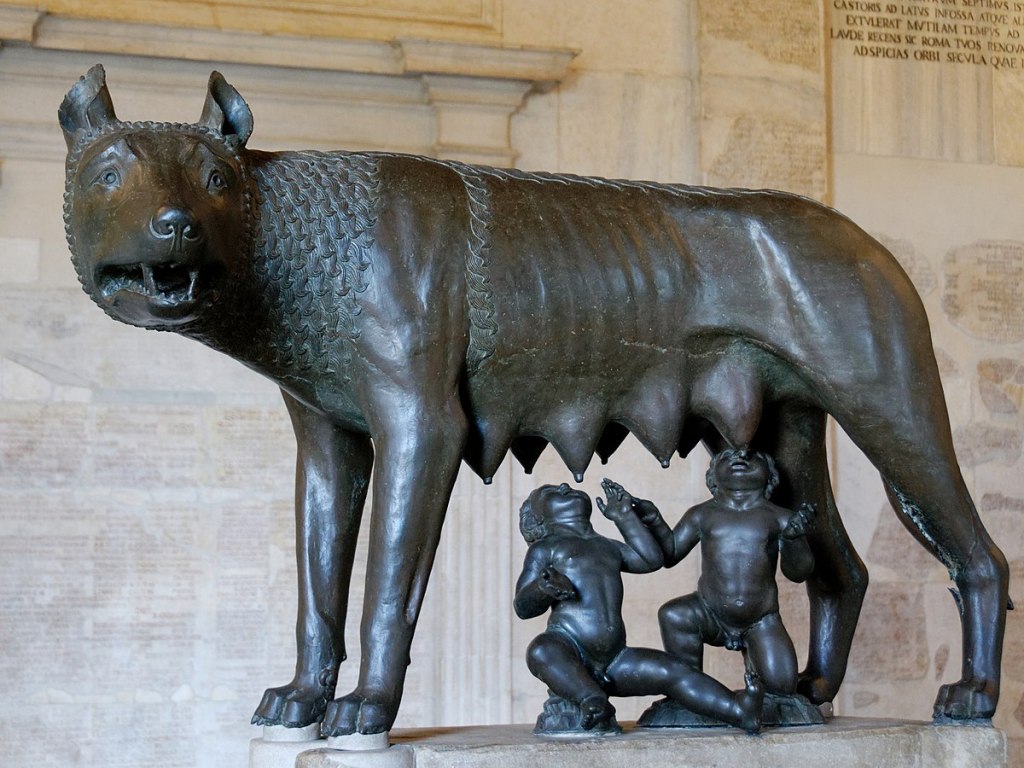
The Lupercalia was a festival celebrated on 15th February to promote health, fertility, and the purification of the city. The festival was centered around the Lupercal cave, a sacred site associated with the city’s foundation myth.
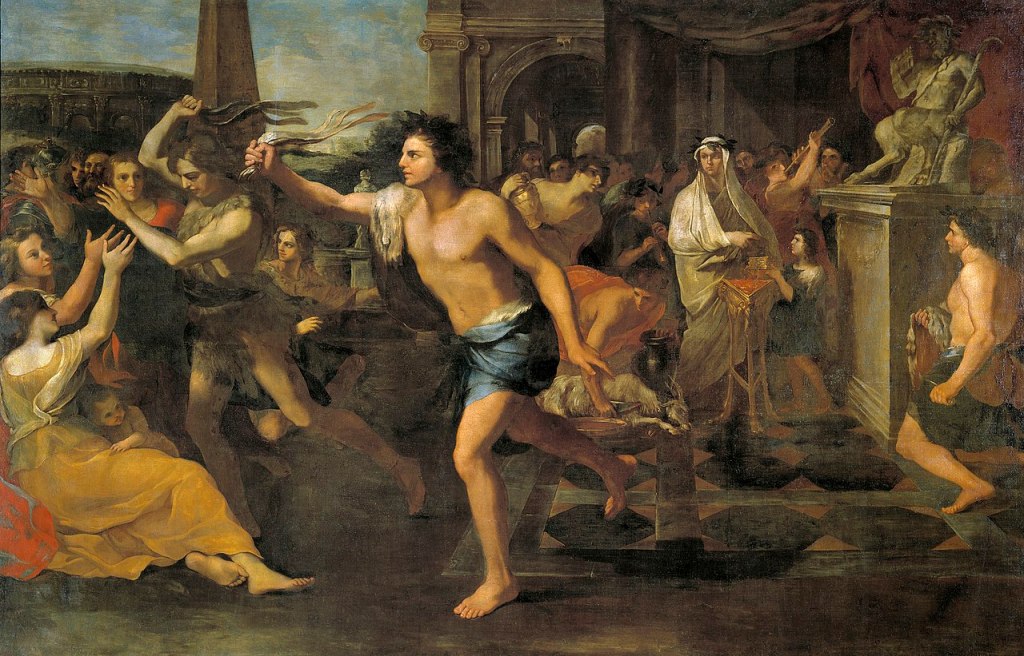
Date: 15th February
Observances: Sacrifice of a goat and dog, offerings of cakes by the Vestals, fertility rite in which the goatskin-clad Luperci strike women who wish to conceive.
The Lupercalia had its own priesthood, the Luperci, who were young men responsible for conducting the festival’s rituals. The Luperci were divided into two collegia, or associations, and each college was led by a magister. The two original collegia were the Quinctiliani and the Fabiani, named after the Quinctia and Fabia gentes, respectively.
In 44 BC, a third college, the Juliani, was established in honor of Julius Caesar. However, this college disbanded following Caesar’s assassination and was not re-established in the reforms of his successor, Augustus. During the Imperial era, membership in the Luperci was opened to young men of equestrian status.
The main event of the Lupercalia was a sacrificial rite involving a goat and a dog. After the sacrifice, Luperci would run through the streets of Rome, striking people with thongs made from the animal’s skin. This practice was believed to promote fertility and ward off evil spirits.
Before running, the Luperci would have their foreheads anointed with the blood of the sacrificial animal and then wiped clean with wool soaked in milk. This ritual was believed to purify the Luperci and prepare them for their role in the festival.
The Lupercalia was a colorful and festive event, but it also reflected the more primitive aspects of Roman religion. The festival’s association with the Lupercal cave and its emphasis on animal sacrifice highlight the Romans’ deep connection to nature and their belief in the power of ancient rituals.
The Lupercalia was also a celebration of masculinity and youth. The Luperci were young men, and their participation in the festival emphasized their physical strength and vitality.
Despite its ancient origins, the Lupercalia continued to be celebrated in Rome well into the Imperial period. However, as Christianity spread throughout the Roman Empire, the festival gradually fell out of favor and was eventually discontinued.

 Digital Maps of the Ancient World