Nemoralia
The Nemoralia, also known as the Festival of Torches or Hecatean Ides, was a three-day festival originally celebrated on the Ides of August (13th-15th August) in honor of the goddess Diana.
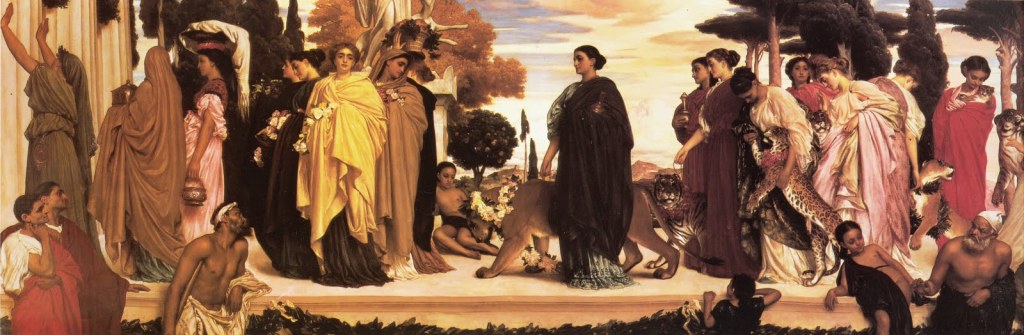
Date: 13th-15th August
Deity: Diana
Observances: Lighting candles and torches, wearing garlands and wreaths, making prayers and offerings to Diana by tying prayer ribbons and leaving tokens near bodies of water and other sacred places.
The Nemoralia likely has origins that predate the widespread adoption of Diana’s worship in Rome during the 3rd c. BC. It’s possible that the festival’s roots extend as far back as the 6th c. BC.
Historical records from the 1st c. BC describe worshippers traveling to the Sanctuary of Diana at Lake Nemi, carrying torches and garlands. It, initially a localized celebration, eventually gained popularity throughout Italy, even being observed at the Temple of Diana on the Aventine Hill in Rome, an area typically associated with more Roman deities.
The Nemoralia was a vibrant celebration that included a variety of rituals and activities. One of the most prominent rituals involved a procession of worshipers carrying torches and garlands around Lake Nemi. This lake, also known as Diana’s Mirror, was a sacred place associated with the goddess.
Other rituals included the washing of hair and the adorning of oneself with flowers. Dogs were also honored during the festival, and they were often dressed with blossoms.
Worshipers offered various items to Diana during the Nemoralia, including:
- Statuettes: Small clay or bread statuettes of body parts in need of healing, mother and child figures, and stag sculptures were often offered.
- Fruit: Fruits such as apples were commonly offered to Diana.
- Garlic: Garlic was offered to Hecate, a goddess associated with the underworld and the night.
- Prayers and wishes: Worshipers wrote prayers and wishes on ribbons and tied them to trees.

 Digital Maps of the Ancient World