Pontifex Maximus
The Pontifex Maximus was the highest-ranking priest in the College of Pontiffs, a powerful religious body in ancient Rome. Originally open only to patricians, the position became accessible to plebeians in 254 BC.
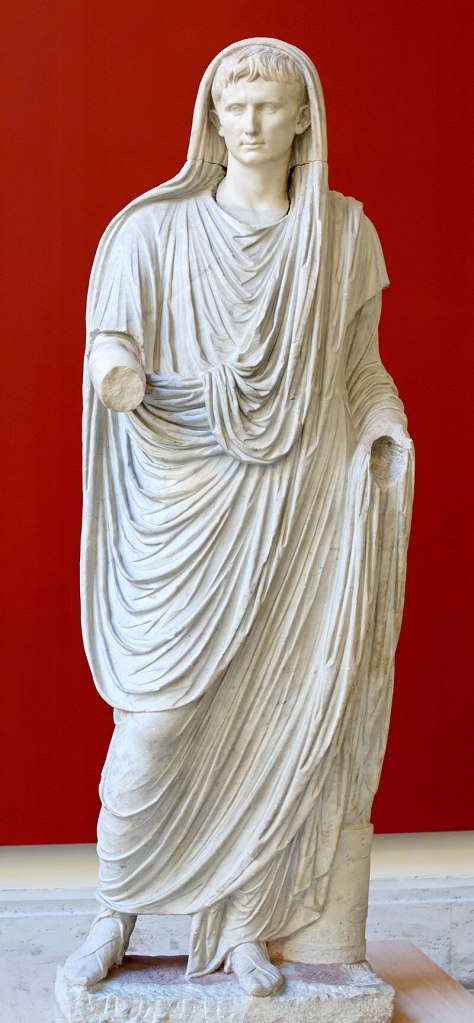
While the Pontifex Maximus held the most influential position within the Roman priesthood, it was officially ranked fifth in the hierarchy of priests, below the Rex Sacrorum and the three major flamines.
During the Roman Republic, the Pontifex Maximus was primarily a religious figure. However, over time, the position became increasingly politicized. Augustus, the first Roman emperor, combined the role of Pontifex Maximus with the imperial office, establishing a precedent that would be followed by subsequent emperors.
The Pontifex Maximus had a wide range of responsibilities, including:
- Maintaining the Pax Deorum: He was responsible for ensuring the “peace of the gods” and maintaining harmony between the human and divine worlds.
- Interpreting Religious Law: He was the ultimate authority on religious law and customs.
- Overseeing Religious Rituals: He oversaw the performance of religious rituals and ceremonies, ensuring their proper execution.
- Regulating the Calendar: He was responsible for regulating the Roman calendar, ensuring that it remained synchronized with the seasons.
- Managing Sacred Places: He oversaw the maintenance and preservation of sacred places and objects.
- Supervising Vestals: He was responsible for supervising the Vestals, a group of priestesses dedicated to Vesta, the goddess of the hearth.
The Pontifex Maximus was a powerful figure in Roman society, and their influence extended beyond religious matters. They were often involved in political affairs and could exert significant influence over the government.
The Pontifex Maximus was easily recognizable by their distinctive attire. They wore a toga praetexta, a robe with a purple border, and carried a secespita, a ceremonial knife. They also had access to the Regia, the official residence of the Pontifex Maximus.

 Digital Maps of the Ancient World