The Roman Army
The military expertise of Ancient Rome formed the bedrock of its power and dominance, honed over centuries of warfare with neighboring powers. Through adaptability, disciplined training, and strategic innovation, Rome conquered and controlled vast territories across the Mediterranean basin and beyond. From the disciplined legions to technological advancements in siege warfare and infrastructure, Rome’s military prowess enabled it to outmaneuver adversaries and sustain prolonged campaigns far from its home territory.
This mastery of warfare, coupled with organizational efficiency and logistical capabilities, ensured Rome’s status as a dominant force in the ancient world, leaving a lasting legacy of military innovation and strategic acumen.
The Early Roman Army (c. 500-300 BC)
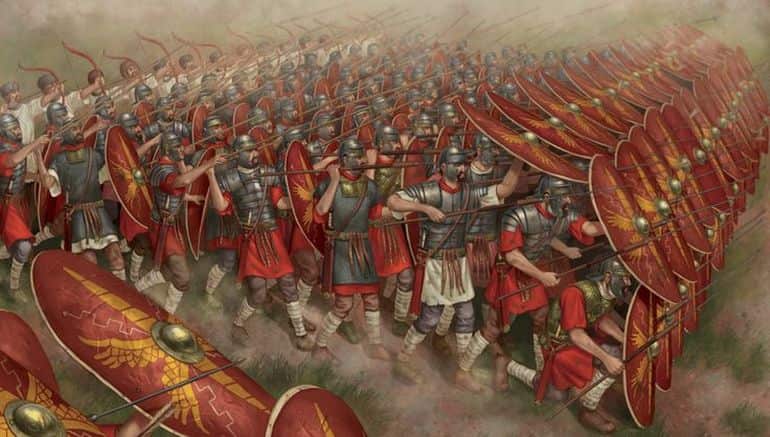
The Early Roman army, spanning from the Regal Period to the early Republican period c. 300 BC, transitioned from clan-based war-bands to a more organized system under King Servius Tullius.
Tullius introduced a universal levy of eligible adult male citizens, comprising 9,000 men divided into heavily armed infantry, light-armed infantry (velites), and cavalry. With the onset of the Republican period c. 500 BC, this levy remained, but was now divided equally between the two consuls, each commanding a legion of 4,500 men. This marked the beginning of a more structured military organization, paving the way for further reforms such as the introduction of the manipular system.

The foedus Cassianum, established c. 493 BC with the Latins, was a significant development for the Roman army. This treaty, characterized by mutual non-aggression and defensive cooperation, also included provisions for the integration of Latin troops into the Roman army. This integration effectively doubled the size of the army to 18,000 soldiers, enhancing Rome’s military capabilities and bolstering its ability to defend against external threats.
The Early Roman army participated in the following conflicts:
- The Etruscan Wars
- The First and Second Samnite War
- The Latin War
The Roman Army of the mid-Republic (c. 300-88 BC)
The mid-Republican army, spanning from c. 300-88 BC, marked a significant shift from the phalanx formation to the manipular system. This new system organized the army into three lines (triplex acies) composed of maniples, small units of 120 men, arranged in a chessboard pattern for enhanced tactical flexibility. This change was prompted by defeats in the rugged terrain of the Samnite Wars, which rendered the phalanx less effective. Additionally, the number of legions increased from 2 to 4 during this period, with each legion supported by an auxiliary force of non-citizen soldiers known as the ala, recruited from Rome’s Italian allies, or socii.
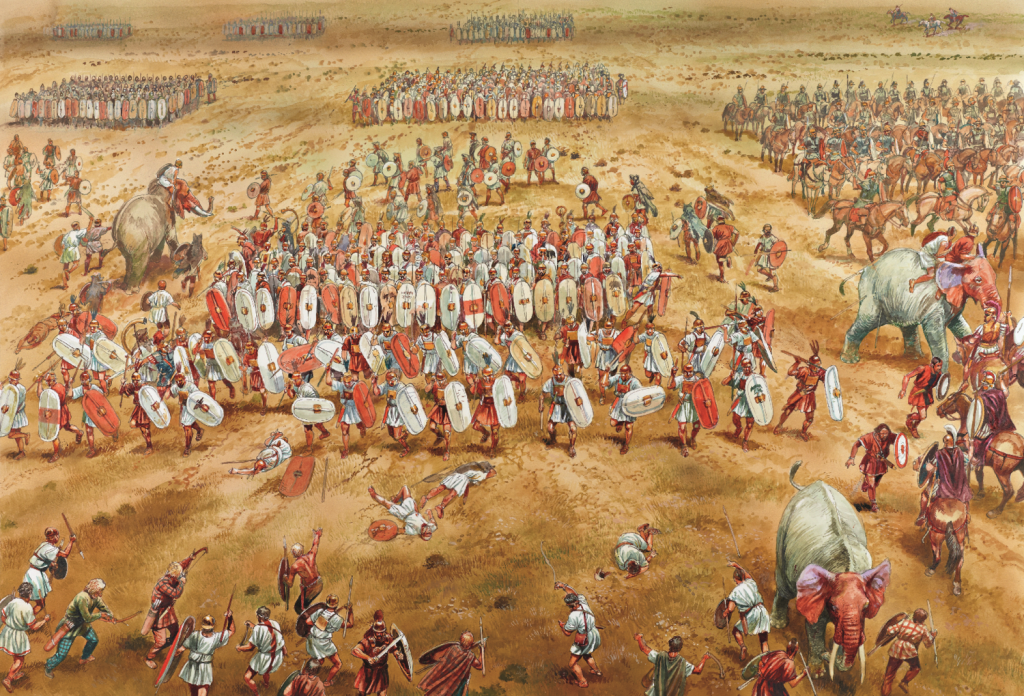
During the mid-Republican era, a typical legion comprised 4,200 infantry soldiers, including 3,000 heavy infantry, 1,200 velites, and 200–300 cavalry. The legion was organized into three battle lines, each containing 10 maniples, with hastati, principes, and triarii forming the core units. Hastati and principes maniples consisted of 120 men each, while triarii maniples had 60 men. Membership in each line was determined by age group, with hastati comprising younger men up to 25 years old, principes consisting of those aged 26–35, and triarii composed of older men aged 36–46.
Despite relying on levies initially, the Roman army began to integrate volunteers, particularly after the Second Punic War, as Rome expanded its overseas empire. These volunteers, often from the poorest social class without land ownership, were attracted by the modest military pay and the promise of a share of war spoils. They were willing to serve for longer durations than the legal six-year limit imposed on levies, supplementing the Roman army with a dedicated and motivated force.
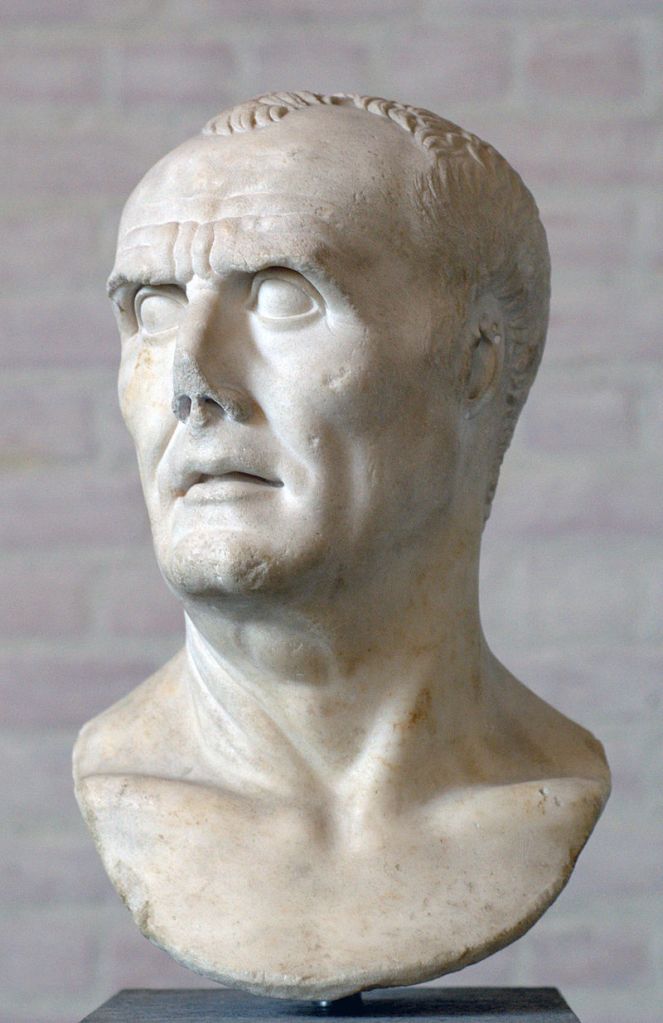
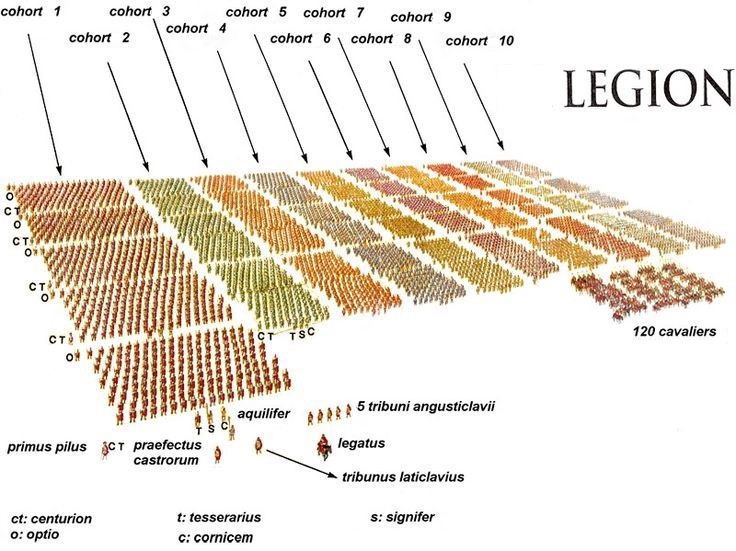
In 107 BC, Gaius Marius implemented sweeping changes to the mid-Republican army, known as the ‘Marian Reforms’, aimed at creating a more professional and permanent military force. These reforms revolutionized the Roman military by standardizing the legionary and introducing the cohort unit, while also altering recruitment requirements regarding property and weaponry. Marius centralized the responsibility of supplying and managing the army under the general and granted citizenship and land to all Roman soldiers. While these reforms bolstered Rome’s military supremacy, they also inadvertently contributed to social and political disruptions in the Late Republic.
The mid-Republican Roman army participated in the following conflicts:
- The Third Samnite War
- The Punic Wars
- The Pyrrhic War
- The Roman-Gallic Wars
- The Macedonian Wars
- The Achaean War
- The Servile Wars
- The Jugurthine War
- The Cimbrian War
- The Social War
The Roman Army of the Late Republic (88-30 BC)
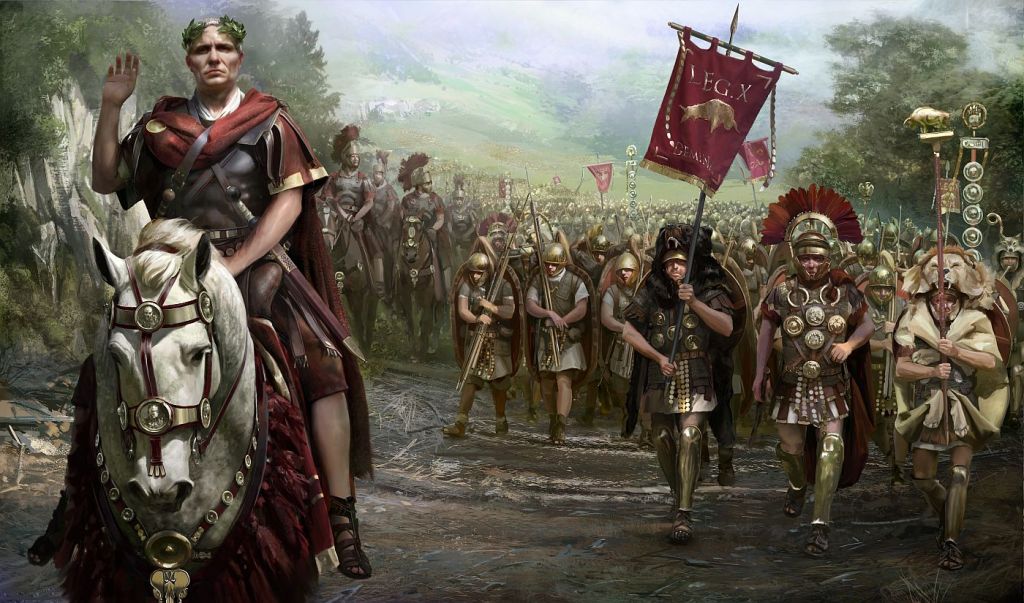
The Late Republican army, utilized from 88 BC until the establishment of the Imperial Roman army in 30 BC by Augustus, underwent significant changes and challenges. Following the Social War in 88 BC, Roman citizenship was extended to all Italian allies south of the Po River, leading to the abolition of the alae and direct recruitment of socii into Roman legions.
However, this period also witnessed the politicization of the military, with legions often showing loyalty to individual commanders over the Roman state, attracted by promises of booty and land. Consequently, much of the conflict during this era involved civil wars among rival Roman commanders vying for control of the Republic. This period of instability came to an end when Augustus, then known as Octavian, emerged victorious against Mark Antony, establishing the Principate and laying the groundwork for the Imperial Roman army.
The Late Republican Roman army participated in the following conflicts:
- The Mithridatic Wars
- The Civil War of Marius and Sulla
- The Sertorian War
- The Third Servile War
- The Gallic Wars
- Crassus’ Failed Campaign in Parthia
- The Civil War of Julius Caesar
- The Liberators’ Civil War
- The Civil War of Octavian and Mark Anthony
The Imperial Roman Army (30 BC – 284 AD)
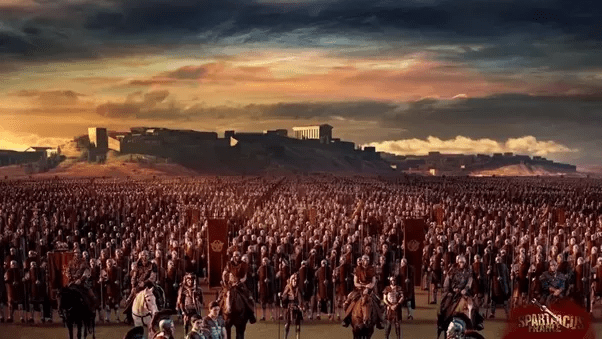
The Imperial Roman army, established by Augustus in 30 BC and lasting until the reforms of Diocletian in 284 AD, underwent significant developments and expansions.
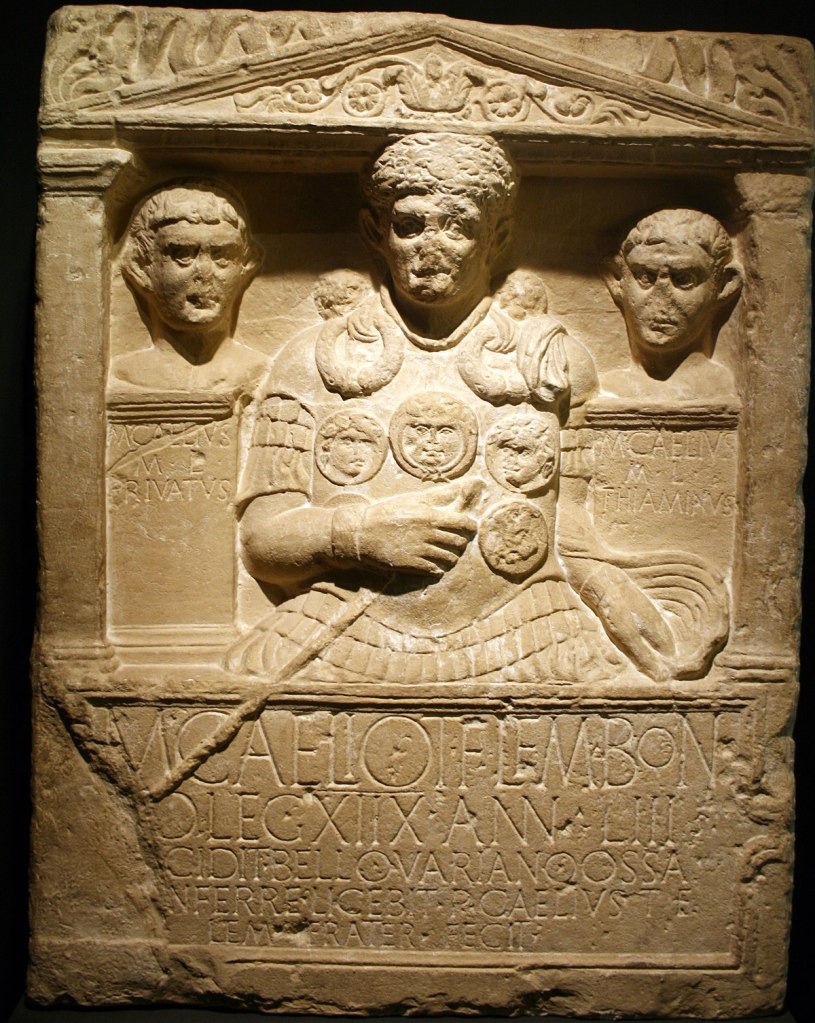
Augustus replaced the Republican system of citizen conscription with a standing professional army primarily composed of volunteers, serving a standard 20-year term with five years as reservists. While citizen conscription was reserved for emergencies, such as the Great Illyrian revolt of 6-9 AD, Augustus maintained 28 legions, each consisting of approximately 5,000 men, totaling 140,000 heavy infantry. By the time of Septimius Severus, the number of legions had increased to 33, each comprising around 5,500 men, totaling 181,500 soldiers.
Additionally, the legions were complemented by the Auxilia, consisting of non-citizen units from within the Empire who served a minimum term of 25 years, gaining citizenship for themselves and their families upon retirement. Under Augustus, the Auxilia comprised approximately 250 cohorts and alae, totaling 125,000 men, while by the time of Septimius Severus, this had expanded to around 400 units, totaling 200,000 soldiers. The Auxilia included diverse units such as infantry, cavalry, and specialized troops from various regions of the Empire, such as Balearic slingers, Cretan archers, and Numidian light cavalry.
The Impeiral Roman army participated in the following conflicts:
- Cantabrian Wars
- Campaigns in Germania
- Conquest of Britannia
- Roman-Parthian Wars
- Jewish-Roman Wars
- Year of the Four Emperors
- Dacian Wars
- Marcomannic Wars
- Septimius Severus’ Civil War
- Invasion of Caledonia
- Persian Wars
Further Topics