Legio II Augusta
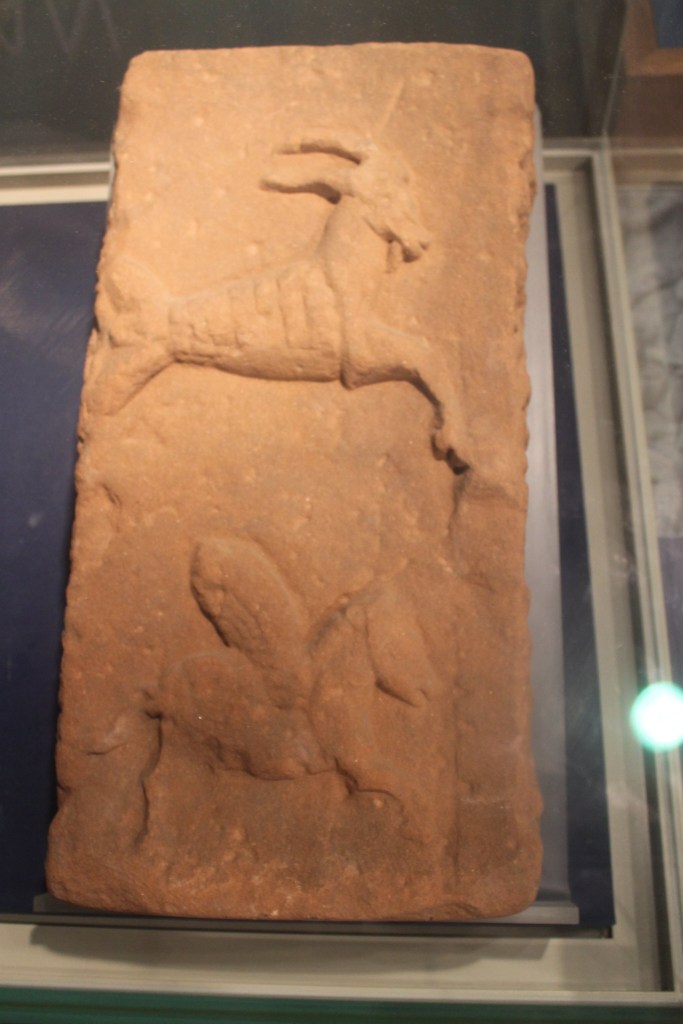
The Legio II Augusta, also known as the Second Augustan Legion, formed during the late Roman Republic. Its emblems were the Capricorn and Pegasus, symbols of strength and speed. The legion’s name, “Augusta,” likely reflects a significant victory or reorganization that occurred during the reign of Augustus.

Cognomen: Augusta
Emblem: Capricorn & Pegasus
Major Campaigns: Cantabrian Wars (26-19 BC); Germanicus’ German campaigns (14-16 AD); Invasion and conquest of Britain (43 AD onwards); Septimius Severus’ Caledonian campaigns (208-11 AD)
Main HQ: Isca Silurum (Caerleon, Wales)
Commanders: T. Flavius Vespasianus (legate, 42-47 AD); Cn. Julius Agricola (tribune, 58-62 AD); P. Septimius Geta (tribune, c. 170’s AD)
Early Service in Hispania
At the beginning of Augustus’ rule, in 26 BC, Legio II Augusta was relocated to northern Hispania Tarraconensis to fight in the Cantabrian Wars. The legion’s contributions were instrumental in establishing Roman power in the region. During their time in Hispania, they helped build the Roman colony of Colonia Julia Gemella Accitana and the city of Cartenna, in Mauritania.
Service in Germania and Gaul
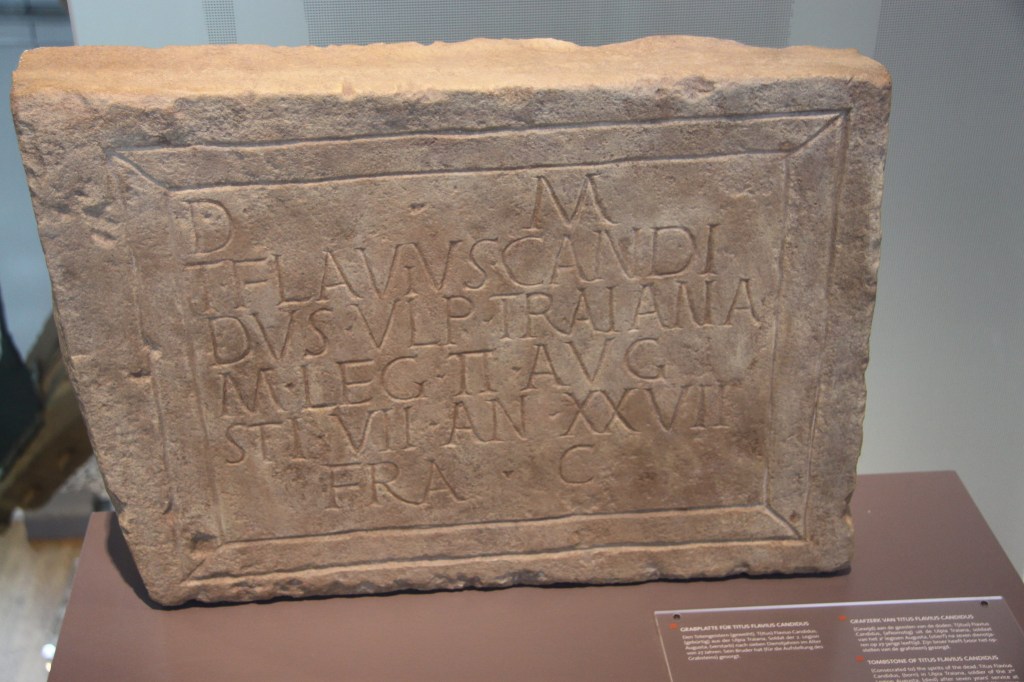
Following the disastrous Battle of the Teutoburg Forest in 9 AD, Legio II Augusta was deployed to Germania to help quell the uprising of Germanic tribes. Under the command of Germanicus, the legion participated in several campaigns against these tribes.
Later, the legion was stationed in Argentoratum (modern-day Strasbourg) and played a crucial role in suppressing the revolts of Julius Sacrovir and Julius Florus in Gaul. Under the command of Gaius Silius, Legio II Augusta helped to restore Roman control in the region.
Service in Britannia
Legio II Augusta was one of the four legions deployed by Claudius during his invasion of Britannia in 43 AD. Under the command of Vespasian, the legion fought against the Durotriges and Dumnonii tribes, marching across southern Britain and engaging in numerous battles.
Initially stationed at Alchester, Legio II Augusta was later moved to Waddon Hill in 49 AD. Subsequently, it was based in Exeter from 55 AD and possibly Glevum from 66 AD.
During the uprising of Queen Boudica, the legion’s praefectus castrorum, Poenius Postumus, disobeyed orders from Governor Suetonius Paulinus and refused to help put down the rebellion. This act of disloyalty led to his eventual suicide.
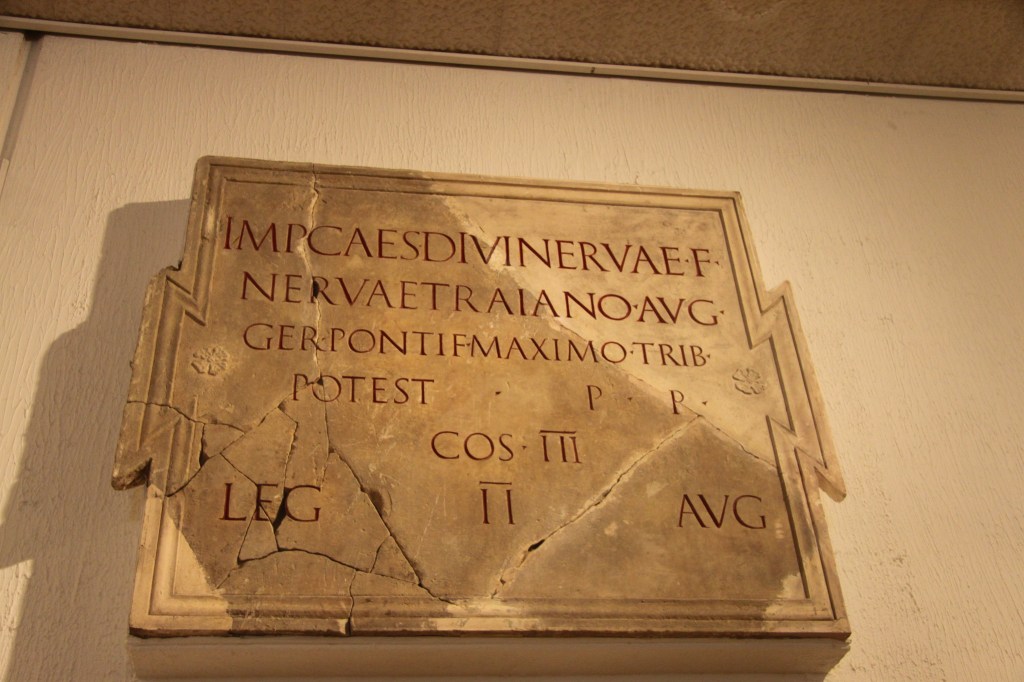
During the tumultuous Year of the Four Emperors in 69 AD, a vexillation of Legio II Augusta initially supported Emperor Otho. However, after Otho’s defeat, the vexillation switched sides and joined the forces of Vitellius. It likely participated in Vitellius’s march on Rome and fought in the Battle of Cremona against Otho’s legions. Ultimately, the vexillation was defeated by Vespasian’s forces and returned to Britain in 70 AD.
Under the governorship of Julius Frontinus, the legion participated in campaigns against the Silures tribe and helped construct the fortress of Caerleon in Wales. The legion remained stationed at Caerleon throughout the Roman occupation of Britain, although a few vexillations served under Agricola during his northern campaigns.
During the 2nd c. AD, Legio II Augusta contributed to the construction of Hadrian’s Wall and also the Antonine Wall. As well as helping put down a widespread revolt in Britain in 155-158 AD.

In 196 AD, Decimus Clodius Albinus, the governor of Britain, declared himself emperor. Legio II Augusta supported his claim, but they were ultimately defeated by the reigning emperor, Septimus Severus.
During Severus’ campaign against the Caledonians, Legio II Augusta was stationed at a fort near Carpow. The legion was later granted the surname “Antonina,” from Caracalla.
Under Severus Alexander, the Roman conquests in Scotland were abandoned, and Legio II Augusta returned to Caerleon. The legion remained there until at least 255 AD. The Notitia Dignitatum states Legio II Augusta at Richborough in c. 400 AD, just before the abandonement of Britannia.

 Digital Maps of the Ancient World