Legio IX Hispana
Legio IX Hispana, also known as the Ninth Spanish Legion, was probably founded by Octavian from veterans of Caesar’s Legio IX Macedonica. Its emblem was the bull and the legion’s name points to long service in Hispania.
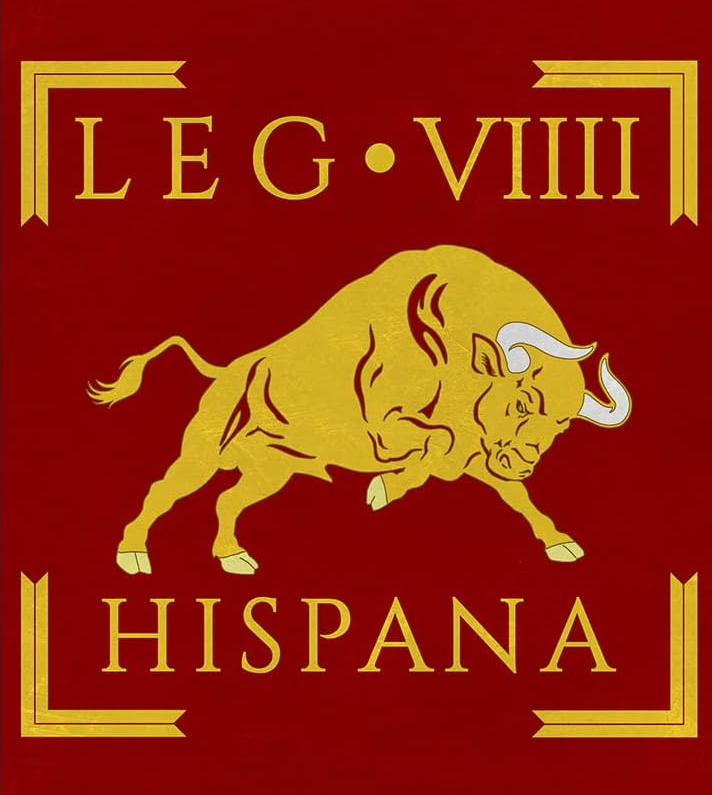
Cognomen: Hispana
Emblem: Bull
Major Campaigns: Cantabrian Wars (27-19 BC); Numidian campaign (20-22 AD); Invasion and conquest of Britain (43 AD onwards); Bedriacum (69 AD)
Main HQ: Eboracum (York, England)
Commanders: Q. Petilius Cerealis (legate, 59-61 AD); Titus (tribune, c. 60 AD)
Early Service
After the Cantabrian Wars, Legio IX Hispana remained stationed in Hispania for an extended period, from which it gained its cognomen Hispana. Later, it was transferred to the Balkans and garrisoned at Aquileia.
When Augustus died in 14 AD, the legion was in Pannonia and mutinied with the other two legions stationed there over poor conditions. Tiberius’ son Drusus the Younger put down the mutiny by executing the ringleaders.
In 20 AD, Legio IX Hispana was sent to Africa to reinforce Legio III Augusta in their campaign against Tacfarinas and his Numidian rebels. Following their victory in Africa, Legio IX Hispana was returned to Pannonia, where they were likely stationed at Siscia (Sisak, Croatia).
Service in Britannia
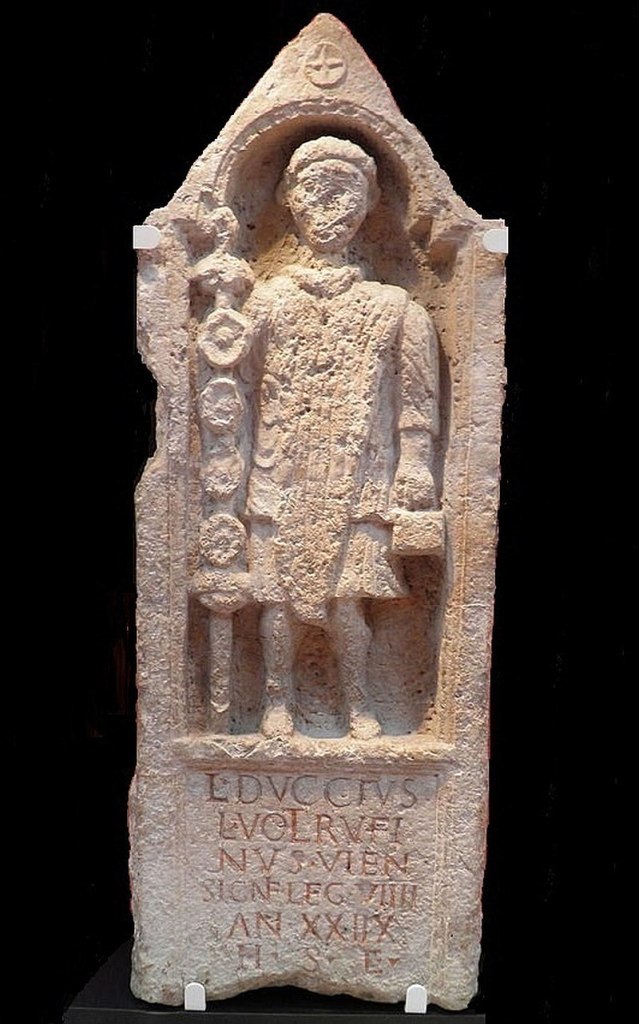
Legio IX Hispana was part of the army that invaded Britannia in 43 AD. It was initially stationed at Londinium (London) and then was sent north into the territory of the Brigantes.
During Boudica’s Revolt in 61 AD, the legion under Q. Petilius Cerealis was routed trying to relieve the colony of Camulodunum (Colchester) by the rebels, and did not take part in defeating Boudica.
With the rest of the British legions, it supported Vitellius in the Year of the Four Emperors and sent a vexillation that was present at Vitellius’ defeat at Bedriacum. In 71 AD, Q. Petilius Cerealis was appointed gover of Britannia and Legio IX Hispana joined his campaign against the Brigantes and built a fortress at Eboracum (York).
It also took part in Gn. Julius Agricola’s northern campaigns and was nearly defeated by the Caledonian tribes in 83/84 AD. It had been weakened before this by sending a vexillation to aid in Domitian’s campaign against the Chatti and was further weakened after this defeat by sending another vexillation to participate in Domitian’s Dacian campaign.
Disappearance
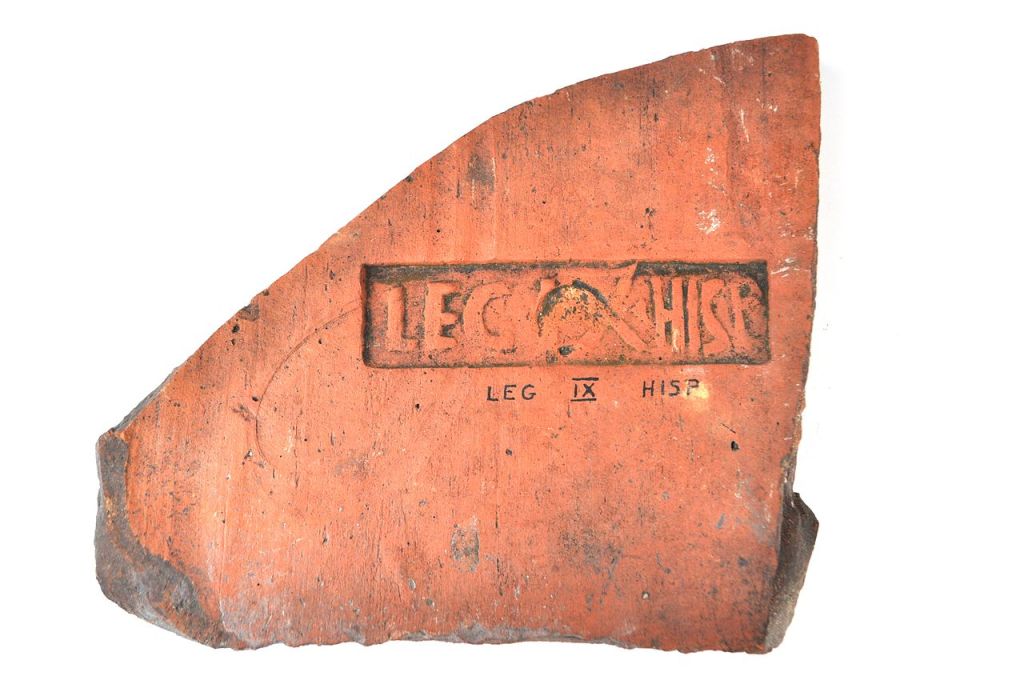
Little more is known about the activities of Legio IX Hispana after this point. An inscription still places it at Eboracum (York) in 108 AD but it did not take part in building Hadrian’s Wall, starting in 122 AD, and so it can be argued that it was no longer in Britannia at this time.
An early theory was that it was destroyed by a serious revolt in Britannia in c. 120’s AD but this has generally been rejected as officer of Legio IX Hispana at that time can be placed in different areas of the empire at later dates.
Some historians point to possible inscriptions of the legion in Germania Inferior just after this time and concur that it was then stationed in the East and may have been destroyed during the Second Jewish Revolt, 132-135 AD, or during Lucius Verus campaign, 161-166 AD.
However, we may never known what happened to this legion and that is why its mysterious disappearance has made it a popular subject for historical fiction, fantasy and science fiction.

 Digital Maps of the Ancient World