Legio VI Victrix
Legio VI Victrix, also known as the Sixth Victorious Legion, was founded in 41 BC by Octavian. Its emblem was the Bull and the legion’s name Victrix suggests that it won a significant victory early on in its career.
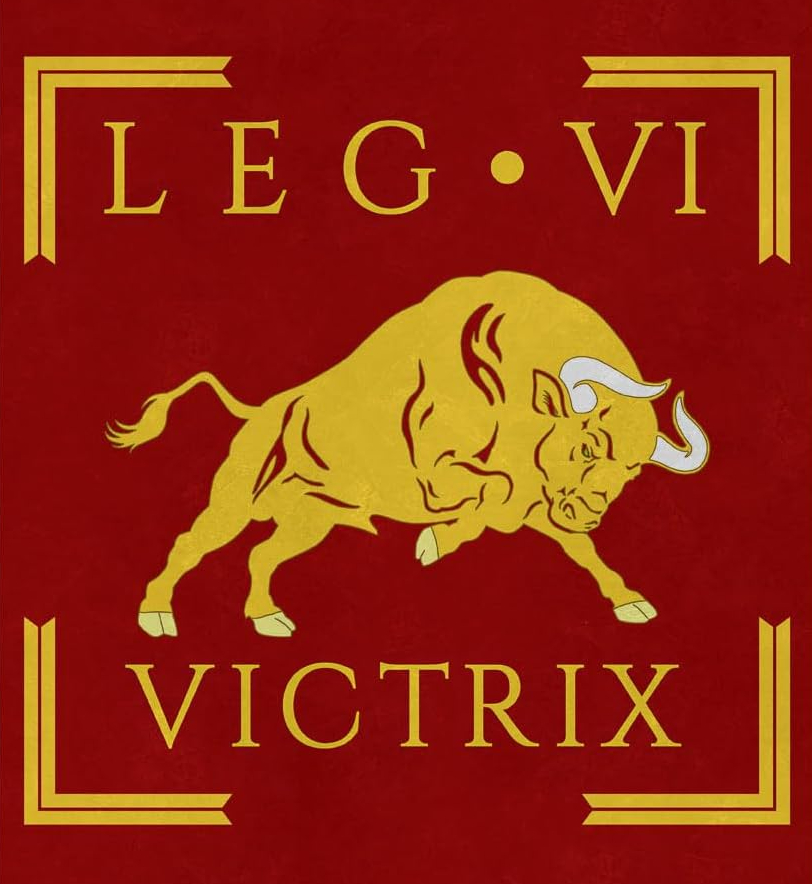
Cognomen: Victrix
Emblem: Bull
Major Campaigns: Perusia (41 BC); Actium (31 BC); Cantabrian Wars (27-19 BC); Batavian Revolt (69-70 AD); Saturninus Revolt (89 AD); British Revolt (155-158 AD); Lugdunum (197 AD); Septimius Severus’ Caledonian campaigns (208-11 AD)
Main HQ: Eboracum (York, England)
Commanders: Pertinax (tribune, c. 170’s AD)
Historical records indicate that Legio VI Victrix participated in the siege of Perusia in 41 BC, as evidenced by sling bullets bearing its number. It was also likely present at the decisive Battle of Actium in 31 BC, which solidified Augustus’ power and established the Roman Empire.
Early Service in Hispania
After 30 BC, Legio VI Victrix was relocated to Hispania Tarraconensis, where it was likely garrisoned at Legio (modern-day León). The legion played a crucial role in the Cantabrian Wars, contributing to the Roman conquest of the Iberian Peninsula. They remained in Hispania until 70 AD.
Veterans from Legio VI Victrix were among the first settlers of several Roman colonies in Hispania, including Colonia Patricia (Córdoba), Emerita Augusta (Mérida), and Caesaraugusta (Zaragoza). Their presence helped to establish Roman culture and infrastructure in these regions.
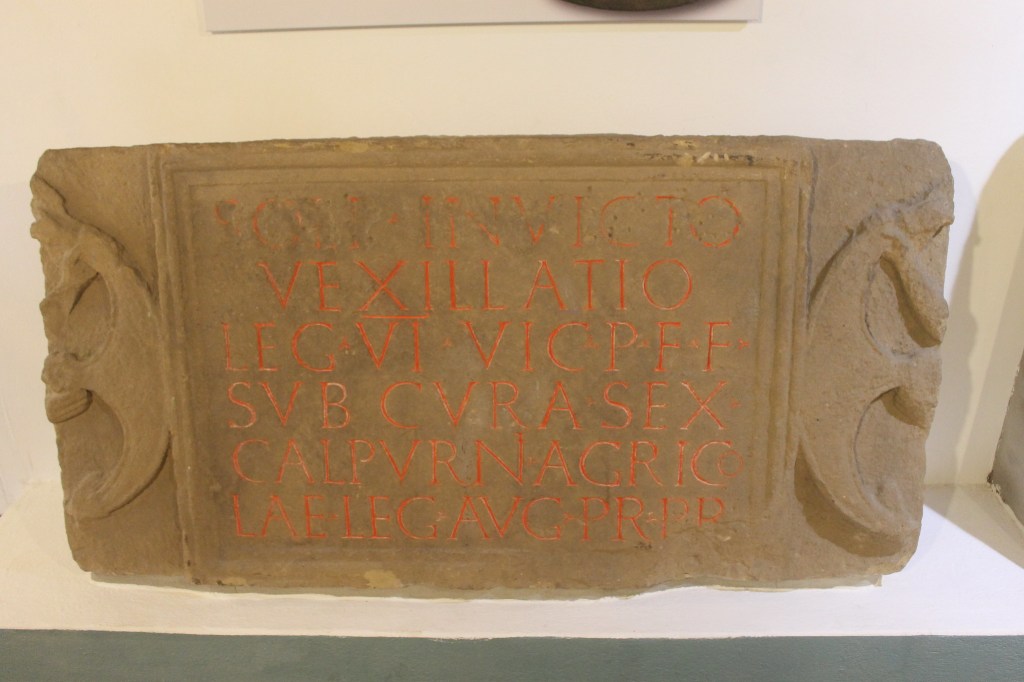
The cognomen Victrix is first attested during the reign of Nero, but it may have been bestowed in recognition of earlier successes under Augustus.
In 68 AD, during the Year of the Four Emperors, Legio VI Victrix played a pivotal role in the downfall of Emperor Nero. When Ser. Sulpicius Galba, the governor of Hispania Tarraconensis, declared his rebellion against Nero, Legio VI Victrix proclaimed him emperor. Their support for Galba was a significant factor in Nero’s eventual suicide.
Service in Germania
Legio VI Victrix played a crucial role in suppressing several revolts in Germania during the 1st c. AD. During the Batavian Revolt, a large Roman force, including Legio VI Victrix, was sent under the command of Q. Petilius Cerealis to quell the rebellion. After defeating the Batavians, the legion remained in Germania to rebuild and garrison the destroyed legionary fortress of Novaesium (Neuss).
In 89 AD, Legio VI Victrix was again deployed to suppress a revolt, this time led by L. Antonius Saturninus, the governor of Germania Superior. The legion’s involvement in these campaigns demonstrates its continued importance in maintaining Roman control over the region.
Around the turn of the century, Legio VI Victrix was relocated to a new legionary fortress at Xanten, known as Vetera II. It is possible that a detachment of the legion participated in Trajan’s Dacian Wars.
Service in Britannia
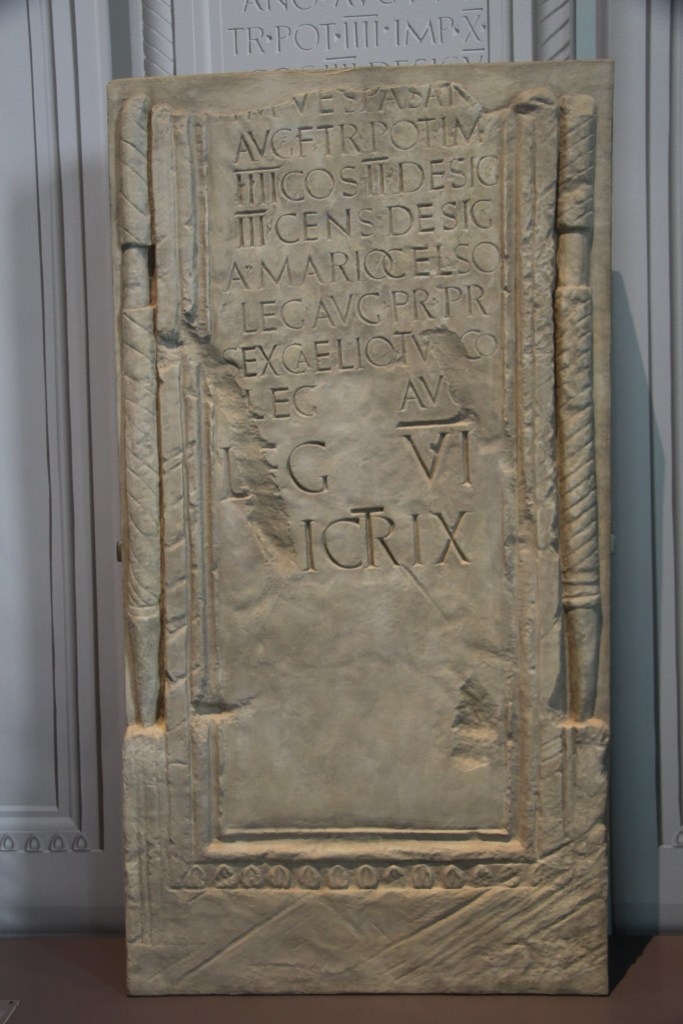
In 122 AD, Emperor Hadrian arrived in the province to oversee the construction of Hadrian’s Wall. Legio VI Victrix was transferred to Britannia to assist in this major construction project.
The legion’s involvement in Britannia continued in 139 AD when they helped build the Antonine Wall. They also faced challenges from local tribes, including a revolt that broke out in 155-158 AD. Legio VI Victrix fought valiantly to suppress the rebellion and maintain Roman control.
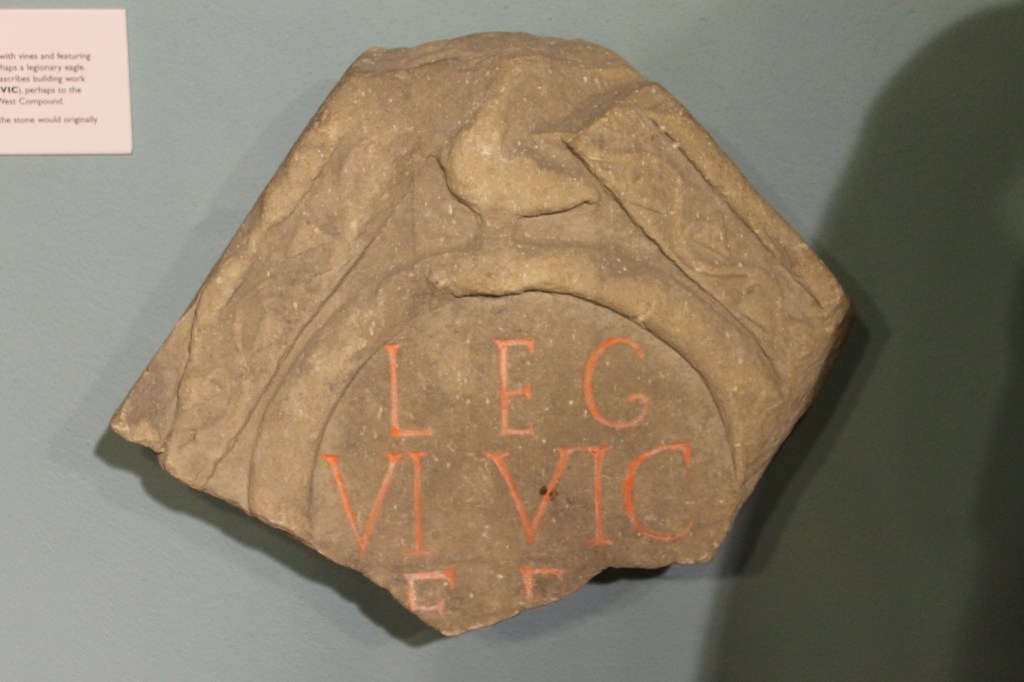
During the civil war between Septimius Severus and Clodius Albinus, Legio VI Victrix supported Albinus and fought alongside him at the Battle of Lugdunum in 197 AD. After Albinus’ defeat, the legion returned to Britannia and found the northern frontier overrun by the Caledonians.
Emperor Septimius Severus launched a campaign to conquer Scotland in 208-211 AD, and Legio VI Victrix played a significant role in these efforts. They were stationed at Carpow during this time. The legion remained in Britannia until the end of the Roman occupation.

 Digital Maps of the Ancient World