Legio XVI Gallica
Legio XVI Gallica, also known as the Sixteenth Gallic Legion, was founded by Octavian sometime before 31 BC. Its emblem was a Lion and it gained its cognomen from service in Gaul.
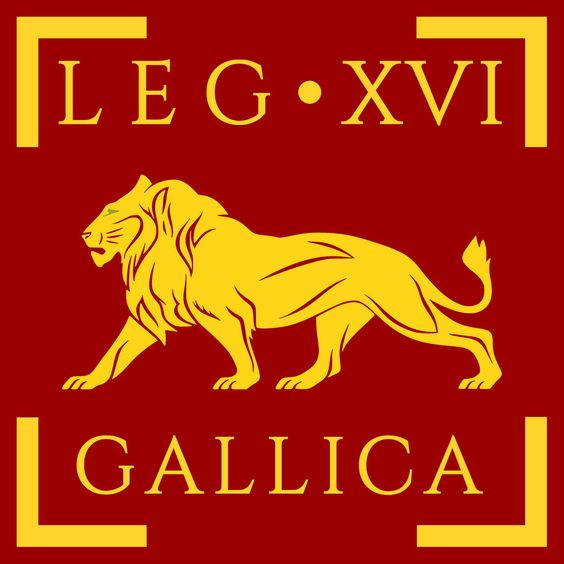
Cognomen: Gallica
Emblem: Lion
Major Campaigns: Germanicus’ German campaign (15-17 AD); Bedriacum (69 AD); Batavian Revolt (69-70 AD)
Main HQ: Novaesium (Neuss, Germany)
Early Service
The evidence for the early movements of Legio XVI Gallica as scarce but its cognomen suggests it spent a considerable amount of time in Gaul early in its career and possibly took part in Drusus’ German campaign, 13-9 BC.
It has been argued that it was then sent to the new province of Raetia to become its inital garrison alongside Legio XXI Rapax and then was later moved to the Rhine and stationed at Moguntiacum (Mainz).
Service in Germania
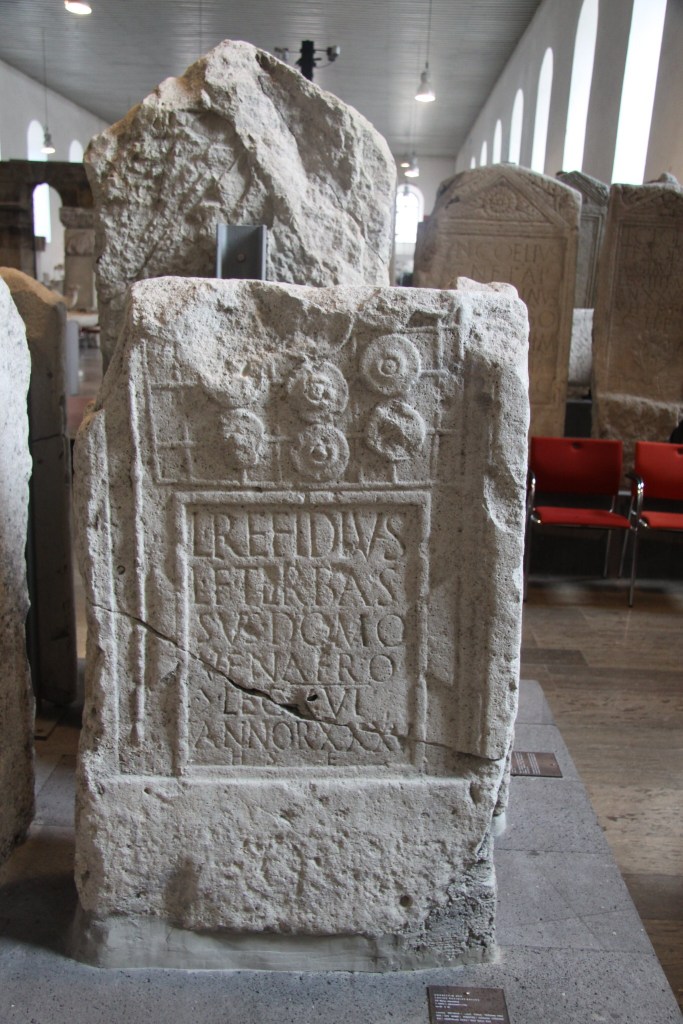
In 6 AD, Legio XVI Gallica was one of the legions assembled for Tiberius’ aborted campaign against the Marcomanni. When Augustus died in 14 AD, the legion immediately swore allegiance to Tiberius, unlike many of the other Rhine legions that mutinied over poor conditions, and then would have consequently been part of Germanicus’ German campaign.
Legio XVI Gallica was moved to Novaesium (Neuss) to replace Legio XX Valeria Victrix, which was taking part in the invasion of Britannia, around 43 AD.
The next mention of the legion is in the Year of the Four Emperors, when it swore allegiance to Vitellius and sent a vexillation for his march on Italy. Legio XVI Gallica fought in both battles a Bedriacum, winning the first and losing the second. Some of its soldiers were even transferred to the Praetorian Guard during Vitellius’ brief tenure.
Disbandment
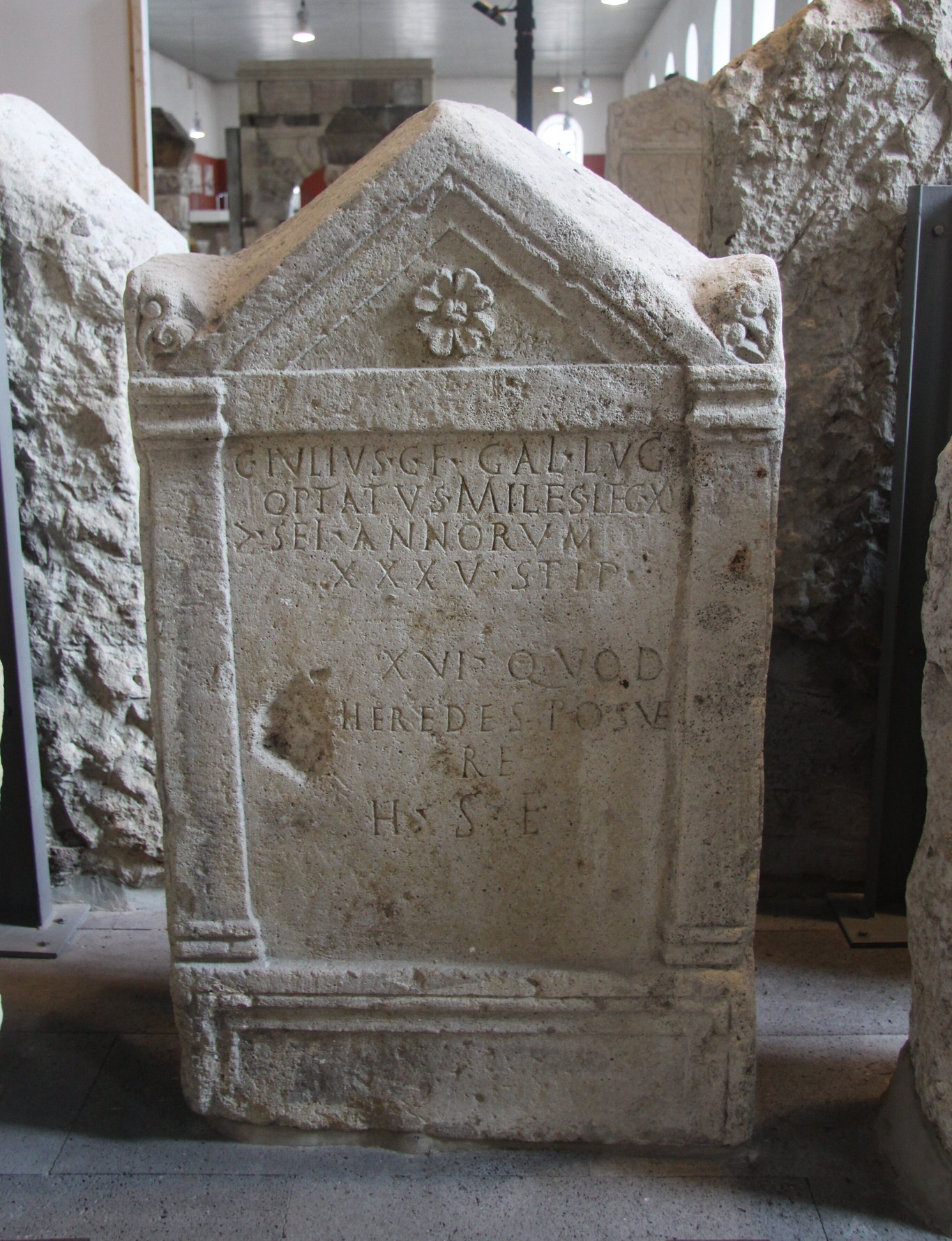
The rest of Legio XVI Gallica was faced with the Batavian Revolt, which broke out in the same year. By 70 AD, the Batavi rebels had defeated the Upper Rhine legions and were besieging them at Castra Vetera and so the Lower Rhine legions were sent to deal with the problem. Disgracefully, both Legio XVI Gallica and Legio I Germanica surrendered to the rebels.
After Q. Petilius Cerealis successfully put down the rebellion, Vespasian disbanded the shameful legions, including Legio XVI Gallica. However the legion was reconstituted as Legio XVI Flavia Firma.

 Digital Maps of the Ancient World