Legio XX Valeria Victrix
Legio XX Valeria Victrix, also known as the Twentieth Victorious Valerian Legion, was founded by Octavian before the Battle of Actium. Its emblem was the Boar and the legion’s name Valeria Victrix points to the significant victory won under Valerius Messalinus during the Pannonian Revolt.
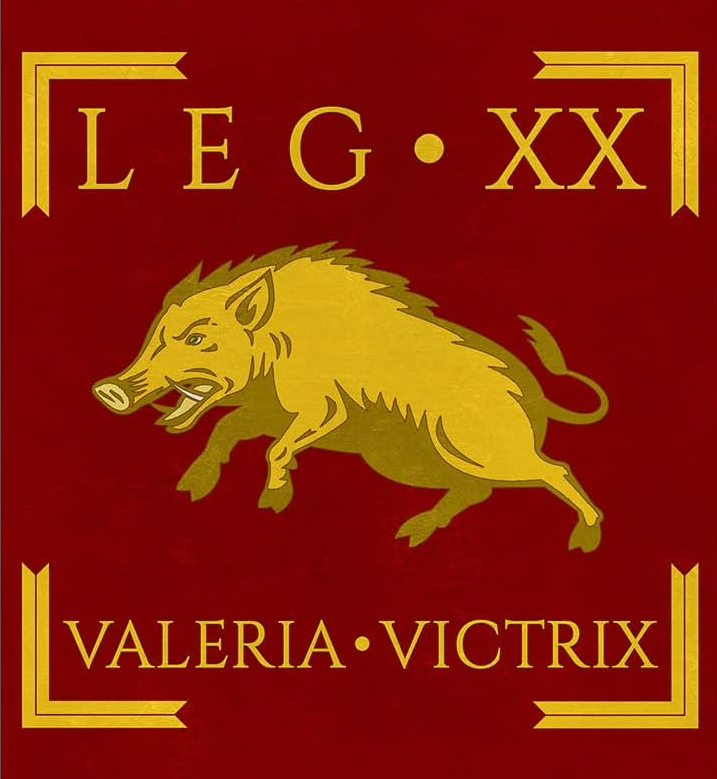
Cognomen: Valeria Victrix
Emblem: Boar
Major Campaigns: Cantabrian Wars (27-19 BC); Pannonian Revolt (6-9 AD); Germanicus’ German campaign (15-17 AD); Invasion and conquest of Britain (43 AD onwards); Bedriacum (69 AD); Lugdunum (197 AD); Septimius Severus’ Caledonian campaigns (208-11 AD)
Main HQ: Deva (Chester, England)
Commanders: Gn. Julius Agricola (legate, 70-73 AD)
Legio XX Valeria Victrix‘s origins before 6 AD remain unclear, but historical records indicate that it was part of Octavian’s army by the Battle of Actium in 31 BC, which is supported by evidence of veteran settlement in Italy following the battle. Evidence of more veteran settlement in the colony Emerita Augusta (Merida) in Spain, which was founded in 25 BC, suggusts that the legion may have also participated in the Cantabrian Wars.
Early Service in Illyricum
In 6 AD, Legio XX Valeria Victrix was transferred from Illyricum to Carnuntum on the Danube in preparation for Tiberius’ campaign against the Marcomanni.
However, the Pannonian Revolt broke out later that year, forcing the legion to return to Illyricum to help quell the uprising. Under the command of Governor Valerius Messalinus, Legio XX Valeria Victrix faced a challenging situation, outnumbered against one set of rebels. Despite initial setbacks, the legion achieved victory, and Messalinus was awarded triumphal honors.
Whilst suppressing the revolt, Legio XX Valeria Victrix was garrisoned at Siscia (Sisak, Croatia). In 9 AD, the legion joined Tiberius at Burnum possibly in preparation for his second attempt at a campaign against the Marcomanni.

Service in Germania
Following the Varian Disaster in 9 AD, Legio XX Valeria Victrix was transferred to the Rhine frontier to counter potential German incursions. Literary evidence suggests that they were initially stationed at Oppidum Ubiorum (Cologne) and later moved to Novaesium (Neuss).
After Augustus’ death in 14 AD, Legio XX Valeria Victrix, along with the other Rhine legions, mutinied in protest of their poor treatment. Germanicus was tasked with suppressing the mutiny. The legion’s participation in Germanicus’ campaigns against Germanic tribes from 15 to 17 AD may have been intended to distract the mutinous legions and restore discipline.
Unfortunately, there is limited historical information available regarding the specific activities of Legio XX Valeria Victrix during this period.
Service in Britannia
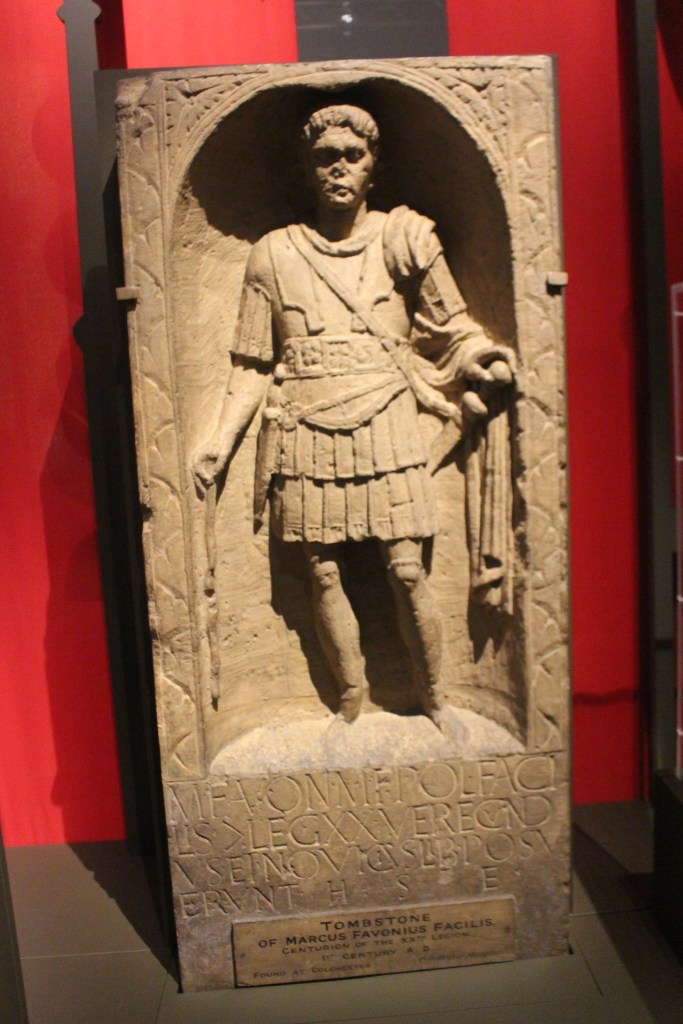
The legion was involved in the Roman invasion of Britannia in 43 AD. While the other three legions expanded Rome’s control over the island, Legio XX Valeria Victrix was likely stationed at Camulodunum (Colchester).
During Boudica’s rebellion in 61 AD, Legio XX Valeria Victrix sent a vexillation to help suppress the uprising. In 69 AD, during the Year of the Four Emperors, Legio XX Valeria Victrix declared for Vitellius and sent a vexillation to fight in the Second Battle of Bedriacum.
During the governorship of Gn. Julius Agricola, a vexillation of Legio XX Valeria Victrix likely participated in his northern campaign and the Battle of Mons Graupius in 84 AD. The legion also contributed to the construction of Hadrian’s Wall and the Antonine Wall in the 2nd c. AD.
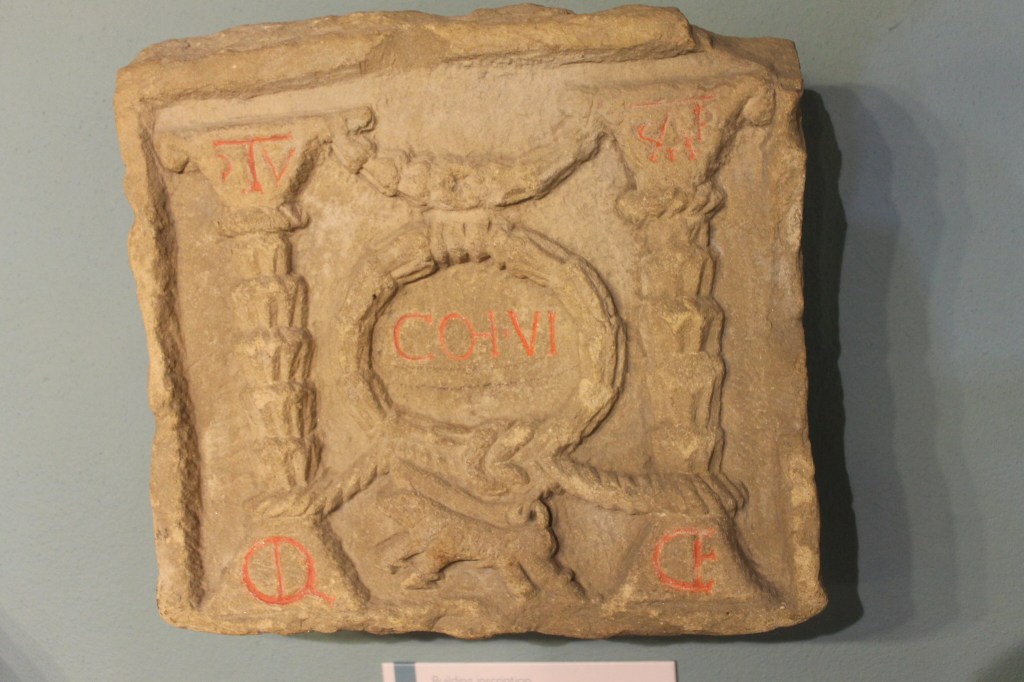
Legio XX Valeria Victrix continued to serve in Britannia until the late Roman period. However, there is limited historical evidence for their activities after the 2nd c. AD. The Notitia Dignitatum, a document from the 5th c. AD, does not mention the legion, suggesting that it may have been disbanded.

 Digital Maps of the Ancient World