The Roman Empire (27 BC – 476 AD)
The transition from the Roman Republic to the Roman Empire in 27 BC marked a significant shift in governance and structure, led by influential military leaders like Julius Caesar and Augustus. Augustus ushered in a period of relative stability known as the Pax Romana, during which Rome expanded its territory and enjoyed economic prosperity. However, internal conflicts, economic challenges, and external threats gradually weakened the empire. In the 3rd c. AD, the empire faced crises, including invasions and political upheaval. Despite attempts at reform, the western half of the empire collapsed in 476 AD with the abdication of Romulus Augustulus, while the eastern Byzantine Empire continued to thrive, preserving Roman culture for centuries.

Click Here for the Roman Empire Timeline
The 1st century BC was marked by tumultuous civil strife within the Roman Republic, notably the conflicts between Julius Caesar and Pompey, followed by Octavian and Mark Antony. The pivotal Battle of Actium in 31 BC saw Antony’s defeat, leading to Octavian’s ascent to power. In 27 BC, he was officially bestowed the title Augustus by the Senate and people of Rome, inaugurating the Principate era. Despite Augustus’ efforts to establish a stable dynastic succession, the premature deaths of several potential heirs, including Marcellus, and Gaius and Lucius Caesar, limited his success in securing a lasting legacy.

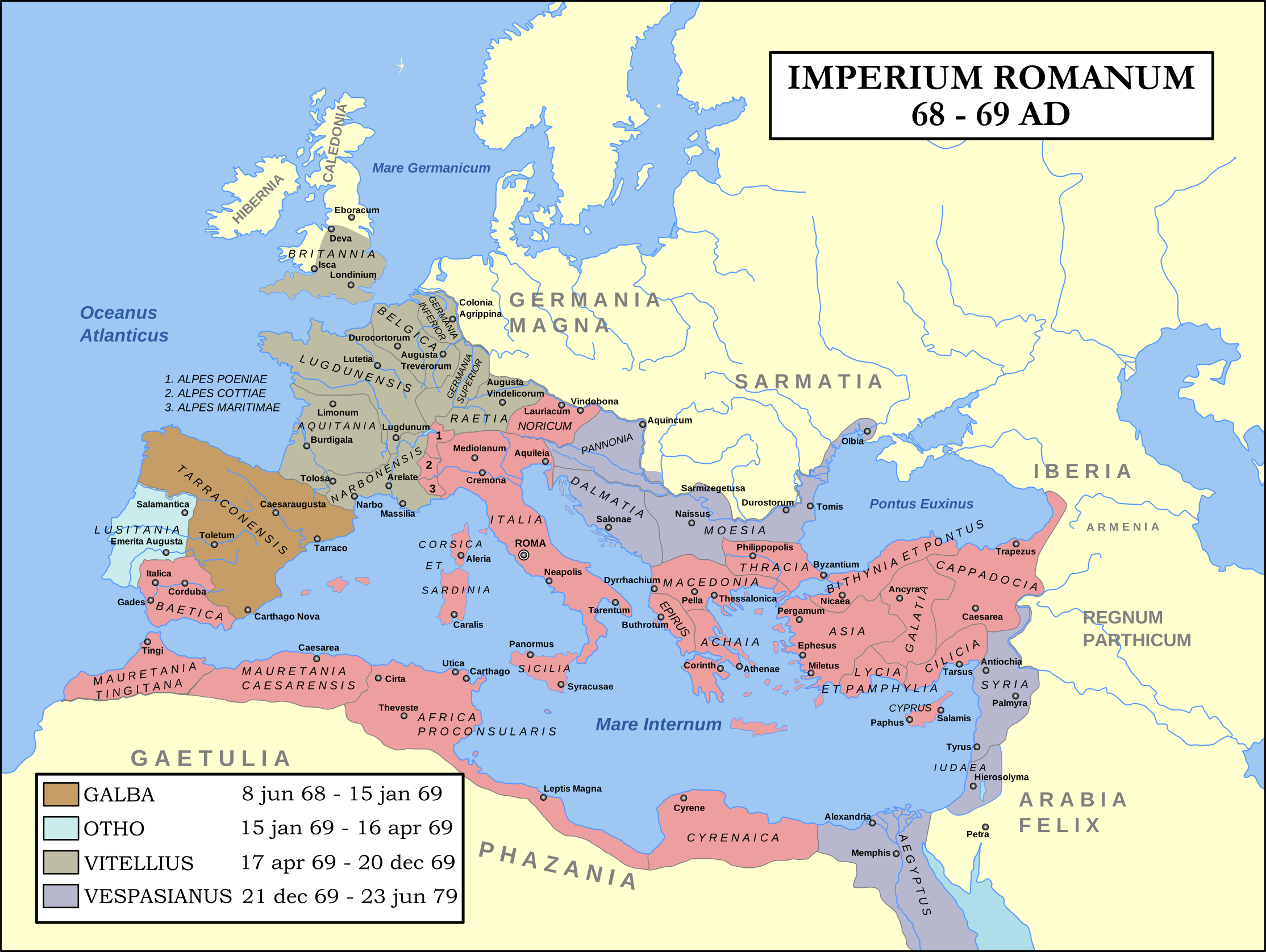
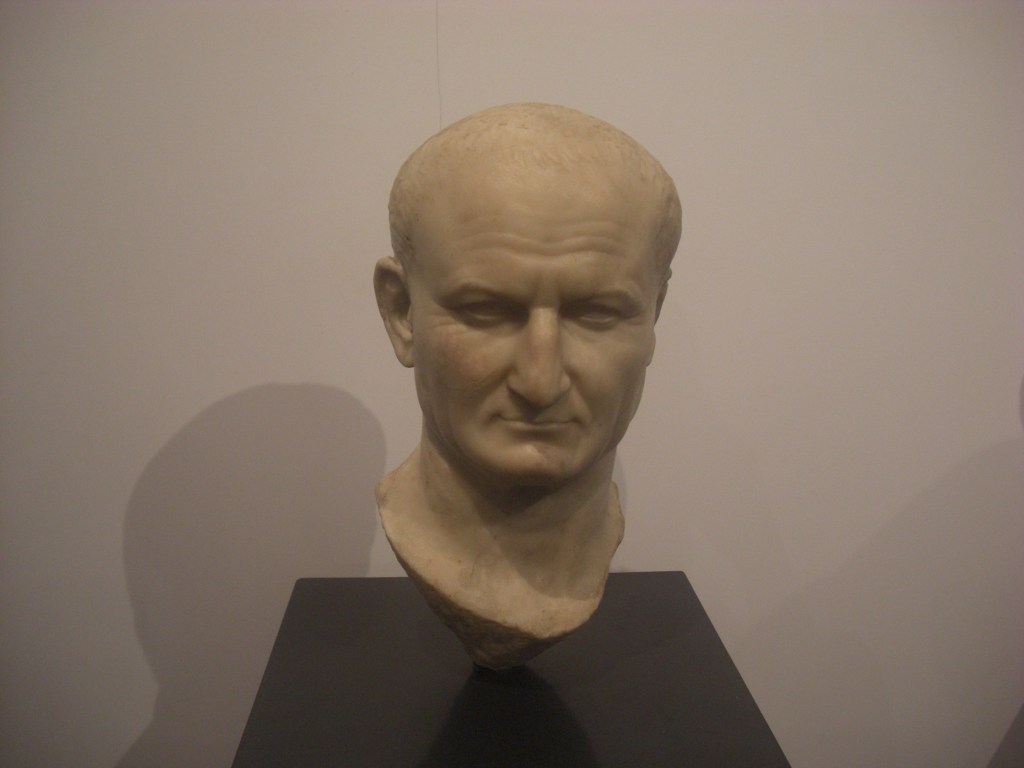
Following the Julio-Claudian dynasty, which saw the reigns of Tiberius, Caligula, Claudius, and Nero, the Roman Empire entered a period of instability marked by the Year of Four Emperors in 69 AD. Vespasian emerged triumphant from this tumultuous time and founded the Flavian dynasty. He was succeeded by his sons Titus and Domitian. However, Domitian’s rule was marred by growing discontent among the ruling elite, ultimately leading to his assassination in a palace conspiracy.
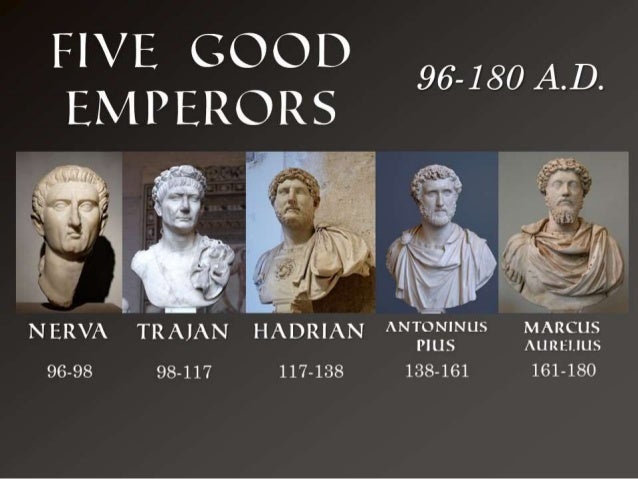
Following the Flavian dynasty, the Nerva-Antonine dynasty emerged, known for producing the “Five Good Emperors”: Nerva, Trajan, Hadrian, Antoninus Pius, and Marcus Aurelius. Their rule is often regarded as a period of stability and prosperity within the Roman Empire. However, the accession of Commodus in 180 AD marked a turning point, with some historians, including Edward Gibbon, viewing his reign as the beginning of the decline of the Roman Empire. Dio Cassius famously described this transition as a descent “from a kingdom of gold to one of rust and iron,” highlighting the perceived deterioration in the quality of leadership and governance.
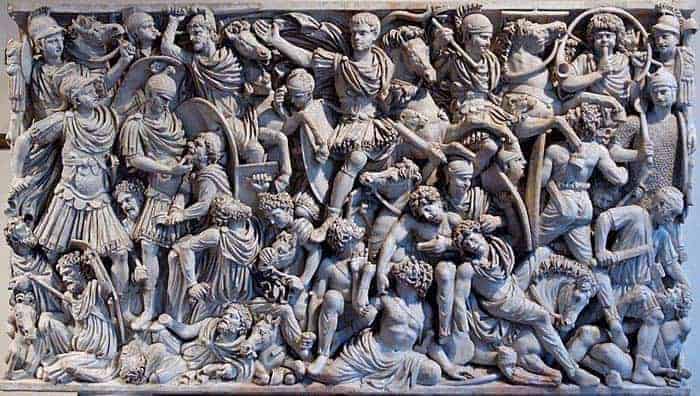
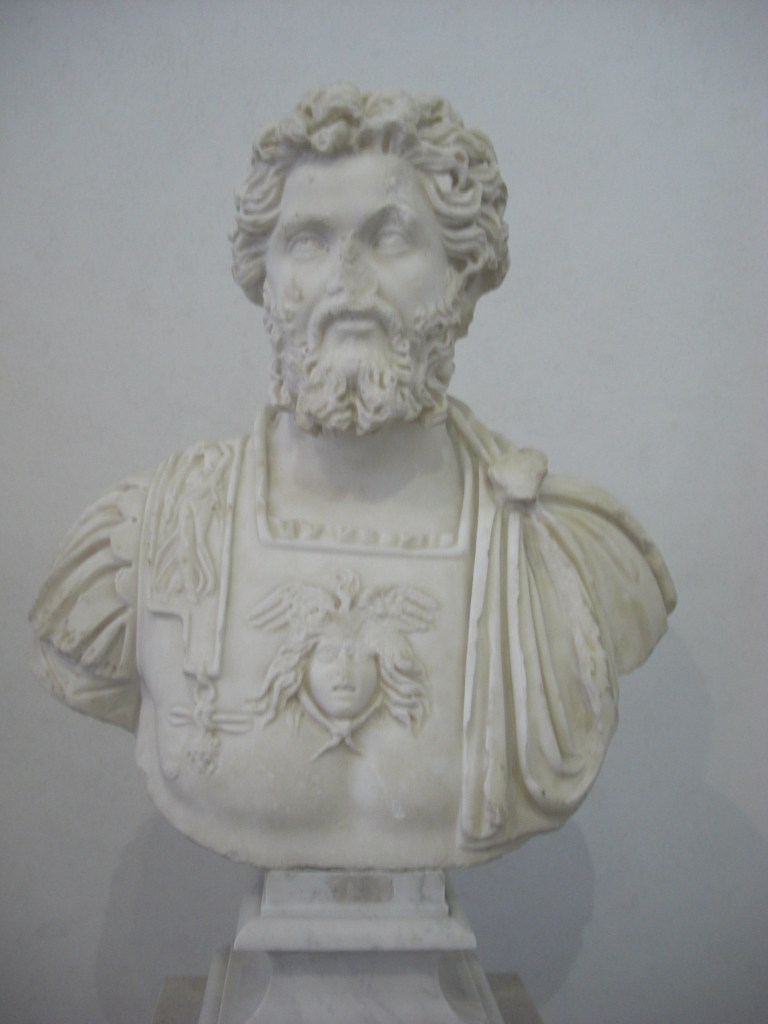
After the assassination of Commodus and the subsequent Year of the Five Emperors, Septimius Severus emerged victorious and established the Severan Dynasty. However, this period was marked by turmoil, with emperors frequently meeting their demise through murder or execution. Following the collapse of the Severan Dynasty, the Roman Empire entered the Crisis of the Third Century, characterized by invasions, civil unrest, economic instability, and widespread disease. This turbulent era posed significant challenges to the stability and continuity of Roman governance and society.
Diocletian’s reforms, including the establishment of the Tetrarchy, brought stability to the Roman Empire, but his abdication led to its eventual collapse. Constantine, the first Christian emperor, restored order and established Constantinople as the new capital, marking a shift in power towards the eastern part of the empire. The Constantinian and Valentinian dynasties saw the empire divided along an east-west axis, with dual power centers in Constantinople and Rome. Although Julian briefly attempted to revive Classical Roman religion, Christianity continued to gain prominence, culminating in Theodosius I’s declaration of it as the official religion in 395 AD, marking a significant turning point in Roman history.

The disintegration of the Western Roman Empire in the early 5th century AD was precipitated by the onslaught of Germanic migrations and invasions, which strained the empire’s ability to defend its borders. The culmination of this decline occurred in 476 AD when Romulus Augustulus, the last Western Roman Emperor, was compelled to abdicate by the Germanic chieftain Odoacer, marking the official end of the Western Roman Empire.
Imperial Dynasties



 Digital Maps of the Ancient World