The History of Achaemenid Persia
Step back in time and explore the awe-inspiring Achaemenid Persian Empire, a colossus that dominated the ancient world. Witness the rise of Cyrus the Great, a ruler who defied expectations, and delve into the innovative administrative systems that bound together a vast and diverse territory.

This page is your gateway to understanding the Achaemenids’ remarkable achievements in art, architecture, and warfare. Prepare to be dazzled by the majestic ruins of Persepolis and learn how their tolerance towards conquered peoples fostered a unique sense of unity.
Join us on a journey to uncover the secrets of this long-lost empire and discover its lasting impact on the course of history.
Overview
Click here for a Timeline of Achaemenid Persia
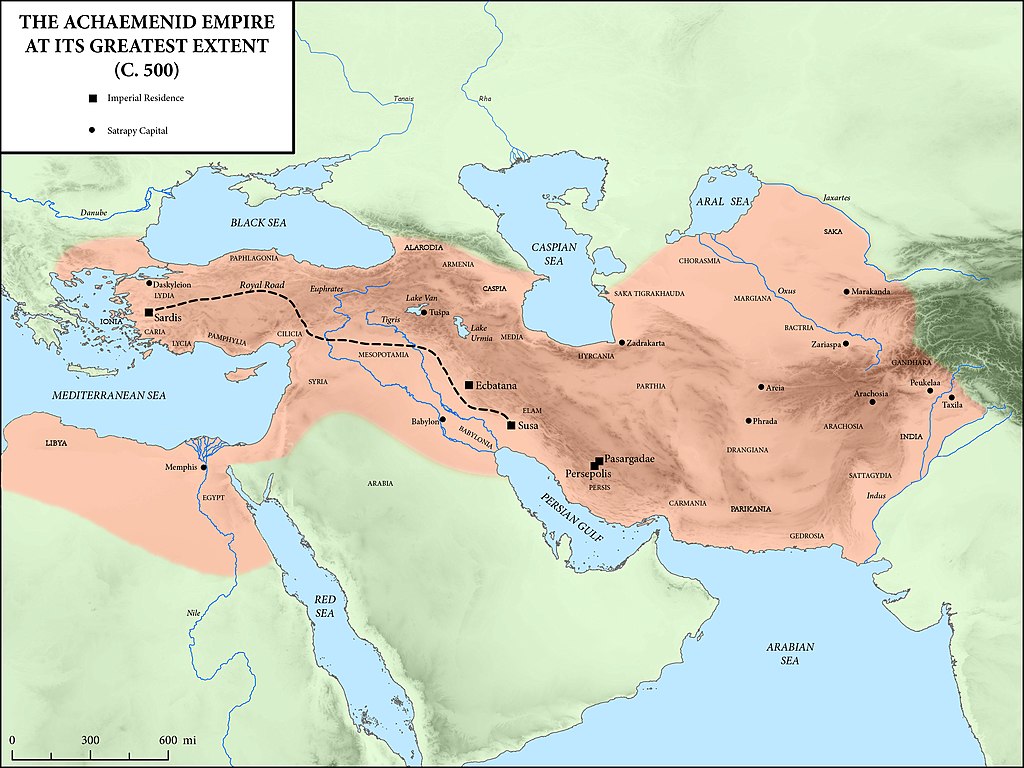
The Achaemenid Empire, reigning supreme from 550-330 BC, stands as a true giant of the ancient world. Founded by the legendary Cyrus the Great, it stretched its vast arms across a colossal territory, encompassing everything from the Balkans and Egypt in the west to the Indus Valley in the east. This unprecedented scale dwarfed empires that had come before, etching the Achaemenids into the annals of history.
Cyrus the Great, the architect of this magnificent empire, rose from the ruler of a minor kingdom to become the vanquisher of mighty powers like the Medes and Lydians. His genius lay not just in conquest, but in his policies of tolerance towards those he subdued. Unlike some rulers who sought to impose their beliefs, Cyrus allowed conquered peoples, like the Jews yearning to return to Jerusalem, a degree of autonomy and respect for their traditions. This fostered a sense of unity within the diverse tapestry of the empire, binding together a vast array of cultures and ethnicities.
Cyrus’ successors, Cambyses II and Darius I (the Great), continued to propel the empire forward. They expanded its borders further, incorporating Egypt and swathes of Central Asia under their dominion. To effectively govern this sprawling realm, Darius implemented a brilliant administrative system. The empire was divided into provinces called satrapies, each overseen by a satrap, a regional ruler appointed by the central authority. This system of delegated power ensured control over the vast distances while maintaining a unified empire. A sophisticated network of roads snaked across the empire, facilitating communication and the movement of troops and resources.
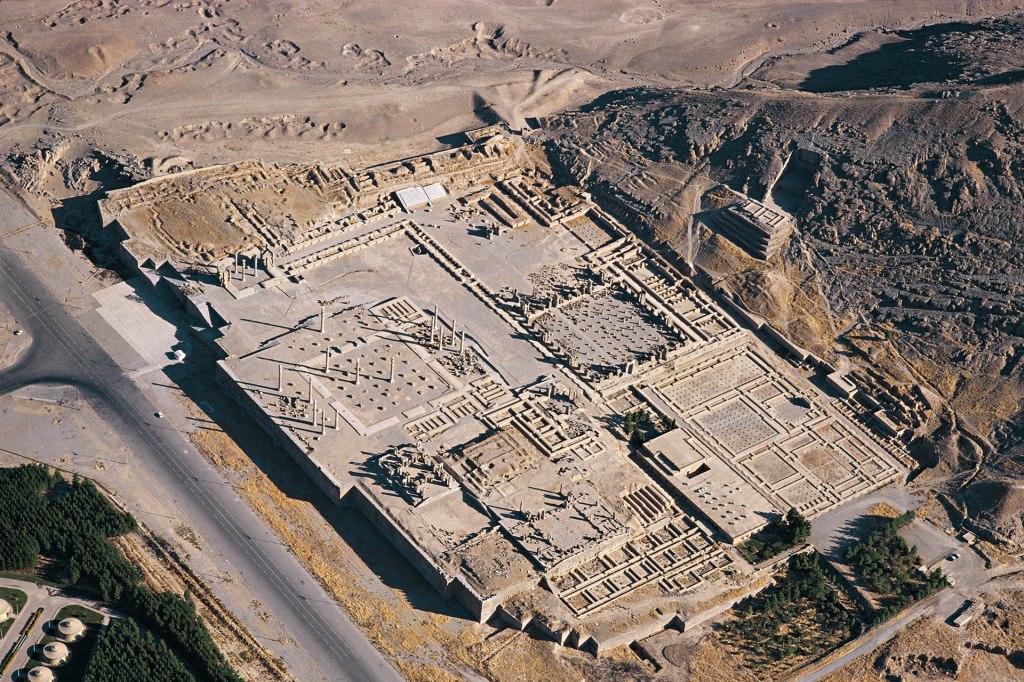
The Achaemenids were not just skilled conquerors and administrators; they were also remarkable builders. Their legacy is etched in stone, most notably at Persepolis. This magnificent capital city, with its awe-inspiring palaces adorned with intricate reliefs, serves as a testament to their architectural prowess. Other capitals like Susa and Pasargadae boasted equally impressive structures, showcasing the artistic and engineering brilliance of the Achaemenid era.
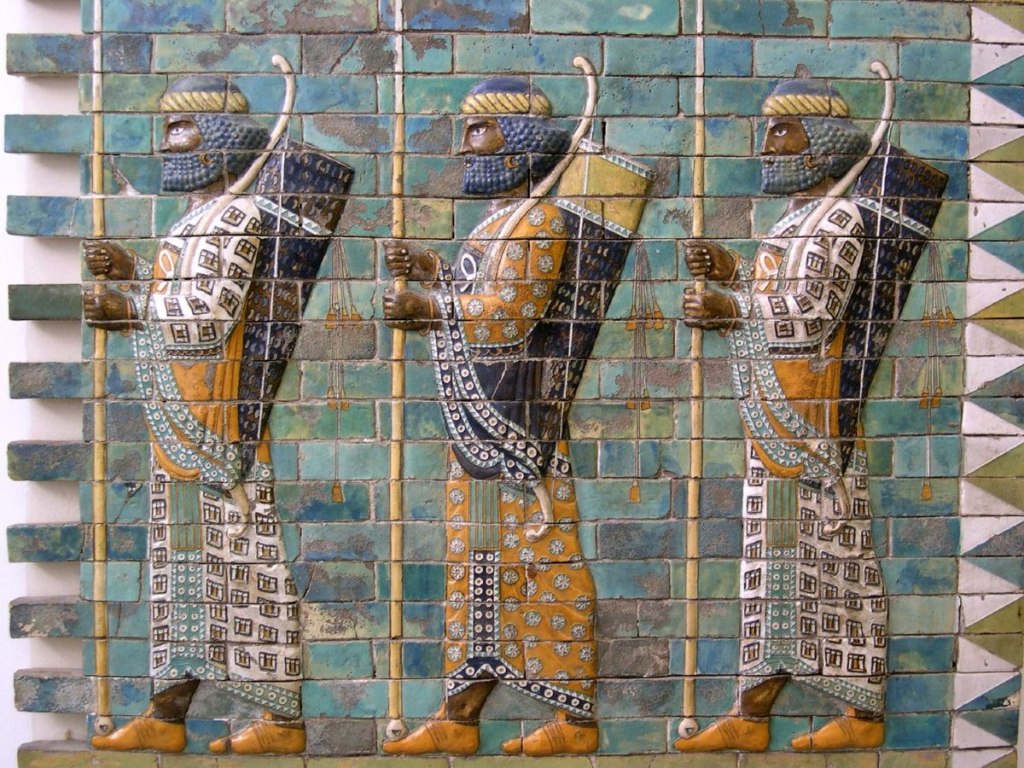
Military might was another pillar of the Achaemenid Empire. Their formidable army, renowned for its skilled archers and powerful chariots, struck fear into the hearts of their enemies. While they faced challenges from the determined Greek city-states during the Greco-Persian Wars, the Achaemenid military remained a dominant force for centuries.
The later years of the Achaemenid Empire were marked by internal struggles and the immense challenge of maintaining control over such a vast territory. Ultimately, the empire succumbed to the ambitions of Alexander the Great, whose conquests in the 4th c. BC brought about its downfall.
However, the Achaemenid legacy continued to resonate long after the empire’s demise. Their innovative administrative systems influenced future empires, and their art and architecture continue to inspire awe. The Achaemenid period represents a pinnacle of ancient civilization, a time of unparalleled territorial reach, groundbreaking governance, and a remarkable exchange of cultures. It is a testament to human ambition, ingenuity, and the enduring power of empires that fostered tolerance and unity within their vast domains.
Topics


 Digital Maps of the Ancient World