The New Kingdom (c. 1539-1075 BC)
The New Kingdom, spanning from c. 1539-1075 BC, represents Ancient Egypt’s most prosperous and powerful era, marked by unprecedented achievements in art, architecture, and military conquest. Encompassing the Eighteenth to the Twentieth Dynasties, this period saw Egypt emerge as a dominant force in the ancient world, extending its influence through diplomacy, trade, and military campaigns.
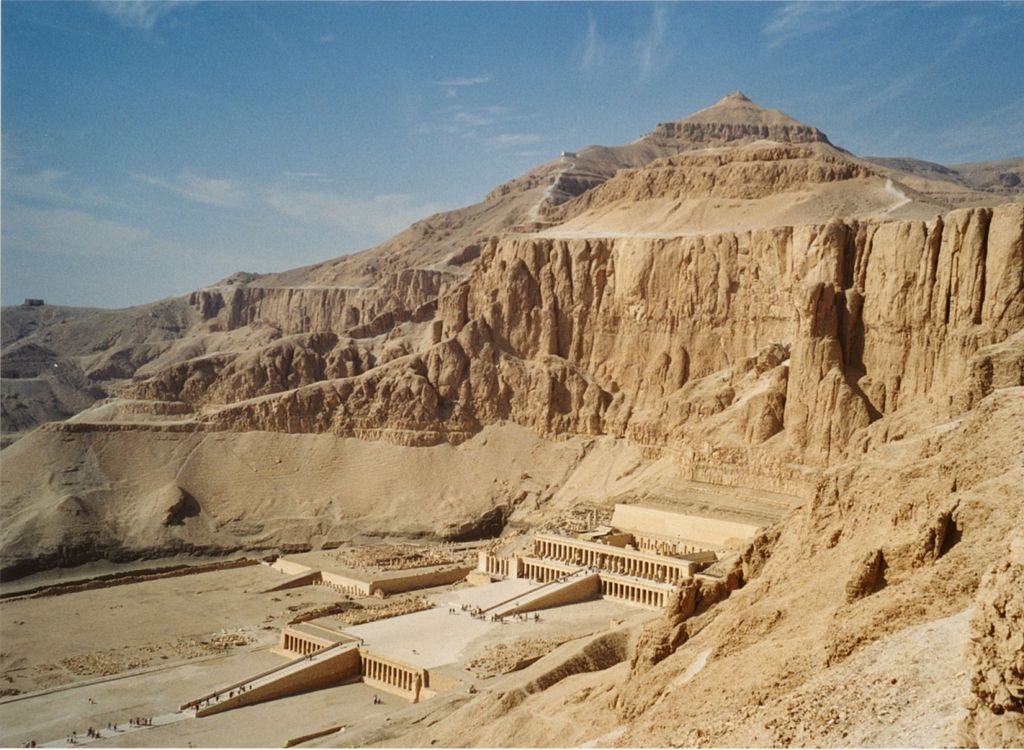
The New Kingdom witnessed the construction of monumental structures like the temples of Karnak and Luxor, the tombs of the Valley of the Kings, and the grandiose mortuary temples of pharaohs such as Hatshepsut and Ramesses II. It was also a time of remarkable cultural innovation, with advancements in literature, science, and religion.

Click Here for the Timeline of Ancient Egypt
The New Kingdom commenced with the reign of Ahmose I, who founded the Eighteenth Dynasty and led the successful expulsion of the Hyksos from Egypt, effectively reunifying the country. This period was marked by a series of military conquests, with Ahmose I, Thutmose I, and Thutmose III expanding Egyptian territory into the Levant, while Amenhotep I and Thutmose III extended Egyptian influence into Nubia.
Notably, Hatshepsut emerged as one of the most influential rulers of this dynasty, overseeing a prosperous era characterized by a revitalized trade network that brought immense wealth to Egypt. This newfound prosperity fueled ambitious building projects, with Hatshepsut commissioning her mortuary temple and overseeing the expansion of Karnak Temple, while Amenhotep III constructed Luxor Temple and his own grand mortuary complex. These monumental architectural achievements stand as enduring symbols of Egypt’s power and splendor during the New Kingdom.
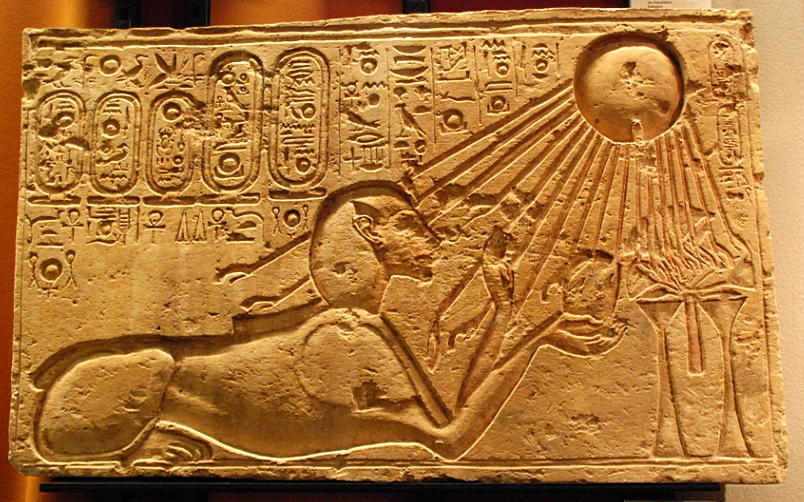
During the New Kingdom, significant religious transformations unfolded under the reign of Amenhotep IV, who later changed his name to Akhenaten to honor the god Aten, ushering in a period of monotheism in Egypt. However, Akhenaten’s radical departure from traditional polytheistic worship faced resistance and was met with widespread disapproval.
Following his death, his religious reforms were swiftly reversed, and his memory was subjected to damnatio memoriae, with his son Tutankhamun restoring the previous pantheon of Egyptian deities. Tutankhamun’s untimely demise marked a period of instability, during which court officials assumed control until the establishment of the Nineteenth Dynasty by Ramesses I, signaling a return to more orthodox religious practices and political stability in Egypt.
Under the reign of the Nineteenth Dynasty, particularly under the leadership of Seti I and his renowned successor Ramesses II, Egypt experienced an unparalleled period of territorial expansion and architectural splendor. Seti I’s military campaigns extended Egypt’s influence into Nubia and Libya, while his confrontation with the Hittite Empire in the Levant set the stage for further conflict.
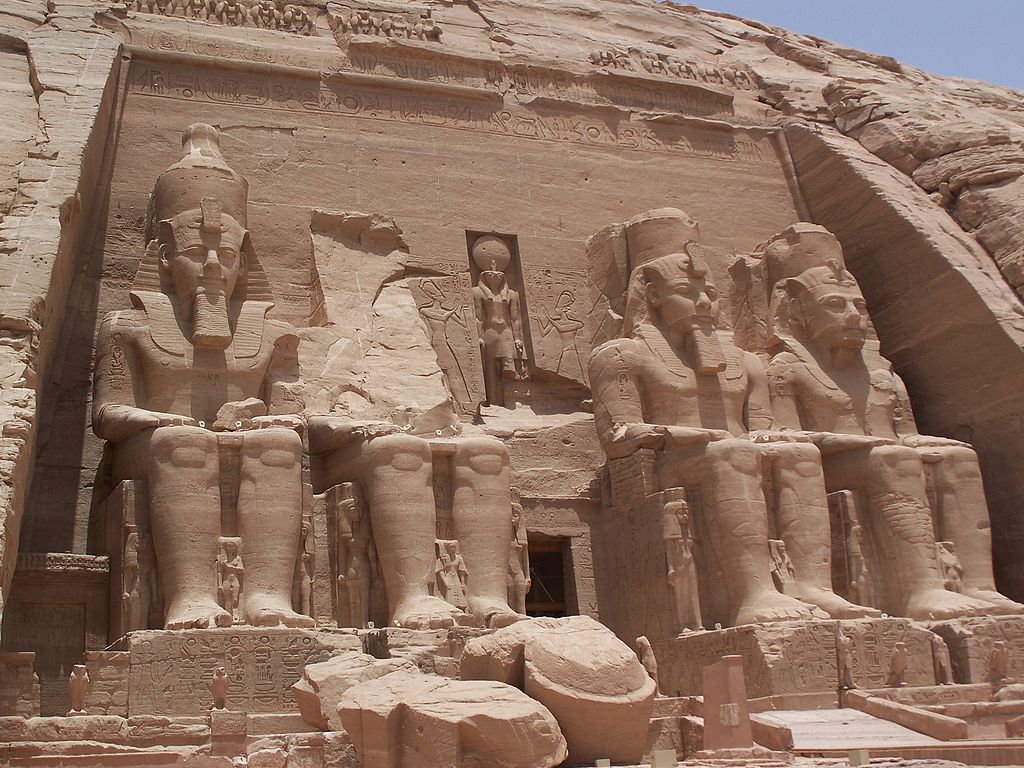
This confrontation reached its climax during the reign of Ramesses II, who continued his father’s military endeavors and famously engaged in the Battle of Kadesh against the Hittites. Beyond military conquests, Ramesses II left an indelible mark on Egypt’s landscape through ambitious building projects, including the iconic Abu Simbel temples and the grandiose Ramesseum, while also appropriating and enhancing structures initiated by his predecessors, solidifying Egypt’s reputation as a bastion of power and architectural magnificence during the New Kingdom.
The Twentieth Dynasty, initiated by Setnakhte, emerged amidst the turbulence following the reigns of Ramesses II’s successors, characterized by instability and political unrest. However, it was Ramesses III who stood as the last illustrious ruler of the New Kingdom, renowned for his successful defense against the incursions of the Sea Peoples and Libyan invaders. Despite his military triumphs, these prolonged campaigns exacted a heavy toll on Egypt’s resources, contributing to the eventual decline of the New Kingdom.
Following Ramesses III’s demise, Egypt faced a series of challenges including environmental hardships such as droughts and inadequate flooding of the Nile, leading to widespread famine, social unrest, and administrative corruption. These factors collectively precipitated the onset of the Third Intermediate Period, marking a transitional phase in Egypt’s history characterized by disunity and a relative decline in cultural and political cohesion.

 Digital Maps of the Ancient World