Coventina
Coventina was a revered Celtic goddess, presiding over wells and springs. These natural sources of life-giving water held deep significance for the Celts, and Coventina was believed to watch over their purity and abundance.
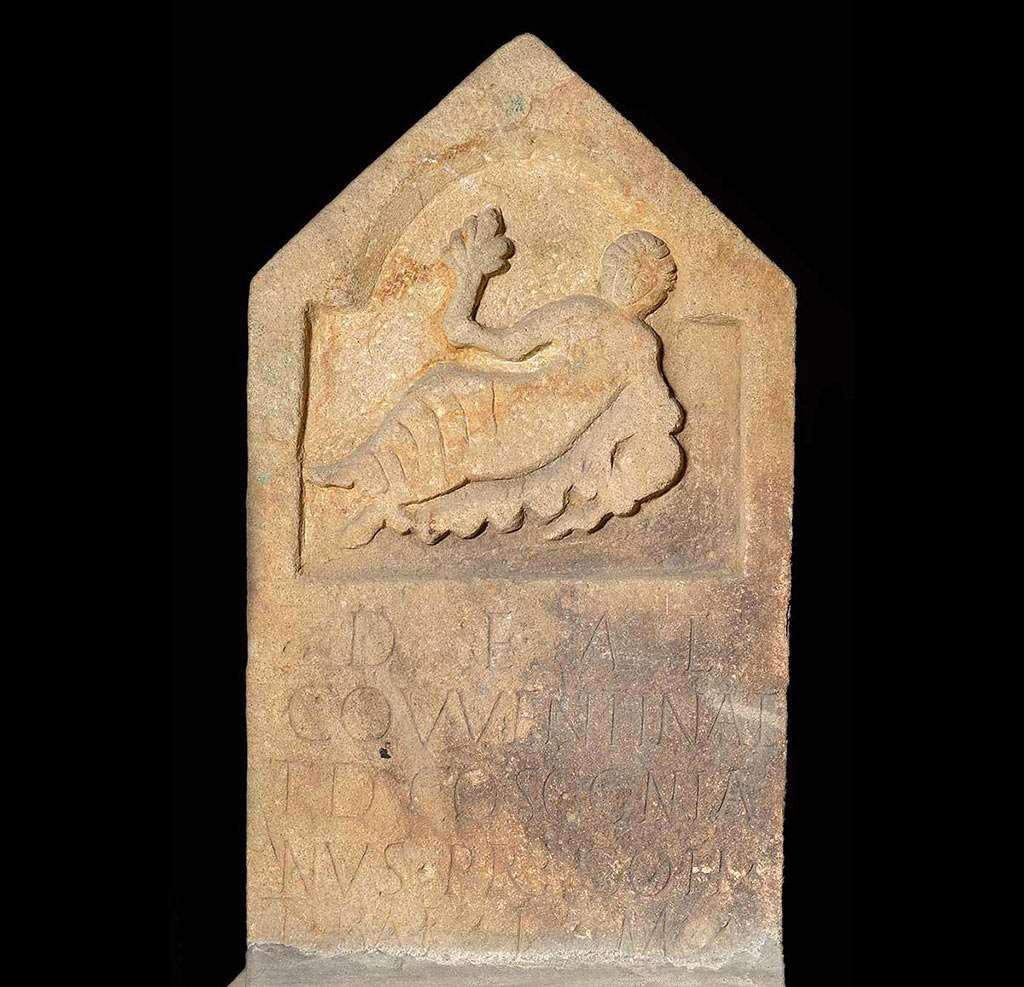
Coventina’s legacy is most powerfully felt near Carrawburgh on Hadrian’s Wall. Here, archaeologists unearthed a wellspring surrounded by an area rich with dedications. These inscriptions, along with other offerings found at the site, paint a vivid picture of a sacred sanctuary dedicated to the Celtic goddess of wells and springs.

At Carrawburgh, along Hadrian’s Wall, lies a remarkable testament to Coventina’s veneration. Archaeologists unearthed a wellspring, its waters contained within a rectangular basin at the center of a walled enclosure. This sacred space overflows with evidence of devotion. Within the well itself, over 16,000 coins were discovered, alongside fascinating dedications. Two inscribed slabs and ten altars speak directly to Coventina, while another ten honor her alongside Minerva, Roman goddess of wisdom and crafts. A captivating sculpture depicting three water nymphs further enhances the wellspring’s mystical character. Other intriguing finds include a male statue’s head, two clay incense burners, and various votive objects. These offerings left by worshippers illuminate the deep reverence for Coventina and the life-giving waters she protected.

 Digital Maps of the Ancient World