Thracian Horseman
The Thracian Horseman is a widespread artistic motif depicting a horseman found on Hellenistic and Roman reliefs throughout the Balkans, roughly from the 3rd c. BC to the 3rd c. AD. Intriguingly, inscriptions found in Romania identify the horseman as Heros
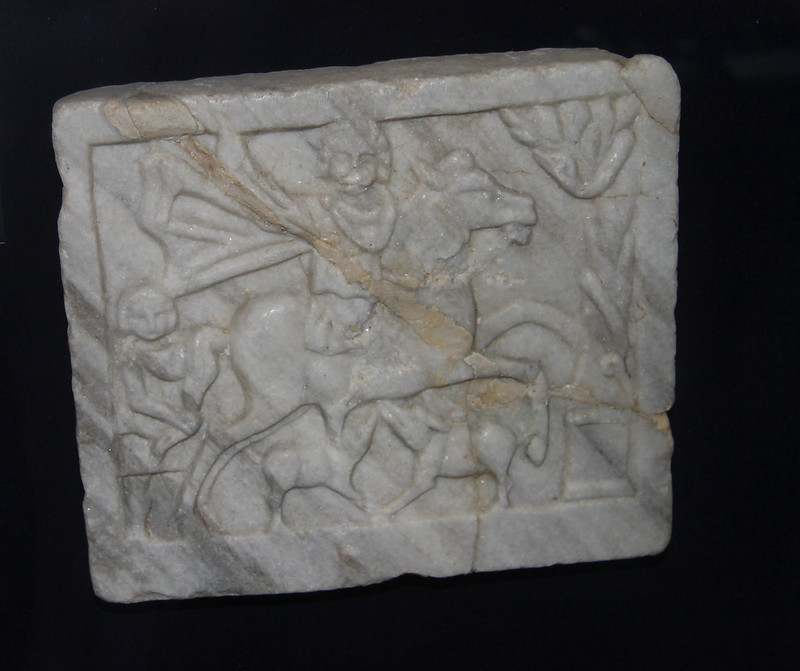
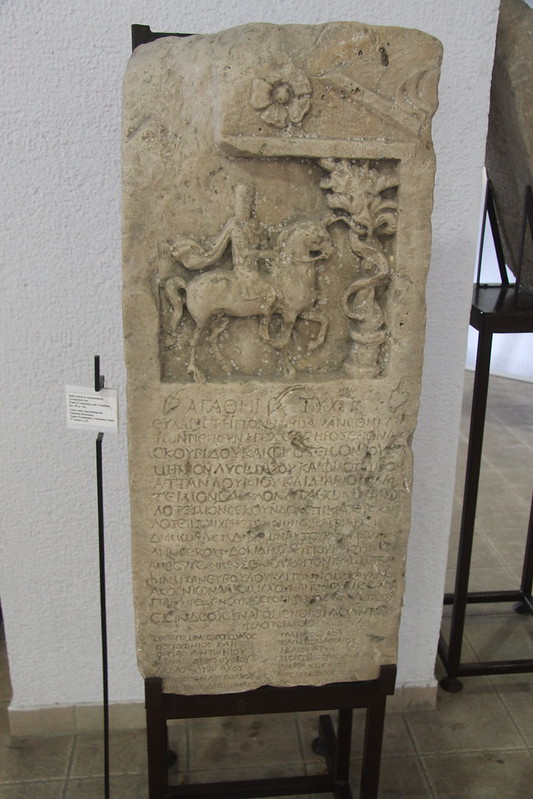
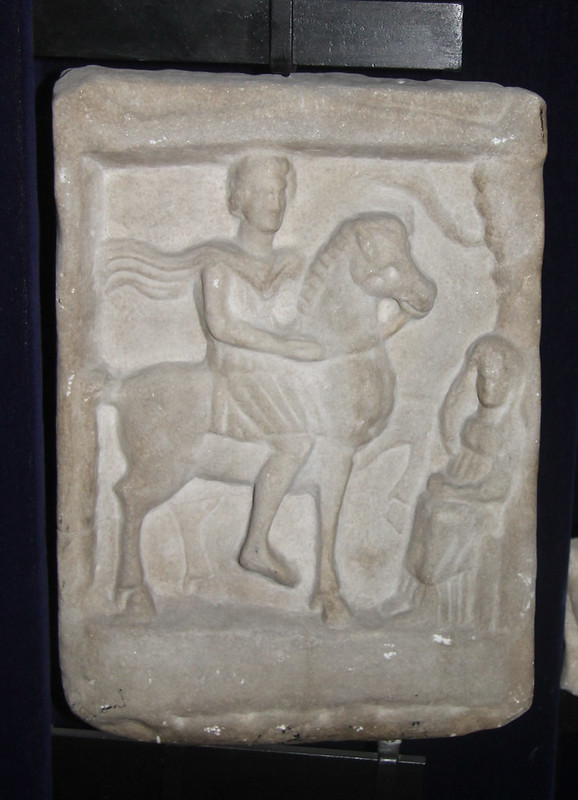
This horseman is most often depicted hunting on horseback, riding from left to right. A loyal companion, either a hunting dog or a boar, is often seen between the horse’s hooves, with a lion occasionally taking the dog’s place. In some scenes, the horseman rides towards a serpent coiled around a tree, or perhaps approaches a goddess.

This artistic motif draws inspiration from the funerary monuments of Roman cavalrymen, but incorporates elements from Hellenistic and Paleo-Balkanic religious and mythological traditions. This combination creates a truly unique and multifaceted image.

 Digital Maps of the Ancient World