Etruscan Art
Etruscan art, although influenced by Greek aesthetics, maintained its unique identity with distinct features that set it apart.

One of its notable strengths lies in figurative sculpture crafted from terracotta, showcasing intricate details and lifelike expressions. Additionally, Etruscan art excelled in wall paintings, employing vibrant colors and depicting scenes from daily life, mythology, and rituals. The mastery of metalworking, especially in bronze, further distinguished Etruscan craftsmanship. From delicate jewelry to monumental statues and elaborate vessels, bronze artifacts showcased the Etruscans’ skill and creativity. Despite Greek influences, Etruscan art flourished with its own artistic expressions, contributing to the rich cultural tapestry of ancient Italy.
Sculpture
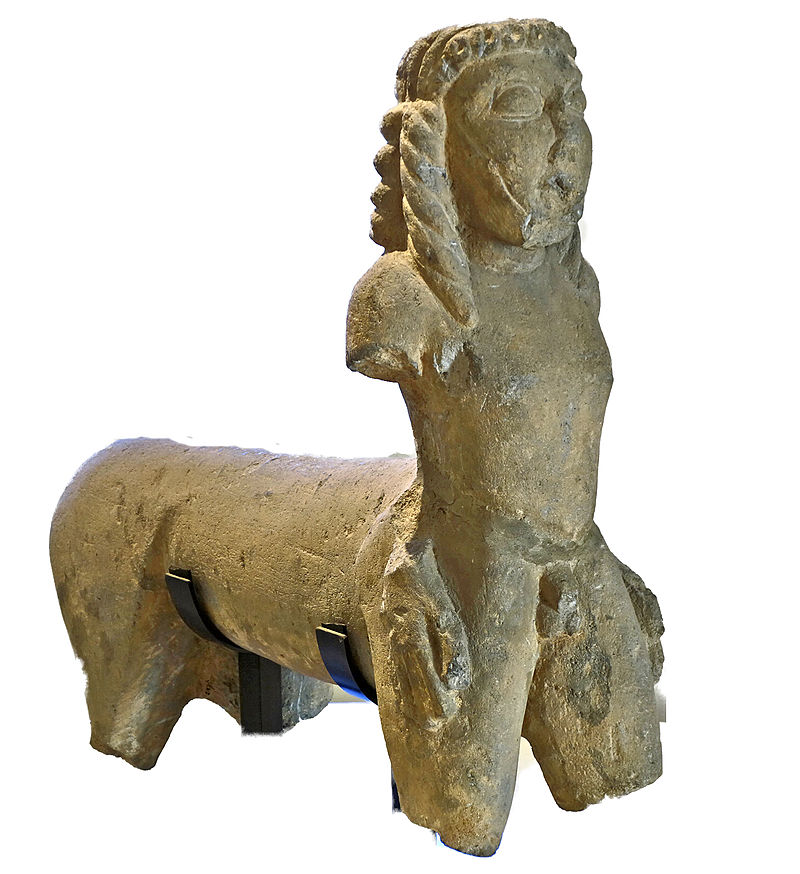
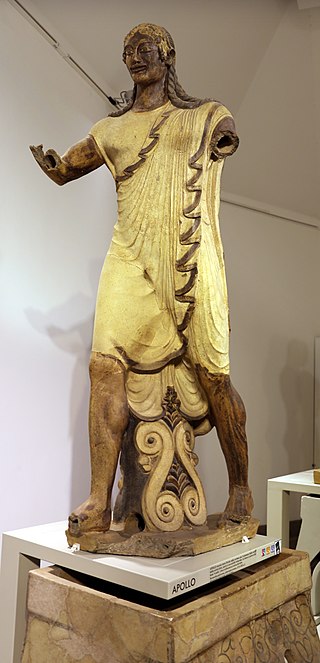
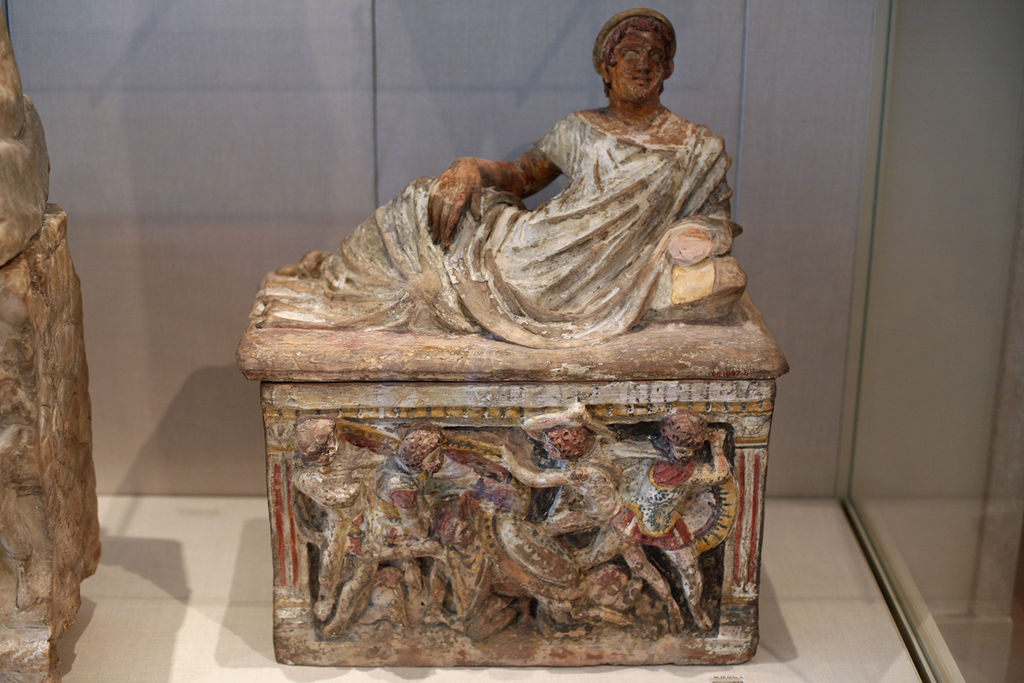
The Etruscans were renowned for their sculptural prowess, leaving behind a rich legacy of terracotta masterpieces that range from small-scale figurines to monumental works of art.

In their skilled hands, terracotta was transformed into intricate sculptures that captured the essence of Etruscan life, mythology, and religious beliefs. These sculptures served various purposes, from adorning temples and tombs to conveying narratives of heroic deeds and divine encounters. With their meticulous attention to detail and expressive craftsmanship, Etruscan sculptors demonstrated a profound understanding of form and anatomy.


Frescoes
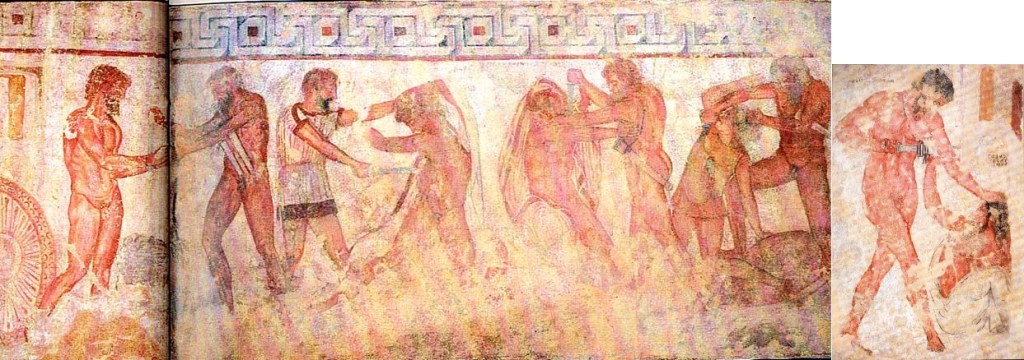
The surviving Etruscan frescoes offer a captivating glimpse into the ancient world, primarily found adorning the walls of tombs concentrated in places like Tarquinia.

Dating from c. 670-200 BC, these artworks provide invaluable insights into Etruscan life, culture, and religious beliefs. The tombs, serving as repositories for entire family lineages, were not merely resting places but sacred sites for recurrent family rituals. As such, the subjects depicted in these paintings likely hold profound religious significance, portraying scenes and symbols associated with Etruscan mythology, funerary rites, and the afterlife. Through their vibrant colors, intricate details, and symbolic motifs, these frescoes offer a window into the spiritual and cultural world of ancient Etruria.


Pottery
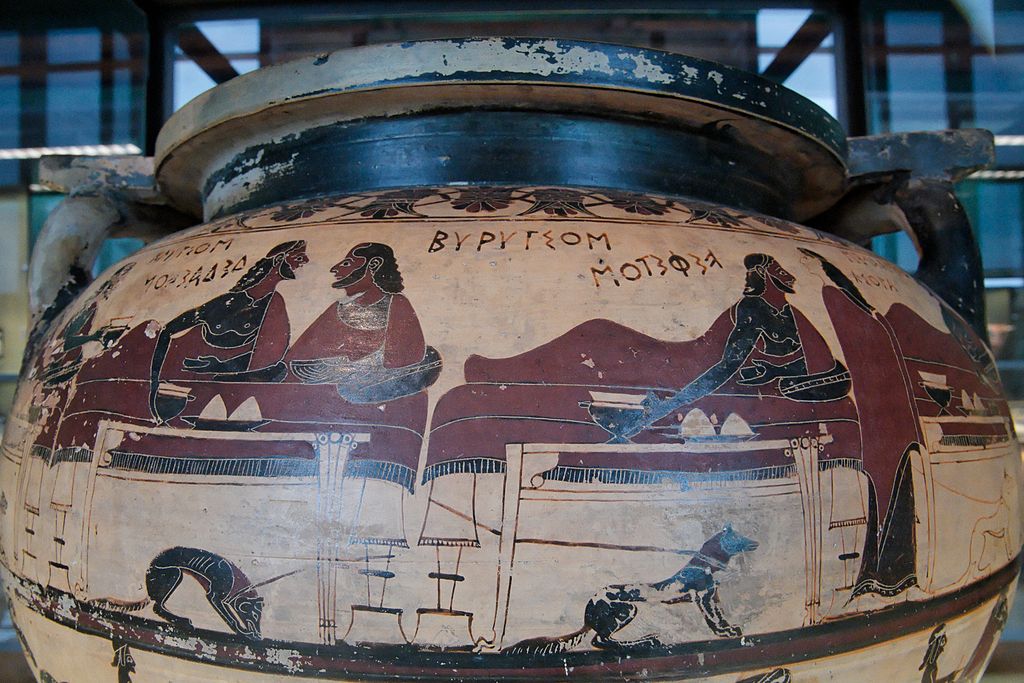
Etruscan vase painting, spanning from the 7th-4th c. BC, stands as a cornerstone of Etruscan artistic expression. While deeply influenced by Greek vase painting, particularly the stylistic trends emanating from Athens, Etruscan artisans carved out a distinctive niche, imbuing their works with unique motifs and cultural nuances.

Despite echoing the overarching styles of their Greek counterparts, Etruscan vase painting often lagged behind by several decades, offering a fascinating glimpse into the evolution and adaptation of artistic movements across different regions and time periods. Through their vases, adorned with intricate designs and rich symbolism, the Etruscans not only paid homage to Greek aesthetics but also carved out their own artistic identity, reflecting the complexities of their society and worldview.
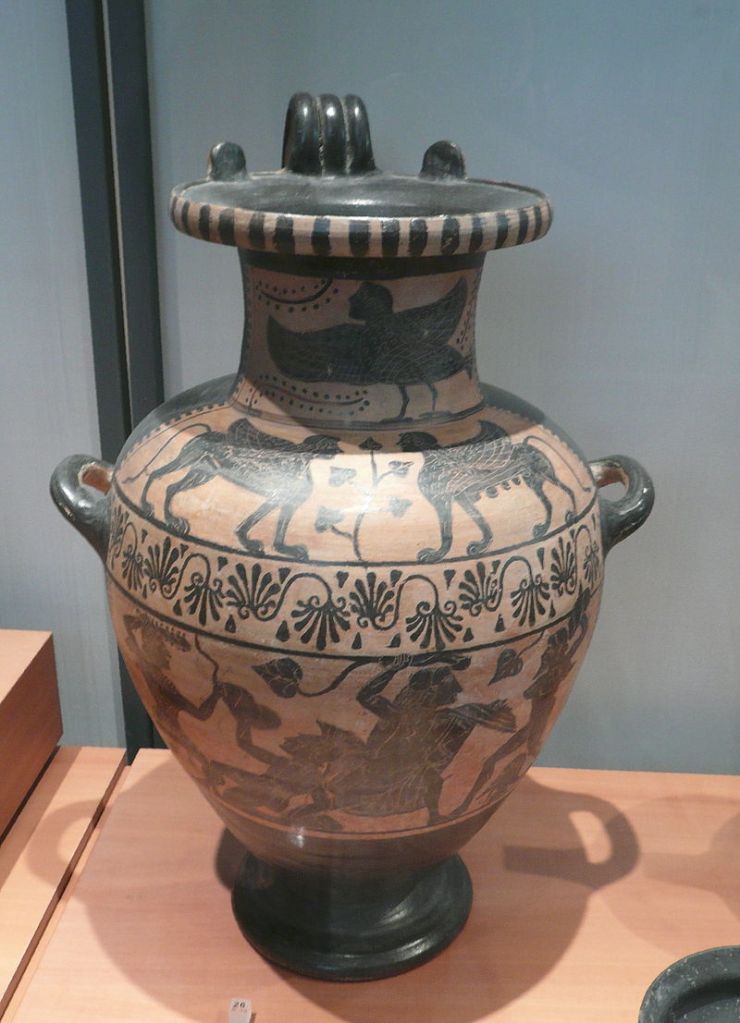
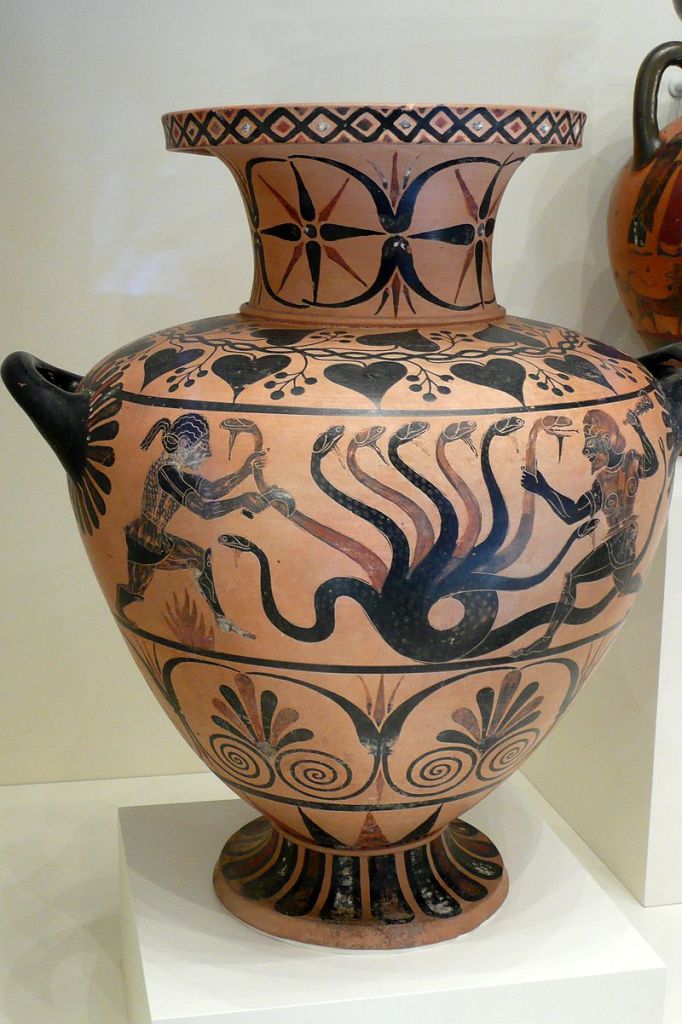
2. Black-figure hydria with Herakles and the Hydra, c. 525 BC. (c) Dave & Margie Hill
3. Krater of Eurytus, c. 600 BC. (c) Jastrow
A hallmark of Etruscan ceramic art lies in the burnished, unglazed terracotta wares known as bucchero, distinguished by their sleek black finish achieved through firing in a reducing kiln, which deprived the atmosphere of oxygen. This distinctive technique, a refinement of pottery methods dating back to the Villanovan period, reflects the Etruscans’ innovative spirit and mastery of material craft. Bucchero vessels, ranging from elegant amphorae to intricately adorned vases, not only served practical functions but also embodied artistic excellence, showcasing the Etruscans’ ability to marry form and function with exquisite precision. With their lustrous black surfaces and timeless elegance, bucchero ceramics stand as enduring testaments to the ingenuity and sophistication of Etruscan culture.


Metalwork
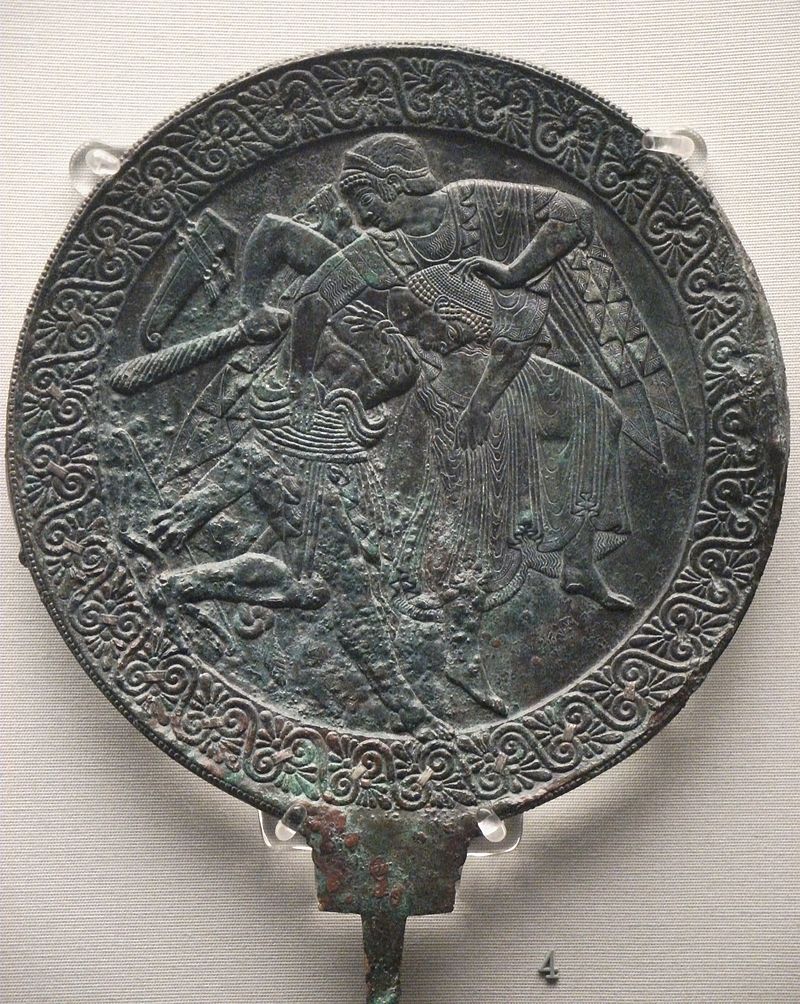
From antiquity’s dawn, the Etruscans boasted a robust tradition of bronze craftsmanship, producing exquisite works that garnered admiration far beyond their homeland. Renowned for their mastery of the medium, Etruscan artisans crafted intricate bronze sculptures and artifacts, ranging from statues and figurines to utensils and decorative items.

These exquisite creations were not only prized for their aesthetic appeal but also revered for their technical prowess, showcasing the Etruscans’ expertise in metalworking techniques such as casting and engraving. One notable hallmark of Etruscan bronze artistry is the meticulous engraving of cast pieces, where complex linear motifs were skillfully etched into the metal’s surface and accentuated with contrasting white infill, resulting in mesmerizing compositions that captivated viewers with their intricate detailing and visual allure. With their unparalleled skill and artistic vision, Etruscan bronze craftsmen left an indelible legacy that continues to inspire awe and admiration to this day.
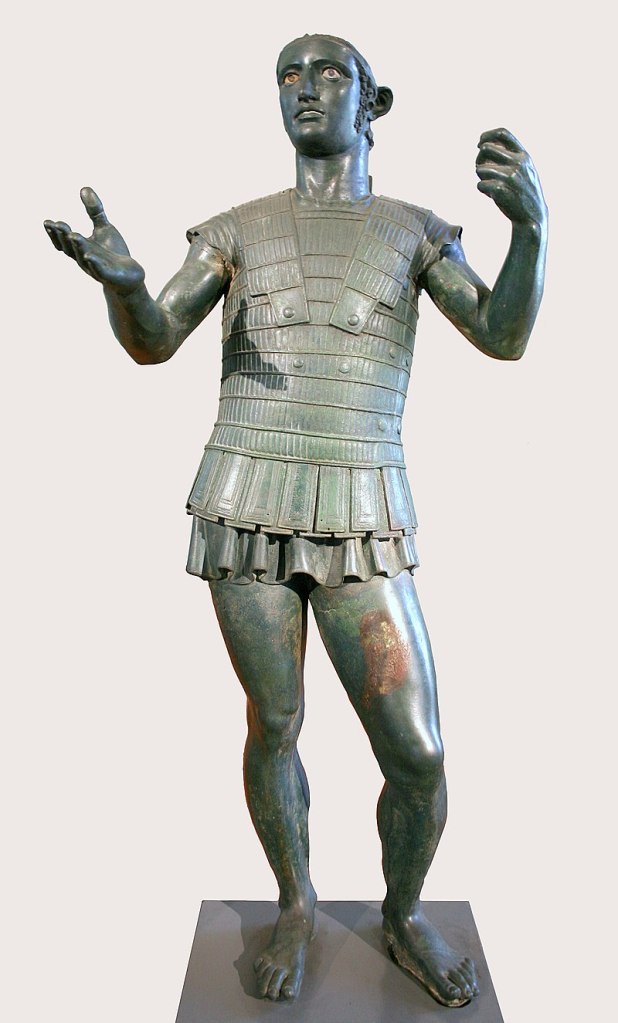


2. Mars of Todi, c. 400 BC. (c) Jean-Pol Grandmont
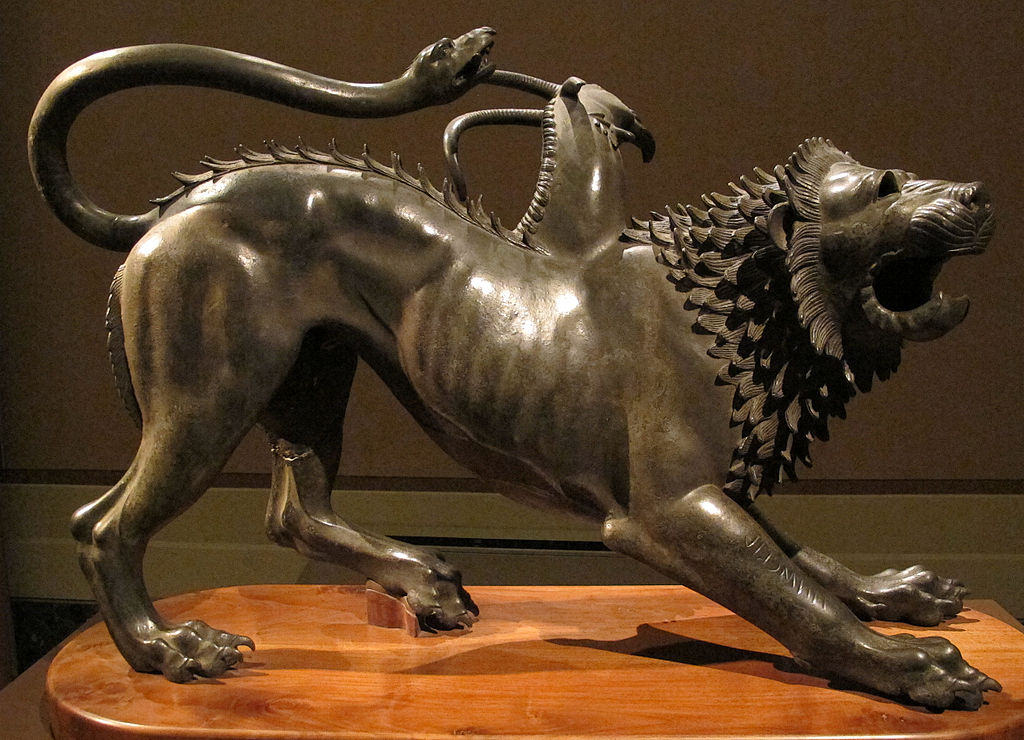
3. Chimera of Arezzo, c. 400 BC. (c) Sailko
4. The Orator, Romano-Etruscan statue, c. 100 BC. (c) corneliagraco
5. Gold disc brooch, Cerveteri, c. 675–650 BC.
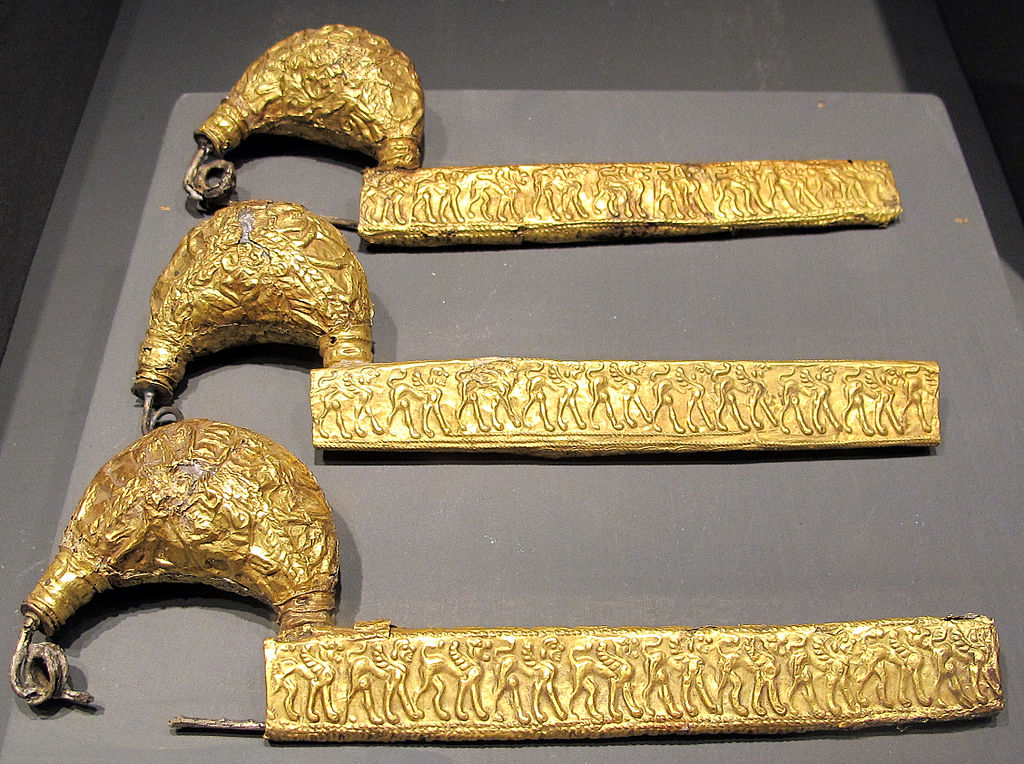
6. Gold brooches. (c) Sailko

 Digital Maps of the Ancient World