Isis
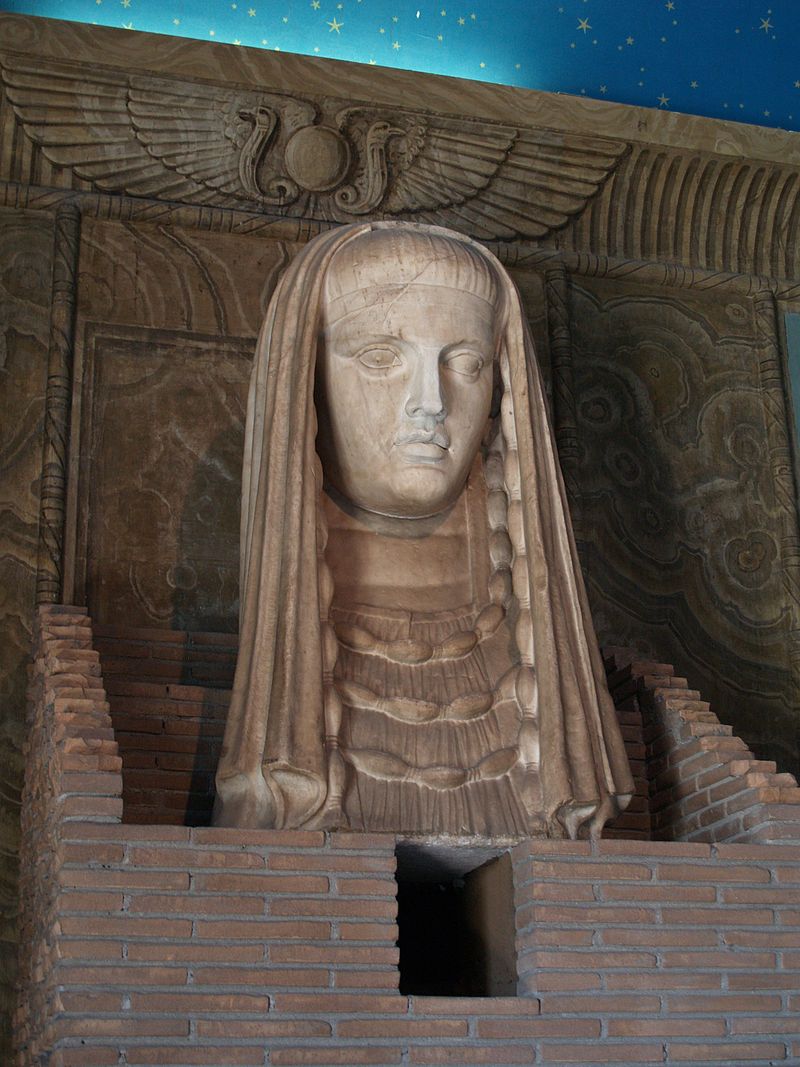
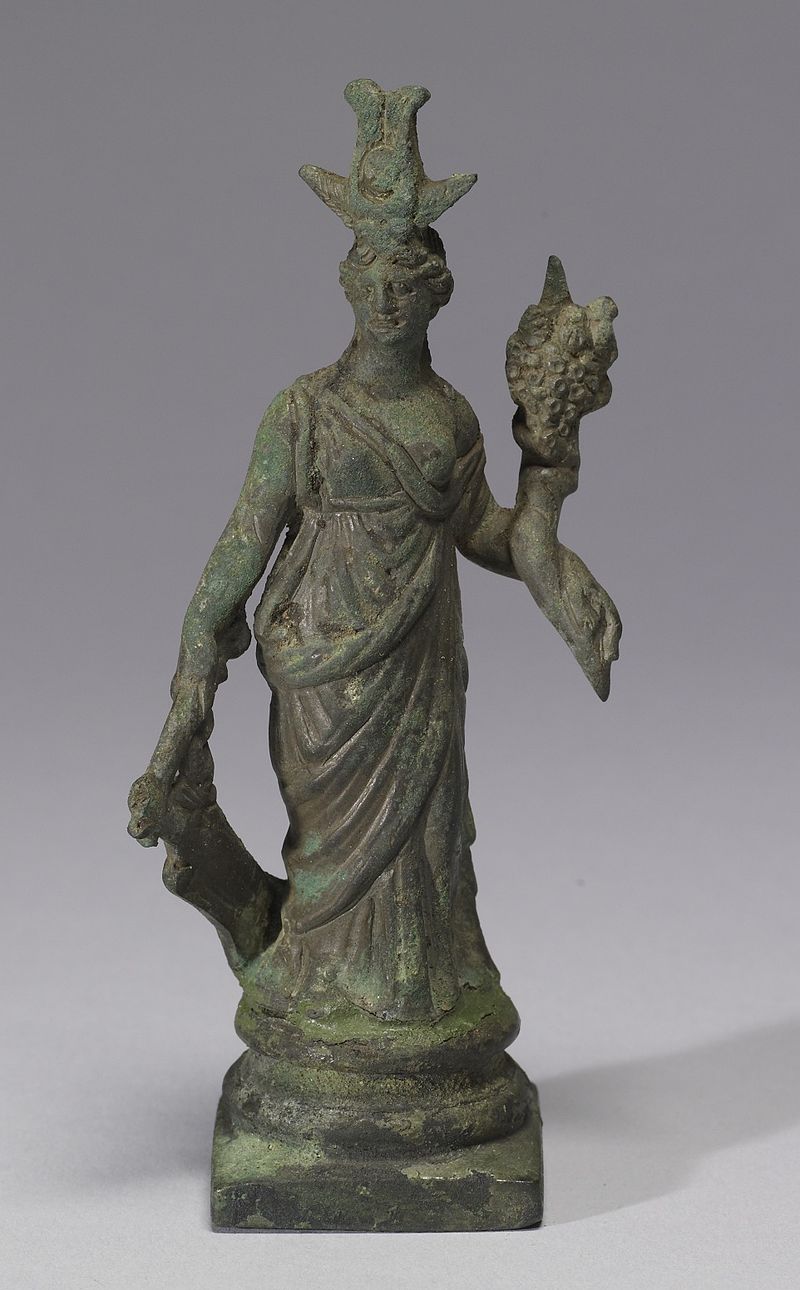
Isis, in ancient Egyptian religion, was revered as a mother goddess, as well as a deity associated with wisdom and magic. Her worship extended beyond Egypt and gained popularity throughout the Greco-Roman world. Isis was believed to have great magical powers, and she played a central role in Egyptian mythology, particularly in the myth of Osiris, where she resurrected her husband Osiris and conceived their son Horus.
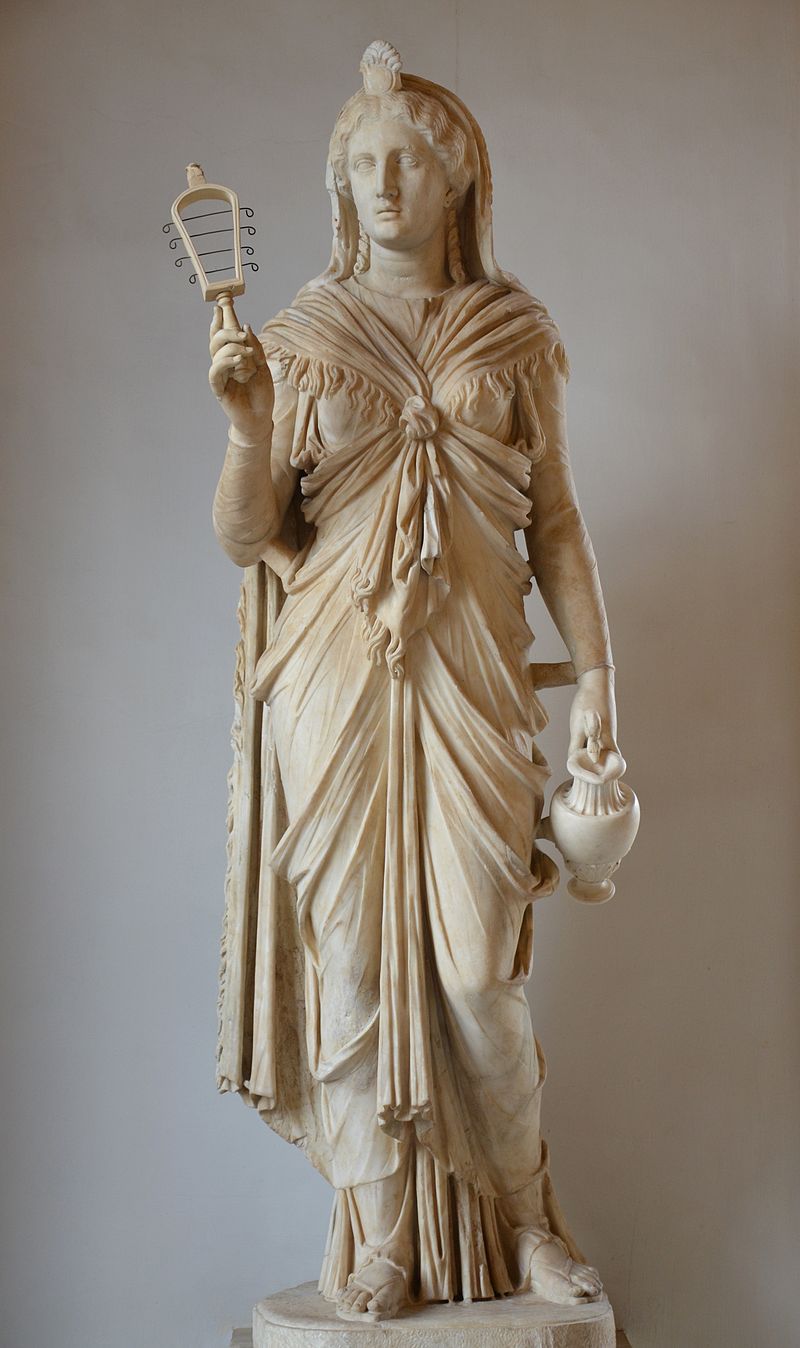
Symbols: Human woman with a throne-like hieroglyphs upon her head
Parents: Geb and Nut
Consort: Osiris and Serapis
Siblings: Osiris, Set and Nephthys
Children: Horus and Min
Festivals: Navigium Isidis
Greco-Roman
The worship of Isis extended its reach to Italy and the Roman sphere of influence during the 2nd c. BC, marking one among many cults introduced to Rome as the territorial expansion of the Roman Republic progressed. As a testament to its significance, shrines and altars dedicated to Isis began to adorn the Capitoline Hill, the epicenter of Roman life, erected by private citizens as early as the 1st c. BC.
However, the autonomous nature of her cult, free from direct Roman oversight, stirred apprehension among Roman authorities. During the tumultuous years of the 50s and 40s BC, amid growing concerns over potential divine discord destabilizing the Roman Republic, the Senate ordered the destruction of these shrines. Despite this, the worship of Isis was not outright prohibited within the city.
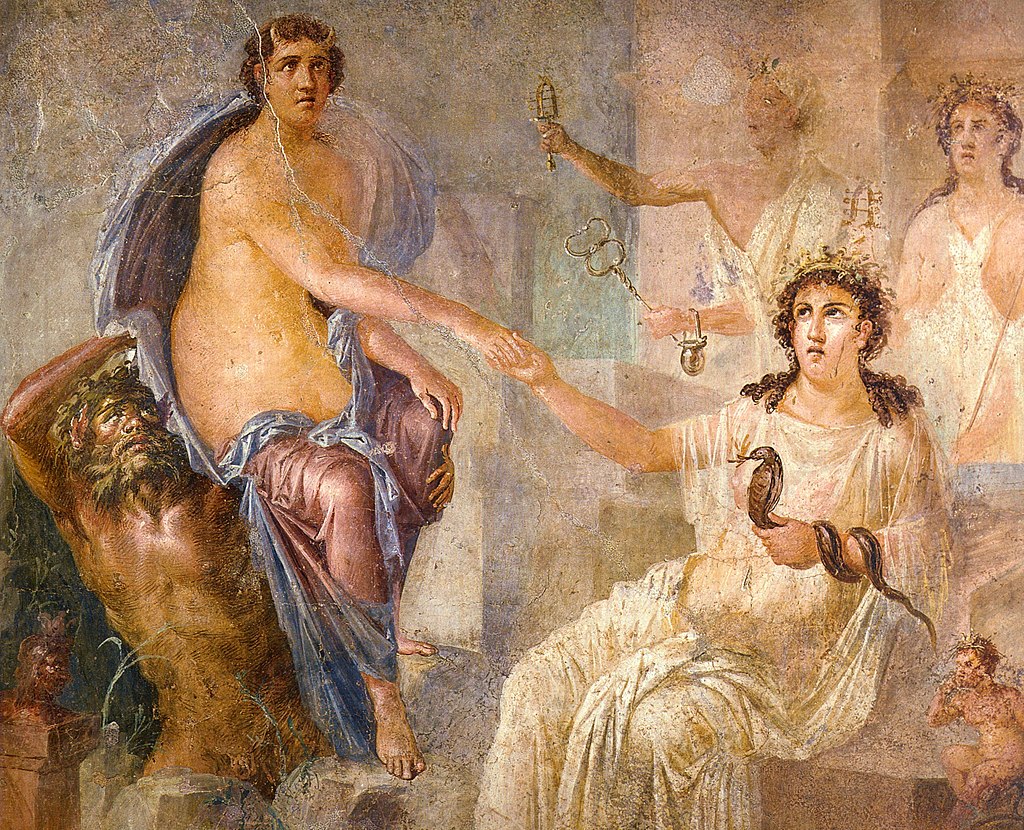
During the Final War of the Roman Republic (32–30 BC), Egyptian cults, including the worship of Isis, faced heightened hostility as Rome, under the leadership of Octavian (the future Emperor Augustus), clashed with Egypt under Mark Antony and Cleopatra VII. Following Octavian’s victory, he prohibited the establishment of shrines to Isis within Rome’s innermost sacred boundary, known as the pomerium, but permitted them in areas outside this boundary, effectively delineating Egyptian deities as non-Roman yet tolerated within Rome.
Despite a temporary expulsion from Rome during the reign of Tiberius (14–37 AD), Egyptian cults gradually gained acceptance within the Roman religious milieu. By the late 1st c. AD, during the Flavian dynasty, deities such as Serapis and Isis were treated as traditional Roman gods, akin to Jupiter and Minerva.
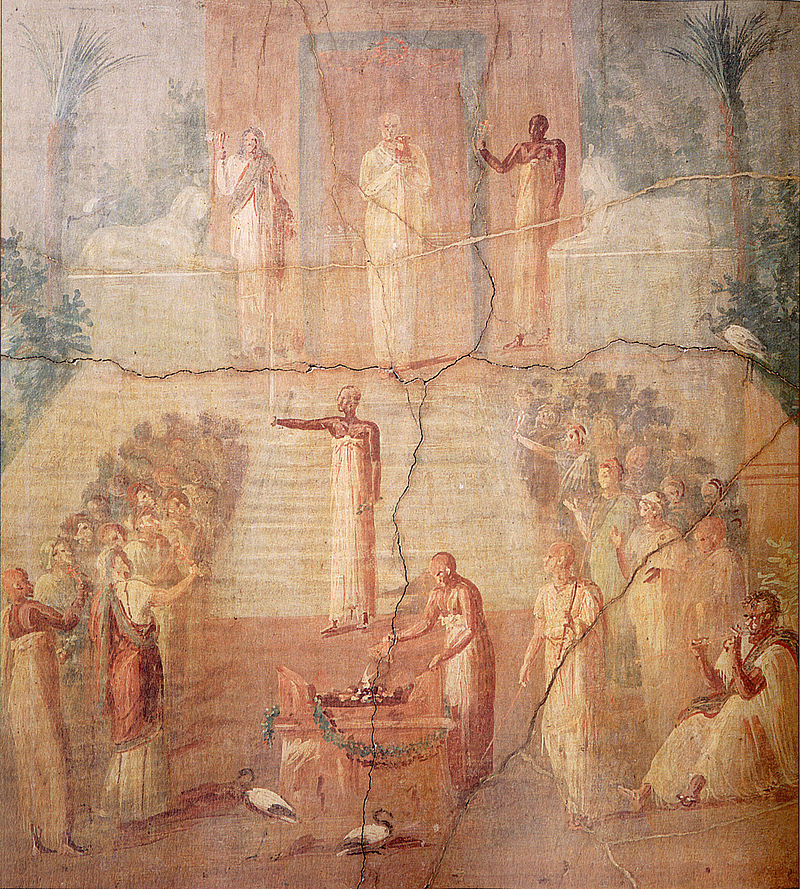
The cult also expanded into Rome’s western provinces, beginning along the Mediterranean coast in the 1st c. AD. At their peak in the 2nd-3rd c. AD, Isis was worshipped in most towns across the western empire, although she did not have much presence in the countryside. Her temples were found from Petra and Palmyra, in the East, to Italica and Londinium in the West. By this time, she was on a comparable footing with traditional Roman deities.


 Digital Maps of the Ancient World