Centeotl
Centeotl, the god of maize, occupied a vital position in the Aztec pantheon.
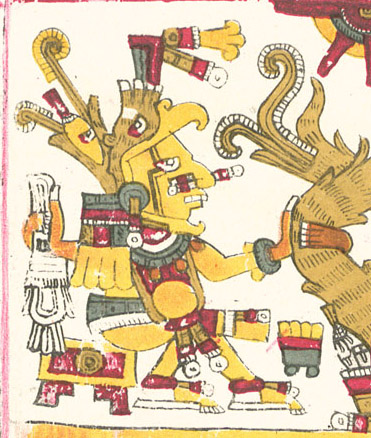
Residence: Tlalticpac
Symbol: Maize
Parents: Piltzintecuhtli and Tlazolteotl (Codex Florentine), Piltzintecuhtli and Xochiquetzal (Codex Zumarraga)
Consort: Chicomecoatl, Xochiquetzal (Codex Le Tellier)
Maya Equivalent: Yum’kaax
Maize formed the cornerstone of Aztec life. It was their staple food, a vital element in their economy, and deeply woven into their culture. Centeotl, therefore, was revered as the sustainer and giver of life. He ensured the fertility of the land, the growth of maize, and the bountiful harvests upon which the Aztec civilization thrived. Farmers relied on Centeotl’s blessings for a successful crop.
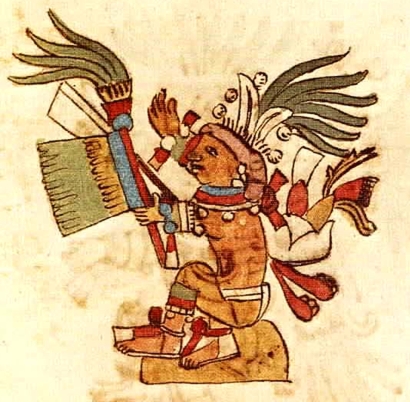
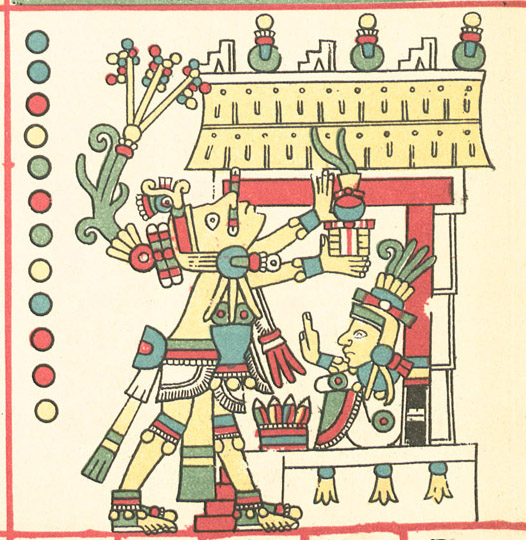
Centeotl was often depicted as a young man, symbolizing the strength and fertility associated with maize cultivation. This imagery reflected the hard work required to grow maize and its life-giving properties.
Centeotl was also associated with the earth goddess Coatlicue, representing the cyclical nature of life and death. Just as maize kernels fell to the earth to sprout new life, so too did humans return to the earth after death to nourish future generations.
Art

 Digital Maps of the Ancient World