Quetzalcoatl
In the vibrant tapestry of Aztec mythology, Quetzalcoatl stands out as a captivating enigma, a god shrouded in mystery and revered for his multifaceted nature. Often depicted as a feathered serpent, he embodies creation, knowledge, wind, and the precious metal turquoise.
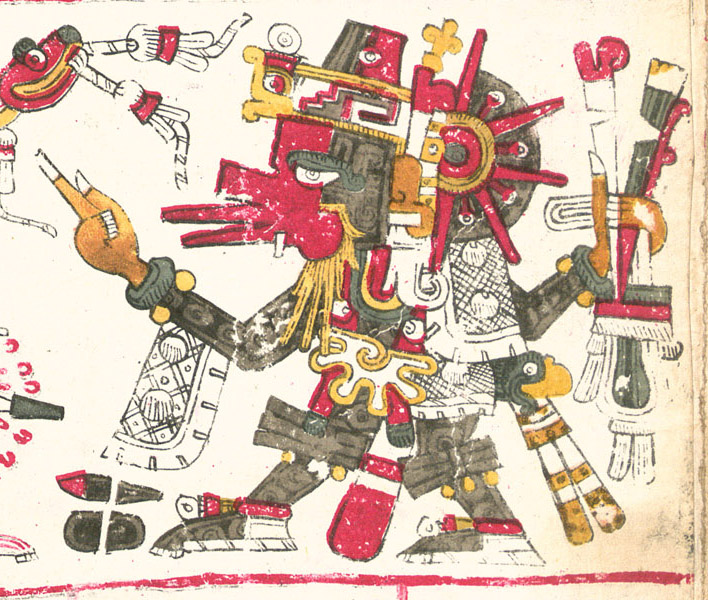
Residence: Ilhuicatl-Teteocan (Twelfth Heaven), Ilhuicatl-Teoiztac (Ninth Heaven) and the West
Symbol: Feathered Serpent
Parents: Mixcoatl and Chimalma (Codex Chimalpopoca), Ometecuhtli and Omecihuatl (Codex Zumarraga)
Siblings: Xolotl (Codex Chimalpopoca), Tezcatlipoca, Xipe-Totec, Huitzilopochtli (Codex Zumarraga)
Festivals: Teotleco
Inca Equivalent: Viracocha
Maya Equivalent: Kukulkan
Aztec mythology describes a cyclical universe where the sun dies and is reborn. Quetzalcoatl played a pivotal role in the creation of the current Fifth Sun, sacrificing himself by leaping into a bonfire and emerging as the new sun god. He was also considered the patron of knowledge, learning, and the arts. He was believed to have gifted humanity with precious knowledge like writing, agriculture, and the calendar. Furthermore, Quetzalcoatl was associated with Ehecatl, the god of wind. Wind was seen as the life force that carried prayers to the heavens and ensured the proper functioning of the cosmos. As the wind god, he ushered in the dawn, symbolizing the arrival of a new day and the promise of rebirth.
The planet Venus, appearing as both a morning and evening star, was linked to Quetzalcoatl. The morning star represented his benevolent side, associated with creation and knowledge. The evening star, however, held a more ominous connotation, symbolizing potential destruction and Quetzalcoatl’s eventual departure. This duality extended to his very form – the feathered serpent. The earthly serpent represented his connection to the physical world, while the celestial bird symbolized his association with the heavens and the sky. Turquoise, a precious blue stone closely linked to Quetzalcoatl, represented purity, water, and the heavens, reflecting his connection to creation and knowledge.
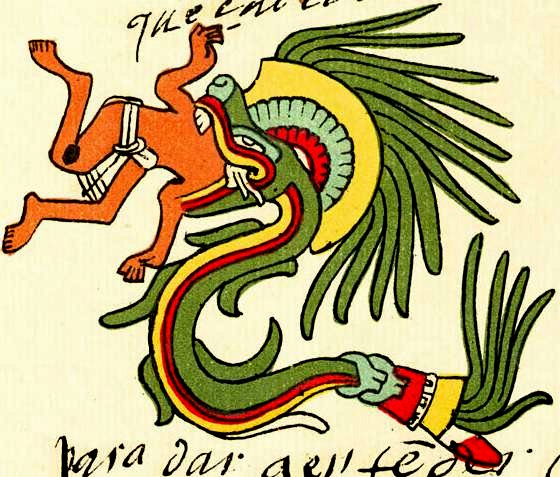
A prominent Aztec belief centered around the prophecy of Quetzalcoatl’s return. He was said to one day return from the east, riding on a raft of serpents, to reclaim his rightful place and usher in a new era of peace and prosperity. This prophecy played a significant role in the eventual fall of the Aztec Empire. The Spanish conquistador Hernán Cortés, with his fair skin and arrival from the east, was mistakenly identified by some Aztecs as the returning Quetzalcoatl.
The prophecy of Quetzalcoatl’s return continues to hold significance for some indigenous communities in Mexico, symbolizing hope for a better future. His image and symbolism transcended Aztec culture, influencing other Mesoamerican civilizations. Quetzalcoatl’s enduring legacy serves as a reminder of the interconnectedness of these cultures.
Art


 Digital Maps of the Ancient World