Tlaloc
In the Aztec pantheon, Tlaloc reigned supreme as the god of rain, thunder, lightning, and earthly fertility. He wasn’t a singular deity, but a complex and multifaceted figure, both revered and feared for his immense power over the lifeblood of Mesoamerican civilization – water.
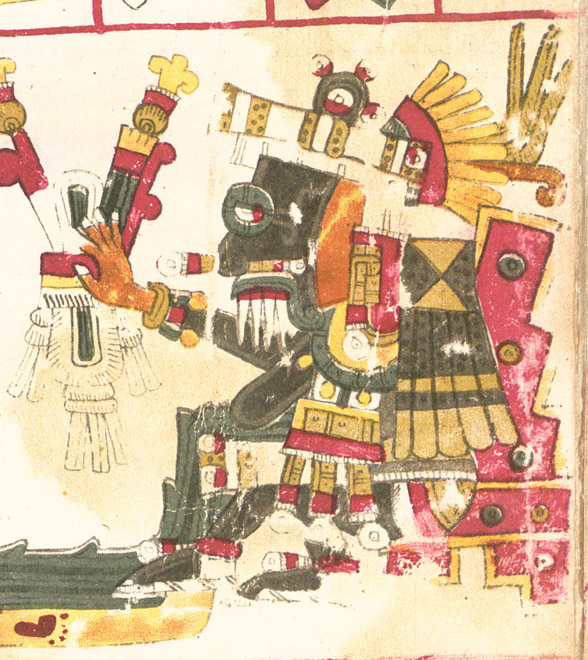
Residence: Tlalocan, Ilhuicatl-Meztli (First Heaven) and Chalchiuhtlicueyecatl (Gulf of Mexico)
Parents: Created by the Tezcatlipocas (Codex Zumarraga)
Consort: Xochiquetzal and Chalchiuhtlicue
Children: the Tlalocs and Huixtocihuatl
Festivals: Etzalcualiztli and Huey Tozoztli
Maya Equivalent: Chaac
Tlaloc was considered essential for agriculture. He controlled the life-giving rains that nurtured maize, the staple crop of the Aztecs. Without his blessings, crops would wither and famines would ensue. He was often depicted residing in mountains, believed to be the source of water.
While Tlaloc could bring life-giving rain, he could also unleash devastating storms. Torrential downpours, floods, and destructive hailstorms were all attributed to his anger. The lightning that accompanied storms was seen as Tlaloc’s weapon, a terrifying display of his power.
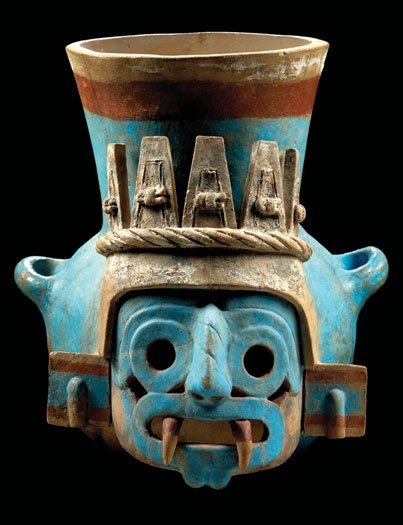
Tlaloc was often portrayed with large, bulging eyes, possibly representing his ability to see into the clouds and control the rain. Fangs further emphasized his dual nature – life-giver and destroyer. Myths depicted Tlaloc possessing four jars, each holding a different type of rain: beneficial, life-sustaining rain, destructive hailstorms, or even droughts.
To ensure Tlaloc’s favor and prevent destructive storms, the Aztecs performed elaborate rituals. These included offerings of precious objects, sacrifices, and even child sacrifices in extreme circumstances. He wasn’t alone. Tlaloc was believed to be accompanied by a host of lesser rain deities, the Tlalocs, who assisted him in bringing rain or storms.
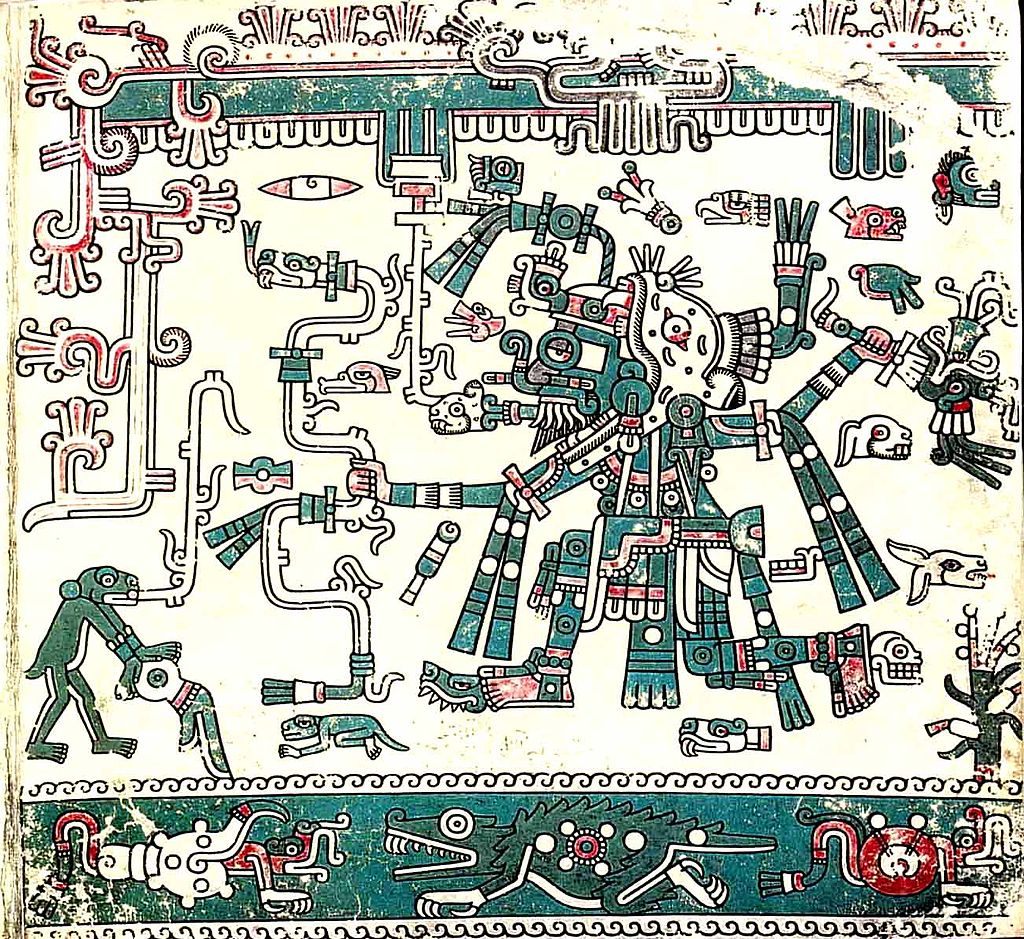
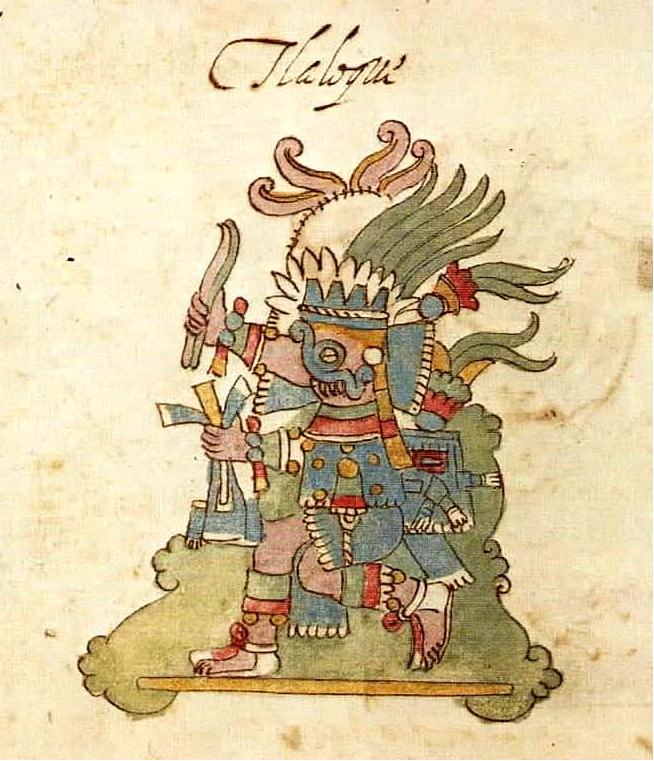
Art


 Digital Maps of the Ancient World