Xolotl
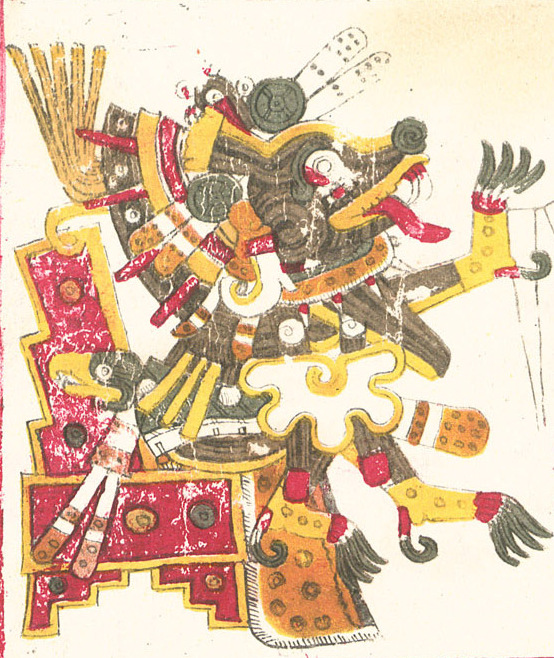
In the Aztec pantheon, Xolotl stands out as a complex and fascinating figure. Often depicted as a dog or a man with a dog’s head, he embodies a web of symbolism, serving as the god of fire, lightning, misfortune, monsters, and most importantly, the underworld.
Residence: Mictlan (Underworld)
Symbol: Xoloitzcuintle
Parents: Mixcoatl and Chimalma (Codex Chimalpopoca)
Siblings: Quetzalcoatl (Codex Chimalpopoca)
Xolotl’s primary domain lay in Mictlan, the nine-layered Aztec underworld. He wasn’t just a resident; he was the psychopomp, the essential guide who assisted the deceased on their perilous journey through the underworld to reach their final resting place. The journey was fraught with danger, and Xolotl’s role was crucial in ensuring the safe passage of the souls.
Xolotl was often considered the twin brother of Quetzalcoatl, the revered feathered serpent god. While Quetzalcoatl represented creation and light, Xolotl was linked to fire, lightning, and the destructive aspects of creation. This association with fire also symbolized transformation, as fire can both destroy and purify.

Xolotl was also linked to the planet Venus in its evening star form, which held a more ominous connotation in Aztec mythology. This association emphasizes his dual nature – a guide and protector, yet also a harbinger of misfortune and darkness. He was sometimes seen as a trickster figure, capable of both aiding and deceiving humans.
Xolotl was most commonly depicted as a dog, an animal associated with the underworld in Aztec culture. He was also sometimes portrayed as a man with a dog’s head, further emphasizing his connection to the realm of the dead. Another symbolic element was the feathered bone he often carried, a symbol associated with the underworld and sacrifices made to the fire god.
Despite his association with darkness and misfortune, Xolotl wasn’t viewed solely as a negative figure. He offered comfort and protection to the deceased on their journey to the underworld. For the Aztecs, death was not an ending, but a transition, and Xolotl played a vital role in ensuring a smooth passage for the departed.
Art


 Digital Maps of the Ancient World