Carthaginian Gods and Goddesses
The Carthaginians, a powerful civilization renowned for their maritime prowess, possessed a rich and multifaceted pantheon. Their gods and goddesses weren’t solely products of their own creation. Instead, they reflected the cultural tapestry woven through trade and conquest across the ancient Mediterranean.

This page invites you to explore the fascinating world of Carthaginian deities. We’ll delve into the divine couples, like the powerful Baal Hammon and the enigmatic Tanit, who formed the core of their belief system. We’ll encounter other gods and goddesses embodying war, healing, trade, and the mysteries of the underworld.
Prepare to embark on a journey of discovery. Uncover the influences that shaped the Carthaginian pantheon, from the Canaanite deities to Egyptian gods. Learn about the rituals and offerings practiced to appease these divine figures. Explore the role these gods and goddesses played in the daily lives of the Carthaginians.
Join us as we unveil the divine tapestry of Carthage, where myth and history intertwine to paint a captivating portrait of an ancient civilization.


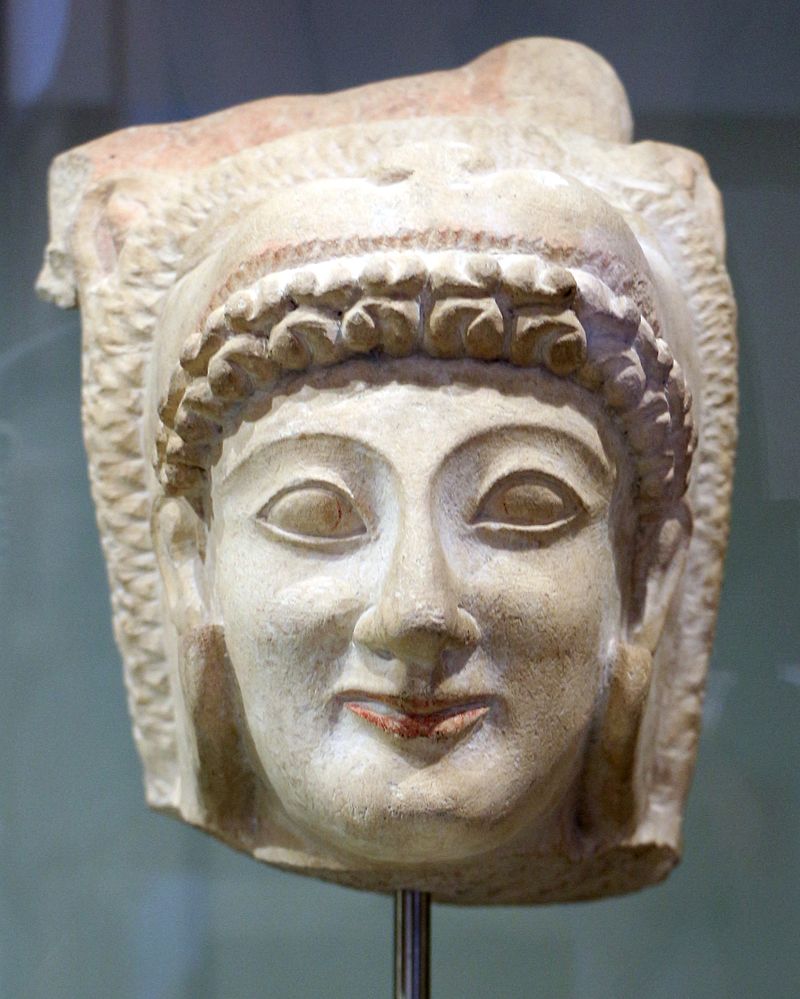
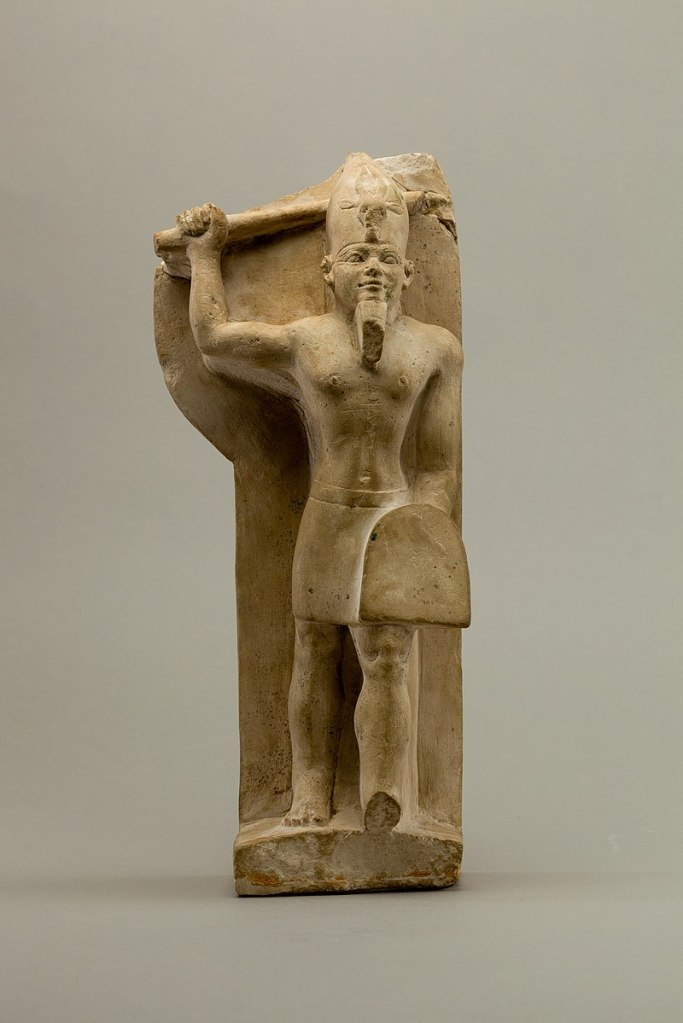

Foreign Imports
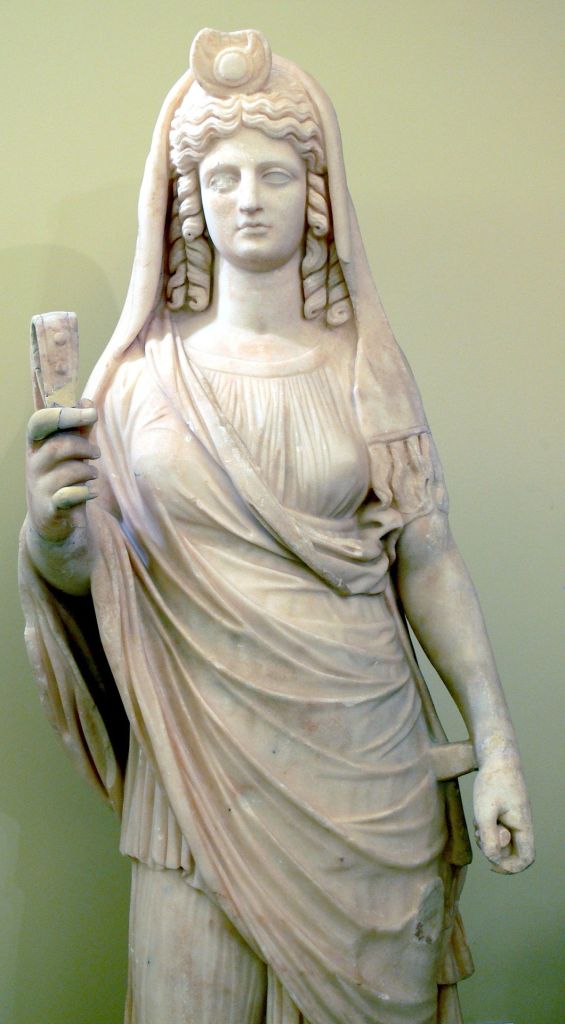
From the 4th c. BC onwards, increasing Hellenization led to the incorporation of Greek deities. Demeter and Persephone became particularly popular after a series of military disasters, which the Carthaginians blamed on their destruction of these goddesses’ temple in Syracuse. The influence wasn’t limited to the Greeks. The Egyptian goddess Isis also found a place in the Carthaginian pantheon. Archaeological evidence, such as a priestess depicted on a sarcophagus lid, suggests Isis held a significant following.



 Digital Maps of the Ancient World