Tanit
Tanit, a captivating figure in the Carthaginian pantheon, continues to intrigue us with her enigmatic nature. Unlike her male counterpart, Baal Hammon, whose origins are clearer, Tanit’s rise to prominence remains shrouded in some mystery. However, archaeological evidence and surviving depictions paint a fascinating picture of this powerful goddess.

Consort: Baal Hammon
Greek equivalent: Astarte
Roman equivalent: Juno Caelestis
While fertility was undoubtedly a central aspect of Tanit’s worship, her role extended beyond. She was also associated with protection, particularly the protection of women and childbirth. Some scholars even believe she held a connection to the moon, drawing parallels with lunar goddesses in other ancient cultures.
While Tanit’s presence in Carthage can be traced back to earlier times, her rise to the top goddess around the 5th c. BC is a notable development. This shift suggests a growing importance placed on the feminine aspects of the divine.
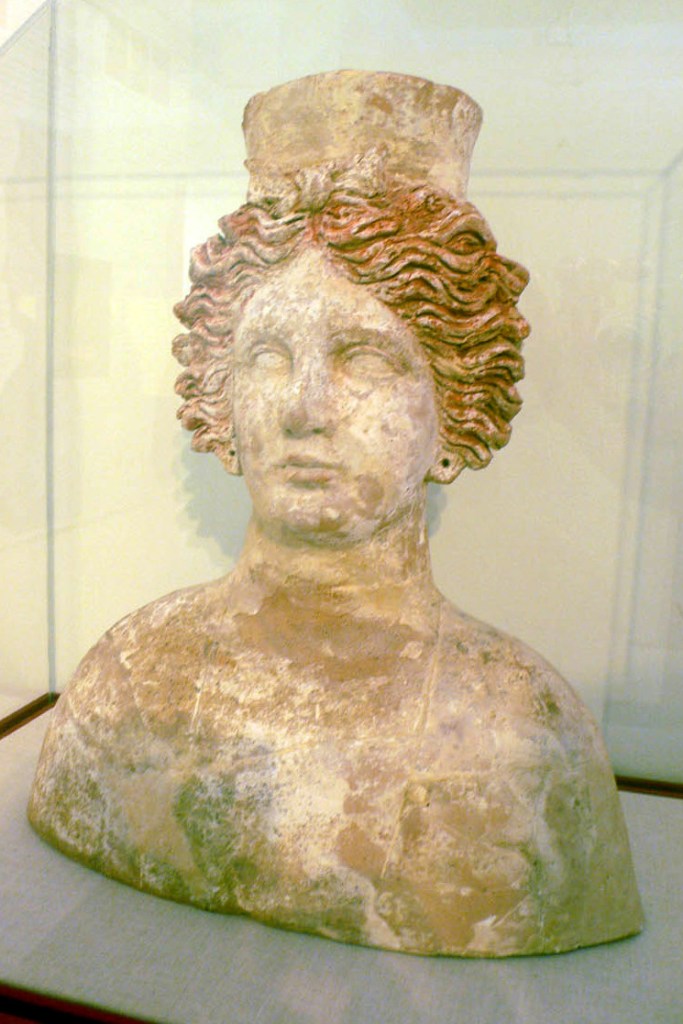
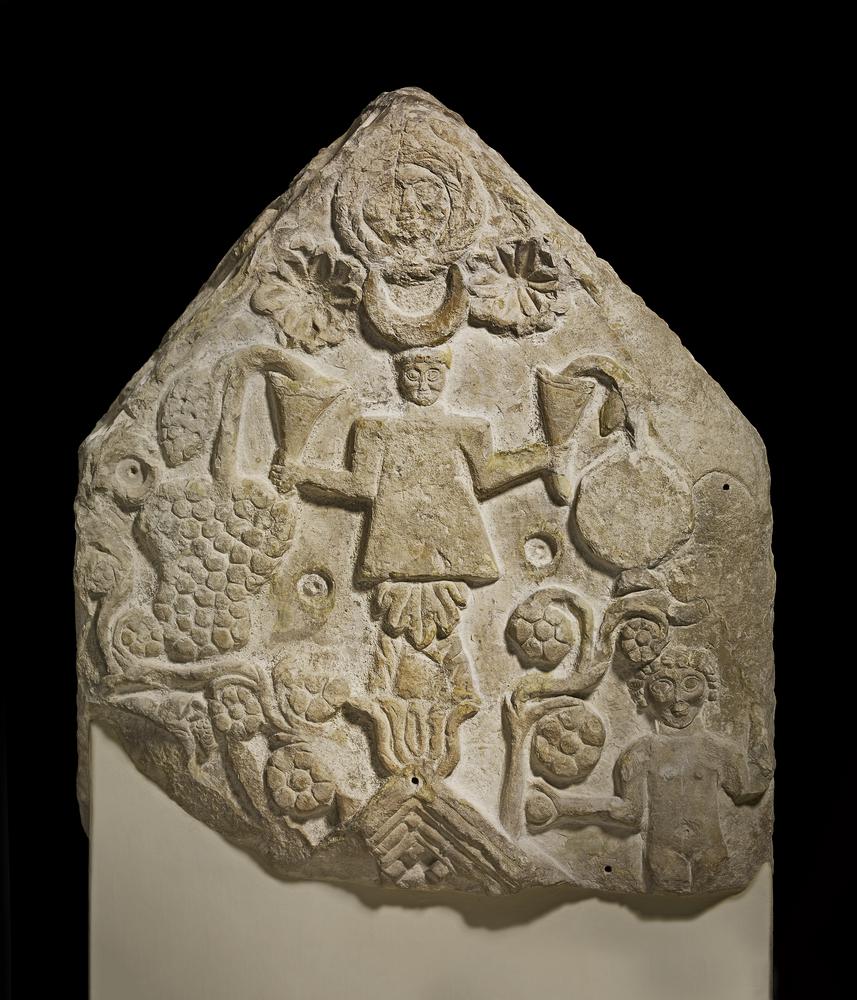
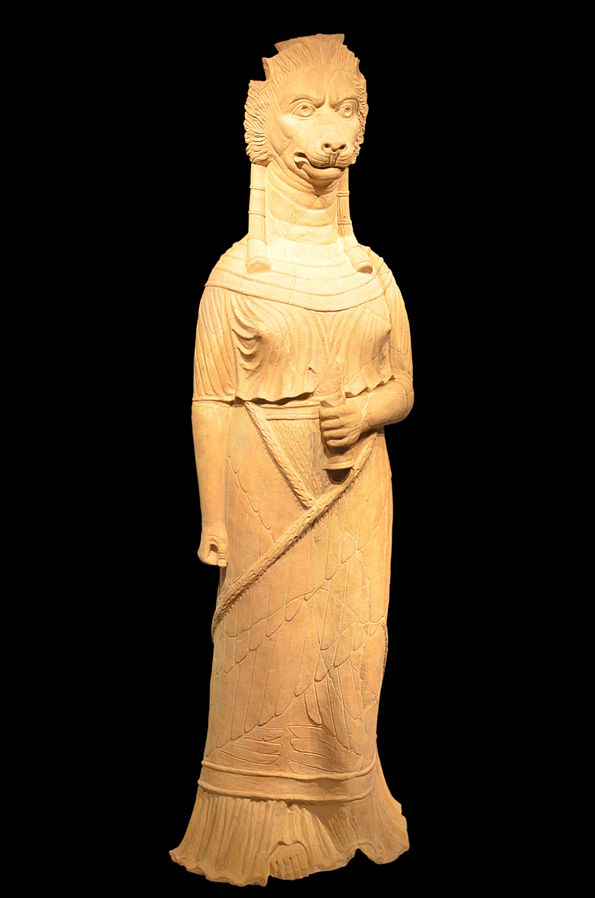
Depictions of Tanit vary, but a recurring motif is the triangle. This geometric form likely symbolized femininity, fertility, and possibly even the pubic triangle, further reinforcing her connection to procreation. Additionally, she might be portrayed as a composite figure with a raised hand holding a disc, adding another layer of symbolism yet to be fully understood.
Limited information exists about the specific rituals dedicated to Tanit. However, evidence suggests offerings were made in her name, possibly including figurines and depictions of pomegranates, a fruit often associated with fertility and the underworld in other Mediterranean cultures.
Tanit’s influence wasn’t confined to Carthage. Her image and symbols have been found across the Carthaginian empire, highlighting the widespread veneration she received. Even after the fall of Carthage, the goddess continued to be worshipped in some areas, a testament to her enduring legacy. Our understanding of Tanit is still evolving. The lack of extensive written records and the bias of Roman and Greek accounts leave much to be pieced together through archaeological finds and interpretations.
Art


 Digital Maps of the Ancient World