Nephthys
Nephthys, an essential figure in Egyptian mythology, embodied a multifaceted array of roles and attributes, such as mourning, temple service childbirth and beer.

Symbols: Sacred temple enclosure
Cult Centre: Diospolis Parva
Parents: Geb and Nut
Siblings: Osiris, Set, Isis and Horus the Elder
Consort: Set
Children: Anubis
Revered as the goddess of mourning, she presided over rituals of grief and lamentation, providing solace to those who mourned the departed. As the deity of the night, Nephthys ruled over the nocturnal realm, guiding souls through the darkness and offering protection during the vulnerable hours.
Her domain extended to service, particularly within temples, where she was honored for her dedication and devotion. Additionally, Nephthys was associated with childbirth, safeguarding mothers and infants during the birthing process.
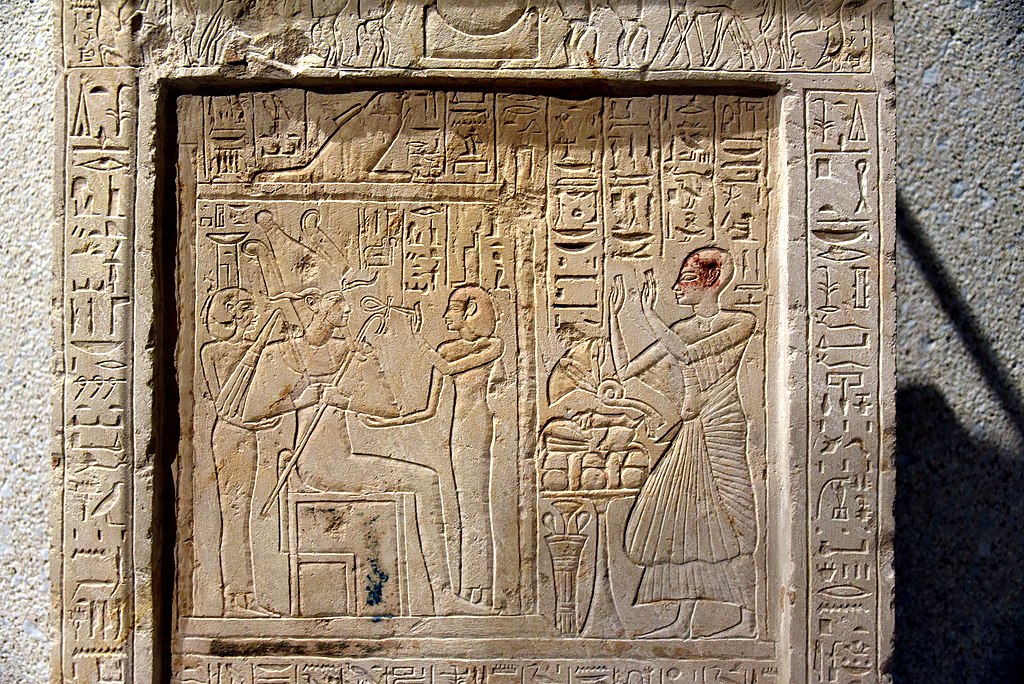
In the realm of the dead, she played a crucial role, aiding in the transition of souls to the afterlife and ensuring their protection on the journey. Nephthys was also revered for her mastery of magic, employing mystical arts for healing, protection, and spiritual guidance. Furthermore, she was closely linked to the practice of embalming, facilitating the preservation of the deceased in preparation for the afterlife.
Lastly, Nephthys held a special connection to beer, symbolizing its significance in Egyptian culture as a libation offered to honor the gods and sustain the living.

In her funerary role, Nephthys assumed poignant symbolism, often represented as a kite or a woman adorned with falcon wings, their span outstretched in a gesture of protective embrace. The choice of the kite, with its haunting cries, resonated with the mournful lamentations traditionally offered for the departed, evoking a sense of reverence and solemnity.
Depictions of Nephthys invariably featured her crowned with hieroglyphs symbolizing her name—a fusion of sacred temple enclosure signs topped with the emblem signifying “mistress.” This sacred iconography underscored her divine authority and her pivotal role in guiding souls through the afterlife’s mysterious realms.


 Digital Maps of the Ancient World