Sobek
Sobek embodied a multifaceted array of attributes, symbolizing not only pharaonic power, fertility, and military prowess but also serving as a guardian with potent apotropaic qualities in Egyptian mythology.
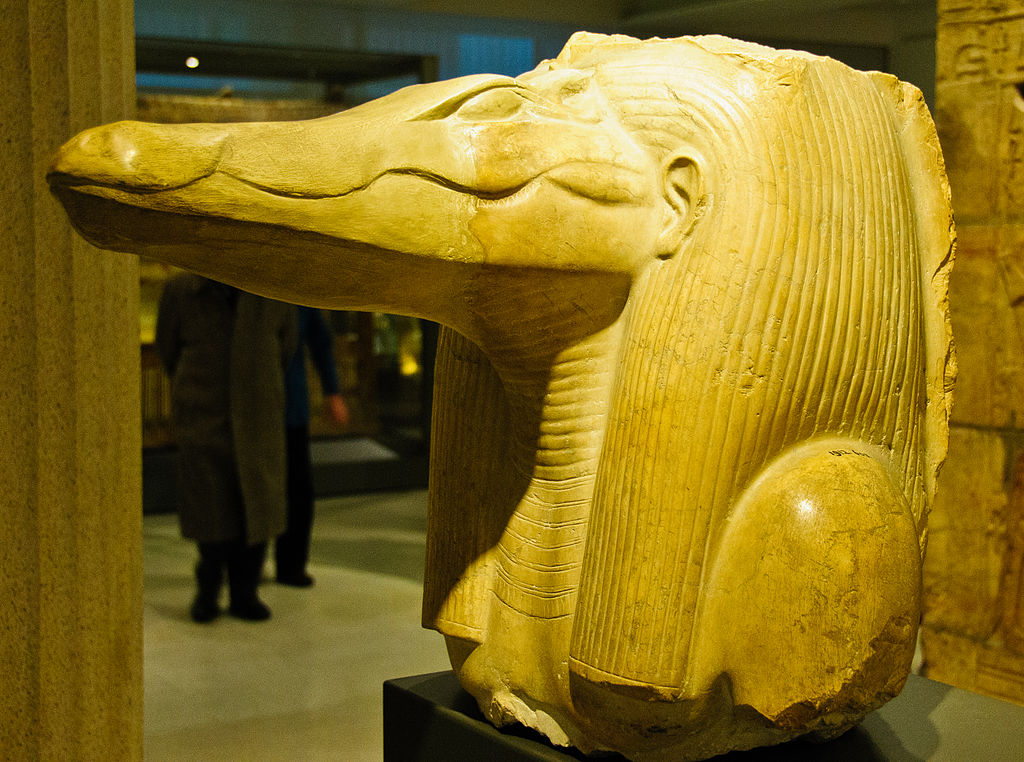
Symbols: Crocodile
Cult Centre: Crocodilopolis, the Fayum and Kom Ombo
Parents: Set/Khnum and Neith
Consort: Renenutet or Meskhenet
Revered as a protector against the perils posed by the Nile, Sobek held a significant role in safeguarding the lives and livelihoods of the ancient Egyptians who relied on the river’s bounty.
Associated with the fertile and life-giving waters of the Nile, Sobek’s influence extended beyond mere protection, encompassing the realm of fertility and abundance. As a god of military might, he was invoked by warriors seeking strength and victory on the battlefield, embodying the ferocity and tenacity necessary for triumph in conflict.

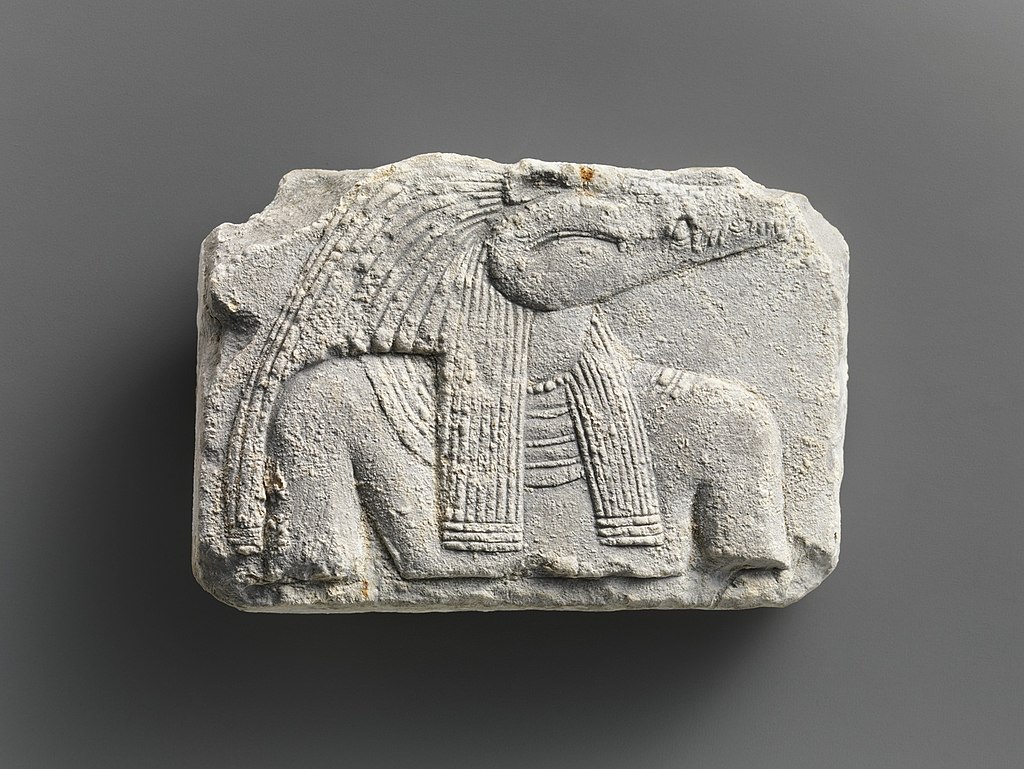
Sobek was typically depicted either as a crocodile or as a human with a crocodile head. Known for his aggressive and animalistic nature, Sobek embodied the ferocity of his patron animal. However, he also held a protective role, associated with the healing aspects of the Osiris myth and Isis. This duality allowed him to ward off evil while defending the innocent, making him a subject of personal devotion and a common recipient of votive offerings, particularly in later periods of Egyptian history.
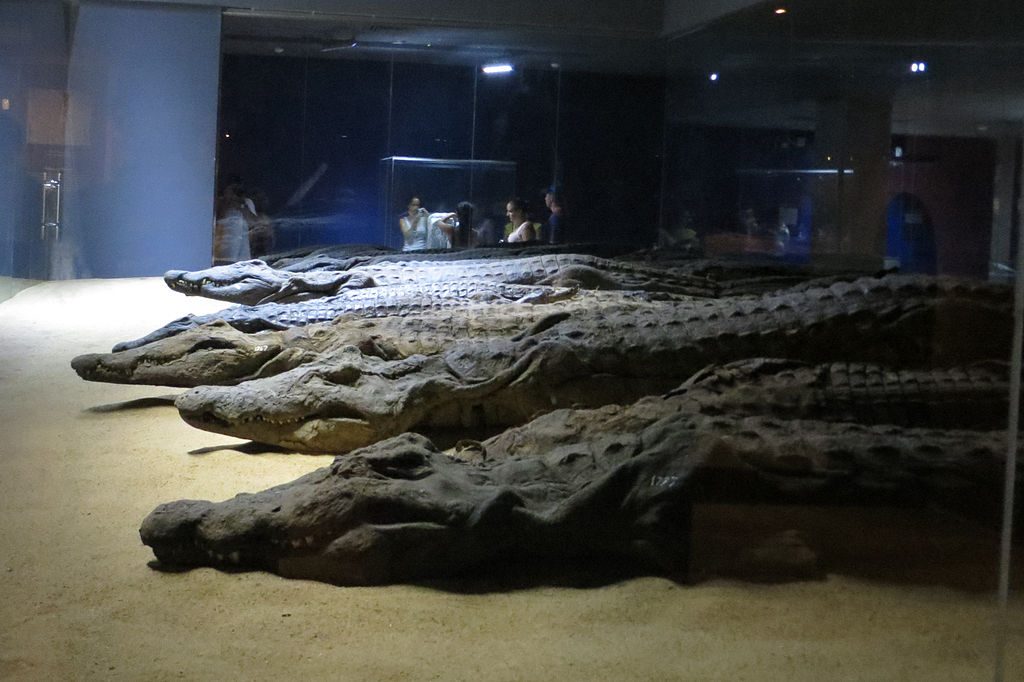
Crocodiles were revered in ancient Egypt as living incarnations of Sobek, the god they symbolized. Upon their deaths, these sacred creatures were mummified in elaborate rituals, serving as earthly representations of their patron deity. This revered practice took place predominantly at the main temple of Crocodilopolis. Additionally, crocodile mummies were offered as gifts to Sobek at his various temples, further emphasizing their significance in religious worship and devotion.

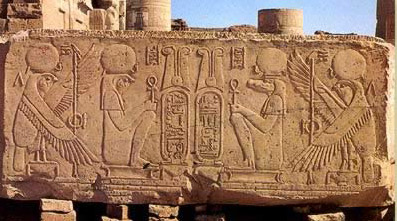
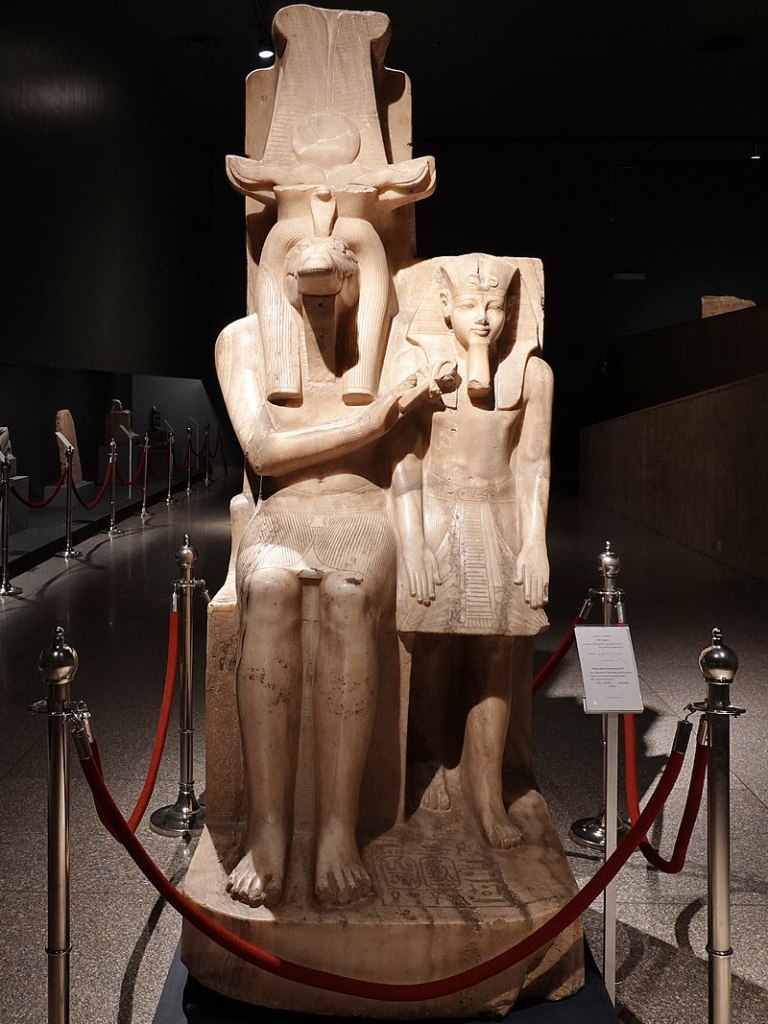



2. Relief of seated Sobek and Horus. Kom Ombo. (c) Tour Egypt
3. Statue of Sobek and Amenhotep III, c. 1550-1292 BC. Luxor Museum. (c) Olaf Tausch
4. Sobek in his crocodile form, c. 1991-1802 BC. Staatliche Sammlung für Ägyptische Kunst, Munich. (c) Einsamer Schütze
5. Fragment of a relief of Sobek, c. 400-30 BC. Metropolitan Museum of Art.
6. Ptolemaic statue with Sobek bearing the falcon head of Ra, illustrating the fusion of Sobek and Ra into Sobek-Ra. Walters Art Museum.
7. Roman era box depicting a pharoah making an offering to a solar Sobek. Walters Art Museum.

 Digital Maps of the Ancient World