Agamemnon
Agamemnon, a name that echoed through the halls of Greek legend, wasn’t just a king, he was a leader burdened by ambition and shadowed by fate. King of Mycenae, a powerful city-state, he found himself at the helm of the vast Greek army during the Trojan War.

Parents: Atreus and Aerope
Siblings: Menelaus
Consort: Clytemnestra
Children: Iphigenia, Electra, Orestes and Chrysothemis
Early Life
The House of Atreus was a dynasty stained by blood and vengeance. Atreus, king of Mycenae, committed a horrific act of betrayal. Consumed by rage upon discovering his wife’s infidelity with his own brother Thyestes, Atreus exacted a monstrous revenge. He murdered Thyestes’ sons and served them to their father in a gruesome feast. This act ignited a cycle of violence that would plague generations.
Thyestes, broken but not defeated, fathered a son named Aegisthus through his own daughter Pelopia, an act born of desperation and fueled by a desire for vengeance. Aegisthus grew up consumed by hatred for Atreus, vowing to make him pay for his cruelty.

The opportunity arrived when Aegisthus, together with Thyestes, murdered Atreus and seized the throne of Mycenae. Fleeing for their lives, Agamemnon and his brother Menelaus found refuge with the king of Sparta. There, they secured their destinies by marrying Helen and Clytemnestra, the king’s beautiful daughters. Menelaus inherited the Spartan throne, while Agamemnon, with his brother’s help, reclaimed Mycenae, driving out the usurpers Aegisthus and Thyestes. Through conquest, Agamemnon further solidified his power, becoming the most powerful king in Greece.
Little did Agamemnon know, the seeds of his own downfall had already been sown. The sins of his father, Atreus, cast a long shadow, and the cycle of vengeance was far from over.
Sailing for Troy
he winds of war weren’t blowing in Agamemnon’s favor. He, the most powerful king in Greece, had rallied the forces for Troy in a bid to reclaim his brother Menelaus’ wife, Helen, stolen by the Trojan prince Paris. But fate, a fickle mistress, had other plans.
Agamemnon’s arrogance rubbed the goddess Artemis the wrong way. He’d committed a sacrilege, slaying a creature dear to her, and the wrath of the gods manifested in a terrifying way – the Greek fleet at Aulis remained stubbornly grounded. No wind filled their sails, and a plague ravaged the ranks. Days turned into weeks, frustration mounting with each passing sunrise.

Then came Calchas, the revered prophet, with a grim message. Agamemnon’s transgression could only be appeased by a sacrifice – his own daughter, Iphigenia. A desperate hush fell over the camp. This wasn’t just a military campaign; it was a war against fate itself. Agamemnon, his heart heavy with a father’s love and a leader’s duty, wrestled with the terrible choice. The epic poems depict his internal struggle, the agonizing decision that would forever stain his soul.
Ultimately, the thirst for war and the pressure to appease the fickle gods triumphed. Iphigenia was sacrificed, and only then did the winds shift, allowing the Greek fleet to set sail for Troy. Agamemnon, forever marked by this dark deed, led his forces towards a war that would echo through the ages, a constant reminder that victory often comes at a terrible cost.
The Trojan War
Agamemnon, the mighty king of Mycenae, wasn’t just the leader of the Greeks – he was a powerhouse warrior, considered one of the top three fighters on their side. But his reign as commander wasn’t without controversy.

Greed and arrogance tarnished Agamemnon’s leadership. He captured Chryseis, a priest’s daughter, as spoils of war. When her heartbroken father begged for her return, Agamemnon turned a deaf ear. This callous act enraged Apollo, the sun god, who unleashed a devastating plague on the Greek army. Only when the prophet Calchas revealed that Chryseis’ return was the key to appeasing Apollo did Agamemnon relent.
However, Agamemnon couldn’t resist grabbing another prize – Briseis, a slave belonging to Achilles, the greatest Greek warrior. This insult to Achilles, fueled by Agamemnon’s insatiable hunger for spoils, had dire consequences. Achilles, fuming with rage, withdrew from the battle entirely, crippling the Greek army’s chances of victory.
The war dragged on, and Agamemnon finally recognized his blunder. He desperately tried to win Achilles back, showering him with promises of riches and even his daughter’s hand in marriage. But Achilles remained unmoved. Only the death of his closest friend, Patroclus, could reignite his fighting spirit.
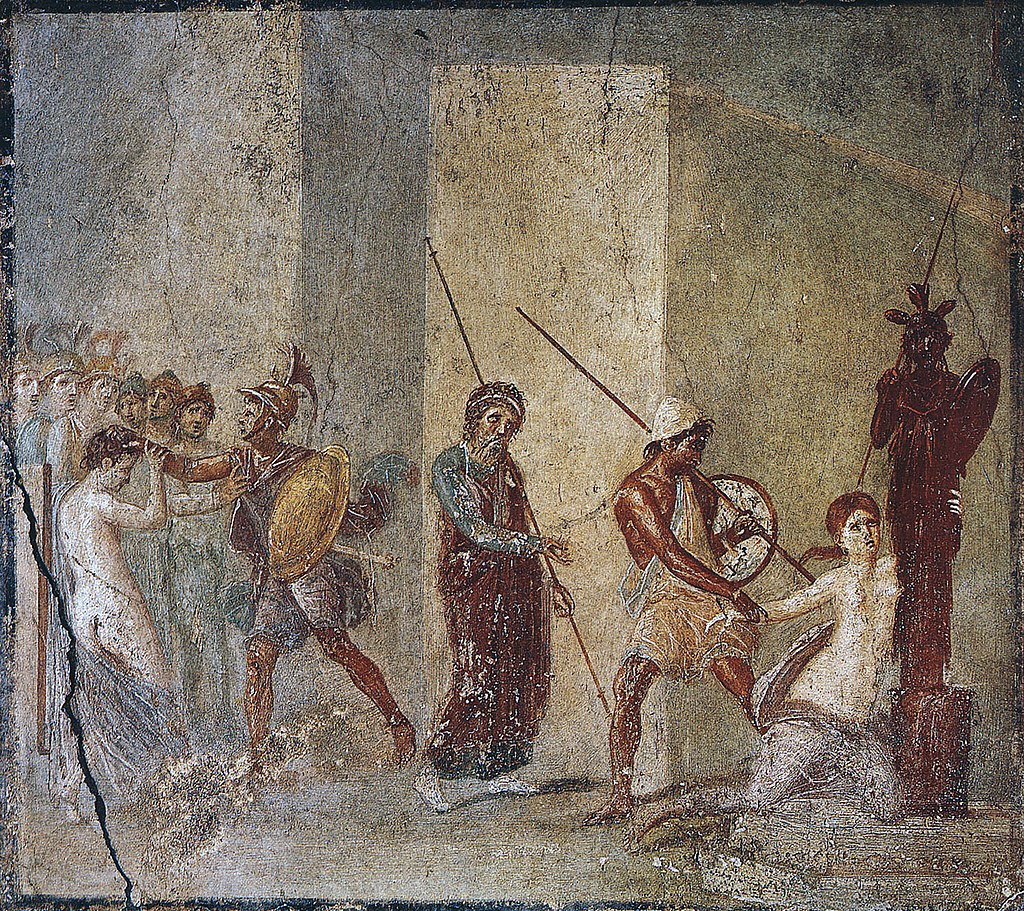
Even after the brutal Trojan War ended, Agamemnon’s shadow remained dark. Cassandra, a Trojan princess cursed with the gift of prophecy, became his prize in the spoils of war. Agamemnon’s story serves as a cautionary tale – a leader, no matter how powerful, can bring about his own downfall through reckless actions and a prideful heart.
Return to Greece
Agamemnon’s homecoming wasn’t a joyous one. While he fought for glory on the battlefield, a storm brewed back home in Mycenae. His wife, Clytemnestra, consumed by a potent cocktail of revenge and loneliness, had fallen into the arms of Aegisthus, Agamemnon’s mortal enemy. Together, they seized control of the kingdom, weaving a web of deceit that awaited the king’s return.
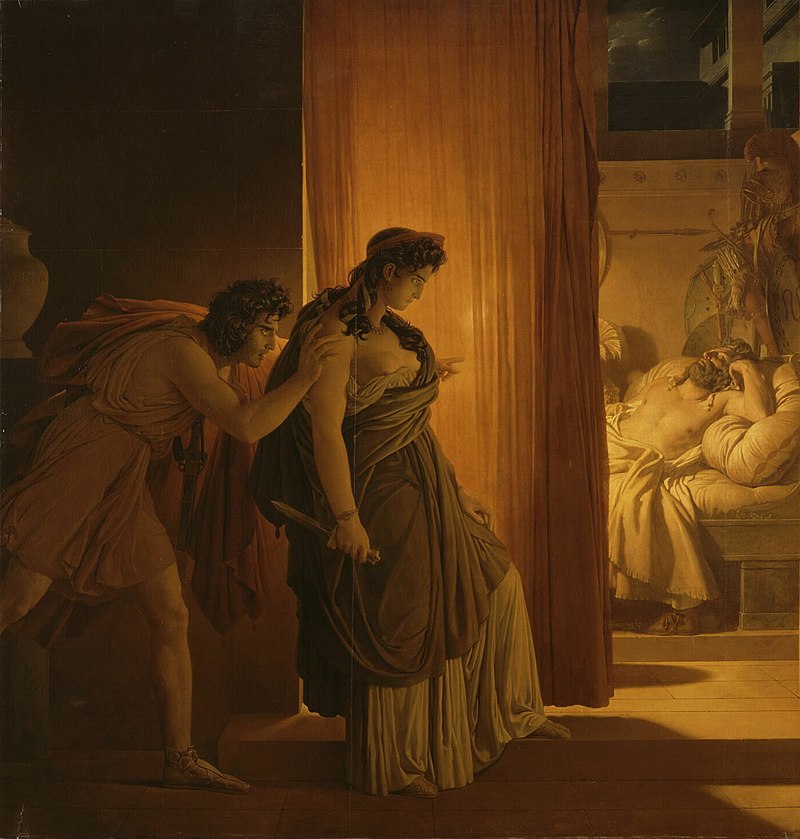
Victory wreaths couldn’t shield Agamemnon from the darkness that awaited him. Blindsided by betrayal, he was cut down by Clytemnestra and Aegisthus, his triumphant return morphing into a bloody tragedy. Even Cassandra, the Trojan princess cursed with foresight, met her demise at the hands of Clytemnestra. Agamemnon’s story became a chilling reminder that the battlefield wasn’t the only place where heroes could fall.

 Digital Maps of the Ancient World