Hera
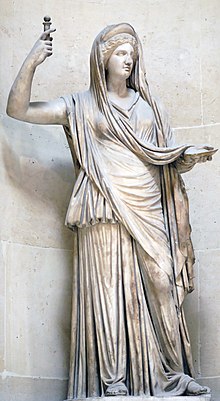
As the queen of the gods and the wife of Zeus, Hera held significant influence over marriage, women, and the celestial realm. Her association with the sky and stars further emphasized her regal and divine status.
Residence: Mount Olympus
Symbols: Pomegranate, peacock feather, diadem, cow, lion and lily
Parents: Cronus and Rhea
Siblings: Hestia, Hades, Poseidon, Demeter, Zeus and Chiron
Consort: Zeus
Children: Angelos, Ares, Ilithyia, Enyo, Eris, Hebe, Hephaestus
Roman equivalent: Juno
In art, Hera is often depicted as a majestic and dignified figure, adorned with a crown symbolizing her royal status. Her scepter, often tipped with a lotus flower, signifies her authority and power. The presence of a lion, cuckoo, or hawk alongside her highlights her connections to these animals, which were considered sacred to her.
Despite her importance in the pantheon, Hera is also known for her jealousy and vengefulness, particularly towards Zeus’s many infidelities and the offspring resulting from them.
Birth
Hera, like her siblings Hestia, Demeter, Poseidon, and Hades, was swallowed by her father Cronus upon her birth. This was a result of Cronus’s fear of being overthrown by his own children, as prophesied by Gaia and Uranus.
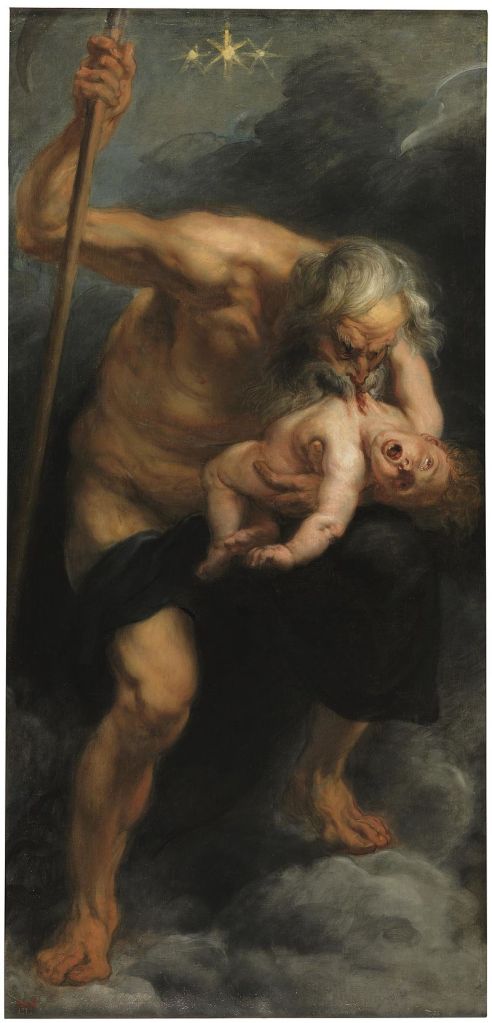
However, Zeus, the youngest child of Cronus and Rhea, was spared this fate. With the help of Metis, Zeus’s first wife, he devised a plan to free his siblings from Cronus’s stomach. Metis prepared a potion that caused Cronus to vomit up the swallowed children, including Hera. This event marked the beginning of Zeus’s rise to power and the eventual overthrow of Cronus and the Titans.
Marriage to Zeus
Hera’s jealousy was legendary, even among the gods of Olympus. Despite Zeus’s deep love for her, his numerous affairs and illegitimate children often stoked her ire, leading to her relentless torment of Zeus’s lovers and offspring. While Zeus pursued his amorous exploits on Earth, Hera remained vigilant, ever watchful of her husband’s activities and ready to unleash her wrath upon his paramours.

The story of Zeus’s initial courtship of Hera, marked by deception and manipulation, reflects the complex dynamics of their relationship. Zeus’s cunning transformation into a cuckoo to win Hera’s affection illustrates the lengths to which he would go to achieve his desires, even at the expense of honesty and trust. Hera’s eventual acceptance of Zeus’s proposal, albeit begrudgingly, highlights the power dynamics and compromises inherent in their divine union.
Despite their tumultuous relationship, Zeus and Hera’s marriage was symbolized by grandeur and abundance, as nature itself celebrated their union with bursts of bloom and lavish gifts. However, beneath this facade of splendor lay the constant tension fueled by Zeus’s infidelities and Hera’s jealousy, a theme that pervaded much of Greek mythology and shaped the narrative of their divine romance.
Heracles
Hera’s relentless hostility towards Heracles, stemming from her resentment of his divine parentage and Zeus’s infidelity, is a recurring theme in Greek mythology. From his infancy, Hera sought to destroy Heracles, sending serpents to kill him, only to be thwarted by the infant’s remarkable strength. As Heracles grew into adulthood, Hera’s enmity intensified, driving him to madness and compelling him to commit unspeakable acts, including the murder of his own family.

Throughout Heracles’s legendary Twelve Labours, Hera actively interfered, seeking to impede his progress and magnify the challenges he faced. Whether by sending distractions like the crab during his battle with the Hydra or inciting opposition from the Amazons, Hera’s influence loomed large over his trials. Even when Heracles succeeded, Hera’s vindictiveness persisted, as seen in her attempts to sabotage his efforts to retrieve the cattle of Geryon and her refusal to accept sacrifices offered in his honor.
However, despite Hera’s relentless persecution, Heracles eventually earned her favor through acts of bravery and heroism. By saving her during the Gigantomachy and marrying her daughter Hebe, Heracles managed to reconcile with Hera, bringing an end to their longstanding feud. This complex relationship between Heracles and Hera, marked by adversity, forgiveness, and redemption, remains a prominent motif in Greek mythology, highlighting the enduring power of reconciliation and the complexities of divine dynamics.
Leto
In some versions, Hera’s vindictiveness is evident as she enlists the aid of nature spirits to prevent Leto from finding a place to give birth. However, in other renditions, Hera’s interference takes a more direct form, as she kidnaps Ilithyia, the goddess of childbirth, to delay Leto’s labor.

Hera’s motive in both versions remains consistent: to thwart Leto and punish Zeus for his infidelity. However, her relenting in the face of bribery from the other gods underscores her susceptibility to flattery and material offerings.
Ultimately, Leto finds refuge and successfully gives birth to her children, Apollo and Artemis, with the assistance of Poseidon and the eventual intervention of the other gods.
Io and Argus
One day, as Hera, the ever-watchful queen of the gods, spied a lone thundercloud, she swiftly descended from Mount Olympus, her heart brimming with suspicion of Zeus’s clandestine affairs. Sensing her approach, Zeus, the king of the gods, acted swiftly, casting his paramour, Io, into the guise of a beautiful snow-white heifer.
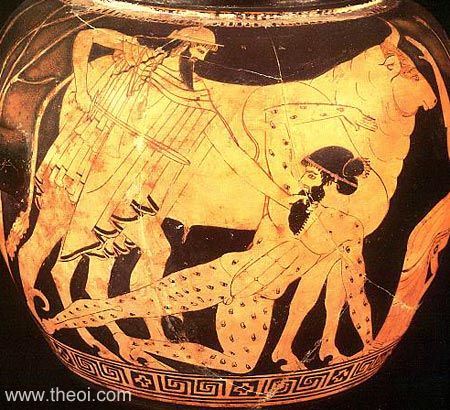
Yet Hera, renowned for her cunning, remained undeterred by Zeus’s ruse and demanded the heifer as a gift. Unable to defy his queen without arousing suspicion, Zeus reluctantly presented Io to Hera, who promptly tethered her to a tree and stationed her loyal servant, Argus, to guard her. Argus, with his hundred watchful eyes, was an insurmountable obstacle, ensuring Io remained separated from Zeus.
Fearing Hera’s wrath, Zeus sought aid from Hermes, the messenger of the gods, to liberate Io. With divine swiftness, Hermes lulled all one hundred eyes of Argus into eternal slumber, freeing Io from her captivity. In one interpretation of the tale, Hera, upon learning of Argus’s demise, adorned the peacock’s plumage with his eyes, transforming the bird into a symbol of her vigilant watchfulness.
Infuriated by Io’s escape and the loss of her faithful servant, Hera unleashed a relentless gadfly to torment Io as she wandered the earth. Despite Hera’s vengeful machinations, Io eventually found sanctuary in Egypt, where she was venerated as the revered goddess Isis by the Egyptian people.
Moved by Io’s plight, Zeus granted her respite, restoring her to her human form with the condition that he would never gaze upon her again. Io, now revered as the goddess-queen of Egypt, bore Zeus’s son, who ascended to become the next king.
The Judgement of Paris
The wedding of Peleus and Thetis marked a grand occasion, with gods and mortals alike in attendance, bearing lavish gifts to honor the union. However, amidst the joyous festivities, discord lurked in the form of Eris, the goddess of strife and discord, who was deliberately excluded from the celebration.
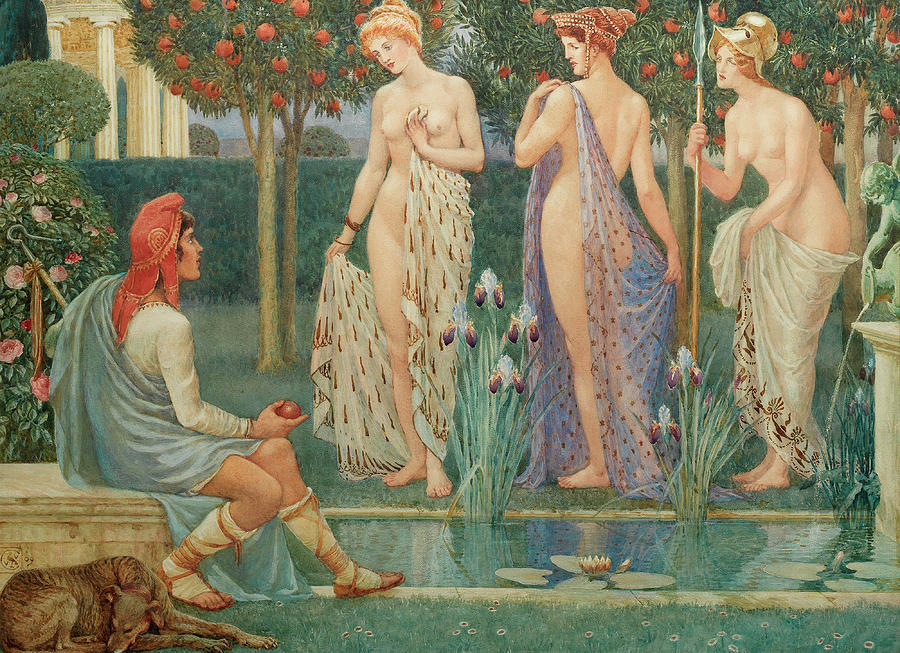
Infuriated by her exclusion, Eris sought retribution by casting a golden apple into the midst of the gathering. Inscribed with the words “To the most beautiful,” the apple ignited a bitter dispute among the goddesses Aphrodite, Hera, and Athena, each claiming superiority in beauty and thus rightful ownership of the coveted prize.
Unable to settle the dispute themselves, the goddesses turned to Zeus, the king of the gods, for resolution. Zeus, wary of the repercussions of favoring one goddess over the others, deferred the decision to Paris, a prince of Troy.
As Paris bathed in the sacred spring of Mount Ida, the goddesses appeared before him, vying for his judgment. In an effort to sway his decision, they disrobed before him, each showcasing her divine beauty. Yet, Paris found himself unable to choose among them, as each goddess possessed unmatched allure.
Faced with Paris’s indecision, the goddesses resorted to bribery. Hera tempted Paris with political power and dominion over Asia, Athena offered him wisdom and renown in battle, while Aphrodite dangled the allure of the most beautiful mortal woman in the world as his bride.
Enchanted by Aphrodite’s promise, Paris awarded her the golden apple, selecting Helen of Sparta as his prize. However, Helen was already wed to King Menelaus of Sparta, setting the stage for the tragic conflict that would ensue—the Trojan War.
Echo
For an extended period, a nymph named Echo was entrusted with the task of diverting Hera’s attention away from Zeus’ dalliances by engaging her in conversation and flattering her. However, when Hera eventually uncovered the ruse, she was consumed by rage and inflicted a curse upon Echo.
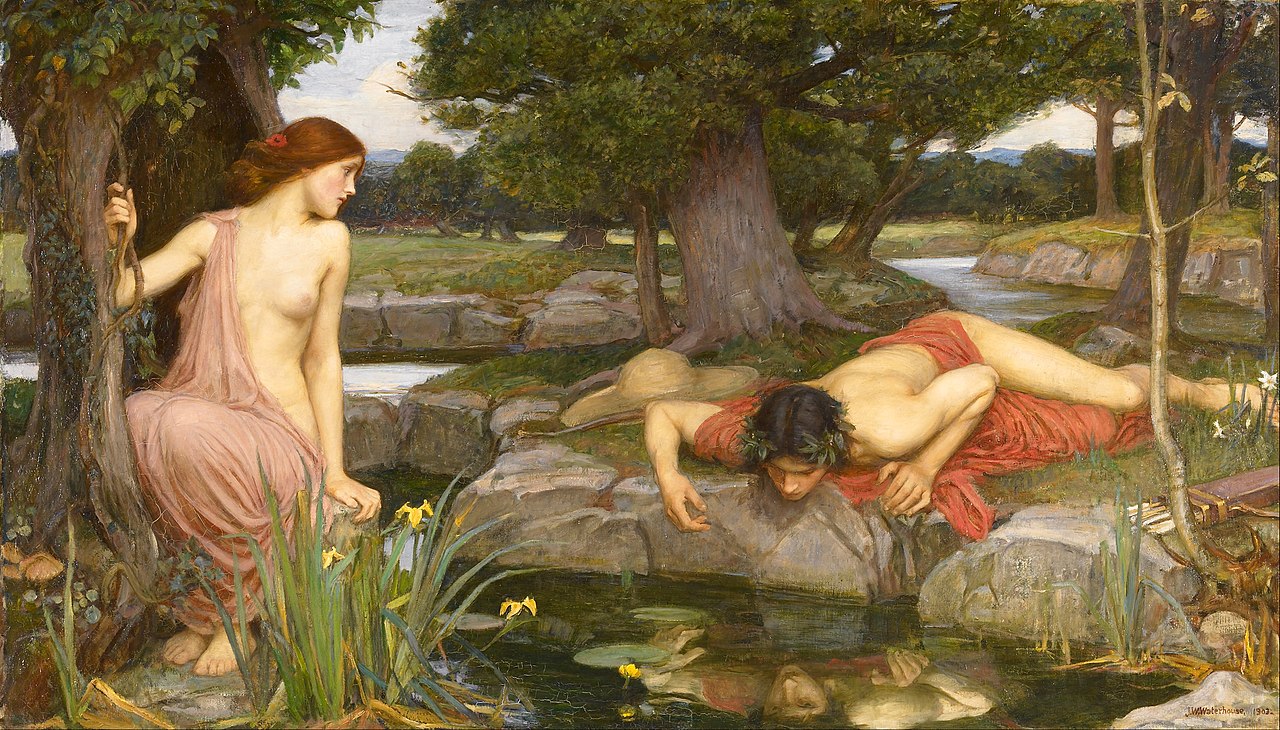
From that moment forth, Echo was condemned to repeat only the words spoken by others, stripped of her own voice and autonomy. Thus, whenever someone spoke, Echo could merely echo their words back, echoing throughout the mountains and valleys.
This curse left Echo forever silenced, her existence reduced to a mere reflection of others’ voices—an enduring reminder of the consequences of deception and betrayal in the realm of the gods.
Semele and Dionysus
When Hera discovered that Semele, the daughter of Cadmus, King of Thebes, was carrying Zeus’ child, she saw an opportunity to exact vengeance. Disguising herself as Semele’s nurse, Hera cunningly manipulated the situation. She persuaded the princess to demand that Zeus reveal himself in his true divine form, knowing that such a request, bound by the unbreakable oath of Styx, would have disastrous consequences.
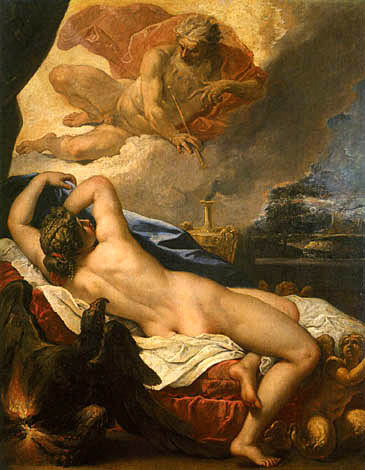
Reluctantly, Zeus complied with Semele’s request, revealing his full glory with thunder and lightning. However, the mortal form of Semele could not withstand the overwhelming divine presence, and she perished in the blaze of Zeus’ power.
In an act of mercy and to preserve the life of his unborn child, Dionysus, Zeus intervened. He rescued the unborn Dionysus from Semele’s womb and sewed him into his own thigh, where the child completed his gestation.
Lamia
Lamia, once a queen of Libya, became the tragic figure of Greek mythology due to her entanglement with divine jealousy and vengeance. It is said that Lamia caught the eye of Zeus, drawing his affection. However, this drew the wrath of Zeus’ wife, Hera, who either transformed Lamia into a hideous monster herself or drove Lamia to monstrous deeds by killing her children.
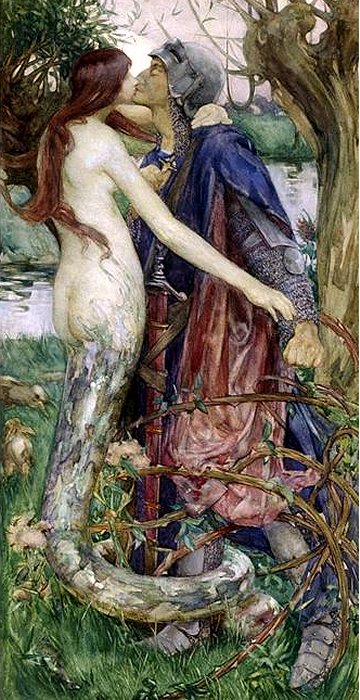
In some versions of the tale, Hera’s jealousy led her to slay Lamia’s children, driving Lamia to despair and rage. In other renditions, Lamia’s transformation into a monster was a direct consequence of Hera’s curse, which left her unable to close her eyes, haunting her with the relentless image of her deceased children.
Zeus, moved by Lamia’s plight, granted her the ability to remove her eyes to find respite from her perpetual grief, offering a semblance of relief. However, this granted power twisted Lamia’s soul, driving her to envy and bitterness towards other mothers who still possessed their children.
Consumed by envy and madness, Lamia turned to devouring the children of others, a gruesome manifestation of her anguish and longing for what she had lost.
Gerana
Gerana, a queen of the Pygmies, became a tragic figure in Greek mythology due to her audacious boast of surpassing the beauty of Hera, the queen of the gods. In response to Gerana’s hubris, Hera, known for her fierce jealousy and swift retribution, cursed her, transforming her into a crane.
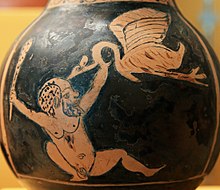
Hera’s punishment did not end with Gerana’s transformation. She decreed that Gerana’s descendants, as cranes, would forever wage war on the Pygmy people, ensuring eternal strife as a consequence of Gerana’s prideful claim.
Tiresias
As a young man, while serving as a priest of Zeus, Tiresias encountered two snakes engaged in mating. In an impulsive act, he intervened and struck the snakes with a stick, leading to his sudden transformation into a woman.

Embracing this new identity, Tiresias lived as a woman for seven years, during which time he became a devoted priestess of Hera, married, and bore children, including Manto. However, fate would intervene once again when Tiresias encountered mating snakes for the second time. This time, the experience prompted Tiresias to refrain from interference, marking a pivotal moment in his journey.
Zeus and Hera, intrigued by Tiresias’s unique perspective gained from experiencing life as both a man and a woman, sought his counsel to settle a contentious debate. They tasked him with determining which gender experienced greater pleasure during intercourse—men, as claimed by Zeus, or women, as argued by Hera.
Tiresias, drawing from his personal experiences, sided with Zeus, asserting that women derived greater pleasure from the act. Enraged by his verdict, Hera punished Tiresias by stripping him of his sight. However, to compensate for her cruelty, Zeus bestowed upon Tiresias the gift of prophecy, granting him profound insight into the future.
Art
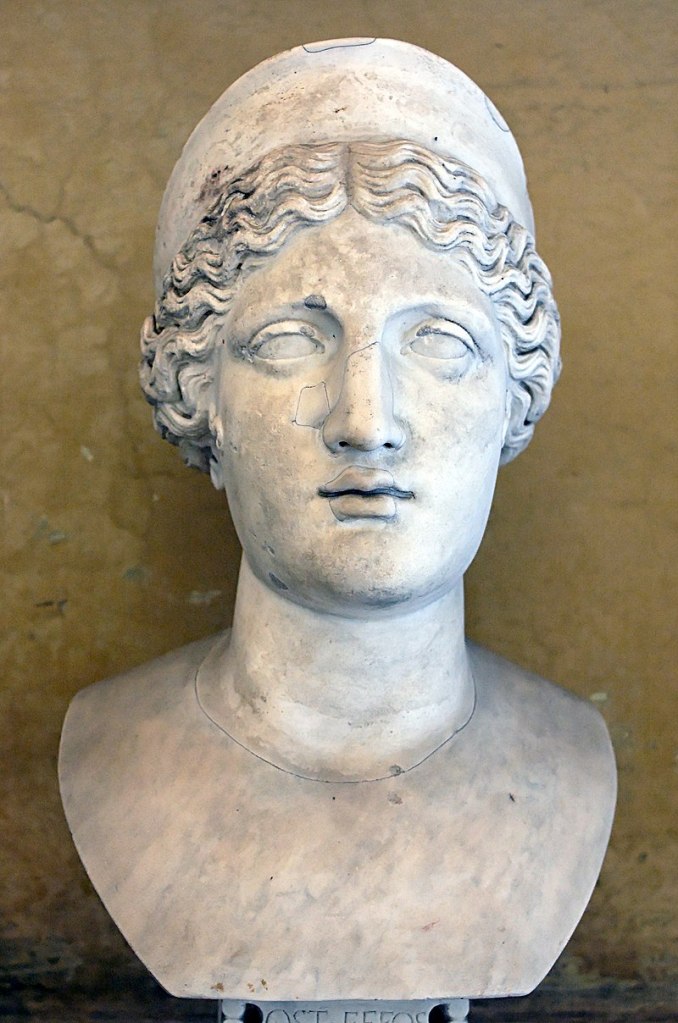
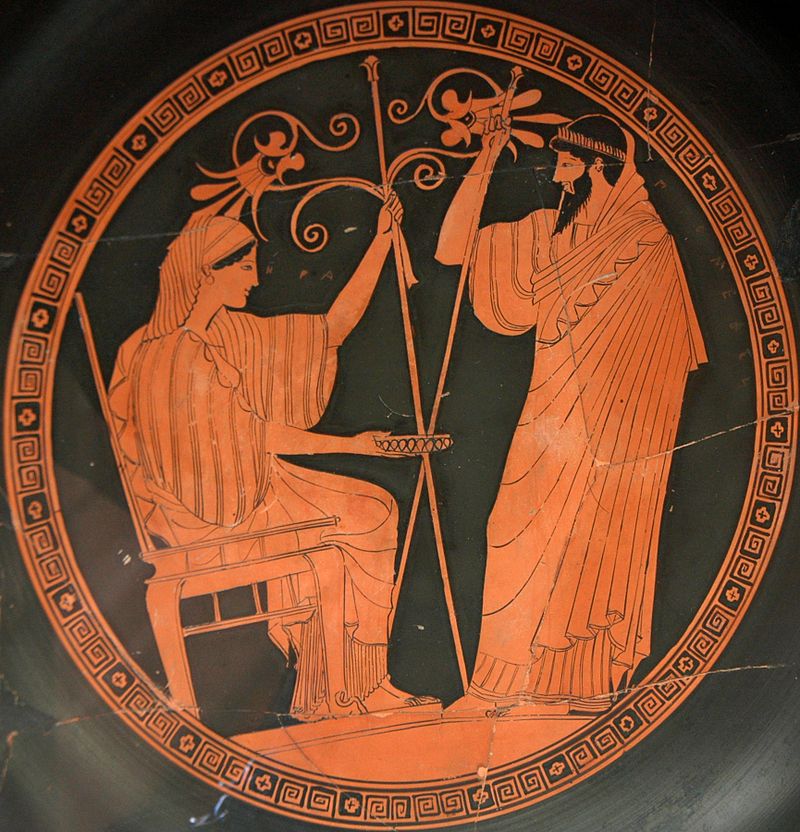
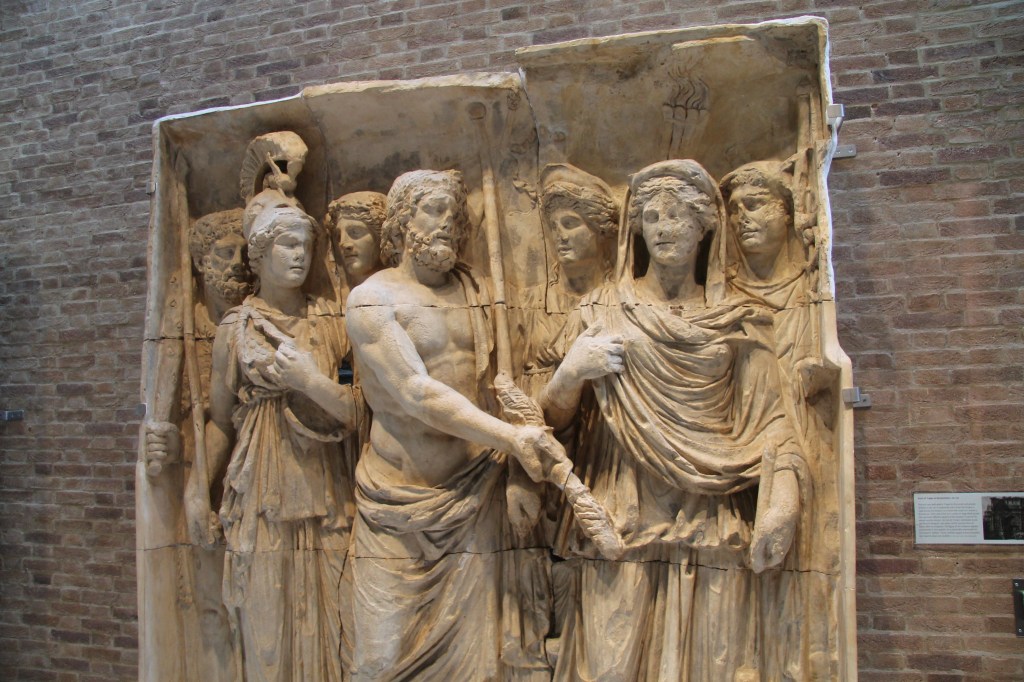
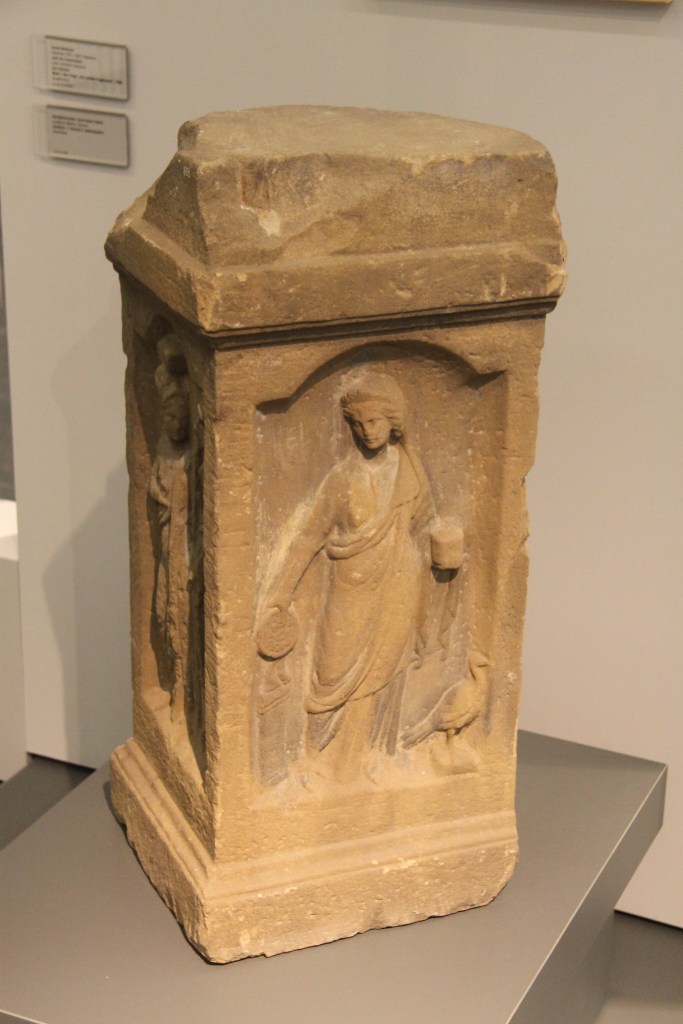

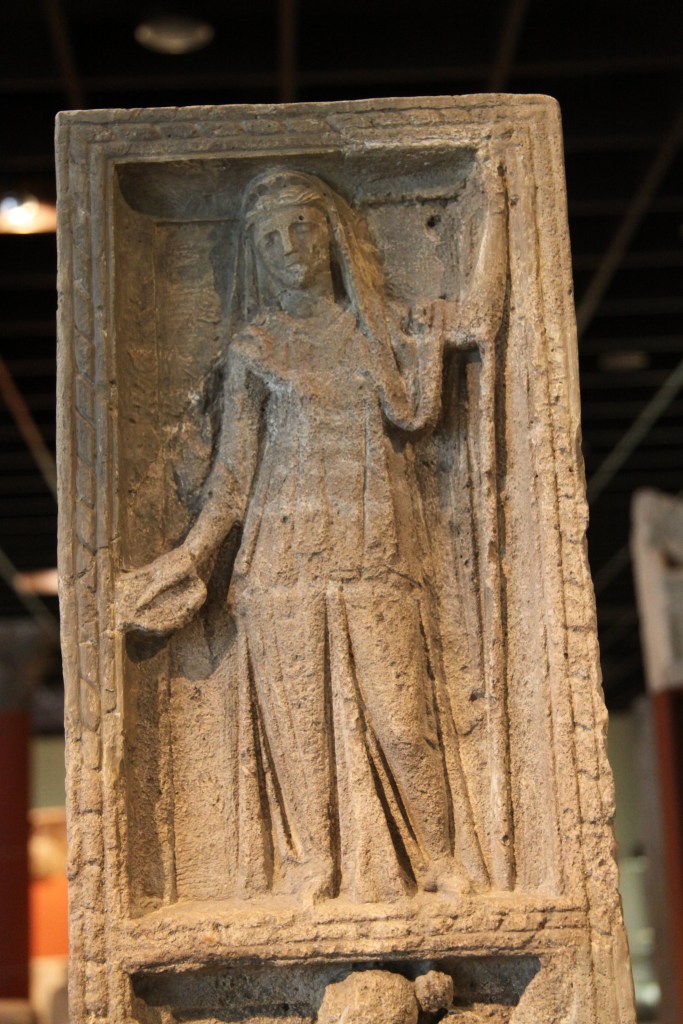
Cologne Romano-Germanic Museum.
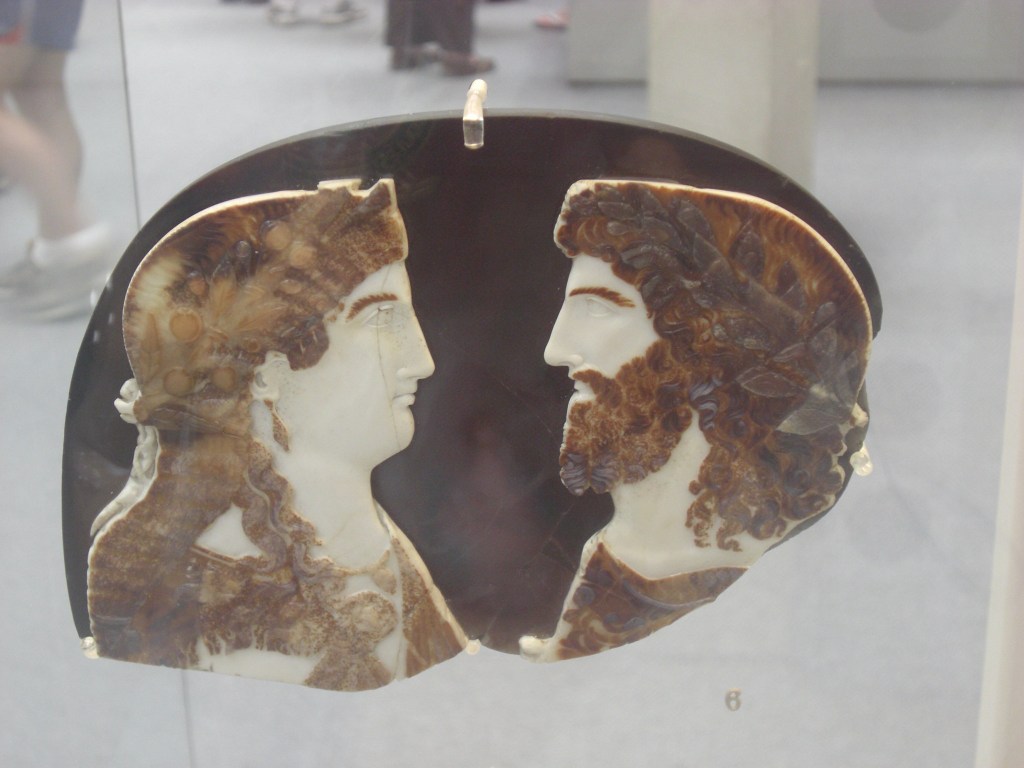
British Museum.

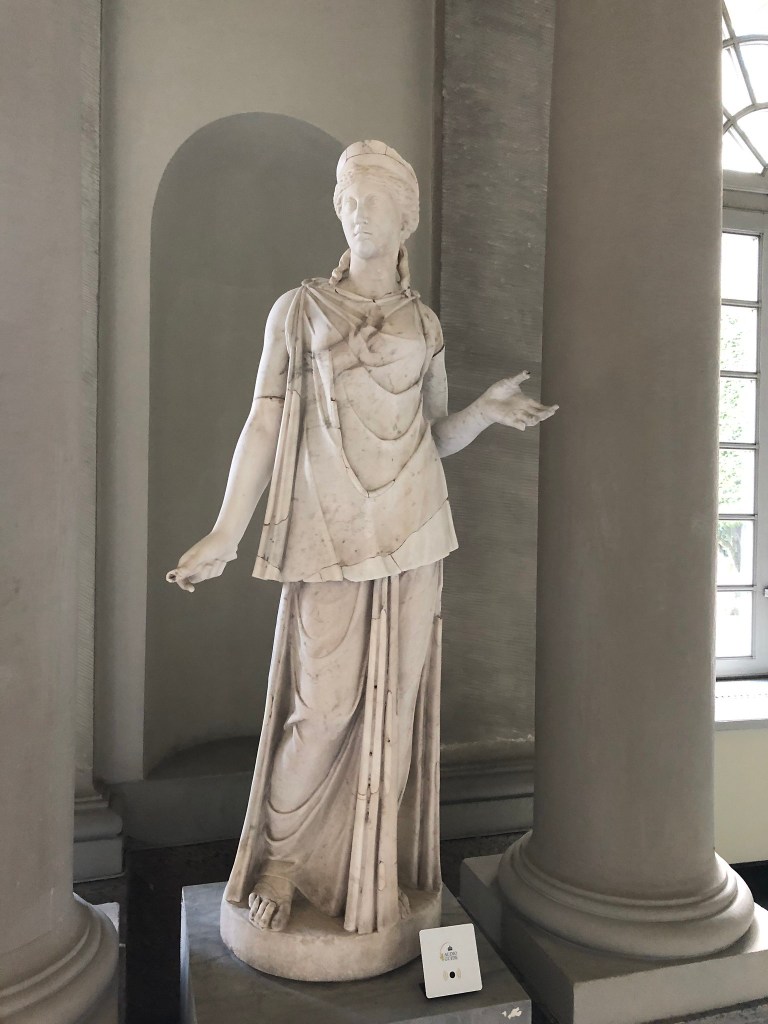

 Digital Maps of the Ancient World