Hygeia, the goddess of health, wasn’t just concerned with curing illness; she championed preventative measures like cleanliness and a healthy lifestyle.
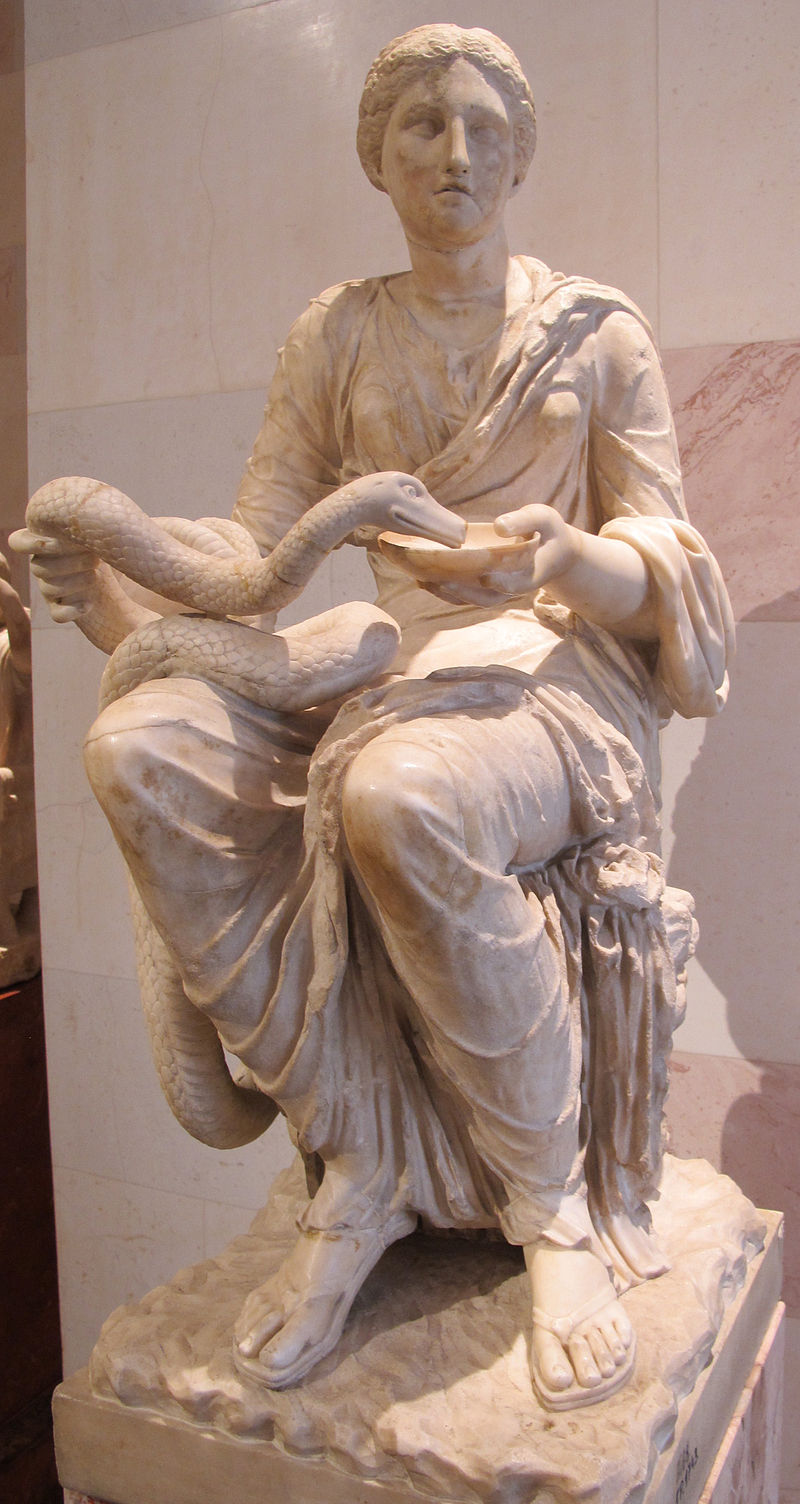
Statue of Hygeia, 1st c. AD. Hermitage Museum. (c) Sailko
Hygeia, daughter and attendant of the famed Asclepius, the god of medicine, wasn’t just his assistant; she embodied a distinct aspect of healing. Unlike her sister Panacea (Cure-All) who focused on remedies, Hygeia championed prevention – a focus on cleanliness, healthy habits, and overall well-being.
Art
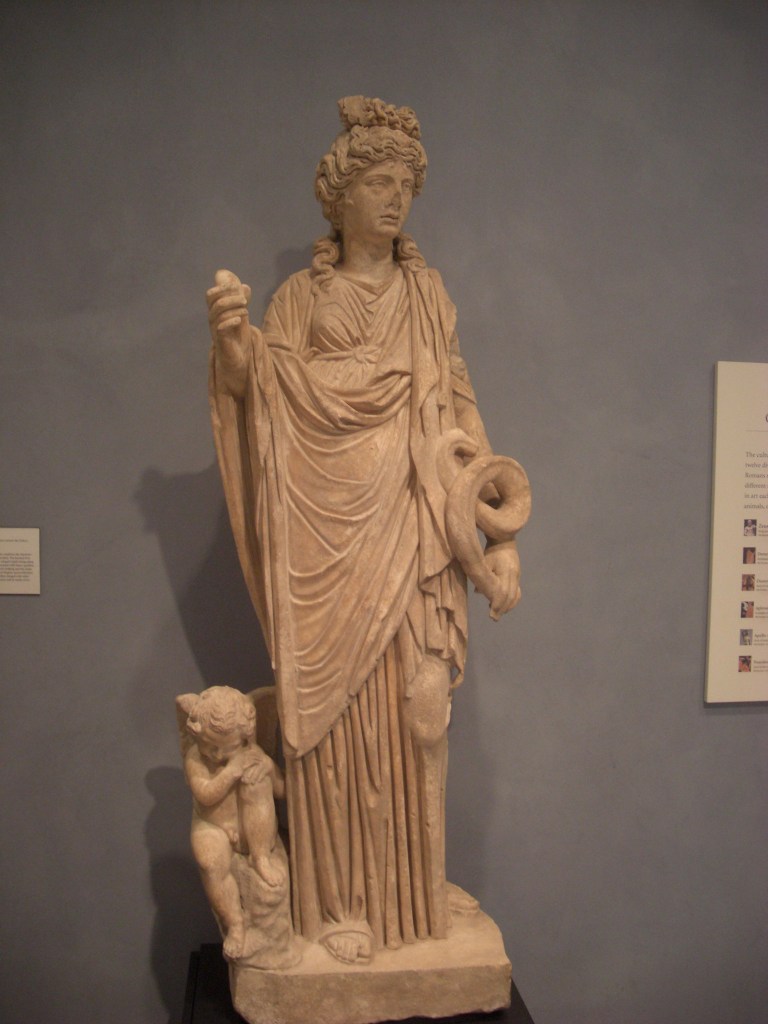
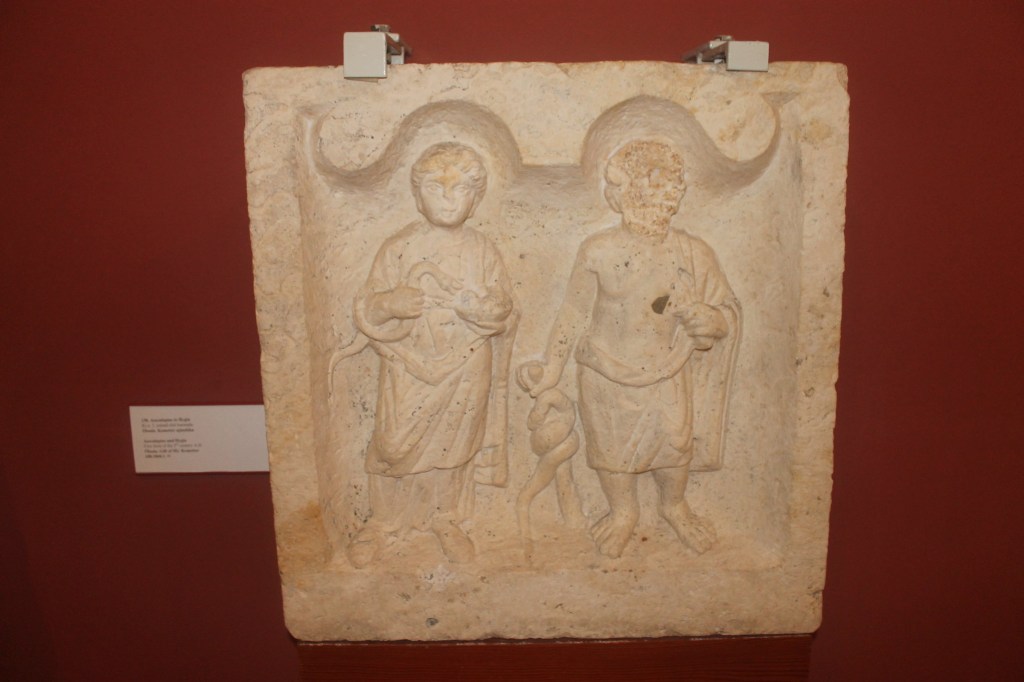
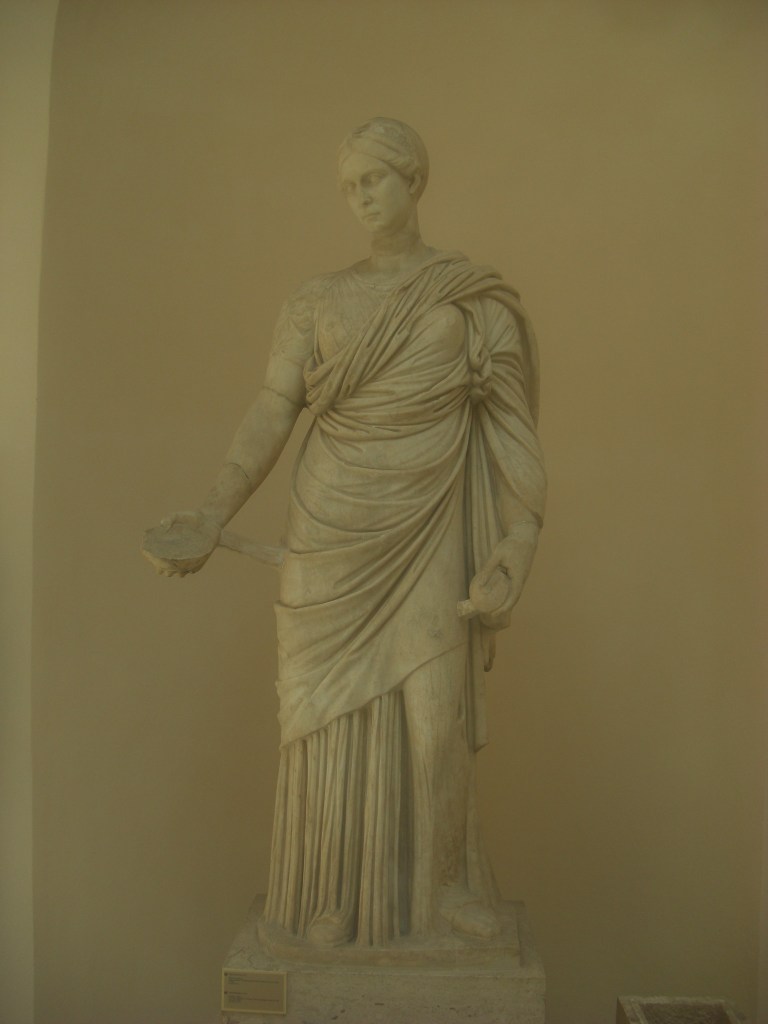
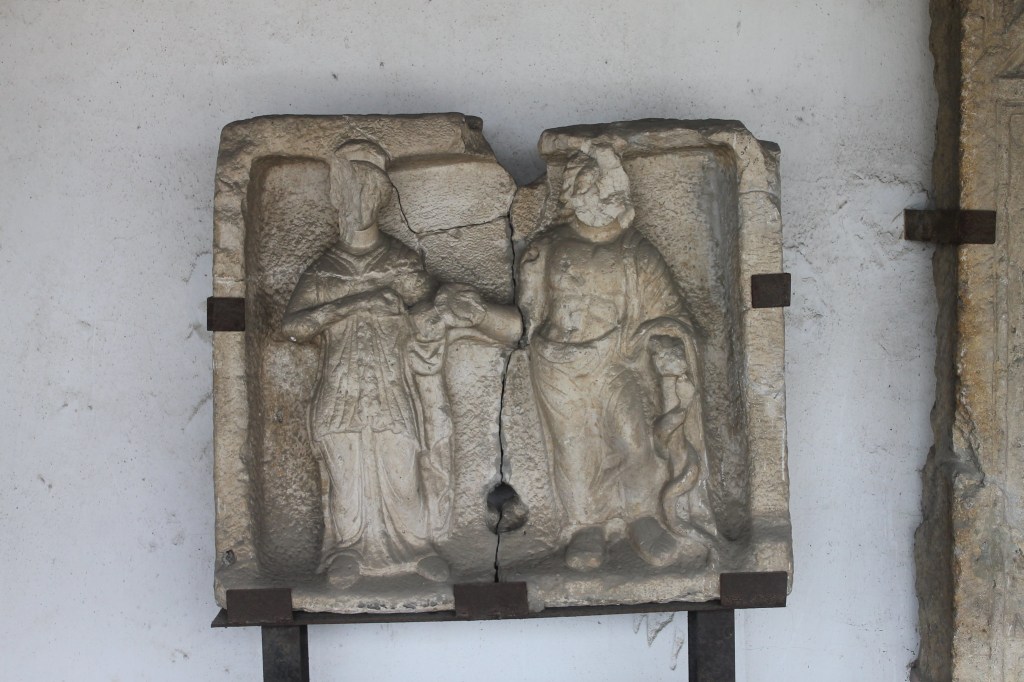
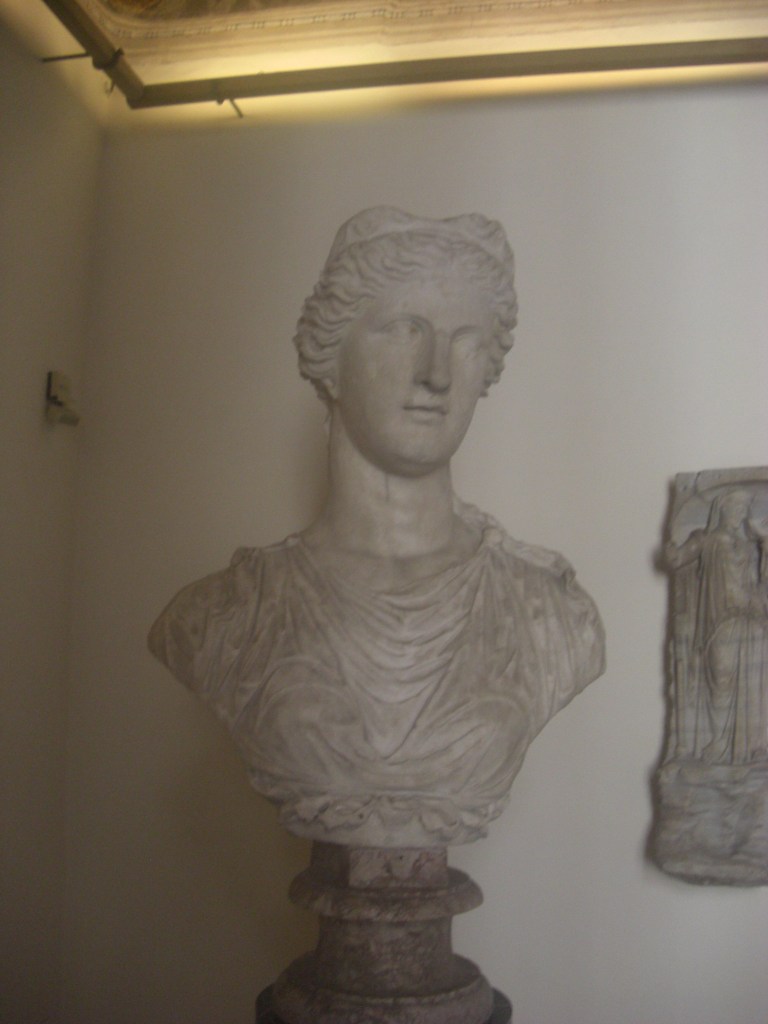
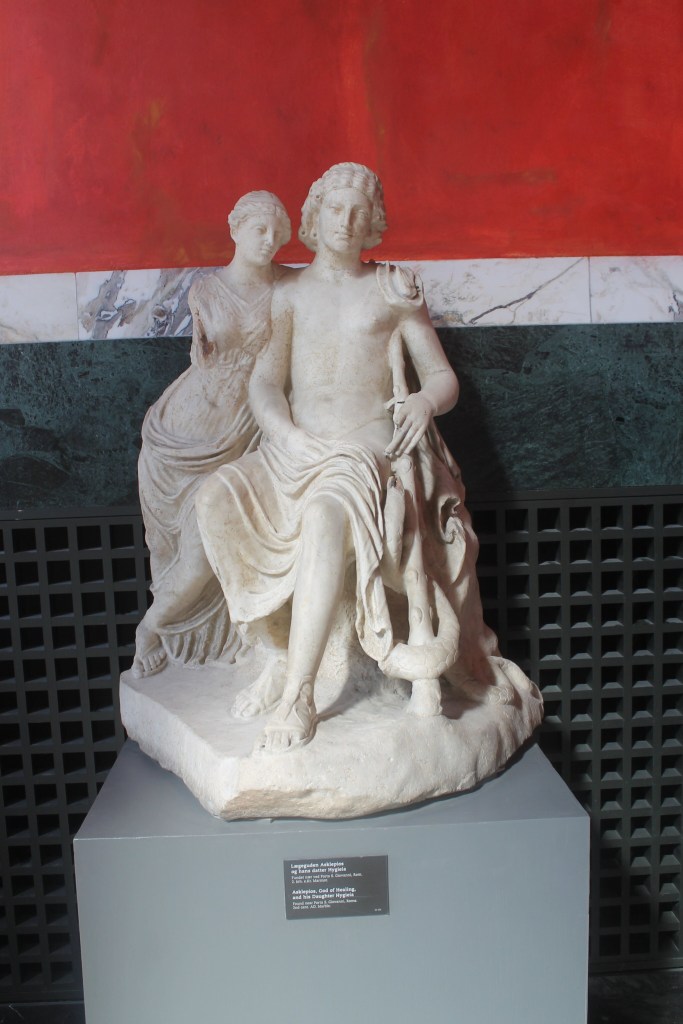
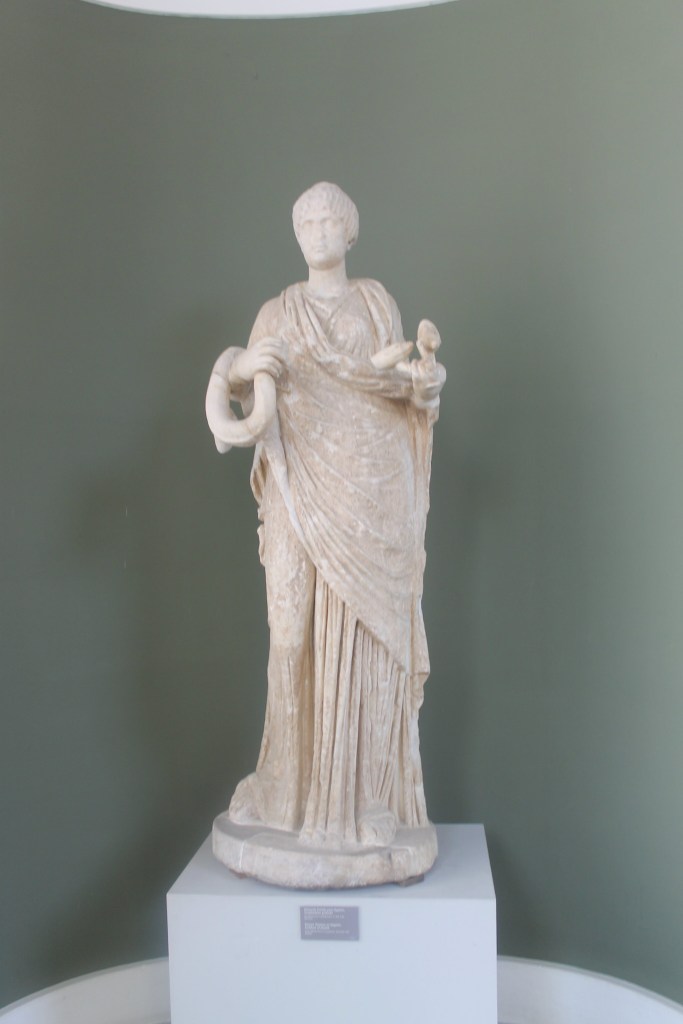
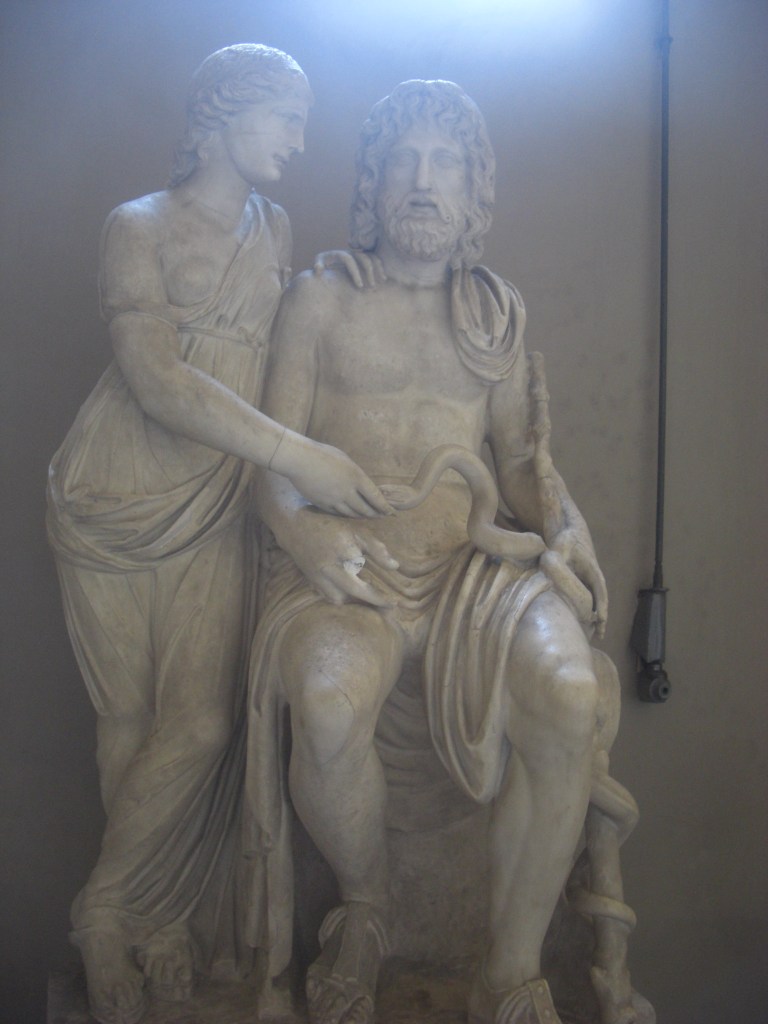
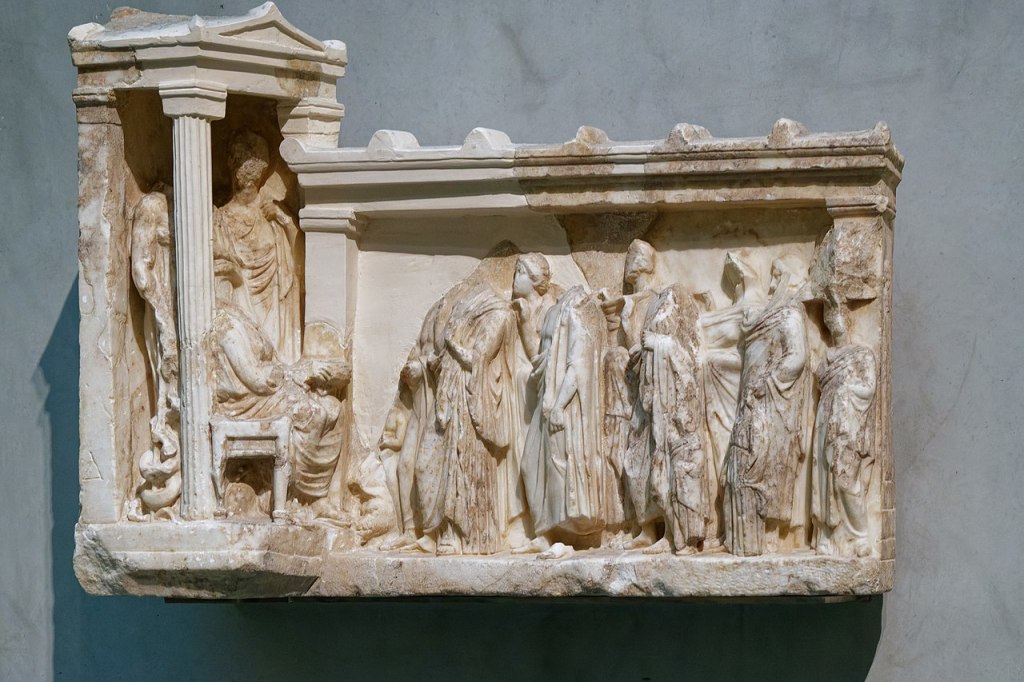
Statue of Hygeia, c. 200 AD, Turkey. Getty Villa.Relief of Hygeia and Asclepius, Budapest, 3rd c. AD. Hungarian National Museum.Statue of Julia Procula as Hygeia, 1st c. AD, Tomb of Julia Procula, Isola Sacra Necropolis. Ostia Archaeological Museum.Relief of Hygeia and Asclepius, Budapest. Aquincum Museum.Bust of Hygeia, 1st-3rd c. AD, Rome. Palazzo Altemps.Statue of Hygeia and Asclepius. Rome, 2nd c. AD. Ny Carlsberg Glyptotek.Statue of a Roman as Hygeia, Minturnae, 2nd c. AD. Ny Carlsberg Glyptotek.Statue of Hygeia and Asclepius, 2nd c. AD, Rome. Vatican Museum.Relief of Hygeia, Asclepius and Epione. Acropolis Museum. (c) Holger Uwe Schmitt

 Digital Maps of the Ancient World