Nike
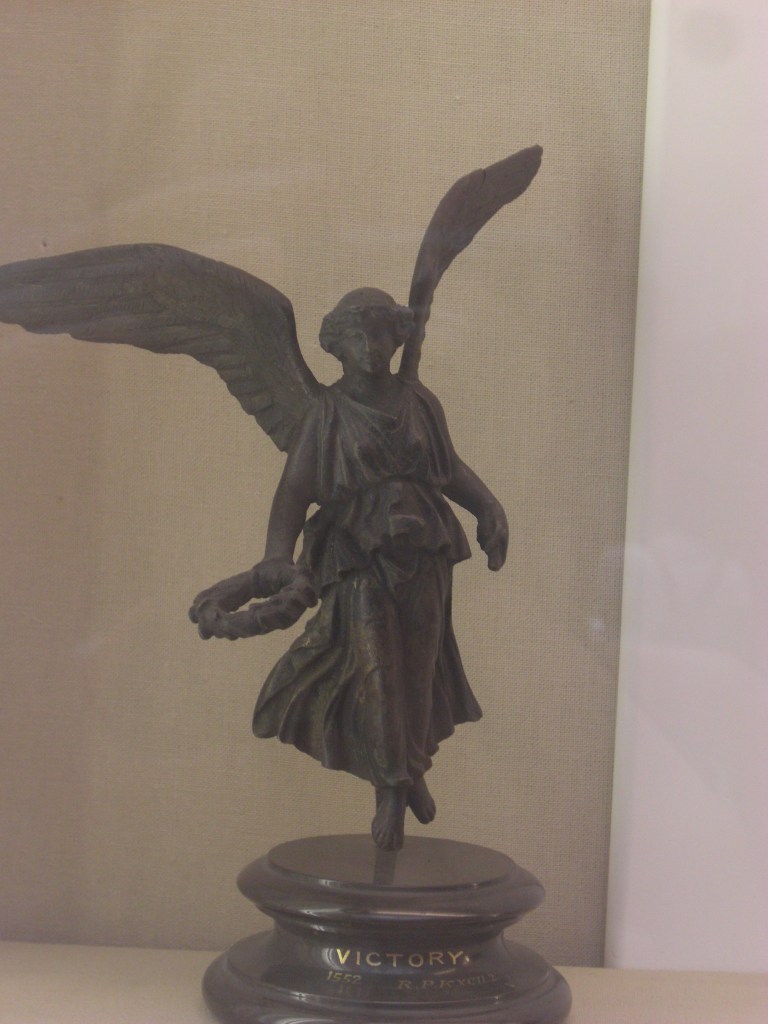
Soaring on wings of victory, Nike personified the very essence of triumph. This swift goddess wasn’t just a symbol; she was the embodiment of success, appearing to champions in battle and competition alike, her presence a guarantee of victory.
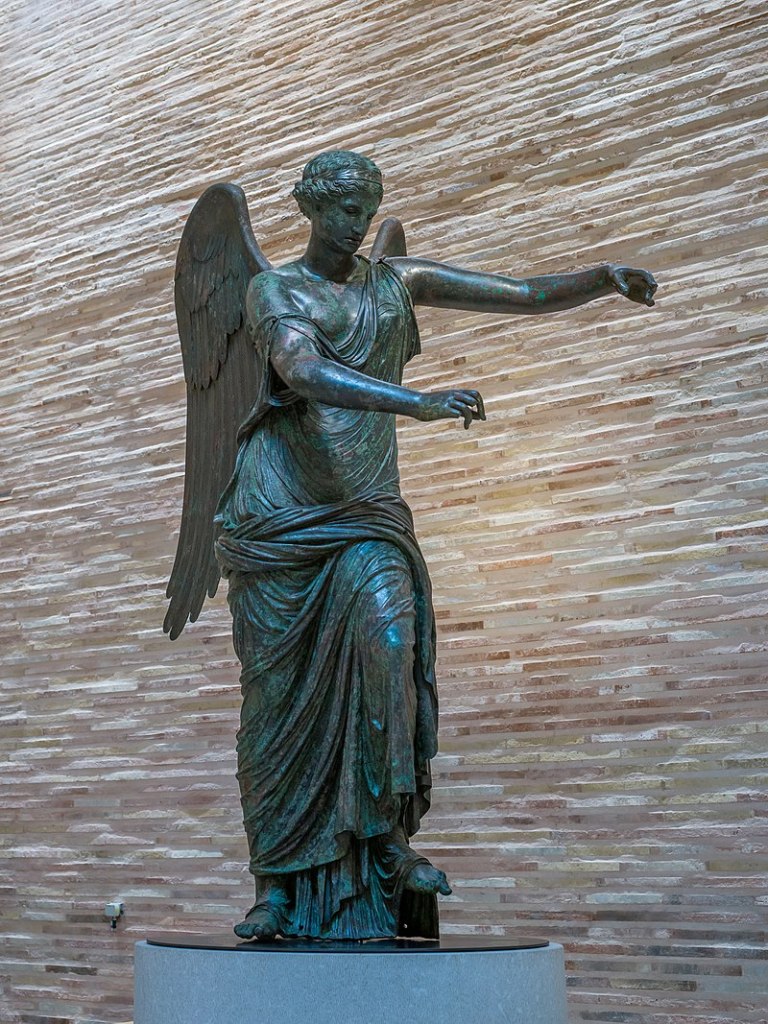
Residence: Mount Olympus
Symbols: Golden sandals, wings and wreath
Parents: Pallas and Styx
Siblings: Bia, Cratus and Zelus
Roman equivalent: Victoria
In the pivotal clash of the Titanomachy, Zeus’ cause received a powerful boost. Styx, the embodiment of the oath, arrived with her four formidable children: Nike (Victory), Zelus (Rivalry), Cratus (Strength), and Bia (Force). Their arrival wasn’t merely symbolic; it signified the tipping of the scales in Zeus’ favor. With Nike as his charioteer and his newfound entourage embodying the very essence of triumph, Zeus was now positioned to claim ultimate victory.
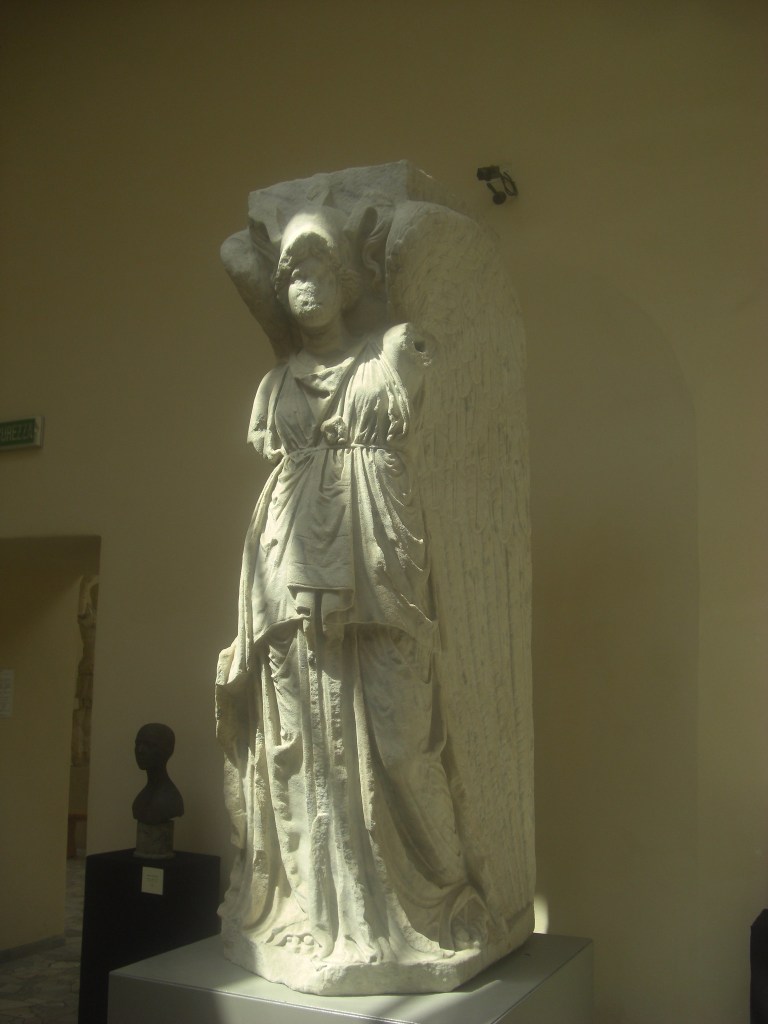
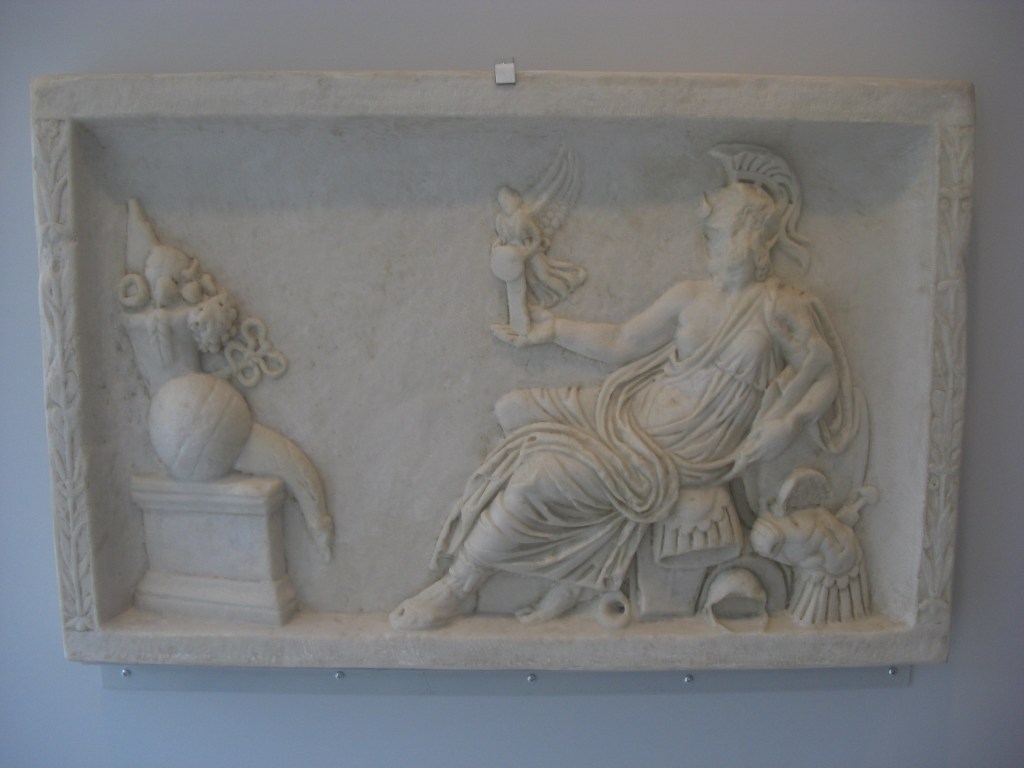
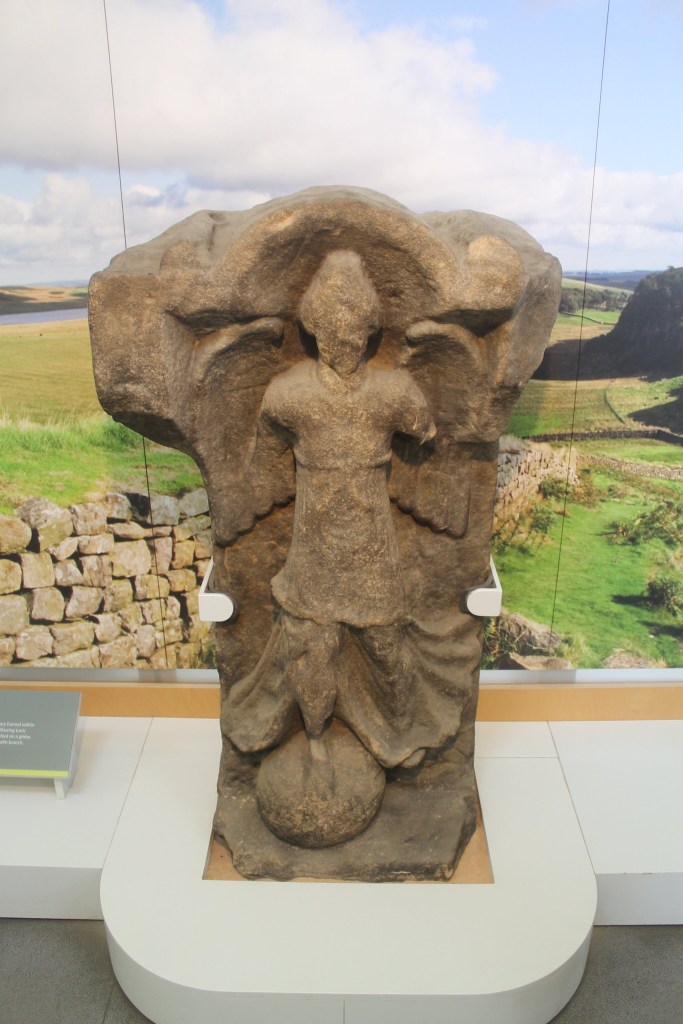
Artistically, the relationship between Nike and Athena was fascinating. Sometimes, Nike appeared as a fully formed goddess, perhaps even serving as Athena’s charioteer. In other depictions, the lines blurred. Nike might be reduced to a winged statue or a small figure perched on Athena’s outstretched hand, a visual reminder of her inherent connection to victory. The presence of multiple Nikes added a layer of complexity, suggesting the various forms that victory could take.
Art
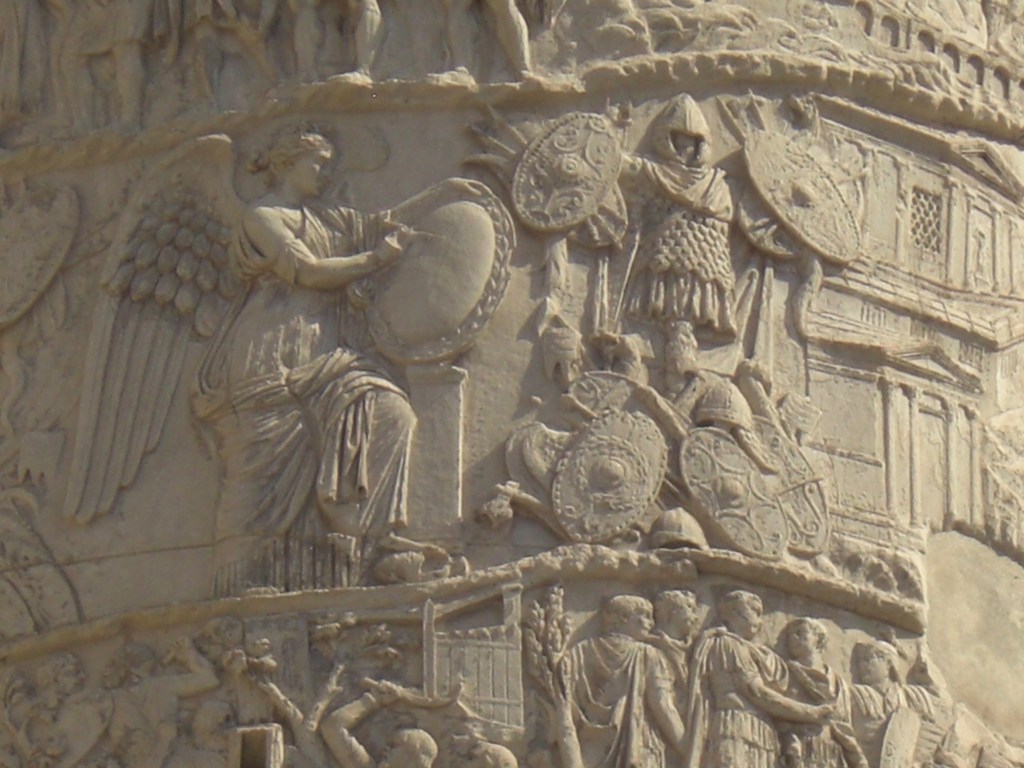
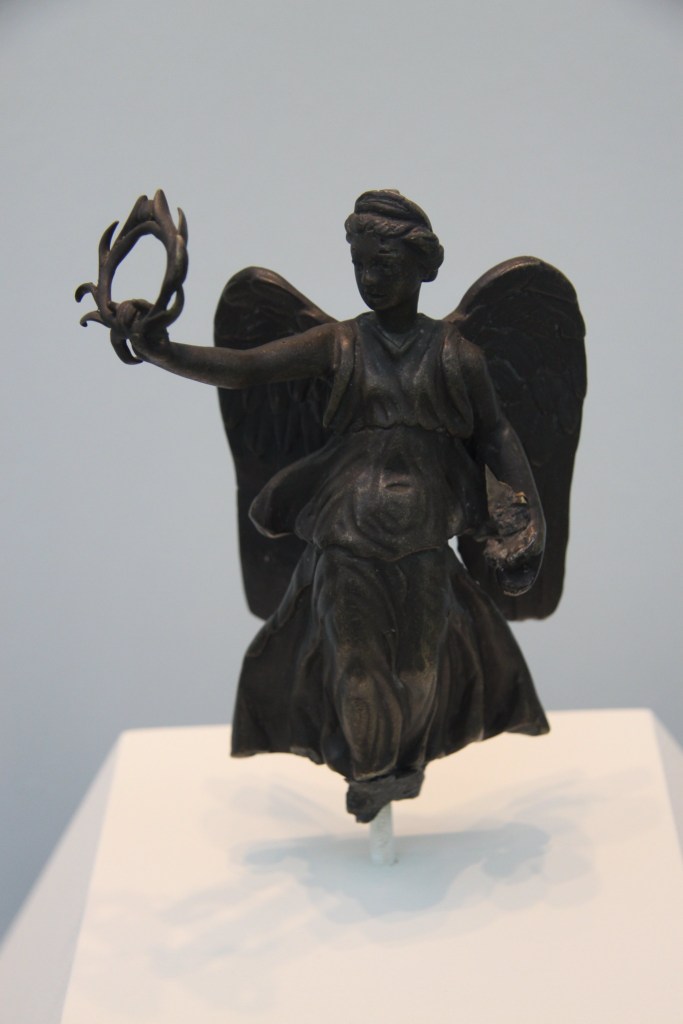
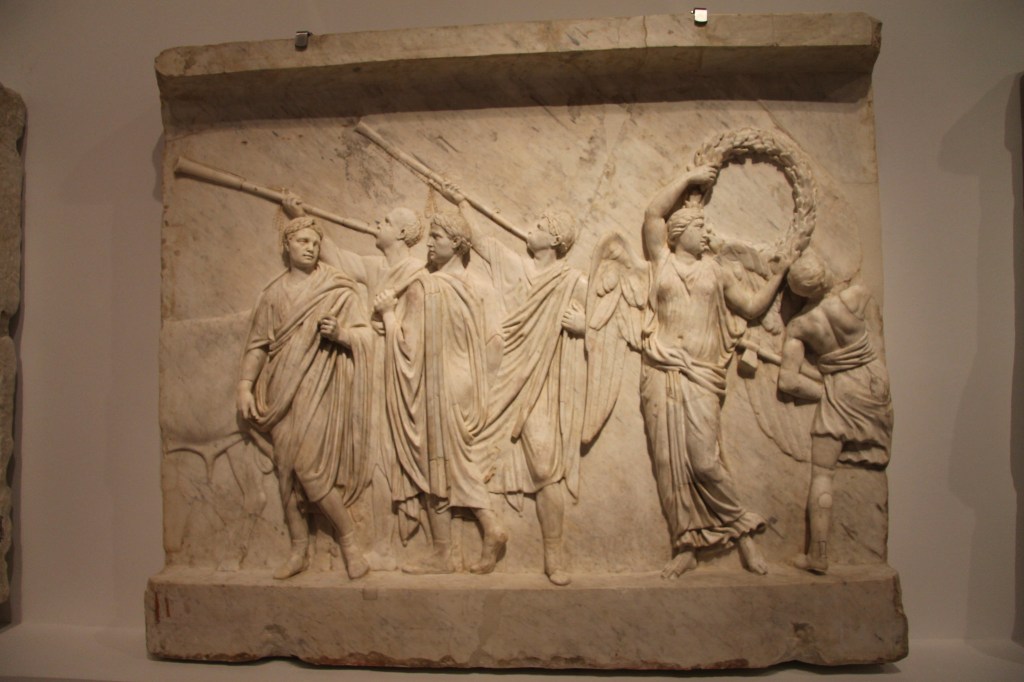

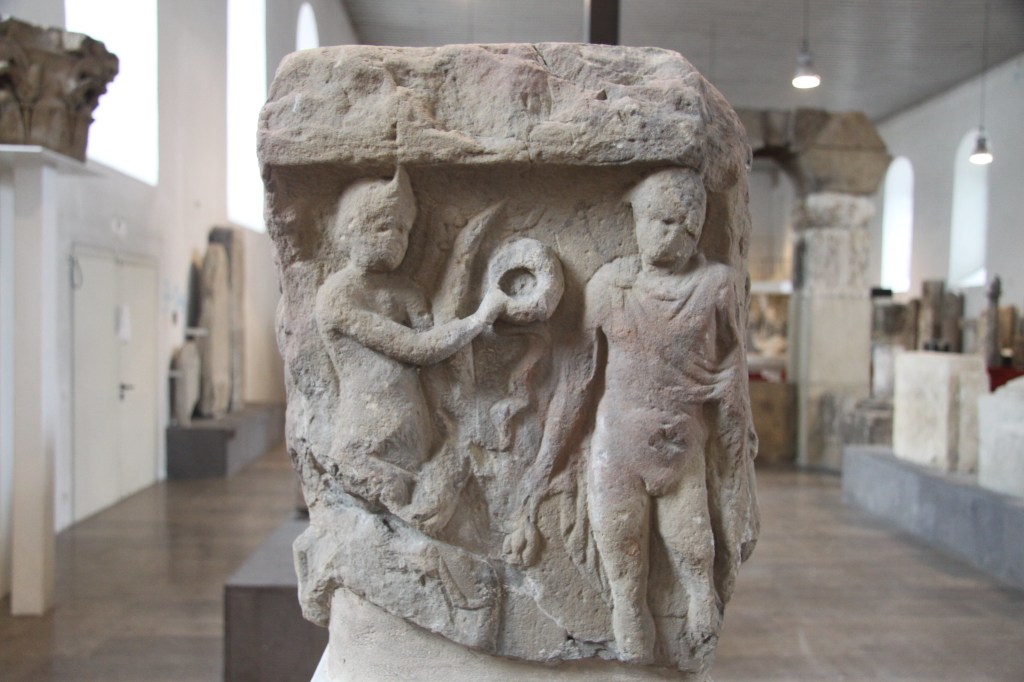
Mainz Landesmuseum.



 Digital Maps of the Ancient World