Naiads
Unlike other nymphs who dwelled in various freshwater sources, the Naiads were the undisputed rulers of rivers and streams. Their playful energy coursed through the flowing water, their laughter echoing in the gurgling rapids and cascading waterfalls. These freshwater nymphs were as vibrant and ever-changing as the rivers they inhabited.
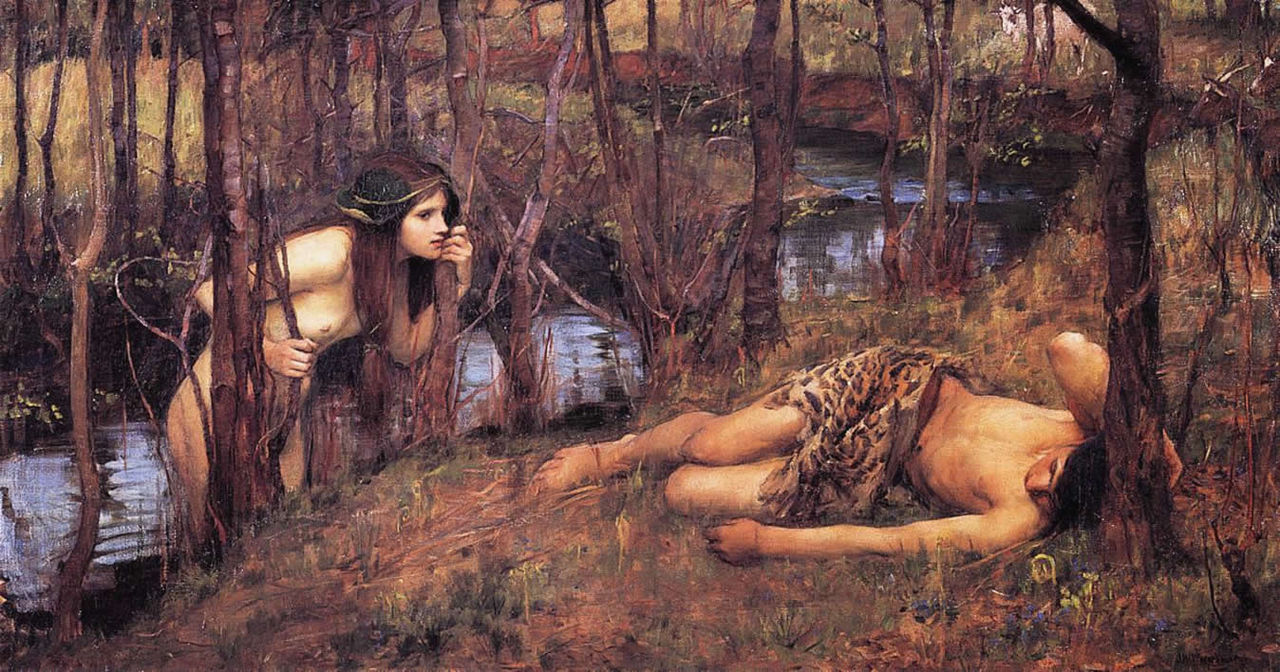
Parents: Potamoi
Local cults revered them, recognizing their connection to the life-giving water that sustained communities. A significant rite of passage – the coming-of-age ceremony – involved young boys and girls offering their childhood locks to the local Naiad. This symbolic act marked their transition from carefree youth to responsible members of society, acknowledging the Naiad’s role in nurturing life itself.
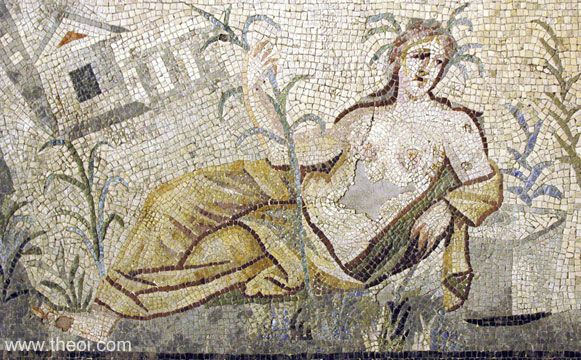
There were many different types of Naiad:
Pegaeae: Nymphs of freshwater springs, especially sacred ones. Often depicted as beautiful young women emerging from the earth or rocks, carrying water pitchers.
Crenaeae: Nymphs of fountains and wells, associated with the constant flow of fresh water and seen as guardians of these sources.
Potameides: Nymphs of rivers and streams, often depicted riding the waves or frolicking in the rapids. The most well-known type of Naiad.
Limnads and Limnatids: Nymphs of lakes and freshwater marshes, associated with peace and tranquility.
Heleionomae: Nymphs of marshes and wetlands, depicted as beautiful women with green hair and cloaks. Associated with the abundance of plant life in these areas.


 Digital Maps of the Ancient World