Hades
Hades remained an enigmatic figure in Greek mythology. Ruling over the unseen realm of the dead, he was shrouded in a veil of mystery. His role as both king and warden of the underworld sparked both fear and curiosity, making him a fascinating yet often misunderstood deity.

Residence: The Underworld
Symbols: Cerberus, sceptre, cornucopia
Parents: Cronus and Rhea
Siblings: Hestia, Hera, Poseidon, Demeter, Chiron and Zeus
Consort: Persephone
Roman equivalent: Pluto
Hades wasn’t merely the king of the underworld; he was the champion of the dead. He presided over funeral rites, ensuring the proper passage of souls into his domain. Defending the right of the dead to due burial wasn’t just a formality; it reflected his role as the guardian of their transition and a protector of their peace.
Hades’ dominion extended beyond the shadowy realm of the dead. As the god of the hidden wealth of the earth, he held sway over both the bounty that nourished life and the riches buried deep within. The fertile soil that nurtured crops fell under his domain, alongside the precious metals – gold, silver, and more – that lay hidden within the earth’s embrace. This unique purview made him a complex figure, associated with both the cycle of life and death, and the treasures concealed beneath the surface.
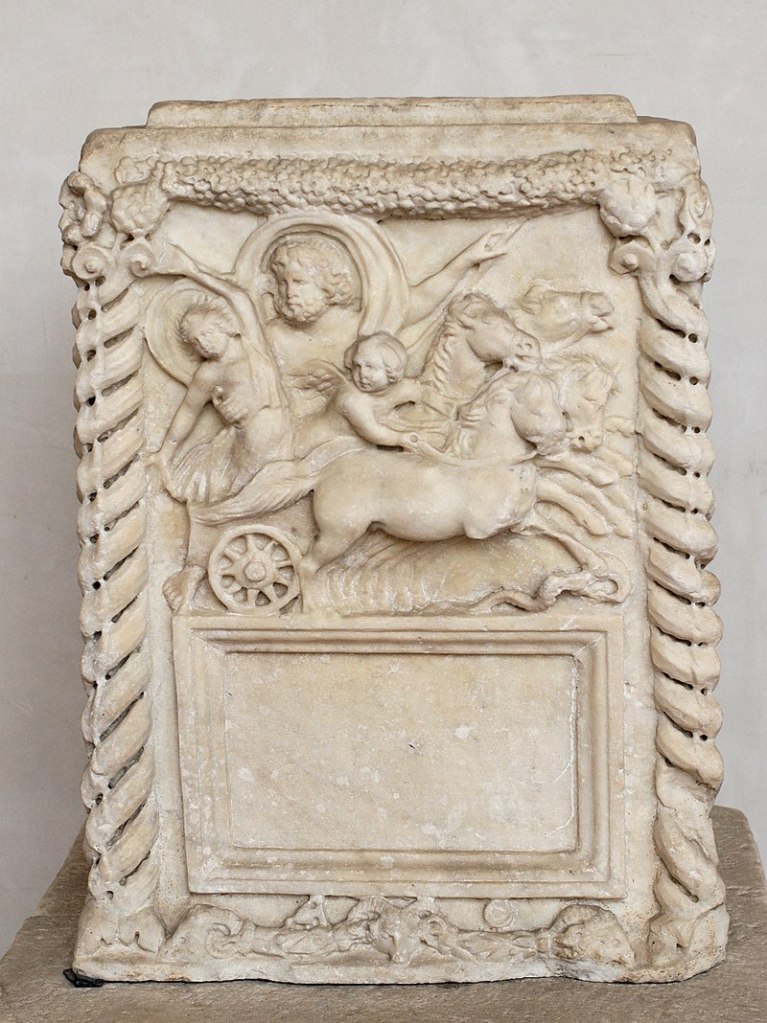
Birth
Hades’ entry into the world was anything but ordinary. At birth, he wasn’t cradled in loving arms; he was swallowed whole by his father, the monstrous Titan Cronus. This act of devouring his own children was a chilling testament to Cronus’ paranoia. Only through the cunning intervention of Zeus and the goddess Metis, who tricked Cronus into vomiting his children back up, was Hades spared an existence forever trapped within his father’s belly.
Titanomachy
Following their hard-won victory in the Titanomachy, the brothers Zeus, Poseidon, and Hades faced a new challenge – dividing the spoils of war. Through a draw of lots, the vastness of the cosmos was divided. Zeus claimed the heavens, Poseidon the seas, and Hades, to the surprise of some, drew the underworld. This seemingly bleak domain, however, held immense power. As the ruler of the dead and the hidden riches of the earth, Hades became a crucial figure in the grand order of the universe.
Abduction of Persephone
he abduction of Persephone wasn’t a simple love story; it was a power struggle with far-reaching consequences. Hades, the enigmatic god of the underworld, seized the beautiful Persephone, daughter of Demeter, the goddess of agriculture. Zeus, in a display of dubious loyalty, either consented to the abduction or failed to prevent it, igniting Demeter’s fury.
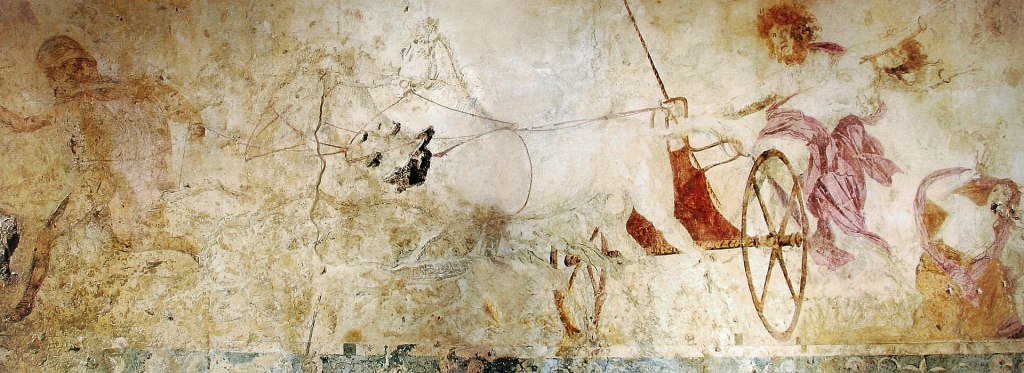
Her grief choked the life out of the land, plunging the world into a harsh winter. Faced with famine and despair, Zeus brokered a deal. Persephone, having unknowingly consumed pomegranate seeds in the underworld, was bound to spend a portion of the year with Hades. This compromise ensured the cyclical nature of the seasons, with Persephone’s return to the world signaling spring’s renewal and her descent to the underworld marking the arrival of winter.
Art
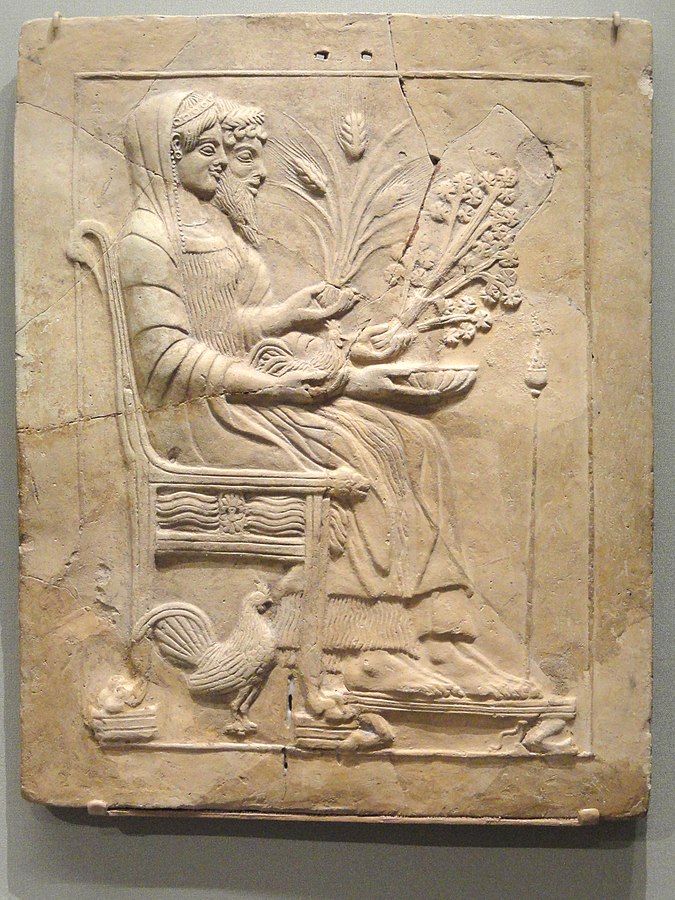
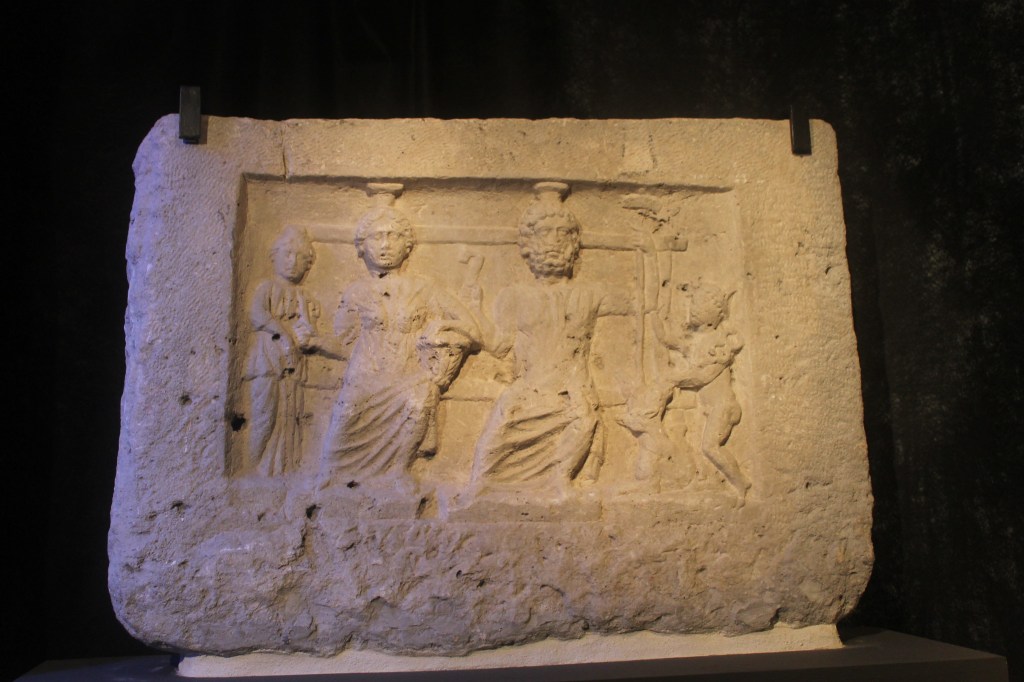
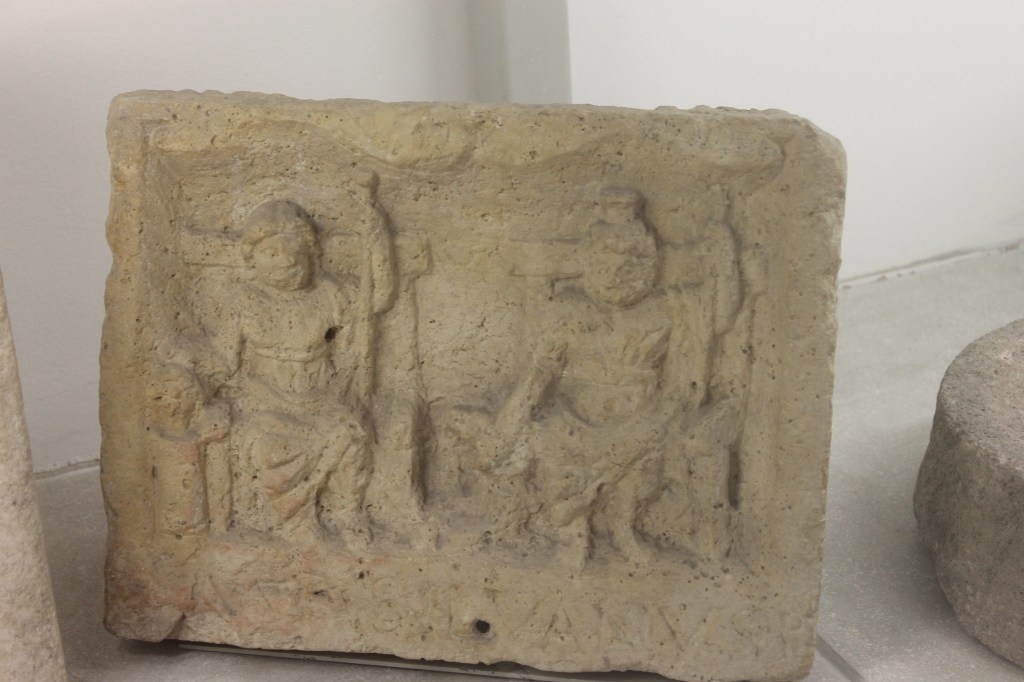
Aquincum Museum.
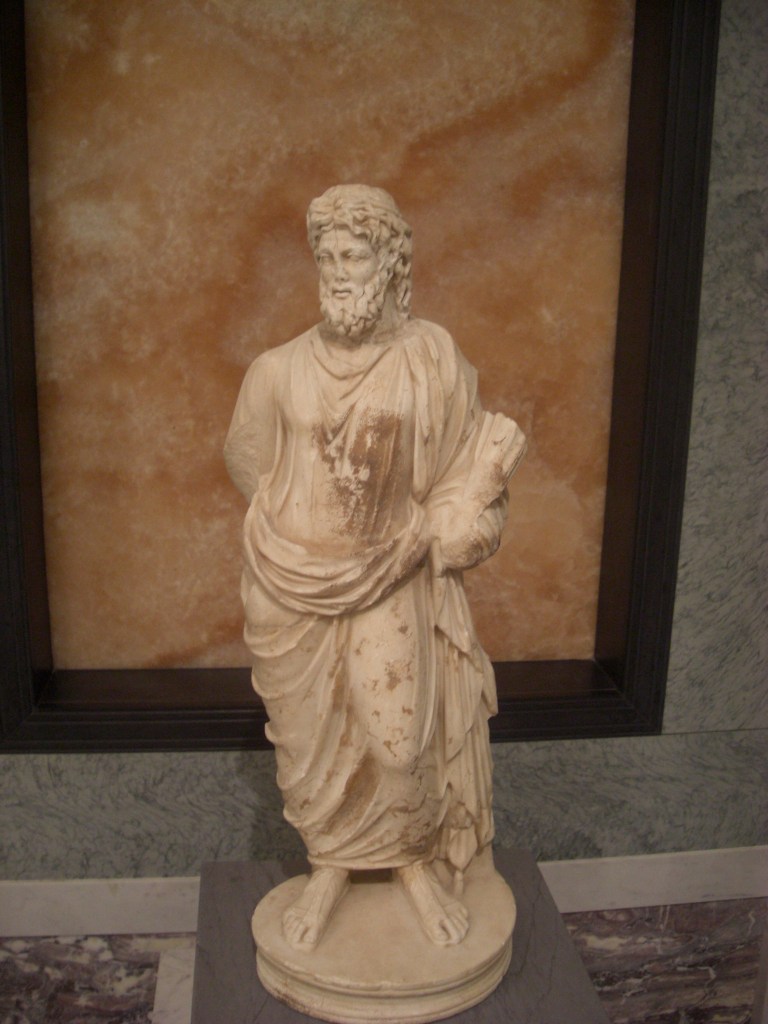
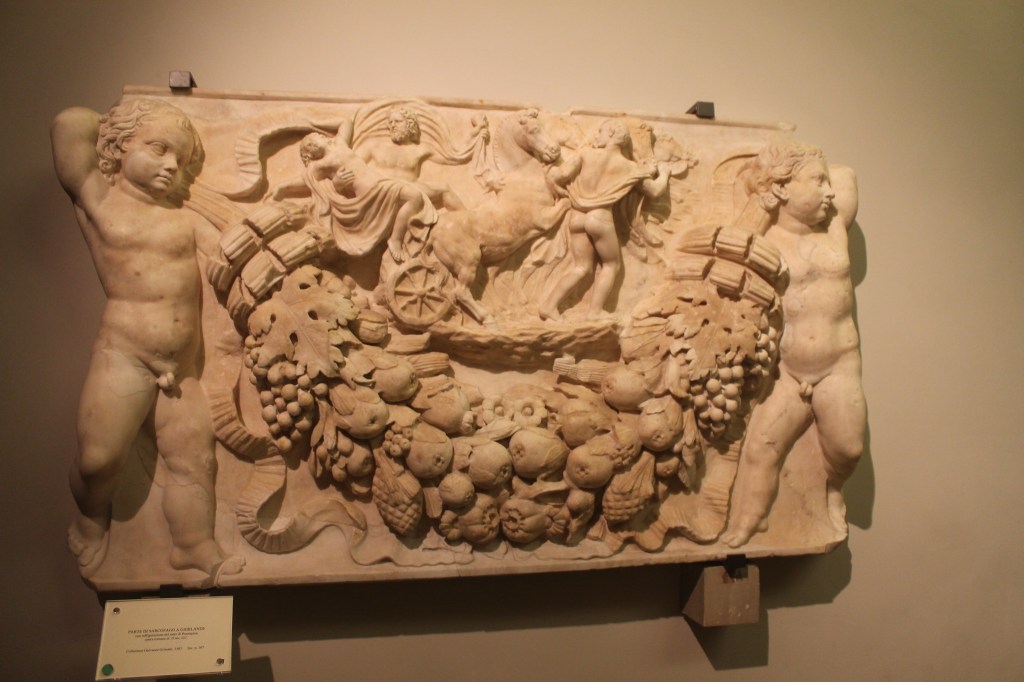
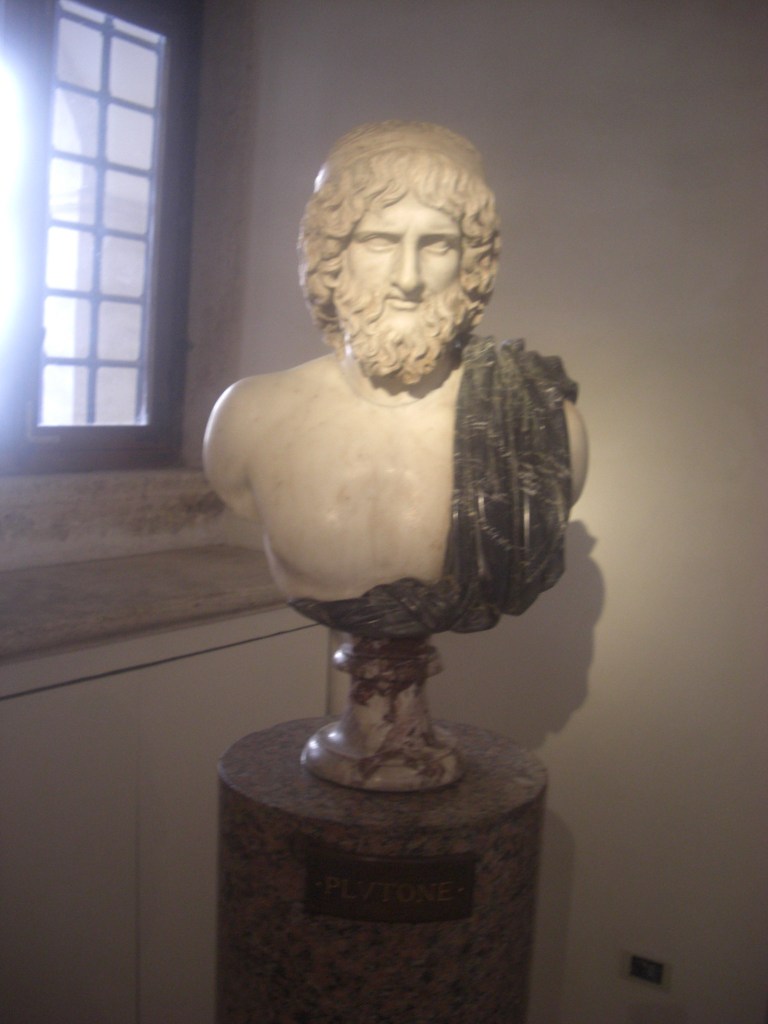
Venice National Archaeology Museum.

 Digital Maps of the Ancient World