Utu
Utu (also known as Shamash by the Akkadians) was the embodiment of enlightenment and justice. Utu’s character was defined by clear ideals: fairness, righteousness, and illumination. He was the sun god, his daily journey across the sky a testament to order and the unwavering pursuit of truth.

Residence: Heaven
Symbols: Saw, rays of light, solar disc, winged sun
Parents: Nanna and Ningal
Siblings: Inanna, Manzat and Pinikir
Consort: Aya
Children: Mamu, Kittum, Sisig, Zaqar, Šumugan, Ishum
Greek Equivalent: Helius
Roman Equivalent: Sol
His association with the sun made him an ever-present witness. People believed his light pierced through darkness, revealing the truth of any situation. This association with illumination naturally led to his role as the god of justice. He was seen as an impartial judge, ensuring fairness and upholding the law. Those seeking justice looked to the heavens, believing Utu observed their pleas and ensured a just outcome.
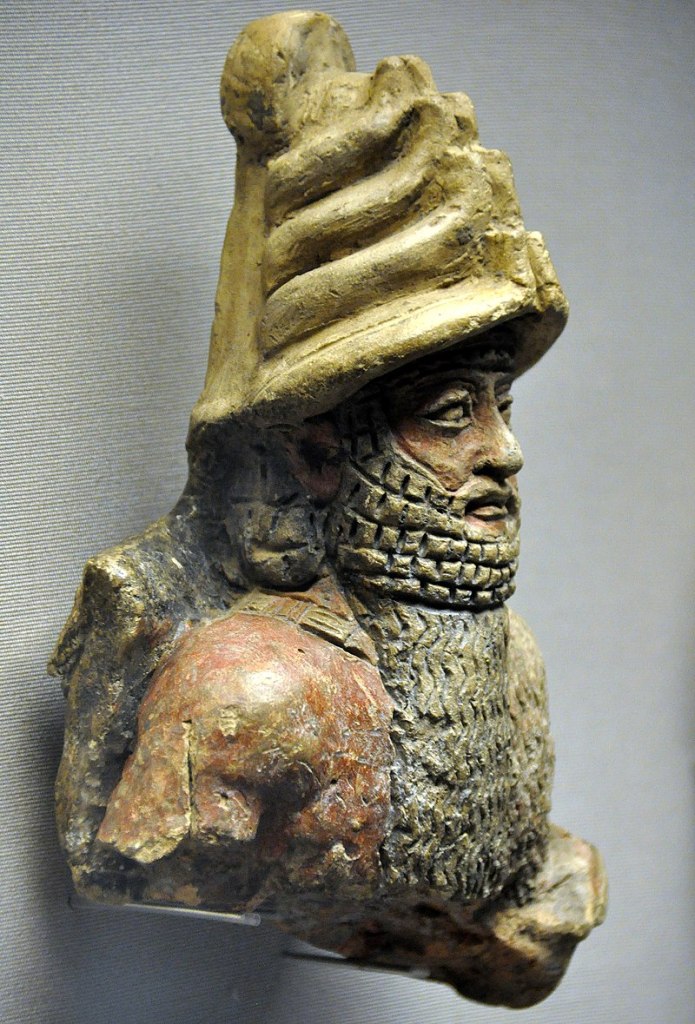
His daily journey across the sky symbolized order and the natural rhythm of life. Farmers relied on his predictable path to guide their planting and harvesting cycles. Travelers prayed for his protection as they ventured across perilous routes, trusting in his light to guide them safely.
He was a beacon of hope, a symbol of the unwavering pursuit of justice and truth. His daily return to the sky signified the cyclical nature of life, the promise of a new dawn, and the unwavering belief that even in the darkest of times, justice would eventually prevail.
His role as the ultimate source of justice was explicitly referenced in legal codes that shaped Mesopotamian society. The Code of Ur-Nammu and the more famous Code of Hammurabi, both sets of ancient laws, invoked Utu’s authority. By anchoring these legal codes in divine power, they imbued them with an extra layer of legitimacy and ensured adherence to principles of fairness. Utu wasn’t just a symbol of justice; he was the very foundation upon which Mesopotamian law was built. His presence in these codes underscored his profound impact on the social and moral fabric of their civilization.
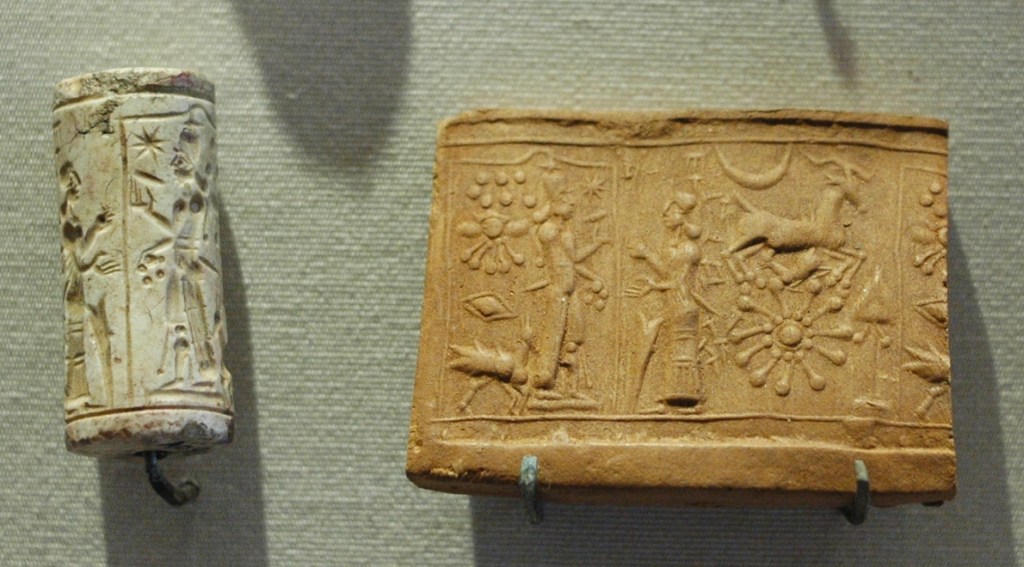
His presence was physically manifested in temples like the E-babbar in Sippar. These revered centers of worship weren’t just places of prayer; they were also locations where legal proceedings took place. The architectural grandeur of these sun temples served as a constant reminder of the sun god’s watchful gaze. By holding legal proceedings under the metaphorical light of Utu, the Mesopotamians believed they were upholding divine principles of fairness and truth. These temples became powerful symbols, blurring the lines between the earthly pursuit of justice and the divine source from which it emanated. Utu wasn’t merely a concept; his presence in these sacred spaces solidified his role as the foundation upon which Mesopotamian law was built.

 Digital Maps of the Ancient World